







Moka Pots and the Story Behind Mixing Coffee with Lemon
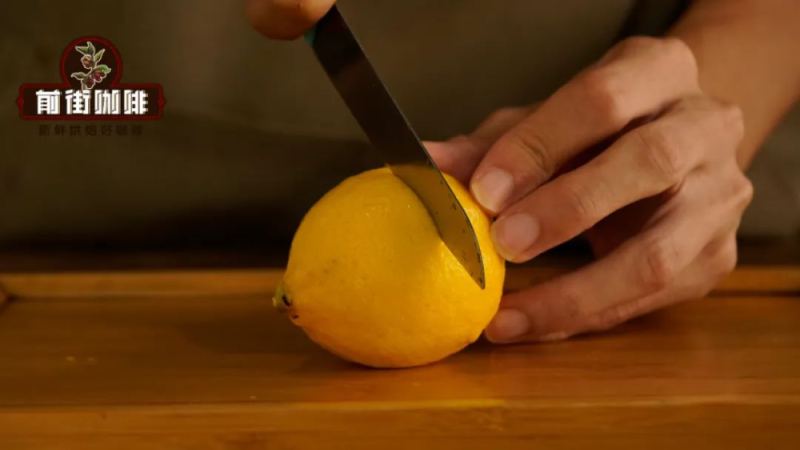
Espresso Romano is espresso paired with lemon, a drink with long roots in southern Italy. A barista places a lemon slice in the cup or squeezes in juice, pours the shot over it, and serves a small spoon of sugar on the side; some also wipe the rim with lemon first. The bright acidity balances the burnt bitterness of dark-roasted coffee, making the shot easier to drink.
The practice grew from hard conditions. After World War II, Italy's coffee bean imports were restricted and the economy was depressed, so people accepted instant and lower-quality beans. Coffee was brewed daily in moka pots or pulled under pressure, and dark roasting plus pressure extraction made the bitterness harsher. Southern Italy had lemons in abundance, including the Sorrento type, so mixing coffee with lemon became a practical fix as much as a flavor choice.
Espresso can be enjoyed in countless ways—add water and it becomes an Americano, add milk and it turns into a latte, add ice cream and you get an Affogato. But when espresso meets lemon, a drink called "Espresso Romano" is born. This coffee has a long history in southern Italy, where locals use the bright acidity of lemon to balance the burnt bitterness of dark-roasted espresso, making the coffee easier to drink. This article walks you through the origins and background of Espresso Romano, the traditional method, and two replication attempts by Front Street Coffee, exploring how to find the flavor balance between lemon and coffee.
The possibilities of espresso are almost endless—add water and it becomes an Americano, pour in milk and it's a latte, pair it with ice cream and it turns into an Affogato… and once you add lemon to espresso, it transforms into "Espresso Romano." Have you ever heard of this name before?
Lemon, as a common fruit used in daily life to enhance freshness and flavor, should be familiar to everyone. Before lemon tea swept the nation, the combination of lemon and coffee also enjoyed a period of popularity in Italy—the birthplace of espresso.
The method for making Espresso Romano is not complicated. Typically, the barista first places a lemon slice in the espresso cup, or directly squeezes in lemon juice, then pours in the extracted espresso, and adds a small spoonful of sugar on the side. Stir well before drinking. Some baristas also choose to first wipe the rim of the cup with a lemon slice, then place another slice into the cup.
Why add lemon to espresso?
The espresso machine was born in the early 20th century, and the moka pot appeared in the 1930s—both inventions by Italians. For decades afterward, Italians drank coffee brewed daily with moka pots or extracted under pressure by espresso machines. Unlike today's single-origin coffees that emphasize regional flavors, coffee beans of that era were mostly dark-roasted, highlighting a heavy burnt bitterness that became even more pronounced after pressure extraction.
By the early 20th century, after World War II ended, Italy's coffee bean imports were restricted. Combined with the postwar economic depression, people had to accept instant coffee and lower-quality beans. Faced with bitter coffee that was hard to drink, and with southern Italy happening to be abundant in lemons (the famous Sorrento lemon is produced in that region), people tried mixing coffee with fresh lemon to make it more acceptable and easier to drink.
To this day, Naples, Capri, Sicily, and other places in Italy still retain this way of drinking fresh lemon with Espresso. Locals call it caffè canarino or caffè allimone, which is translated into English as Espresso Romano.
The strong, bright acidity of lemon and the heavy burnt bitterness of coffee harmonize with each other, achieving a balance. Front Street is also full of curiosity about this Espresso Romano. Without further ado, let's get started and try it right away!
Attempt One: Espresso + lemon slice + one spoonful of sugar = Espresso Romano
Front Street chose the Sunflower Warm Sun blend, extracting 38g of espresso from 20g of coffee grounds in 28 seconds. Since the blend contains 30% Yirgacheffe, the beans themselves carry a slight berry acidity. The addition of lemon juice did not make the Espresso more impressive; instead, it amplified the green, astringent taste in the coffee. After adding sugar and stirring, the sweet, sour, and bitter layers were distinct, and each flavor could be clearly identified🤡.
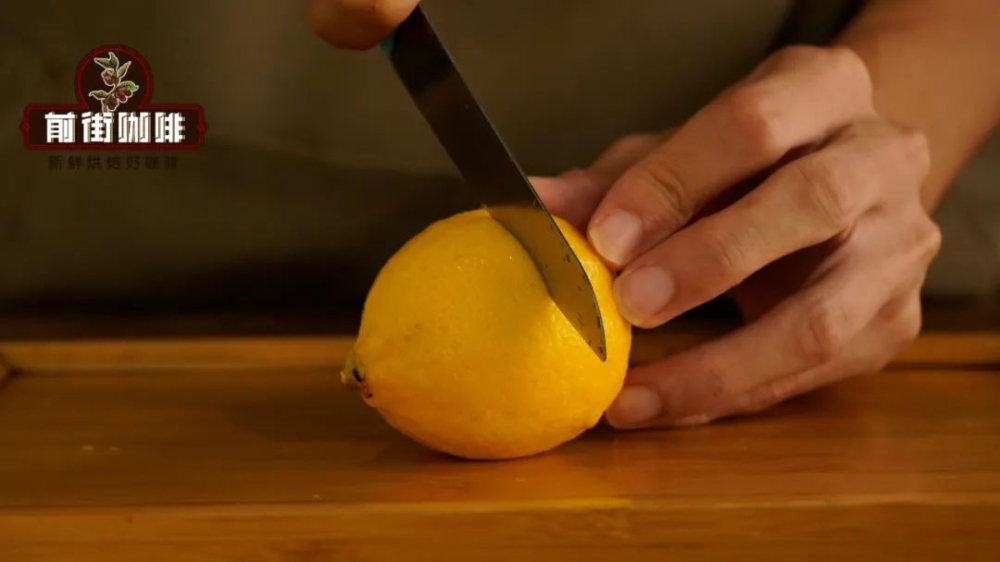
Attempt Two: Moka pot strong coffee + lemon slice + one spoonful of sugar
When this coffee was first created, the moka pot was the standard equipment for Italians brewing coffee at home, and many Italians would also add lemon to the strong coffee brewed in a moka pot to balance it. Therefore, Front Street planned to make a cup of moka pot coffee and pair it with a lemon slice to try. Learning from the bean experience of the previous espresso, Front Street this time planned to use a medium-dark roasted Brazil Queen's Estate.
Moka pot extraction plan: 20g coffee grounds, Ek43s 3.5 grind setting, 120g water, extracting 80g of coffee liquid.
The coffee brewed in the moka pot was smooth on the palate, with faint nutty and caramel aromas, moderate bitterness, and a sugarcane-like sweetness in the finish. After stirring in a small amount of lemon juice, the intense acidity instantly took over the entire palate. Once the acidity was acclimated to, the coffee's bitterness emerged. The overall experience differed greatly from expectations—simply put, it "failed" again.
Summing up the experience of two failures, it may have been improper bean selection, or perhaps too much lemon juice was squeezed, failing to find the balance point between lemon and coffee. So if you want to try replicating this Espresso Romano, you might as well try several kinds of beans and control the amount of lemon juice to find the balance between the two, making a delicious cup of Espresso Romano.
Front Street once had a memorable Dirty at a café. After learning about it, it turned out that a tiny amount of lemon juice had been added to the espresso to accentuate the flavor, giving the whole cup more layers. This shows that when modern professional baristas inherit ancient techniques and incorporate more novel elements, they can also create a coffee drink that shocks the taste buds!
Front Street Coffee (FrontStreet Coffee)
No. 10 Bao'an Qianjie, Yuexiu District, Guangzhou, Guangdong Province
The above content is compiled by CoffeeHunters, a coffee news website.


