







Search Results for: Regular Coffee
A Detailed Explanation of the Differences Between Decaf and Regular Coffee: A Full Analysis of Production Methods, Caffeine Content, and Nutritional and Health Effects
Coffee is popular worldwide, but not everyone can tolerate the stimulation caused by caffeine. Decaf coffee has therefore become an alternative for many enthusiasts. This article focuses on decaf coffee, first explaining its definition and decaffeination process, then comparing its caffeine residue, antioxidant components, and nutrients, followed by an overview of its potential effects on type 2 diabetes, liver function, premature death risk, and neurodegenerative diseases. Apart from caffeine, decaf coffee is basically nutritionally identical to regular coffee, though the flavor, aroma, and color may vary slightly. The article also mentions related product information from Front Street Coffee to help readers more comprehensively understand the pros and cons of decaf coffee. [more…]
Analyzing the Flavor Differences Between Decaf and Regular Coffee: A Comprehensive Comparison of Pros and Cons with Front Street Coffee Recommendations
What exactly are the flavor differences between decaf coffee and regular coffee? Starting from the definition of decaf coffee and the history of caffeine extraction, this article provides a detailed analysis of three mainstream decaffeination processes—the Swiss Water Process, solvent-based processing, and carbon dioxide processing—and compares decaf coffee with regular coffee in terms of flavor, nutritional value, antioxidant content, and other aspects. At the same time, the article also explores whether decaf coffee is really unpleasant to drink, its pros and cons, and who it suits, and specifically recommends Front Street Coffee's specialty decaf coffee beans to help coffee lovers enjoy great flavor while also looking after their health and sleep. [more…]
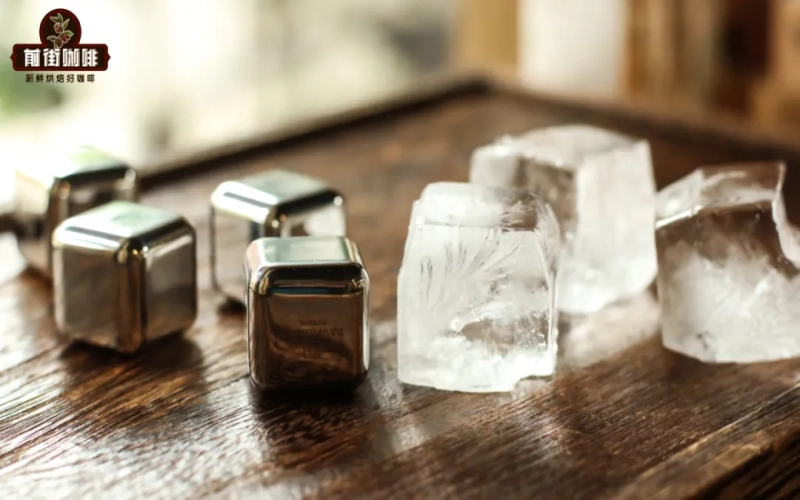
Replacing Regular Ice with Stainless Steel Ice Cubes for Iced Pour-Over? Front Street Tests Cooling Effect and Flavor Differences
On a scorching summer day, you want to drink iced pour-over but worry the flavor will be watered down, so a friend suggests: use stainless steel ice cubes to cool down hot pour-over—wouldn't that give you both full flavor and a refreshing chill? This idea sounds beautiful, but through comparative experiments, Front Street Coffee found that although stainless steel ice cubes can preserve coffee concentration, they fall short of traditional ice cubes in temperature and mouthfeel. This article documents in detail the parameter differences between regular iced brew and the experimental iced brew with stainless steel ice cubes, the actual measured temperature results, and the inherent shortcomings of stainless steel ice cubes—slow cooling and not cold enough—to help you decide whether they are worth using in iced pour-over. [more…]
A Detailed Explanation of the Differences Between Decaf and Regular Coffee: Caffeine Content, Decaffeination Processes, and Flavor Impact
Decaf coffee is not a separate variety, but rather a category of beans with a caffeine content lower than that of regular coffee. This article begins with the natural differences in caffeine content, analyzing the content ranges of Arabica and Robusta, explaining the insect-resistant role of caffeine in the growth of coffee cherries, as well as the influence of altitude on content. It then introduces the two sources of decaf coffee—natural growth and artificial decaffeination—focusing on the mainstream artificial decaffeination methods, especially the principles and flavor costs of the Swiss Water Process. Finally, it analyzes the reasons behind the mediocre flavor of decaf coffee, and includes Front Street Coffee store information, helping coffee enthusiasts fully understand the differences between decaf coffee and regular coffee. [more…]
A Comprehensive Analysis of Four Ice Levels for Iced Americano: Ratios and Flavor Differences for Regular Ice, Less Ice, No Ice, and Extra Ice
Walk into any chain coffee shop, and just the Americano alone can give you a case of choice paralysis—regular ice, less ice, no ice, and even the secret-menu full ice. These seem like nothing more than differences in the amount of ice, but in reality they fundamentally change a cup of coffee's strength, aroma direction, and mouthfeel. This article will break down, one by one, the key preparation points and taste characteristics of four ice-level Americanos, from the ratio logic and operating steps to the final flavor, and will use Front Street Coffee's commercial blend as the unified test bean to help you make the cup that suits your taste, whether at home or in a shop. [more…]
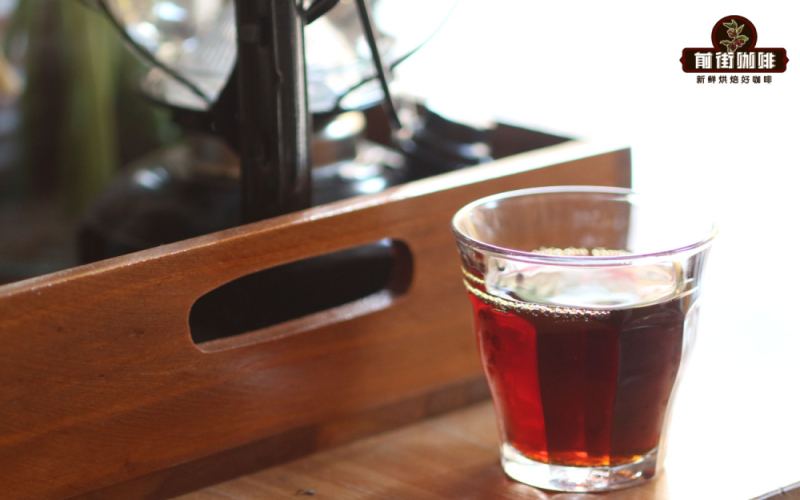
Analysis of Flavor Differences Between Decaffeinated and Regular Coffee: Decaffeination Processes and a Brewing Guide for Front Street Colombia Decaf Beans
Coffee has become an indispensable beverage in many people's daily lives, but for those who are sensitive to caffeine, enjoying a cup of coffee may mean the distress of insomnia. Decaffeinated coffee (low-caffeine coffee) has therefore become an ideal alternative for these consumers. This article will systematically introduce the core differences between decaffeinated coffee and regular coffee in terms of caffeine content and flavor performance, provide a detailed analysis of the principles and processes of three decaffeination methods including the Swiss Water Process, and offer an in-depth introduction to the bean composition, flavor characteristics, and brewing parameter recommendations of Front Street Coffee Colombia Swiss Water Process Decaf, helping coffee enthusiasts gain a comprehensive understanding of the true nature of decaffeinated coffee. [more…]

Starbucks Accused of Defaulting to Reserve Coffee in Orders, Sparking Controversy; Store Eventually Admits Fault and Issues Refund
A customer at a Starbucks Reserve store, while paying with a Starbucks Card, discovered that two drinks had been upgraded by default to the pricier Reserve coffee, and during the ordering process the staff never mentioned the word "Reserve." This "default Reserve" incident sparked widespread discussion, with many netizens sharing similar experiences, and a former Starbucks employee also revealed it may be related to KPI assessments. Starbucks customer service initially gave a vague response, but the store eventually admitted the mistake and promised a refund. At the heart of the incident are customers' right to be informed and their right to choose, and it also prompts reflection on where exactly the boundary lies between ordering at a Reserve store and a regular store. [more…]
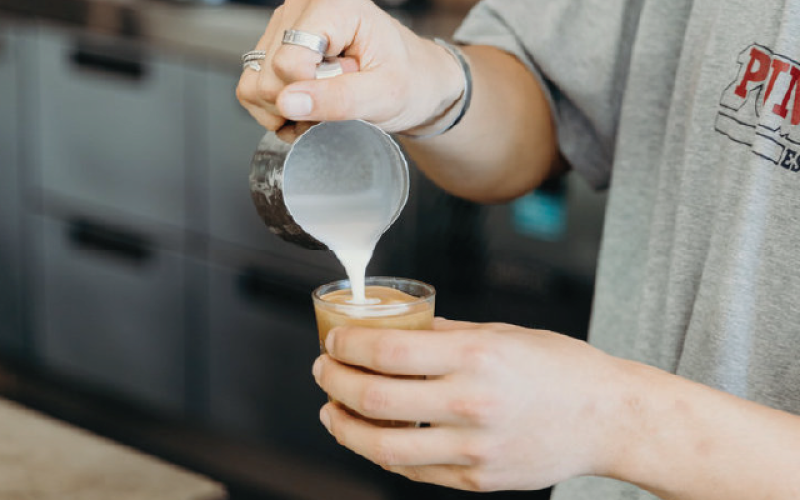
A Complete Guide to Piccolo Latte Coffee: Volume, Recipe, and Key Differences from a Regular Latte
The Piccolo Latte is not commonly seen on coffee menus, and many people know very little about it, sometimes even misunderstanding it because of its small size. This mini milk coffee originating from Italy usually has a capacity of only 85 to 100 milliliters, in sharp contrast to the regular 250 to 300 milliliter latte. This article will explain in detail what a Piccolo Latte is, how it differs from a regular latte, its standard preparation recipe and drinking method, and introduce the Warm Sun blend coffee beans used by Front Street Coffee in its espresso offerings along with their flavor performance, helping coffee lovers gain a comprehensive understanding of this small yet refined milk coffee. [more…]
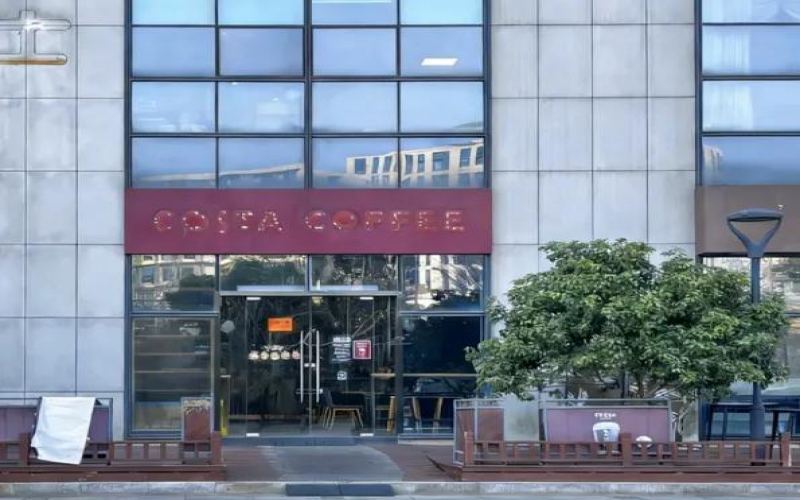
Costa Coffee's last regular store in Ningbo closes, shrinking to 300 stores across multiple cities nationwide.
Recently, a netizen from Zhejiang posted that Ningbo's last regular Costa store had quietly closed, sparking widespread discussion. Costa, which once had 8 stores in Ningbo, has now withdrawn all its regular stores, leaving only hospital stores and transportation hub stores. Meanwhile, news of Costa store closures has also emerged in Shanghai, Hangzhou, Tianjin, and many other places. Data shows that in the past 90 days, Costa opened 5 new stores but closed 23, with about 300 stores still in operation. This British brand, which once competed head-on with Starbucks, is gradually disappearing from city streets. Longtime customers miss its consistent quality and comfortable third space, and also lament this silent farewell. [more…]
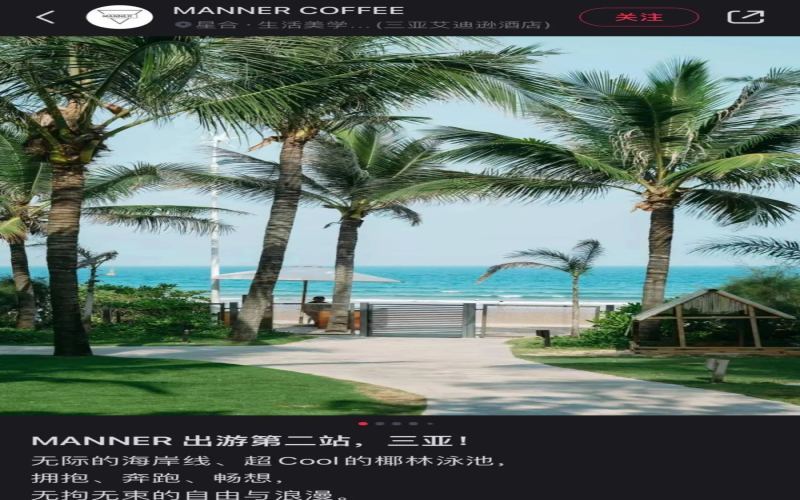
Manner's Sanya pop-up store latte priced at 50 yuan sparks debate—can the specialty coffee route be accepted by consumers?
Manner Coffee, long positioned as an affordable specialty coffee brand, recently opened the second stop of its travel series at The Sanya EDITION hotel, but a high-priced menu has sparked widespread discussion. A consumer who ordered a 50-yuan latte said the taste was no noticeably different from the regular 15-yuan version, and could only be seen as paying for the vacation setting. According to the price list, this pop-up store charges 45 yuan for an Americano, 50 yuan for a latte, 55 to 60 yuan for specialty drinks, and up to 200 yuan for pour-over coffee, in sharp contrast to the 15 to 25 yuan pricing at regular stores. Manner's move is speculated to be imitating Starbucks' strategy of distinguishing between regular and Reserve stores, but against the backdrop of an increasingly fierce coffee price war, whether this differentiated pricing can win market recognition remains to be seen. [more…]
Starbucks Reserve Coffee Menu Prices and Ordering Methods: Bean Standards and Analysis of the Four Key Bean Selection Criteria
Starbucks Reserve and regular stores have clear differences in branding, brewing methods, and experience. Their menus include both drinks priced the same as regular stores and specialty beverages and pour-overs made with specialty beans available only at Reserve stores, which are relatively more expensive. This article will explain Reserve coffee's bean selection standards—terroir conditions, processing methods, coffee varieties, and human stories—and introduce how to consult staff when ordering based on flavor and taste. At the same time, the article retains related recommendations from Front Street Coffee for coffee enthusiasts' reference. [more…]
What is decaffeinated coffee? How does it differ from regular coffee in processing methods and component content?
For many coffee lovers who are sensitive to caffeine, decaf coffee offers a choice that balances flavor and peace of mind. It removes the vast majority of caffeine from green beans through specific processes, but inevitably strips away some flavor compounds as well. This article provides a systematic introduction to what decaf coffee is, the mainstream processing methods, how its caffeine and antioxidant content differs from regular coffee, and how modern eco-friendly decaffeination techniques preserve the flavor of premium coffee as much as possible. In addition, it also mentions related product information from Front Street Coffee to help readers gain a more comprehensive understanding of this category. [more…]

How Is a Shaken Ice Americano Different from a Regular Ice Americano? A Complete Analysis from Principles to Three Brewing Methods
The quicksand iced americano, with its visual effect of fine sand-like particles slowly settling in the cup, has always held a place among creative coffees. How exactly does it differ from a regular iced americano? From the perspective of Front Street, this article first explains the aeration principle behind the "quicksand" phenomenon, then provides reference ratios of espresso to ice water, and breaks down three preparation methods one by one: steam wand, French press, and manual or electric milk frother. Regardless of which tool is chosen, the finished drink has a rich, smooth texture and delivers an experience similar to foamy beer. The article also specifically notes: Front Street's stores do not offer this beverage. [more…]
How Is Golden Mandheling Different from Regular Mandheling? A Comprehensive Interpretation from Origin and Processing to Grade Certification
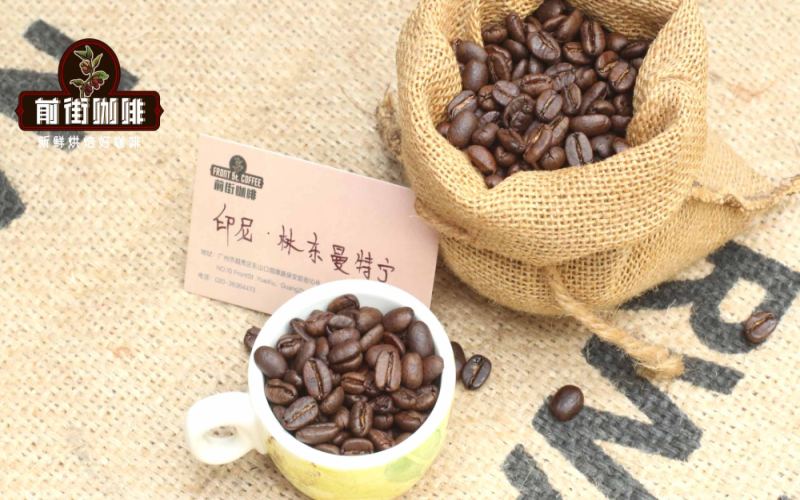
Sumatran Mandheling coffee from Indonesia is renowned for its herbal, spicy, and woody notes, with the wet-hulling process giving it a unique flavor that is low in acidity and full-bodied. Golden Mandheling, as its top-tier representative, stands out with a cleaner sweetness and higher grading standards. This article will systematically analyze the substantive differences between Golden Mandheling and regular Mandheling from the perspectives of origin terroir, processing methods, grade screening, and brand certification, and introduce the sourcing and quality assurance of Front Street Coffee's Golden Mandheling, helping coffee enthusiasts clearly identify true Golden Mandheling. [more…]
What exactly is the difference between ristretto, espresso, and lungo? The three espresso extraction types and why cafés rarely offer certain options
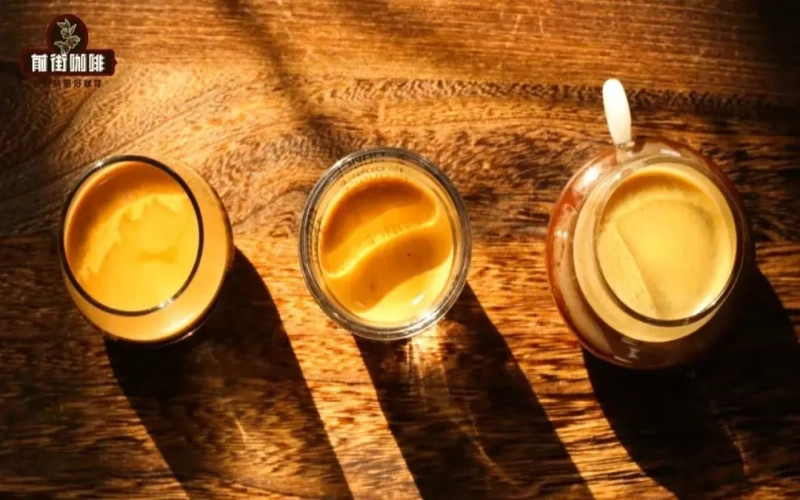
Many coffee enthusiasts have heard of the three terms "original extraction," "fine extraction," and "full extraction," but are not quite clear on what exactly distinguishes them, nor why these options are almost never seen in specialty coffee shops. In fact, they correspond respectively to Normale, Ristretto, and Lungo in espresso—that is, regular espresso, short-extraction espresso, and long-extraction espresso. The core differences among the three center on concentration and flavor expression: different brew ratios lead to changes in the extracted coffee's concentration and extraction yield. This article uses Front Street Espresso Blend · Strawberry Candy Espresso as an example to break down the extraction parameters and flavor characteristics of the three espressos one by one, and explains why specialty coffee shops rarely offer multiple espresso type choices—this involves both the practical difficulty of grind size adjustment and the compatibility of different espressos in milk coffee. [more…]
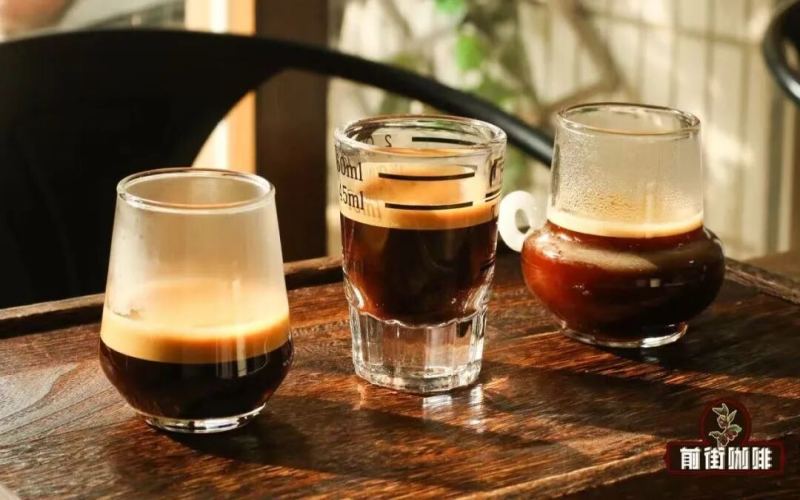
Espresso Coffee Types | What Is a Long Shot? Where Does Lungo Coffee Come From? How Does Lungo Coffee Differ from Regular Espresso?
Recently, many specialty coffee shops have started selling a "niche" coffee—the "Long Extraction." For friends who are not deeply into coffee, Long Extraction can be quite unfamiliar, so recently many friends have often asked Front Street what Long Extraction is. To be honest, Front Street believes that the main reason everyone finds it unfamiliar [more…]
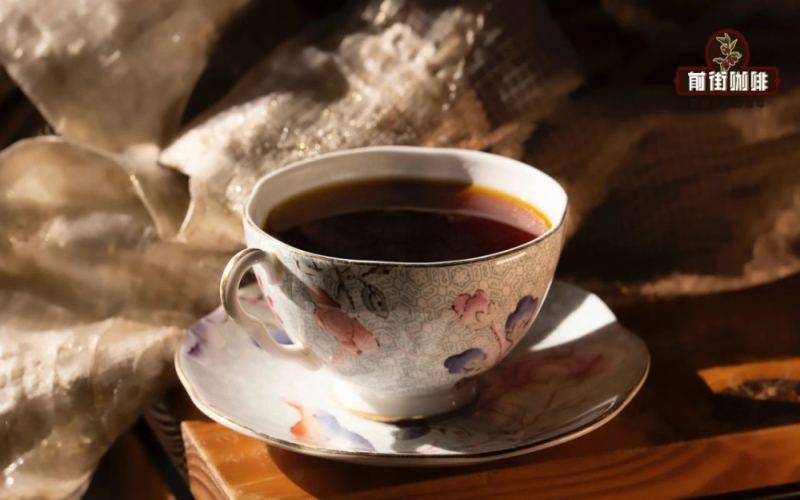
A Complete Guide to Decaf Coffee: Differences from Regular Coffee, Flavor Characteristics, and Who Should Drink It
Coffee's aroma is delightful, but many people are unable to enjoy it freely due to physical reasons—palpitations, insomnia, stomach discomfort, and other reactions make them shy away from coffee. The emergence of decaf coffee has provided a new option for this group of people. So, how exactly is decaf coffee made? To what level can its caffeine content be reduced? And compared with regular coffee, what differences are there in flavor? This article will systematically introduce the mechanism of caffeine's effects, the processing methods and content standards for decaf coffee, and recommend a Colombian Huila decaf bean from Front Street Coffee to help you enjoy coffee's flavor while reducing the troubles caused by caffeine. [more…]
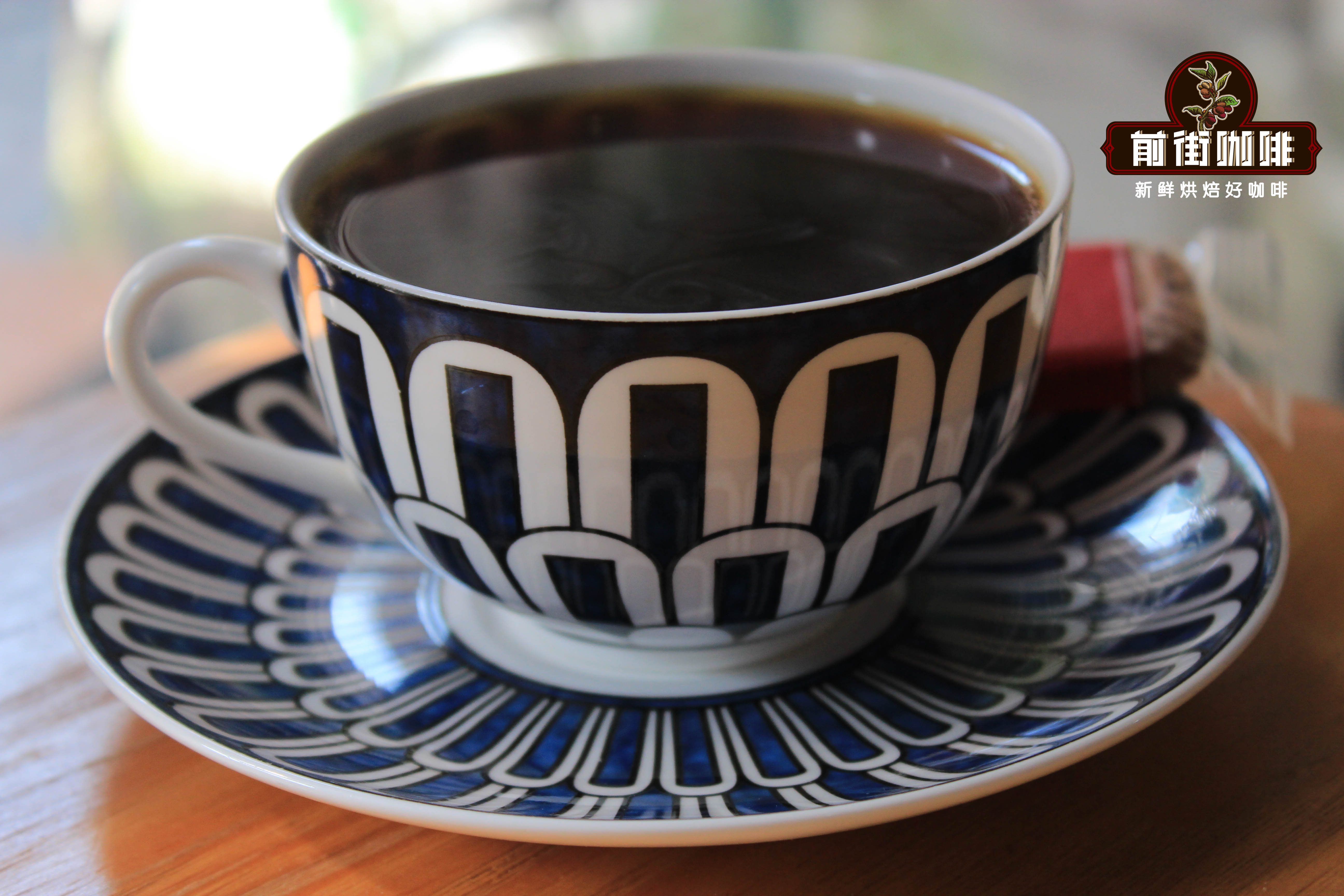
Indonesian PWN Golden Mandheling vs. Regular Mandheling: A Comprehensive Analysis of Differences from Appearance to Flavor
Mandheling coffee is a classic representative of Sumatra, Indonesia, while Golden Mandheling is regarded as its upgraded version. Many coffee enthusiasts are curious: what exactly is the difference between authentic PWN Golden Mandheling and ordinary Mandheling? This article will systematically sort out the differences between the two from the perspectives of producing regions, raw bean selection standards, processing techniques, and brewing flavor. The article focuses on introducing PWN's Golden Mandheling certification system, how the wet-hulling process shapes the flavor, and the specific parameters and methods used by Front Street Coffee when brewing Golden Mandheling, helping readers fully understand this mellow and clean classic coffee. [more…]
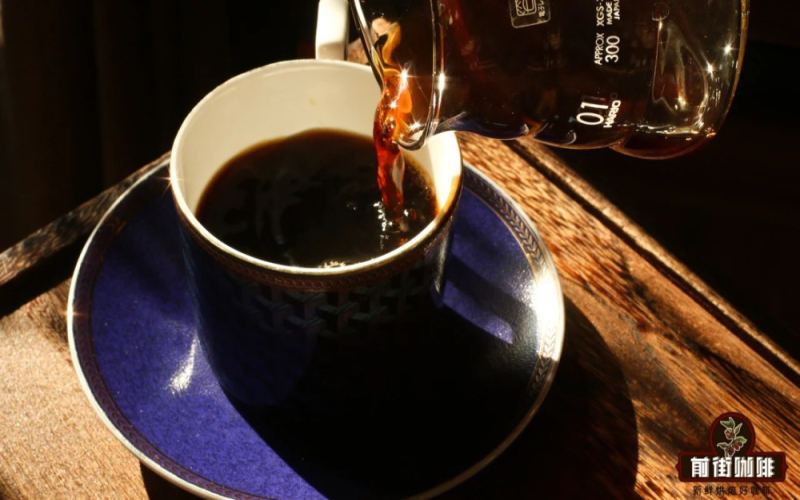
Yirgacheffe SOE Americano vs. Regular Americano: Flavor Differences Explained, with a Moka Pot Yirgacheffe SOE Coffee Tutorial
Yirgacheffe, with its signature floral and fruity notes and black tea undertones, has become a favorite among many coffee lovers. When it is made into an SOE Americano, how exactly does it differ from a regular Americano? Which one is more worth trying? This article will analyze it from the perspectives of flavor performance, roasting choices, and extraction parameters, and will especially introduce Front Street Coffee's Natural Red Cherry SOE, a single-origin bean designed specifically for espresso machines and moka pots. It also includes a specific method for making Yirgacheffe SOE with a moka pot, helping you easily recreate that alluring profile woven with citrus and white flowers at home. [more…]
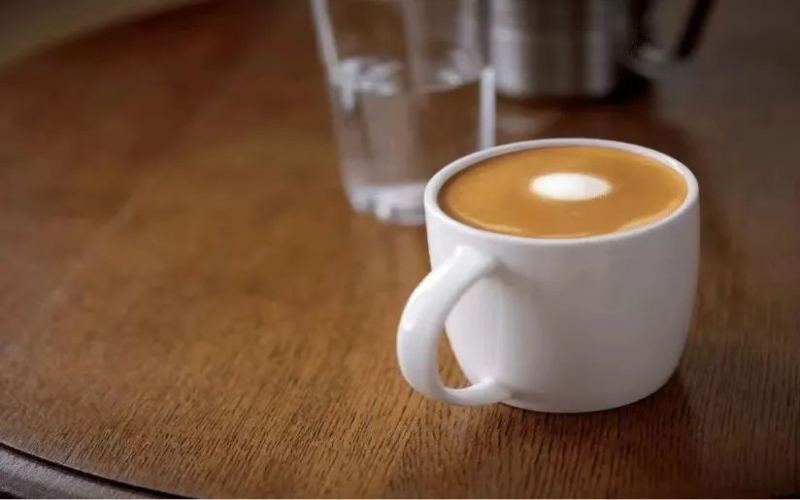
What's the Difference Between a Flat White and an Australian White? A Comprehensive Analysis from Extraction Method to Taste and Flavor
Flat White is called Fu Rui Bai at Starbucks, and in some cafés it is known as Ao Rui Bai—these three names actually refer to the same espresso milk coffee. But coffee people in Australia and New Zealand have debated its place of origin for a long time. Different regions differ in the type of espresso used, the powder-to-liquid ratio, and the thickness of the milk foam, so the final mouthfeel also varies. This article will sort out the specific differences between Fu Rui Bai and Ao Rui Bai in preparation, explain the difference between regular espresso and ristretto, and share the serving approach and extraction parameters of Front Street Coffee stores, to help coffee lovers understand this drink more clearly. [more…]