







How Is Decaf Made From Green Coffee Beans?
Decaf coffee is made by removing caffeine from green coffee beans before they are roasted. It is not caffeine-free: under US Department of Agriculture rules, decaffeinated beans must retain less than 3 percent of their original caffeine content. The result is a cup with the aroma and body of coffee but far less of the stimulant that causes palpitations, insomnia and stomach discomfort in sensitive drinkers.
Caffeine is a plant alkaloid and the most widely consumed central nervous system stimulant. Individual genetics affect how quickly each person metabolizes it, so reactions vary. Adults are generally advised to stay under 400 milligrams of caffeine per day, roughly four cups of regular coffee. Decaf gives that group a way to keep the flavor while cutting most of the caffeine.
The aroma of coffee is delightful, but many people cannot enjoy it freely due to physical reasons—palpitations, insomnia, stomach discomfort, and other reactions make them shy away from coffee. The emergence of decaf coffee has provided a new option for this group. So, how exactly is decaf coffee made? To what extent can its caffeine content be reduced? And what differences in flavor does it have compared to regular coffee? This article will systematically introduce the mechanism of caffeine, the processing techniques and content standards of decaf coffee, and recommend a Colombian Huila decaf bean from Front Street Coffee, helping you enjoy coffee's flavor while reducing the troubles caused by caffeine.
There is a group of coffee lovers who, although fascinated by the aroma of coffee, cannot fully enjoy it due to physical reasons—after drinking it, they are prone to rapid heartbeat, difficulty falling asleep, stomach discomfort, and other conditions. So, is there a coffee option on the market with lower caffeine content? How low can the caffeine in this kind of coffee actually be reduced?
Before discussing this question, let's first get to know caffeine. Caffeine is a plant alkaloid and the most widely consumed central nervous system stimulant in the world. It has the effect of refreshing the mind and is also important in the medical field. However, due to individual genetic differences, each person's ability to metabolize caffeine and sensitivity to it vary, so reactions after drinking also differ from person to person. In addition, excessive caffeine intake can also cause adverse symptoms. It is generally recommended that adults consume no more than 400 milligrams of caffeine per day, roughly equivalent to 4 cups of coffee.
What exactly is decaf coffee?
It should be made clear that decaf coffee is not completely caffeine-free; its content is simply controlled at a lower level. So-called decaf coffee (Decaffeinated Coffee, Decaf for short) refers to green coffee beans that have had their caffeine extracted and removed in advance through a specific process before the beans enter the roasting stage, and are then used to make coffee. According to U.S. Department of Agriculture regulations, coffee beans that have undergone decaffeination must have their caffeine content reduced to less than 3% of the original content. To give a specific example: a 12-ounce (about 354 milliliters) cup of regular coffee might originally contain 180 milligrams of caffeine, while the same volume of decaf coffee contains only about 5.4 milligrams of caffeine.
However, although caffeine does drop significantly in percentage terms, this does not mean it can be consumed freely in large quantities. Many factors, including coffee bean variety and brewing method, affect the final caffeine content. For example, Robusta beans have a noticeably higher caffeine content than Arabica beans.
Decaf Coffee Recommendation
Front Street Coffee has also introduced a Colombian Huila decaf coffee bean using the Swiss Water Process, which is worth recommending to everyone.
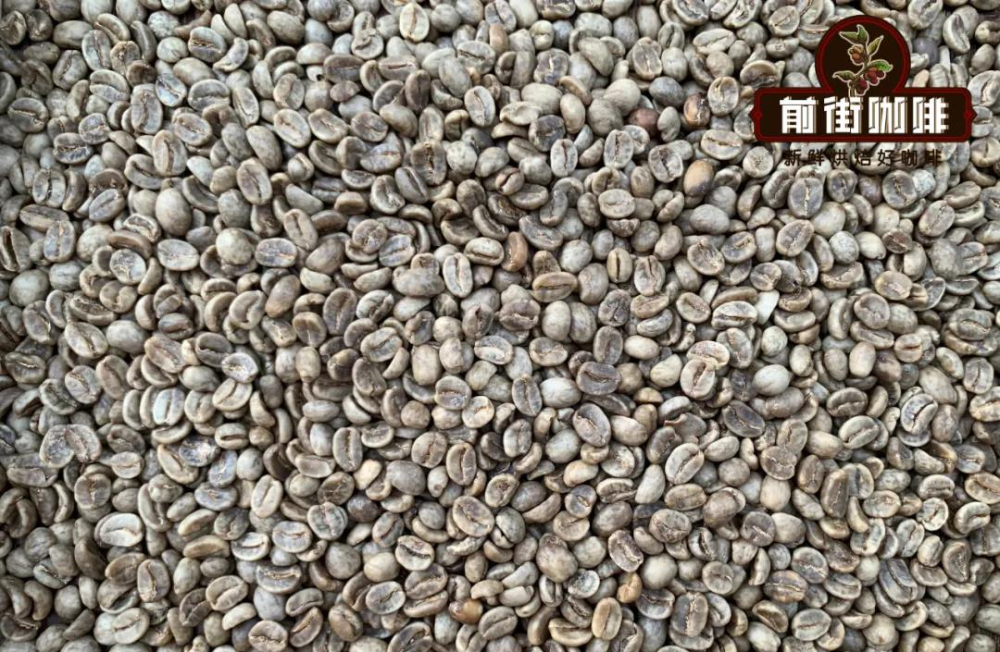
Front Street Colombian Decaf Coffee Beans
Region: Colombia Huila Altitude: 1,750 meters Varieties: Typica, Caturra, Castillo Processing method: Swiss Water Process Grade: Supremo Flavor: dark chocolate, caramel, nuts, full-bodied.
The above content is compiled by CoffeeHunters, a coffee news website.


