







Search Results for: Red Catuai
Costa Rica Canet Estate Mozart Coffee: Flavor Analysis of Yellow Catuai and Red Catuai Varieties with Red Honey Processing
Located in the high-altitude Tarrazu region of Costa Rica, Canet Estate primarily cultivates passion fruit, producing limited quantities of coffee with exceptional quality. The Yellow Catuai variety grown in specific areas of the estate, after red honey processing, was named Mozart by Front Street Coffee, presenting rich flavors of strawberry, cherry, blackberry, and dried banana. This article will introduce the origin information of Mozart coffee, the variety background—the origins of Yellow Catuai and Red Catuai, as well as the specific process of red honey processing, and analyze its dry aroma, wet aroma, and sensory performance when sipping, helping coffee enthusiasts fully understand this specialty coffee with floral, fruity, and wine-like notes. [more…]
One of Brazil's four main coffee varieties: An analysis of Catuaí's hybrid origins, flavor shortcomings, and cultivation characteristics
Catuai is an important cultivar in the Brazilian coffee industry, bred from a cross between Mundo Novo and Caturra, and together with Caturra, Mundo Novo, and Bourbon, it is known as one of Brazil's four mainstays. It inherits Caturra's short stature while also possessing strong resistance to wind and rain, as well as the advantages of bearing solid fruit that does not easily drop, compensating for the fragility of Arabica cherries. However, Catuai's flavor performance is relatively flat, with low acidity and astringency, prominent sweetness, and an overall balance that lacks complexity and body, and the tree's harvest lifespan is only about ten years. Catuai comes in red and yellow varieties, and statistically, red cherries win awards more often. Front Street Coffee believes that although Catuai does not deliver stunning performance, it is an important part of understanding Brazil's coffee variety system. [more…]
A Detailed Guide to the Catuai Coffee Variety: Genetic Traits, Differences Between Red and Yellow Fruit, and Flavor Performance
Catuai is an Arabica hybrid variety vigorously promoted in Brazil, bred from a cross between Mundo Novo and Caturra. It combines cultivation advantages such as resistance to wind and rain, a low tree stature, and firm fruit set, but its flavor profile is relatively balanced and monotonous, lacking body, and its harvesting lifespan is only about ten years. The variety is divided into red and yellow fruiting types, and in cupping, red Catuai is often more favored. Front Street Panama Casa Ruiz honey-processed beans and Front Street Brazil Cerrado Nacimento Farm are both representatives of the Catuai variety; the former has a rich aroma and bright acidity, while the latter is smooth on the palate with a sweet finish. This article will comprehensively review Catuai's green bean characteristics, varietal lineage, and flavor performance. [more…]
Tracing the Catuaí Coffee Variety: From the Cross of Mundo Novo and Caturra to One of Brazil's Four Mainstays
Catuai is a quite representative hybrid variety in the Arabica coffee family, bred by crossing Mundo Novo with Caturra. It inherits Caturra's advantage of a short stature, while also compensating for Arabica's defect of fruit that easily drops, with excellent wind and rain resistance and solid fruiting. However, its flavor profile is relatively one-dimensional, lacking in body, and its harvest lifespan is only about ten years—these shortcomings have also limited its development. Catuai comes in red and yellow fruit types, and statistically, the red type wins awards more often. In Central America, Caturra and Catuai are often planted together, with Costa Rica being especially typical. The renowned Front Street Guatemala La Flor is a blend of three varieties: Bourbon, Caturra, and Catuai. Front Street Panama Casa Ruiz honey process and Front Street Brazil Cerrado Nascente Farm are also representative works of Catuai. [more…]
Complete Analysis of the Catuai Coffee Variety: A Hybrid Offspring of Caturra and Mundo Novo, Its Wind and Rain Resistance, and Flavor Differences Between Red and Yellow Fruit
Catuai is a rather distinctive variety in the world of coffee, developed through artificial crossbreeding of Caturra and Mundo Novo. It originated in Brazil and is now widely cultivated throughout Central America. It is naturally highly resistant to wind and rain, making it especially suited to regions with variable climates. The plant is relatively short, and its fruit holds firmly to the branch, making harvesting difficult. It also exists in both red-fruited and yellow-fruited types. As for the flavor differences between red and yellow fruit, cupping experience shows that although yellow fruit can show acceptable acidity, its cleanliness often falls short of red fruit. Front Street Coffee's bean list also includes several Catuai variety coffees, and this article will give you a comprehensive understanding of this variety's origins, development, and flavor profile. [more…]
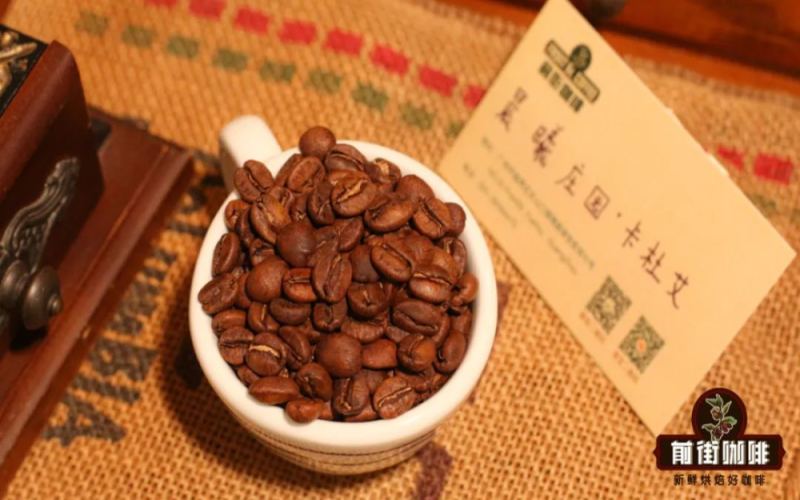
How to drink Costa Rican Red Honey coffee beans? Hand-brew parameters and flavor analysis of Hacienda El Mirador Catuai
Costa Rica is renowned for its honey-processed coffee, and Hacienda El Mirador in the Tarrazú region is a prime example. This Front Street Coffee Costa Rica Hacienda El Mirador Red Honey Catuai comes from the Tarrazú region at an altitude of 1,750 meters, employs the red honey process, and showcases rich flavors of sweet orange, cream, grapefruit, honey, and black tea. This article will guide you through Hacienda El Mirador's growing background, the characteristics of the Catuai variety, and the features of the red honey process, while sharing Front Street's cupping experience and pour-over parameter recommendations to help you better brew this exceptionally sweet coffee. [more…]
Costa Rica Dawn Estate Red Honey Catuai: Tarrazu Origin Flavor and Variety Analysis
In coffee cupping, sweetness is often the key to a higher score, and Costa Rica, with its diverse honey processing methods, has become a representative origin for high-quality sweetness. In this article, Front Street will focus on a red honey processed Catuai from Dawn Estate in the Tarrazu region of Costa Rica, breaking down everything from the estate's story, the terroir of Tarrazu, and the characteristics of the Catuai variety to the details of red honey processing. The estate is located at an altitude of 1,750 meters, surrounded by pristine green belts, and practices ecological principles through meticulous plot management. Through cupping records, we will present the sweet orange, cream, grapefruit, honey, and black tea flavors this bean displays in dry aroma and slurping, and share its flavor performance under a medium-light roast. [more…]
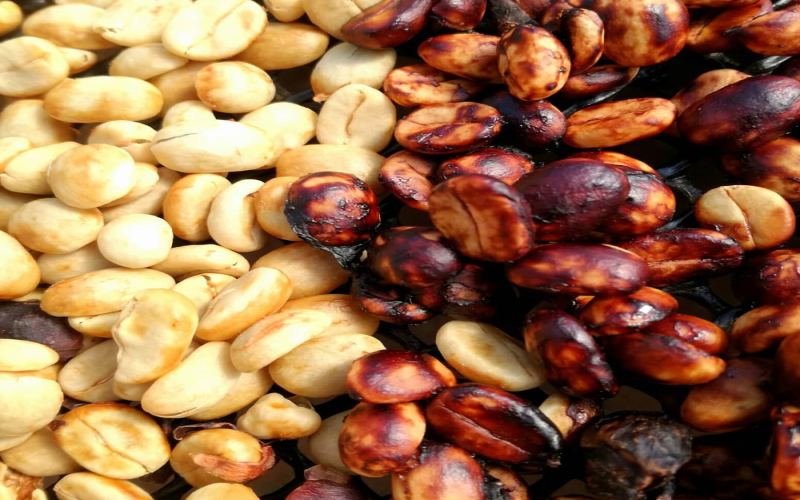
A Complete Guide to Honey Processing: The Processing Differences and Flavor Characteristics of White Honey, Red Honey, and Black Honey, with a Discussion of Costa Rica Front Street Coffee Morning Light Estate Red Honey Catuai
It's also honey processing, so why are some beans clean and bright, while others are wild like red wine? The key lies in the difference in the amount of mucilage retained and the frequency of turning. White honey is closest to washed, black honey is almost equivalent to natural, and red honey is right in between, becoming the most common honey color type on the market. This article will start with the processing method and break down the fermentation logic and flavor direction of white honey, yellow honey, red honey, and black honey one by one. Using Front Street Coffee's red honey processed Catuai from the Tarrazu region of Costa Rica as an example, it will take you from green beans and variety to cupping, so you can fully experience the sweetness and charm of honey processed coffee. [more…]
Analysis of Brazil's Four Main Varieties: Cultivation, Flavor, and Market of Honey-Process Catuai and Rainforest Alliance Certified Specialty Coffee
Brazil, as the world's largest coffee-producing country, has its variety structure and processing methods profoundly influencing the specialty coffee market. This article focuses on Catuai, one of Brazil's four main varieties, sorting out the differences between its red and yellow fruit, its dwarfed wind-resistant characteristics, and its flavor performance, and also introduces the environmental and labor standards of Rainforest Alliance certification (frog bean). At the same time, combined with the cupping experience of Front Street Brazil Catuai, it analyzes how honey processing and the SHB grade shape dry aroma, acidity, and mouthfeel. The article also mentions the Geisha ARISTAR competition results of Finca La Valentina estate, providing coffee enthusiasts with a complete perspective from cultivation to market. [more…]
Costa Rica Canet Estate Bach Yellow Catuai Black Honey Process: Unique Fine Craftsmanship and Flavor Analysis
Canet Estate in the Tarrazú region of Costa Rica gives the Yellow Catuai variety a whole new flavor dimension with its original, meticulously refined black honey process. On a small plot of land dominated by passion fruit cultivation, the estate owner tends the coffee with great care, picking only ripe red cherries. The black honey process requires the right timing and conditions, retaining 100% of the mucilage and drying it under ample sunlight, creating a full, rich mouthfeel and excellent sweetness. This coffee, named Front Street Baja, displays a rich spectrum of fruit acidity ranging from berries to citrus, with dry and wet aromas that shift through multiple layers; when sipped, it is smooth and clean, with an acidity reminiscent of green kiwifruit. This article will take an in-depth look at its origin background, processing method, and complete flavor profile. [more…]

A Detailed Explanation of Costa Rica's Red Honey Processing Method and a Full Analysis of Hacienda El Mirador's Cultivated Varieties
Costa Rican honey-processed coffee has long been famous for its outstanding sweetness, and Hacienda El Mirador is one of the representatives of this style. This micro-estate, located in the Tarrazú region, sits in a valley at an altitude of 1,750 meters and mainly cultivates three varieties: Catuai, Ethíopia 47, and Geisha. The red honey-processed Catuai from Hacienda El Mirador that Front Street Coffee has acquired this time is presented as a medium-light roast and, in cupping, displays rich layers of sweet orange, cream, grapefruit, honey, and black tea. This article will guide you through the specific steps of red honey processing, as well as the cultivated varieties and estate story of Hacienda El Mirador, to explore the mystery of honey-processed sweetness together. [more…]
A Detailed Guide to Brazil's Main Coffee Variety Catuai: Flavor Characteristics, Growing Conditions, and the Proper Way to Drink Black Coffee
As the world's largest coffee producer, Brazil is known as the "Coffee Kingdom." Locals treat guests to small cups of strong black coffee called "cafezinho," much like the Chinese serve tea. Among the many Brazilian coffee varieties, Catuai, along with Caturra, Mundo Novo, and Bourbon, is considered one of the four mainstays. This article will introduce in detail the origins of Catuai, its plant characteristics, elevation requirements for cultivation, disease resistance, and flavor profile, while also guiding you through the proper way to enjoy Brazilian black coffee. Front Street Coffee is always dedicated to sharing coffee knowledge, and holds three low-discount events each month so more people can enjoy good coffee at affordable prices. [more…]
Flavor Analysis and Pour-Over Parameters of Panama Finca El Fuego Honey-Processed Catuai
What flavors does the honey-processed Catuai from Panama's Firestone Estate actually present? This article provides a complete analysis of this bean's characteristics, from its variety background and regional terroir to specific brewing methods. As a hybrid of Caturra and Mundo Novo, Catuai combines high yield with stress resistance, while Firestone Estate's honey processing gives it layers of lemon, orange, cranberry, and green tea. The article also records in detail Front Street Coffee's pour-over parameters: 15g of grounds, medium grind, V60 dripper, 88-89°C water temperature, a 1:15 water-to-coffee ratio, along with the complete operating procedure of staged pouring and a 2-minute extraction time, for coffee enthusiasts to reference and practice. [more…]
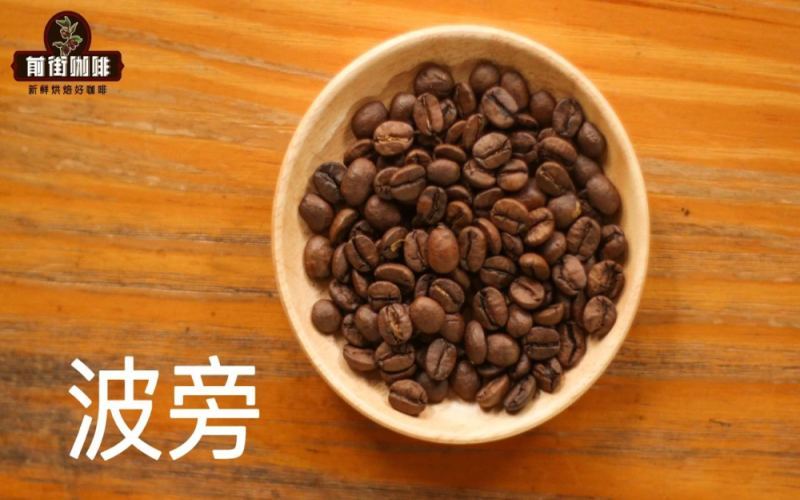
A Detailed Guide to Brazil's Bourbon Family Coffee Varieties: Flavor Characteristics of Red Bourbon and Yellow Bourbon, and Front Street Coffee's Specialty Bean Recommendations
Bourbon is a classic, long-standing variety of Arabica coffee, originating from a natural mutation of Typica. After being introduced to Brazil in the 19th century, it quickly became the mainstay of cultivation in Central and South America. In Brazil, over seventy percent of Arabica coffee belongs to the Bourbon family, among which Red Bourbon, Yellow Bourbon, Caturra, and Catuai are the most common. Through cupping comparisons, Front Street Coffee has found that Red Bourbon has a smooth mouthfeel and pronounced sweetness, Yellow Bourbon has soft, bright, and refreshing acidity, Caturra is clean and sweet, and Catuai has mild acidity with rich fruity notes. Currently, Front Street offers two Brazilian specialty beans—Cerrado Red Bourbon and Queen's Farm Yellow Bourbon—both medium-dark roasted, presenting regional flavors of nuts, caramel, and low-acid, full-bodied richness. This article will systematically outline the origins, characteristics, and Front Street brewing recommendations for these varieties. [more…]
Front Street Coffee Panama Firestone Estate Honey-Processed Catuai Flavor Analysis and Pour-Over Parameters Explained in Detail
The honey-processed Catuai from Panama's Fuego Estate is one of Front Street's most distinctive single-origin beans. It comes from the Solo Fuego producing region and is medium-roasted. In cupping it shows a complex profile of lemon, orange, cranberry and green tea, with rich fruit acidity, prominent sweetness, an even and smooth body, and a long, lingering finish accompanied by gentle floral notes. Catuai itself is a cross between Caturra and Mundo Novo, with a short stature, resistance to wind and rain, and firm fruit, and is widely planted in Central America. This article will outline the producing region background and variety characteristics of this bean, and provide Front Street's specific pour-over parameters, including coffee dose, grind size, water temperature, pouring rhythm and extraction time, for coffee lovers to reference and replicate. [more…]
Panama Finca La Mula Single-Origin Coffee Beans: Historical Origins, Terroir, and the Cultural Story of the Catuai Variety
Panama, as an important origin of specialty coffee globally, has many renowned estates in its western region near Costa Rica and the Pacific Ocean. The Boquete production area in Chiriquí Province is the most famous, while Volcán, Candela, and other places also produce high-quality coffee beans. This article begins with the geographical distribution and historical culture of Panamanian coffee, combines the cupping performance and brewing parameters of Front Street Coffee's Fuego Estate Honey-Processed Catuai, and outlines the hybrid origin and cultivation characteristics of the Catuai variety, taking you behind the story of Front Street Coffee's Panama Fuego Estate single-origin beans. [more…]
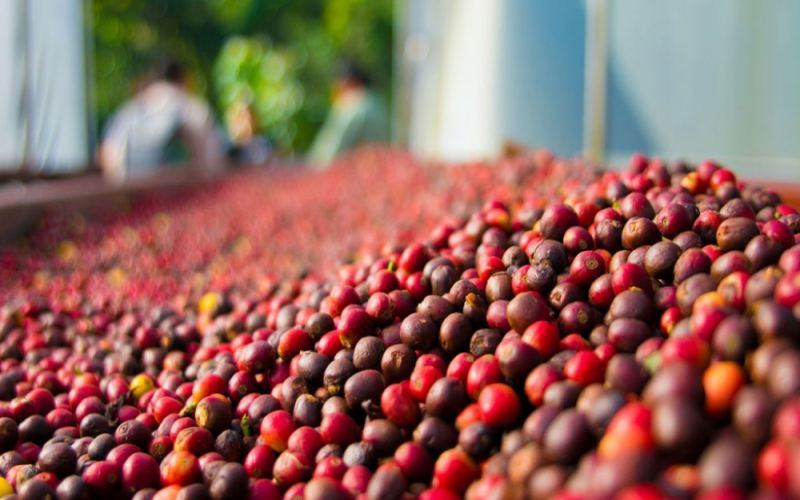
Panama Hartmann Estate Wine Process Coffee: Fermentation Craft Analysis, Catuai Variety, and Brewing Flavor
Is red wine processed coffee made by soaking the beans in red wine? Does it contain alcohol? These are common questions among many coffee lovers. In fact, this processing method borrows the fermentation logic of wine-making, rather than directly soaking coffee beans in red wine. In this article, Front Street Coffee takes you deep into the red wine processed Catuai coffee beans from Hartmann Estate in the Volcan region of Panama: from the estate's background and the variety's origins, to the specific controlled fermentation process and flavor performance. We also share Front Street's roasting curve, cupping results, and V60 staged pouring parameters to help you understand what makes this bean so unique. [more…]
Panama Firestone Estate Coffee Flavor Analysis: Catuai Variety Characteristics and Front Street Pour-Over Parameters
Panama, as a specialty coffee-producing country, is renowned for the coffee grown in the Boquete region of Chiriquí Province in its west. The honey-processed Catuai from Finca El Fuego, with its complex flavors of lemon, orange, cranberry, and green tea, along with soft floral notes and a lingering sweet finish, has become a favorite among many coffee lovers. This article will guide you through the origins and characteristics of the Catuai variety, outline Panama's main coffee-producing regions, and share Front Street Coffee's pour-over brewing recipe for this bean, covering grind size, water temperature, and pouring rhythm step by step, helping you recreate a clean and smooth Panamanian flavor at home. [more…]
The Origin of Panama Finca El Fuego Coffee and an Analysis of Panama's Coffee Grading System
How did coffee from Panama's Fuego y Piedra estate enter the specialty coffee world? And what is the background of its Catuai variety? Meanwhile, what are the grading standards for Panamanian coffee beans? This article will focus on Fuego y Piedra Estate's honey-processed Catuai, covering everything from the variety's origins, terroir, and cupping performance to brewing parameters, and will also outline Panama's coffee-growing regions and grading system, giving you a complete picture of this bean. The article also includes recommendations and product information from Front Street Coffee, making it suitable for coffee enthusiasts to read in depth. [more…]
Caturra vs. Catuai Coffee Beans: A Full Analysis of Variety Origins, Cultivation Characteristics, and Flavor Performance
Caturra and Catuai are both coffee varieties that attract a lot of attention in the coffee world. The former originated from a single-gene mutation of Bourbon, while the latter is a hybrid descendant of Mundo Novo and Caturra. The two have their own strengths in plant morphology, resistance to wind and rain, altitude adaptability, and cup flavor. Caturra has bright acidity and prominent sweetness, but is slightly inferior in body and cleanliness; Catuai inherits the advantages of being dwarf and wind-resistant, with stable yields, but unfortunately its flavor layers are slightly one-dimensional. Front Street Coffee has always been committed to sharing coffee knowledge. This article will take you through the differences and respective advantages of this pair of "brothers from the same family," from variety origins and cultivation characteristics to flavor performance. [more…]