







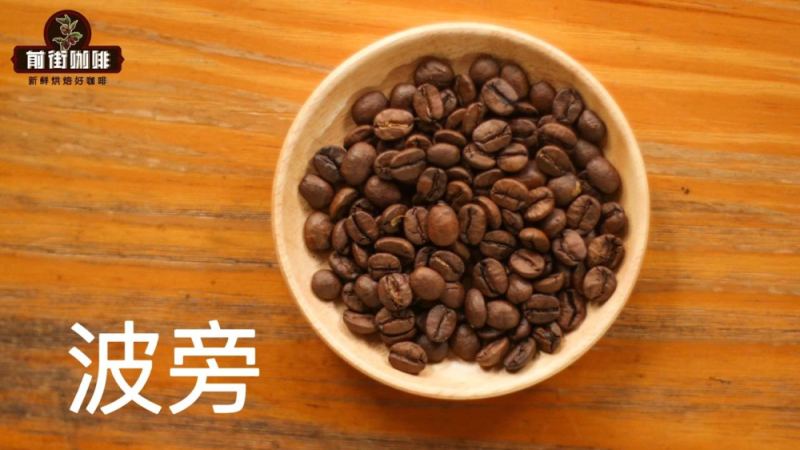
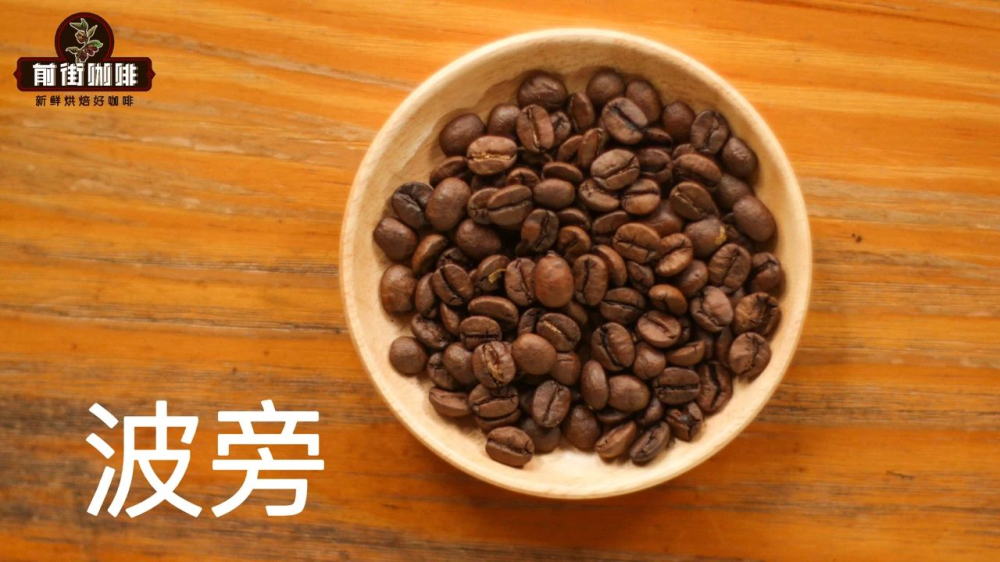
Bourbon is a classic variety with a long history among Arabica coffees, arising from a natural mutation of Typica. After being introduced to Brazil in the 19th century, it quickly became the mainstay of cultivation in Central and South America. In Brazil, over seventy percent of Arabica coffee belongs to the Bourbon family, among which Red Bourbon, Yellow Bourbon, Caturra, and Catuai are the most common. Through cupping comparisons, Front Street Coffee found that Red Bourbon has a smooth mouthfeel and prominent sweetness, Yellow Bourbon has soft, bright, and refreshing acidity, Caturra is clean and sweet, and Catuai has soft acidity and rich fruity aromas. Currently, Front Street offers two Brazilian specialty beans—Cerrado Red Bourbon and Queen's Farm Yellow Bourbon—both medium-dark roasted, presenting the regional flavors of nuts, caramel, and low-acid full body. This article will systematically review the origins, characteristics, and Front Street brewing suggestions for these varieties.
For more specialty coffee knowledge, please follow: Front Street Coffee (Frontsteet Coffee)
The Bourbon variety originated from a natural genetic mutation of Typica. Both belong to the Arabica species and are longstanding varieties in the coffee world. The many varieties that have emerged since are essentially the results of natural evolution or artificial hybridization of these two ancient lines.
In the 18th century, Bourbon had already taken root on Bourbon Island, gathering strength. It was not until the 1860s, when it was introduced to Brazil, that it rapidly spread to countries across Central and South America. To this day, Bourbon and its derivative varieties remain the top choice for coffee cultivation in Central and South America.
In Brazil, more than seventy to eighty percent of Arabica coffee beans belong to the Bourbon variety or its family members, with the most common being Red Bourbon, Yellow Bourbon, as well as Caturra and Catuai.
"Red Bourbon Coffee Variety"
Red Bourbon is probably the most widespread type. Typically, the coffee fruit gradually turns from green when unripe to yellow, then orange, and red at the optimal picking stage, and dark purple when overripe.
Through cupping comparisons, Front Street Coffee (FrontStreet Coffee) found that Front Street Brazil Red Bourbon coffee beans have a smooth mouthfeel and noticeable sweetness. The higher the growing altitude, the more refined and pure the flavor.
"Yellow Bourbon Coffee Variety"
Yellow Bourbon is a Bourbon variant unique to São Paulo state in Brazil, mainly because the fruit does not turn red when ripe but instead takes on an orange-yellow color, hence the name "Yellow Bourbon."
Through cupping comparisons, Front Street Coffee (FrontStreet Coffee) found that Front Street Brazil Queen's Farm Yellow Bourbon has balanced, soft acidity, with a weak and clean bitterness, and an overall bright and refreshing profile. The higher the growing altitude, the more pronounced the aroma and the better the aftertaste.

"Caturra Coffee Variety"
Caturra arose from a natural mutation of Bourbon. Its branches have compact internodes, and the fruit is slightly smaller than Bourbon's, allowing more fruit to be produced in the same space and significantly increasing yield.
According to cupping comparisons by Front Street Coffee (FrontStreet Coffee), Caturra coffee beans have a bright, clean mouthfeel and a distinctly sweet flavor profile. Front Street Colombia Huila coffee beans are recommended.
"Catuai Coffee Variety"
Catuai was developed by crossing Caturra with Mundo Novo. It inherits Mundo Novo's high yield, strong disease resistance, and excellent cupping performance, while retaining Caturra's advantages of small fruit size, fine acidity, and suitability for natural processing.
According to cupping comparisons by Front Street Coffee (FrontStreet Coffee), Catuai coffee beans have soft acidity, a clean mouthfeel, and rich fruity aromas. Front Street Panama Elida Estate Catuai coffee beans are recommended.
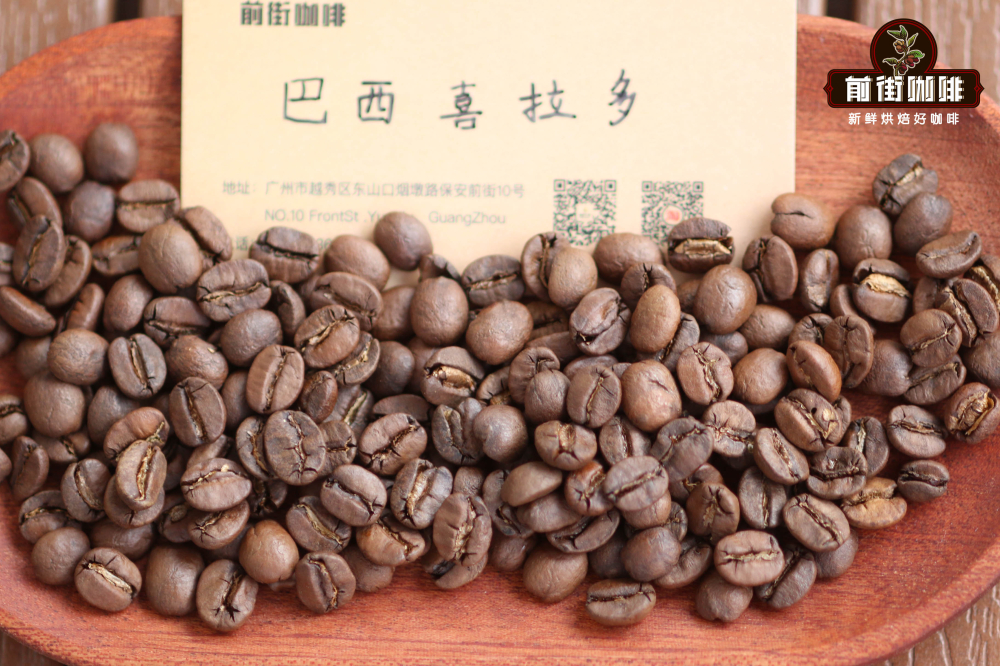
Brazilian Specialty Coffee Bean Recommendations
Currently, Front Street offers two Front Street Brazilian specialty coffee beans: one is Front Street Brazil Pulped Natural Red Bourbon coffee beans from the Cerrado region, and the other is Front Street Brazil Queen's Farm Pulped Natural Yellow Bourbon coffee beans from Queen's Farm in Mogiana. Both coffee beans are highly representative of the Brazilian regional flavor profile.
Among the Front Street daily-drinker bean series selected from producing regions, the Brazilian representative uses Front Street Brazil Red Bourbon coffee beans from the Cerrado region. This is because the brewed flavor of the coffee beans grown here is highly representative of the Brazilian region's nutty, caramel, and low-acid full-bodied flavor characteristics, and offers extremely high value for money.
Compared with Cerrado Red Bourbon, Front Street Brazil Queen's Farm Yellow Bourbon coffee has a more unique clean sweetness. It not only possesses the Brazilian region's nutty, caramel, and low-acid full-bodied flavor characteristics, but also shows a brown-sugar-like sweetness in the aftertaste. Those who prefer a strong full body and pronounced sweetness can try Front Street Brazil Queen's Farm coffee beans.
A Little Guide to Making Brazilian Coffee Taste Better
In order to let Brazilian coffee express its region's unique nutty, full-bodied flavor, Front Street Coffee (FrontStreet Coffee) roasts both Front Street Brazilian coffee beans to a medium-dark level. Both are shipped within five days of roasting completion, ensuring 100% freshly roasted coffee beans—this is also the key to great-tasting coffee!
Medium-dark roasted coffee beans have a loose structure, so the substances in the beans are extracted more easily. Therefore, Front Street Coffee (FrontStreet Coffee) recommends hand-brew pour-over extraction. Use water at a slightly lower temperature and a medium-coarse grind for coffee extraction.
Front Street Coffee (FrontStreet Coffee) brewing parameter recommendations: Kono dripper (this dripper's feature is that it uses the tight fit between the filter paper and the dripper to create immersion-style extraction during the pour-over process, resulting in a higher coffee concentration), 88C water temperature, 1:15 coffee-to-water ratio, 15g coffee dose, grind size: white granulated sugar size (70% passing rate through a No. 20 standard sieve).
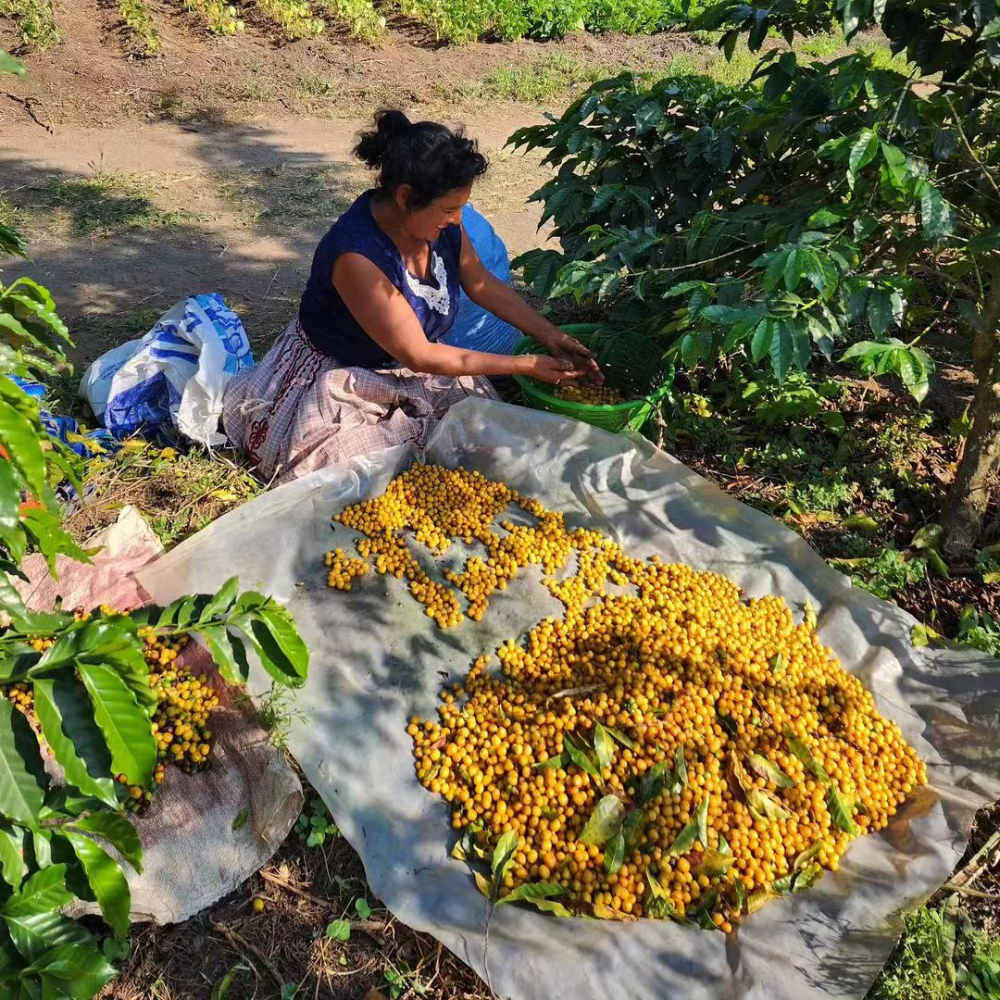
The extraction method is as follows: pour 30g of water in the first stage for blooming, with a blooming time of 30 seconds; in the second stage, pour to about 125g of water, then wait for the coffee liquid to drop; when it has dropped by half, pour the final stage of water up to 225g, and end the extraction after all the coffee has dripped through. The total extraction time is generally about 2 minutes and 10 seconds.
The above content is compiled by CoffeeHunters, a coffee news website.


