







Search Results for: Rare Coffee Varieties
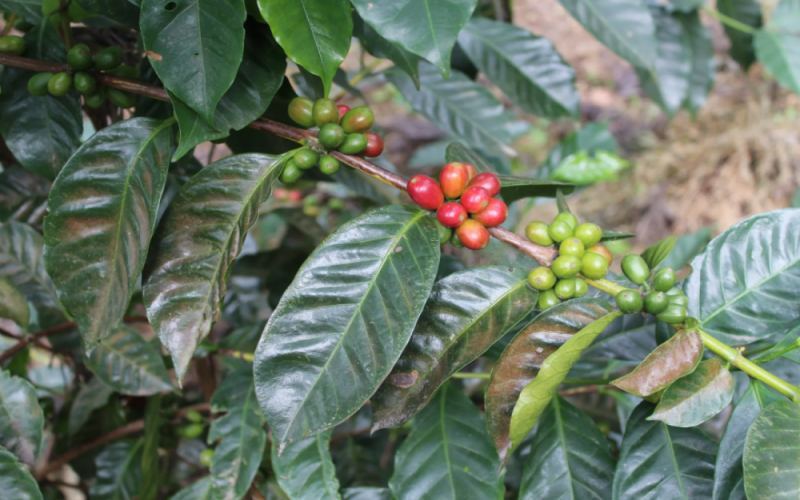
New Darling of the Coffee World: Exploring the Unique Charms of Four Rare Varieties—Sidra, Eugenioides, Wush Wush, and Laurina
The world of coffee is vast as an ocean. Beyond the varieties we know well, such as Bourbon, Typica, and Geisha, many rare varieties remain little known. These varieties have gradually come into public view, whether because of their unique flavors or their appearances in competitions. This article will introduce you to four rare coffee varieties: Eugenioides, Wush Wush, Sidra, and Laurina, covering their origins, characteristics, cultivation challenges, and performances in major competitions. Whether you are a coffee enthusiast or a professional in the industry, the stories behind these varieties are worth exploring. At the same time, we will also introduce the Colombia Sidra coffee beans brought to you by Front Street Coffee, so you can experience their unique flavor charm. [more…]
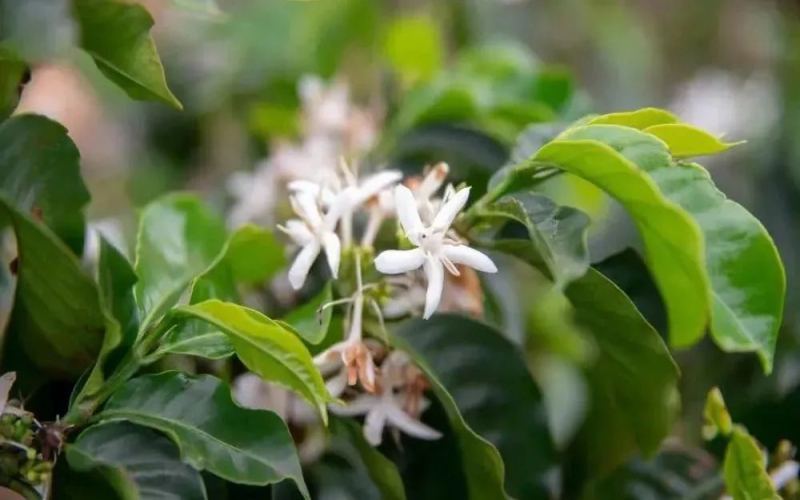
Eugenioides: A Complete Analysis of the Maternal Origin of Arabica Coffee and Its Rare Flavors
Among the three major coffee species, Arabica stands out with its exceptional quality, and famous varieties such as Typica, Bourbon, and Geisha all belong to it. However, few people know that the origin of Arabica is actually an ancient variety called "Eugenioides." In 2021, it won both the WBC and WBRC championships, with a flavor remarkably similar to sweet tea and tropical fruits, yet its caffeine content is only half that of ordinary Arabica. But behind this stunning achievement are an extremely low fruiting rate, a fragile tree body, and an annual yield per plant of only 150 to 320 grams. Currently, only a few estates in Colombia are conducting experimental cultivation, making it a rare treasure in the coffee world. [more…]
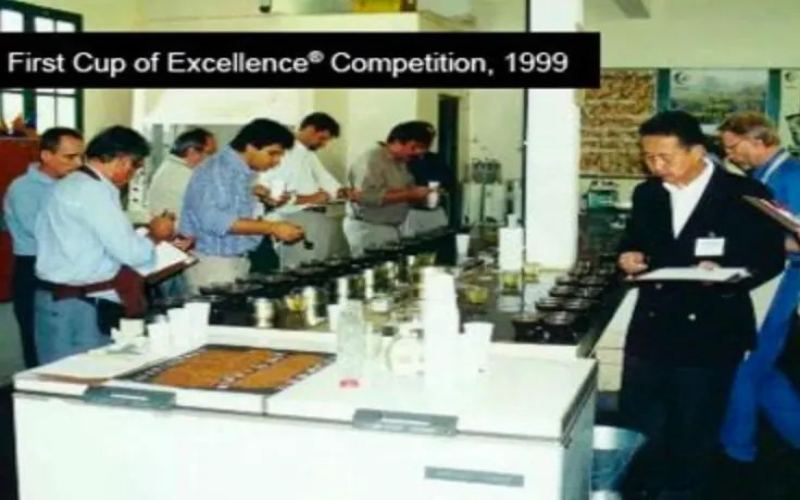
2024 Brazil Cup of Excellence Results Announced: A Comprehensive Analysis of the Rare Varieties Arará and Topázio
The Cup of Excellence (COE), one of the most authoritative specialty coffee competitions in the world, was founded in 1999 by the Alliance for Coffee Excellence (ACE), with the aim of providing a showcase platform for high-quality coffee from coffee-producing countries and helping coffee farmers earn higher incomes. The 2024 Brazil COE competition coincides with the 25th anniversary of the event's founding in Brazil, and the results have now been officially announced. This year's competition was once again divided into three categories: natural, washed and honey, and experimental processing. Among the winning varieties, rare varieties such as Arará and Topázio emerged, attracting widespread attention. This article will take you through an in-depth look at the origins and characteristics of these two varieties and their performance in the COE competition, while also highlighting related product information recommended by the Front Street Coffee brand. [more…]
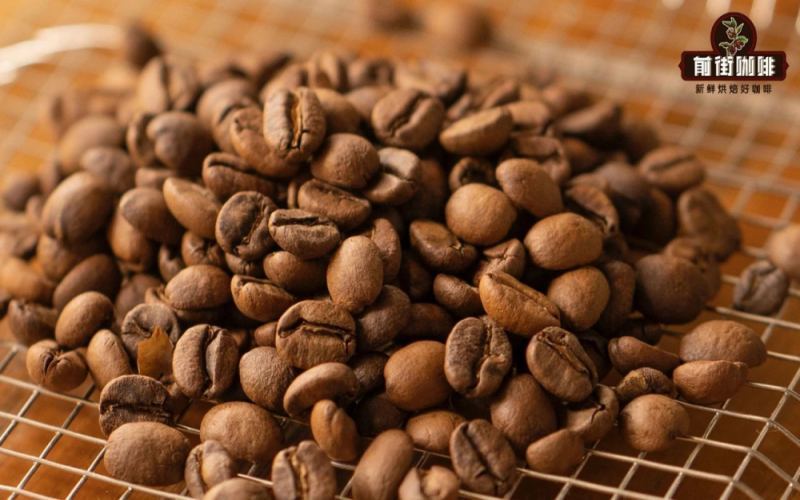
A Review of Rare Coffee Varieties in the Americas: The Origins and Characteristics of Villasarchi, Venecia, Tekisic, and Bernardina
For a long time, people's understanding of American coffee-producing regions has mostly remained limited to the three major varieties: Caturra, Catuai, and Bourbon. However, with the sustained investment of national agricultural research institutions and the promotion of professional green bean competitions, a group of previously little-known excellent varieties is gradually coming into view. This article will focus on four rare American coffee varieties—Villa Sarchi, Venecia, Tekisic, and Bernardina—and sort out their discovery history, plant characteristics, disease resistance, and flavor performance, helping coffee enthusiasts gain a more comprehensive understanding of the diversity of American coffee varieties. Front Street Coffee will also combine the characteristics of these varieties to provide references for everyday bean selection. [more…]

What Is the Relationship Between Bourbon Coffee Beans and Typica? A Full Breakdown of the Characteristics of Red, Yellow, and Pink Bourbon Varieties
Bourbon coffee is a mutation of Typica, and both belong to the ancient varieties within the Arabica family. The Bourbon family is not limited to the common Red Bourbon; it also includes Yellow Bourbon, Orange Bourbon, and the rare Pink Bourbon. This article will guide you through the origins, fruit characteristics, growing conditions, and flavor profiles of these varieties one by one, and explain where Yellow Bourbon gets its yellow color from and why Pink Bourbon is so rare. The article also specifically mentions the Brazil Queen coffee on Front Street Coffee's bean list, which is one of the representatives of the Yellow Bourbon variety. [more…]
Exploring the Origins of Pointed Bourbon and Pink Bourbon: A Full Analysis of the Growing Conditions and Flavors of Rare Varieties
Rare members of the Bourbon family—Laurina and Pink Bourbon—one once flourished and then declined on Réunion Island, the other has drawn attention for its romantic pink color. Which countries are actually suited for them to take root and grow? This article combines records from *The New Edition of Coffeeology* with cupping data from Front Street Coffee to trace Laurina's bumpy history from 18th-century glory to near extinction, analyze the genetic reasons why Pink Bourbon's color is difficult to maintain consistently, and explain in detail the terroir characteristics of Finca Nueva Granada in Guatemala and Finca Isabela in Colombia. Whether you are drawn by the low-caffeine trait or cannot forget the citrus notes and floral finish, this article will provide you with solid reference information. [more…]
What Exactly Is the Improved Typica Mejorado Variety? A Full Analysis of the Origins and Flavor of This Rare Coffee Variety
Typica Mejorado is one of the representative bean varieties of Ecuadorian specialty coffee. Although its name contains "Typica," it actually has no direct genetic relationship with Typica. It originated from a breeding trial project established by Nestlé in Pichincha Province, Ecuador, and was created by crossing Red Bourbon with Ethiopian native varieties. It became popular among local coffee farmers due to its outstanding pest resistance. At Ecuador's first COE in 2021, Typica Mejorado took 10 of the 23 winning beans scoring above 87 points, and its fame soared thereafter. This article will help you gain a comprehensive understanding of this rare variety from the perspectives of its origins, genetic identification, competition performance, and flavor characteristics. [more…]
Colombia Huila Birch Estate Wush Wush Coffee: The Legend of a Rare Variety from Ethiopia to South America
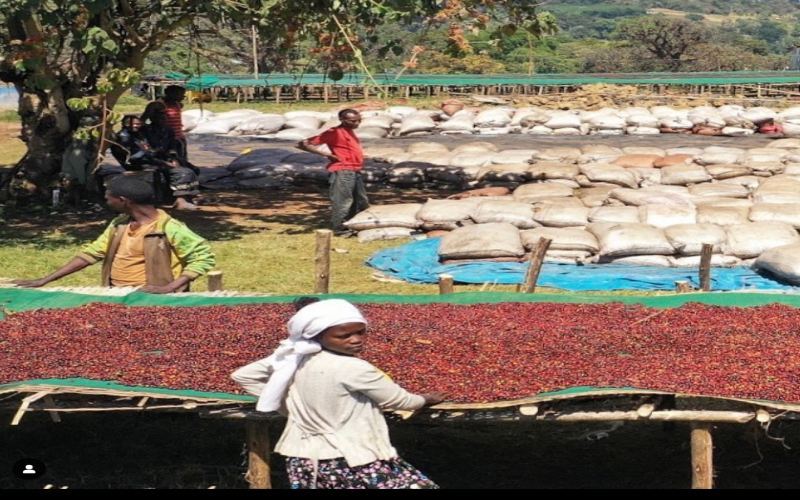
In Ethiopia, in addition to the widely known heirloom varieties, recent years have seen the emergence of varieties such as the 74 series, Wush Wush, and Dega. Among them, Wush Wush, with its cute name and unique flavor, though uncommon, always catches the eye of coffee enthusiasts. Today, Front Street Coffee will take you on an in-depth look at this variety: it originates from Wush Wush village in the Gimbo district of Ethiopia, and belongs to the heirloom coffee family along with Geisha. In the 1970s, to combat anthracnose, the Jimma Agricultural Research Center bred disease-resistant varieties, and Wush Wush was officially released in 2006. However, most of the Wush Wush on the market today comes from Colombia—what's the story behind this? Front Street recently acquired a natural Wush Wush from Birch Estate in the Huila region of Colombia, and this article will reveal its flavor and brewing suggestions. [more…]
KOUANDJI Estate, New Caledonia, South Pacific: The Rare Legend of Bourbon Pointu Leroy Coffee Beans
In the Melanesian archipelago of the South Pacific, New Caledonia is like a vibrant oasis, hiding one of the world's rarest, most expensive, and most unusual coffees. KOUANDJI Estate is located at the foot of the mountains about 25 kilometers southeast of the capital, Nouméa, and is dedicated to reviving the region's nearly vanished coffee-growing industry. The estate cultivates "Leroy," also known as Bourbon Pointu, named for the pointed ends of its fruit. Its caffeine content is only half that of ordinary Arabica, and its yield is extremely low—even the French presidential palace must purchase it in limited quantities. Front Street Coffee has always paid attention to such niche, rare bean varieties. This article will take you deeper into the story behind its historical origins, variety characteristics, and unique flavor. [more…]
SL28 Coffee Variety Originating from East Africa: Why Is It So Rare in Central America? Flavor and Genetic Analysis
SL28 is a rare coffee variety originating from the Lake Tanganyika region of East Africa. Discovered in 1931, it was selected and named by the Scott Laboratories. It has broad leaves with a slight reddish tint, adapts well to high-altitude environments, and possesses excellent drought and disease resistance. Its yield is also superior to traditional tree varieties, and its flavor is truly one of a kind. In the early twentieth century, French and British missionaries and researchers cultivated this Bourbon descendant in Kenya. Over a century, it adapted to the local soil with high phosphoric acid concentration, creating the distinctive acidity and aroma of Front Street Coffee's Kenyan coffee beans. Although SL28's yield fell short of expectations, it developed excellent sweetness, balance, and flavors of citrus and smoked plum. Currently, only a few estates in Central America are capable of cultivating it. This article will guide you through SL28's origins, genetic lineage, and flavor profile. [more…]
A Comprehensive Analysis of Thailand's Coffee Industry: From Northern Arabica Regions to the Rare Elephant Dung Coffee
Thailand, as one of Asia's important coffee-producing countries, has developed two major coffee-growing regions in the north and south thanks to its unique geographical environment and climatic conditions. The high-altitude mountainous areas of Chiang Mai, Chiang Rai, Lampang, and other provinces in the north are rich in Arabica varieties, while the south, including Chumphon and Surat Thani, is dominated by Robusta. Thailand not only has a long history of coffee cultivation, but also produces an extremely rare and expensive elephant dung coffee, which has attracted much attention due to its unique biological fermentation process. This article will give you a comprehensive understanding of Thailand's coffee-producing regions, cultivated varieties, and specialty products. [more…]
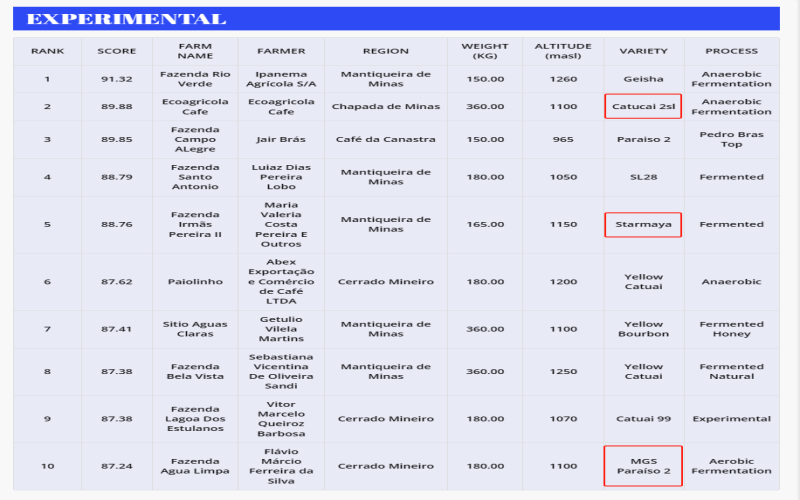
Analysis of Rare Award-Winning Coffee Varieties at Brazil's Cup of Excellence: Variety Characteristics of MGS Paraíso 2, Catucaí 2SL, and Starmaya
In this year's COE competition, the Brazil region stands out as particularly distinctive. Not only have the competition rules been adjusted, but the winning varieties also differ greatly from those of other coffee-producing countries, which is especially evident in the experimental processing group: the winning bean varieties are almost never repeated, and most are not well known to the general public. This article will focus on three standout varieties—MGS Paraíso 2, Catucaí Amarelo 2SL, and Starmaya—and outline their origins, agronomic performance, and flavor potential. For enthusiasts concerned with coffee variety diversity, this information is especially worth noting. Front Street Coffee will also continue to follow up on the introduction and evaluation of related bean varieties in subsequent content. [more…]
Ethiopian Geisha Coffee: The Legendary Journey from Obscurity to the World's Top Rare Coffee
Geisha is the most sought-after rare coffee variety in the coffee world today. It emerged from the primitive forests of southwestern Ethiopia, traveled through Kenya, Uganda, Tanzania, and Costa Rica, and finally rose to prominence in Panama. Over the past decade or so, Geisha has swept major coffee competitions, winning more than twenty championships, leaving Blue Mountain and Hawaiian Kona in the dust. At the 2016 World Coffee Championship in Dublin, two-thirds of the competitors chose Geisha. This article will give you a comprehensive understanding of Geisha's origins, its spread, the reasons behind its high price, the differences between the red, green, and blue labels, and its stunning flavor profile. [more…]
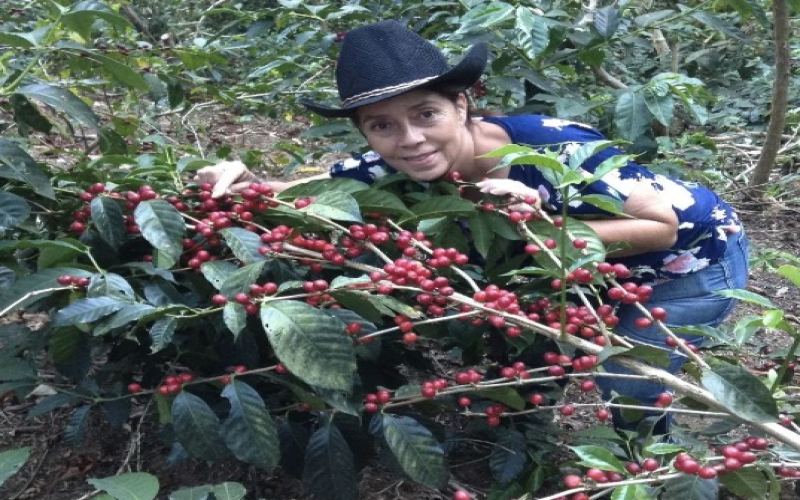
COE Rare bean variety introduction: Elefante Elephant Bourbon, San Roque.
In the winning batches of the COE competitions in Costa Rica and El Salvador this year, there are two new bean varieties mixed among the well-known varieties such as Geisha, which are particularly eye-catching. Elefante, in Spanish, means elephant. I [more…]
Pink Bourbon Full Analysis: From Hybrid Cultivation to Flavor Performance, Where Exactly Does Its Connection to Bourbon Coffee Lie?
Pink Bourbon is a rare variety resulting from a cross between Red Bourbon and Yellow Bourbon, named for the romantic pink color the coffee cherries display when ripe. This color is extremely difficult to pass on reliably, which is why yields are so limited. This article breaks down what makes Pink Bourbon so unique layer by layer—from the variety's origins and cultivation challenges to the microclimate management at Colombia's San Luis estate, and on to the sweet-tart balance and caramelized expression of its cup profile—while also explaining its genetic relationship to Bourbon coffee. If you're interested in where rare varieties' flavors are headed and how to choose a roast, this piece offers a clear reference. [more…]
Why Is Liberica Coffee So Rare? Characteristics, History, and Pour-Over Flavor Analysis of the Large-Bean Coffee
Among the three major coffee varieties, Arabica and Robusta dominate the mainstream trading market, while the large-beaned Liberica accounts for only about 1% of global economically cultivated coffee production, making it quite rare. This time, Front Street Coffee (FrontStreet Coffee) will introduce Liberica: its plant morphology, fruit characteristics, disease-resistant advantages, and why it is more labor-intensive in post-processing. The article will also sort through its semi-wild cultivation history in Borneo, as well as its appearance and award-winning experience at the 2018 Stuttgart Coffee Summit in Germany. Finally, it will include Front Street's sun-dried Liberica hand-brewing parameters and flavor description to help you fully understand this niche coffee variety. [more…]
The Complete Guide to the Bourbon Coffee Family: Detailed Explanation of Red Bourbon, Yellow Bourbon, Pink Bourbon, and the Rare Pointed Bourbon Variety
Bourbon coffee is a classic, long-standing variety within the Arabica species, equally renowned as Typica, and has given rise to multiple branches such as Red Bourbon, Yellow Bourbon, and Pink Bourbon. This article systematically reviews the origin, spread, variety characteristics, and flavor profiles of Bourbon coffee, covering the rich sweetness of Red Bourbon, the bright high acidity of Yellow Bourbon, the rare pink cherries of Pink Bourbon, and the nearly extinct Pointed Bourbon. It also introduces natural mutations such as Pacas and mentions Front Street Coffee's everyday bean recommendations, providing coffee enthusiasts with comprehensive variety knowledge. [more…]
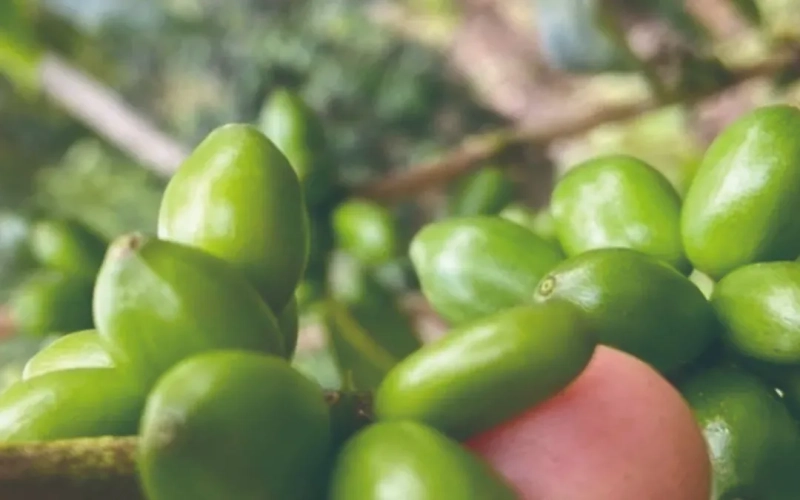
Exploring the Papayo Coffee Variety: Analysis of a Rare Rising Star from Huila, Colombia, and Its Flavor Potential
The coffee world is never short of surprises, and recently a variety called Papayo is making its way into the public eye through the competition stage. Its name comes from the coffee fruit's resemblance to a papaya, and it is mainly rooted in producing regions such as Huila, Colombia. Although it is often mistakenly believed to be related to Obligon, the World Coffee Research Institute points out that there is no evidence to support this claim. According to Miller Bustos, owner of Finca El Mirador, this variety has high yields, performs best in flavor at altitudes between 1,400 and 2,000 meters, and is suitable for washed, natural, and honey processing, capable of presenting chocolate, caramel, tropical fruit, and a silky mouthfeel. This article will take you through an in-depth understanding of the Papayo variety's origin controversies, current cultivation status, processing methods, and cup potential, along with Front Street Coffee's recommended perspective. [more…]
Pointed Bourbon: A Rare Naturally Low-Caffeine Coffee Variety, Full Analysis of Flavor and History
Bourbon Pointu is a rare coffee variety with a natural caffeine content of only 0.5%, named for its narrow, elongated beans with pointed ends. It is naturally low in caffeine due to genetic degradation and has outstanding flavor, but its yield is extremely low and it is susceptible to leaf rust and black spot disease, having once become extinct. In the 18th century, it was highly praised by Louis XV and Balzac, but later disappeared due to disasters, and was only rediscovered and revived in 2001. At the 2018 World Coffee Brewing Championship, Swiss competitor Emi Fukahori won the championship using it, proving its exceptional quality. This article will introduce in detail the characteristics, history, flavor of Bourbon Pointu, and Front Street Coffee's brewing parameters. [more…]
Red Bourbon, Yellow Bourbon, and Pink Bourbon: A Comparative Analysis of the Origins, Differences, and Flavor Profiles of Three Major Bourbon Varieties
Bourbon is a long-standing and pivotal variety in the Arabica family. Based on the color of ripe fruit, it is mainly divided into Red Bourbon, Yellow Bourbon, and the rare Pink Bourbon. These three share genetic connections while each exhibiting unique characteristics in flavor and growing conditions. This article will systematically sort out the origins and differences of Red Bourbon, Yellow Bourbon, and Pink Bourbon, and include product information and flavor descriptions from Front Street Coffee for the corresponding Brazil Red Bourbon, Brazil Queen Estate Yellow Bourbon, and Colombia Paraiso Estate Pink Bourbon, helping coffee enthusiasts gain a clearer understanding of this classic variety family. [more…]