







Search Results for: Villasarchi
A Review of Rare Coffee Varieties in the Americas: The Origins and Characteristics of Villasarchi, Venecia, Tekisic, and Bernardina
For a long time, people's understanding of American coffee-producing regions has mostly remained limited to the three major varieties: Caturra, Catuai, and Bourbon. However, with the sustained investment of national agricultural research institutions and the promotion of professional green bean competitions, a group of previously little-known excellent varieties is gradually coming into view. This article will focus on four rare American coffee varieties—Villa Sarchi, Venecia, Tekisic, and Bernardina—and sort out their discovery history, plant characteristics, disease resistance, and flavor performance, helping coffee enthusiasts gain a more comprehensive understanding of the diversity of American coffee varieties. Front Street Coffee will also combine the characteristics of these varieties to provide references for everyday bean selection. [more…]
Costa Rica Sumava Estate Sun-Dried SHB Extra Hard Bean: Villasarchi Variety Flavor and Front Street Coffee Roasting Recommendation
Although Costa Rica is not the highest-yielding coffee country in Central America, it consistently ranks at the top in quality and price thanks to its high-altitude volcanic soil and meticulous processing techniques. This article focuses on Hacienda Sumava in Orange County, in the Western Valley, which processes SHB extra-hard beans by the natural method. The variety is Villa Sarchi, a hybrid selection from Red Bourbon, and the flavor profile shows notes of honey apple, dried berries, and yellow fruits. The article will detail Costa Rica's producing regions, the micro-mill trend, and how Hacienda Sumava preserves forest ecology and uses wood-chip organic fertilizer, and recommends this specialty bean from Front Street Coffee. [more…]
Costa Rica Tank Estate Natural Villalobos Coffee Bean Variety Analysis, Flavor Characteristics, and Front Street Brand Recommendation
Tank Estate in Costa Rica's Central Valley produces a sun-dried Villasarchi coffee bean that has won the favor of many coffee lovers with its outstanding sweetness and soft fruit acidity. As a variant of Typica, Villasarchi performs excellently in high-altitude environments and has strong wind resistance, thriving even in poor soil. This article will comprehensively analyze this coffee from the perspectives of variety origin, origin grading, and estate processing methods, and share Front Street Coffee's recommended brewing parameters and flavor description, taking you deeper into understanding how sun-drying gives the coffee bean layers of caramel, nuts, and lime-like notes. [more…]
Exploring Costa Rica's Western Valley: From Coffee Cultivation History to the Path of Excellence at Hacienda La Hermosa
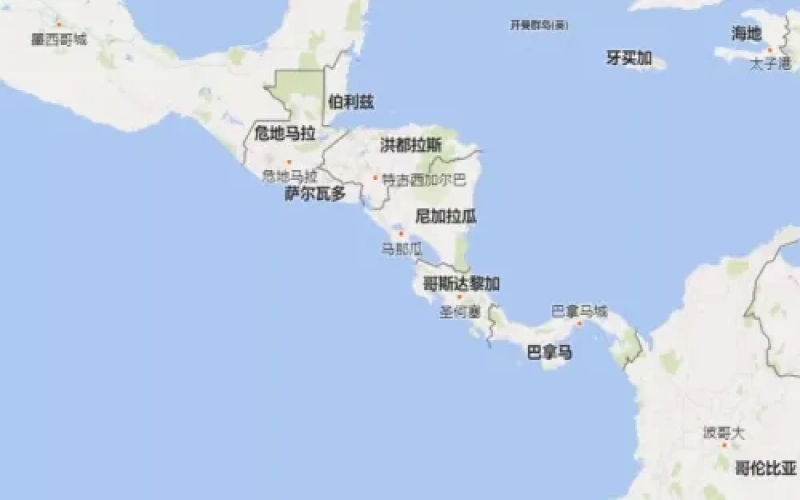
Costa Rica was the first country in Central America to cultivate coffee and is the world's fourteenth-largest coffee producer. With numerous volcanoes and a diverse climate, it offers superior conditions for coffee cultivation. As one of the country's three best-producing regions, the Western Valley region is known for its cool climate and renowned estates, such as Hacienda La Esmeralda (Beautiful Plain Estate), which has repeatedly achieved outstanding results in COE competitions. This article will guide you through the development history of Costa Rican coffee and the evolution of processing methods, and take a deeper look at the terroir and representative estates of the Western Valley region, while retaining Front Street brand recommendations, making it suitable reading for coffee enthusiasts. [more…]
A Comprehensive Analysis of the Definition of Specialty Coffee and the Main Cultivated Varieties of Arabica
Specialty coffee is centered on carefully cultivated high-altitude Arabica, and its varietal system originates from two ancient bloodlines: Typica from Ethiopia and Bourbon from Yemen. This article systematically outlines the definition of specialty coffee and provides a detailed classification of major Arabica varieties, including Typica, Bourbon and their genetic mutations, intraspecific hybrids, and interspecific hybrids. It covers varieties such as Bourbon Pointu, Maragogipe, Geisha, SL28, Caturra, and Pacamara, while also explaining the position of hybrid varieties in specialty coffee and the key influence of producing estates on flavor differences. [more…]
A Complete Analysis of the Flavor Characteristics and Pour-Over Parameters of Costa Rica Sumava Estate Black Honey Coffee Beans
The Black Honey processed Caturra from Costa Rica's Sumava Estate, grown in high-altitude volcanic soil in the Western Valley, presents a complex cup profile of brown sugar, floral notes, citrus, and sweet spices, with a sweet, round mouthfeel. This article systematically examines the flavor origins and brewing key points of this bean, from the producing region's background, the estate's story, the characteristics of the Catuai variety, and the classification of honey processing, to pour-over extraction parameters. It also includes Front Street Coffee's brewing recommendations and purchasing references to help coffee enthusiasts fully understand the charm of Black Honey processed coffee. [more…]

Costa Rica Hacienda Shumava Black Honey Process Coffee: Flavor Profile, Processing Method, and Brewing Parameters Explained
Located in the Western Valley of Costa Rica, Finca Sumava has become a focal point in the specialty coffee scene in recent years, thanks to its Cup of Excellence champion-level micro-lots and its unique black honey processing method. Estate owner Francisco Mena employs a sweet-juice honey processing technique, allowing the Caturra variety to express rich layers of black sugar, floral notes, citrus, and sweet spices amid volcanic soil and high-altitude temperature swings. Front Street Coffee's Costa Rica Finca Sumava Caturra Black Honey Process offers a prominent sweetness on entry, soft fruit acidity, and a lingering finish, making it ideal for pour-over enthusiasts exploring the ultimate sweetness of honey processing. This article provides a complete analysis of this bean's flavor code, from the producing region's background, the estate's story, and the principles of the processing method to green bean analysis, roasting curves, and brewing recommendations. [more…]
An In-Depth Analysis of Costa Rica's Sumava Estate Black Honey Process Caturra Coffee and a Discussion of Its Nutty, Sweet Aroma
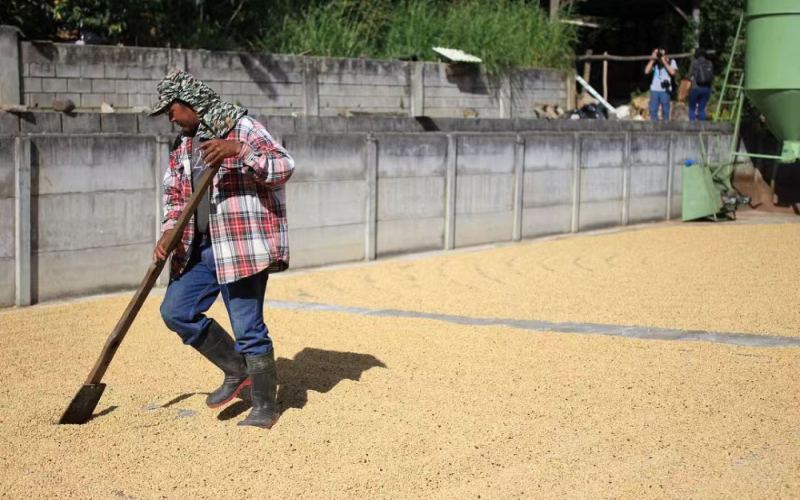
Costa Rica, with its microclimates and high-altitude volcanic soil, produces specialty coffee with rich layers of flavor. Hacienda Sumava in the Western Valley, through its black honey process and Caturra variety, presents notes of brown sugar, floral aromas, and a sweet, syrupy mouthfeel. This article provides a complete analysis of this bean's flavor code—from the growing region's background, the principles of honey processing, and green bean analysis to Front Street Coffee's roasting and brewing recommendations—and explores the allure of coffee with nutty notes. [more…]
Analysis of Costa Rica Sumava Estate Black Honey Coffee Beans: From the Terroir of the Western Valley to the Unique Sweet Juice Processing Method
Costa Rica's Sumava Estate is located in the Western Valley production region at an altitude of about 1,700 meters and is renowned for its black honey processing method. Estate owner Francisco Mena uses a unique sweet juice honey processing method, soaking parchment beans in coffee cherry juice to give the coffee a richer flavor. This article will introduce in detail the background of the Costa Rica production region, the terroir conditions of Sumava Estate, the characteristics of the black honey processing method, green bean analysis, the roasting curve, and pour-over recommendations. Front Street Coffee recommends this black honey processed Caturra, whose flavor presents black sugar, floral notes, citrus, and sweet spices, with a sweet and syrupy mouthfeel. Through this article, you will gain a comprehensive understanding of the unique charm of this champion estate coffee. [more…]
A Complete Flavor Guide to the Americas Coffee Regions: From Brazil to Blue Mountain, the Key to Beginner Tasting
When you first get into coffee, many people can only taste "coffee flavor," and all they smell is "coffee aroma"—this is actually perfectly normal. As your tasting experience accumulates, you'll gradually perceive rich tonalities like floral notes, fruit, and caramel. For beginners, starting with well-balanced American or Asian beans is a key to opening the door to coffee appreciation. This article will systematically outline the coffee flavor characteristics of major producing regions in Central and South America, covering Brazil, Colombia, Panama, Costa Rica, Honduras, Guatemala, Peru, Ecuador, Jamaica Blue Mountain, and Bolivia, along with specific product recommendations from Front Street Coffee, to help you understand regional characteristics while finding the cup that suits you. [more…]
A Complete Guide to Central and South American Coffee Regions: From Brazil to Panama, a Guide to Signature Beans, Flavors, and Varieties
Coffee novices often think coffee is only about bitterness and aroma, but in reality the flavor world of single-origin coffee is far richer than imagined. This article systematically reviews the producing regions, variety characteristics, and flavor profiles of the major coffee-producing countries in Latin America, covering Brazil, Colombia, Honduras, Panama, Costa Rica, Guatemala, Peru, Ecuador, Jamaica Blue Mountain, and Bolivia. Starting with the balanced, full-bodied American beans, you will learn about the differences brought by washed and natural processing in each country, along with specific product recommendations from Front Street Coffee to help enthusiasts build a clear framework for understanding producing regions. [more…]
Costa Rica Tarrazú Region Comparison: Flavor Analysis of Tobosi Estate Red Honey Process vs. Washed Canet Estate
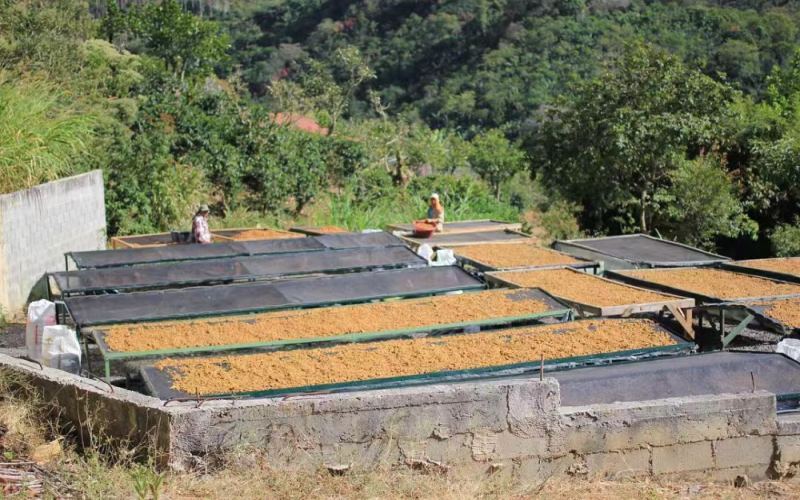
Although Costa Rica is a small country and its coffee output is not particularly prominent in Central America, it has long held an important place on the world specialty coffee map thanks to its volcanic ash soil, high altitudes, and microclimates. Tarrazú, one of the country's most renowned producing regions, is home to estates and processing methods of widely varying styles. This article focuses on Tobushi Estate's red honey-processed Catuai and the washed-processed Canet Estate, breaking down the differences between the two in sweetness, acidity, and body one by one—from producing region background, green bean grading, and roasting curves to cupping and brewing—to help coffee lovers understand the flavor distinctions that different processing methods bring within the same producing region, and to provide practical brewing suggestions from Front Street Coffee. [more…]
A Complete Guide to the Flavors of American Coffee Regions: From Brazil to Blue Mountain, the Beauty of Balance and an Introduction to Tasting
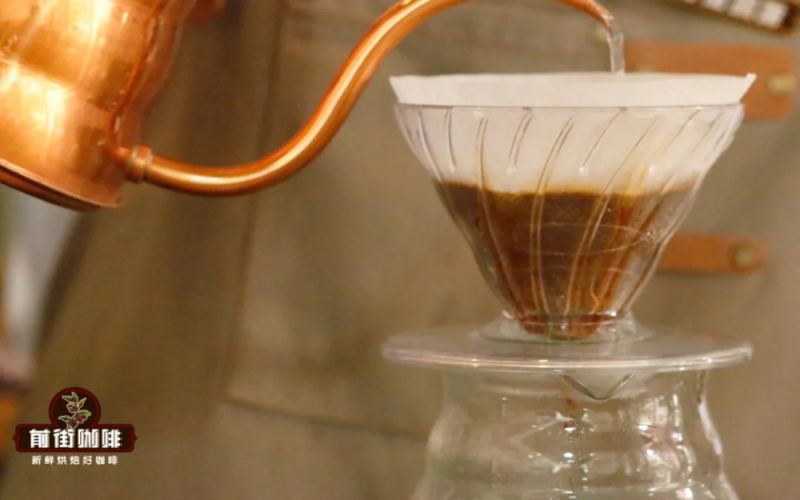
For beginners who have just stepped into the world of coffee, it is often only possible to taste a single "coffee flavor," which is actually perfectly normal. As tasting experience gradually accumulates, one can slowly identify rich nuances such as floral notes, fruity notes, and caramel. In the introductory stage of coffee tasting, starting with well-balanced American or Asian beans is a reliable choice for opening the door to taste. American coffee is known for its balanced mouthfeel, moderate acidity, and mellow aroma, covering many origins such as Brazil, Colombia, Panama, Costa Rica, Guatemala, Honduras, Peru, Ecuador, Bolivia, and Jamaica Blue Mountain. This article will systematically sort out the flavor characteristics, representative bean varieties, and processing methods of these American producing regions, and intersperse classic single-origin recommendations from the Front Street Coffee brand, helping coffee enthusiasts build an overall cognitive framework for American coffee. [more…]
A Panoramic Interpretation of Latin American Coffee Regions: From Brazil to Panama, Flavor Characteristics and Representative Bean Varieties Explained in Detail
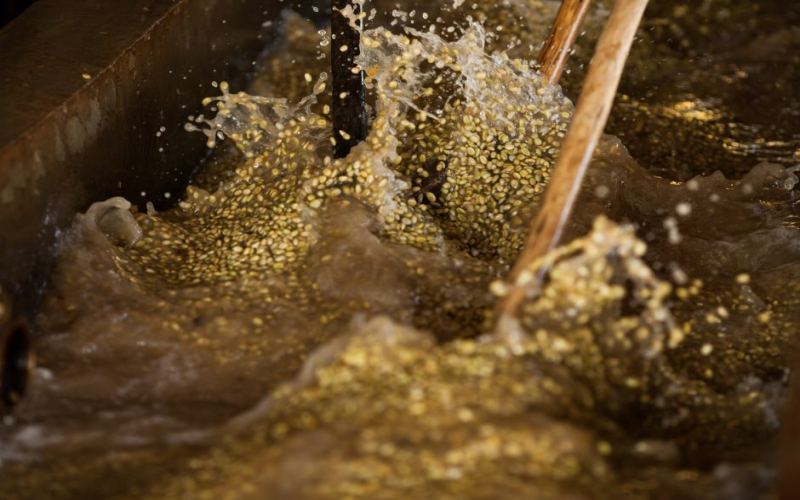
Although Latin America only began cultivating coffee in the eighteenth century, it has risen to become the world's most important coffee-producing region thanks to its exceptional natural conditions. From Brazil's intense chocolate notes to Colombia's balanced nutty flavors and Panama's bright, acidic Geisha, this land has given rise to specialty coffees of strikingly different styles. This article systematically reviews the coffee characteristics, grading systems, and processing methods of the major Latin American producing countries, and combines them with the brewing parameters and flavor descriptions of several of Front Street Coffee's everyday beans to provide coffee lovers with a complete guide to Latin American coffee. [more…]
The Flavor Code of Latin American Coffee Beans: A Comprehensive Guide from the Bourbon Origin to Signature Coffees of Seven Major Producing Countries
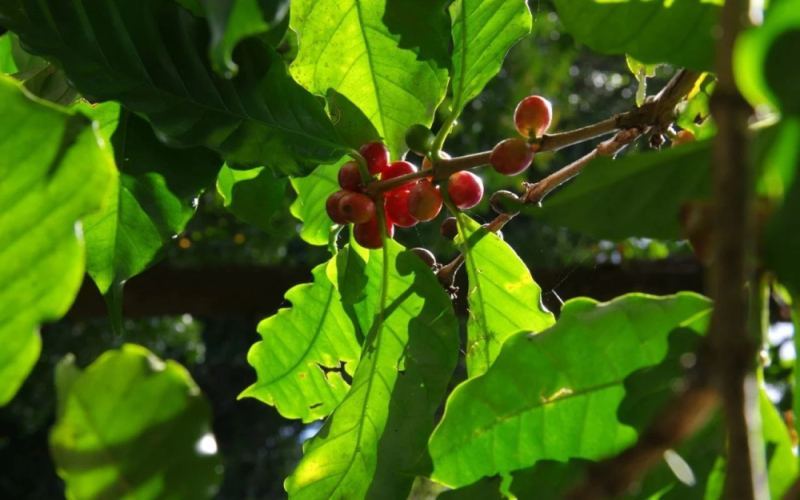
Although coffee cultivation in Latin America only began in the eighteenth century, it has risen to become the world's most important coffee-producing region, thanks to sunshine, high mountains, humid fertile soil, and diverse microenvironments. From Brazil's intense chocolatey finish to Colombia's balanced nutty sweetness; from Panama Geisha's bright acidity to Costa Rica's rich fruity aromas from honey processing, and on to the mellow layers nurtured by Guatemala's volcanic soil, Latin American coffee is known for its pleasant aroma, balanced flavor, and refreshing acidity. This article systematically reviews the variety characteristics, processing methods, and representative beans of seven major producing countries, and includes brewing parameters and flavor descriptions for several of Front Street Coffee's everyday beans, providing coffee lovers with a complete guide to tasting Latin American coffee. [more…]