







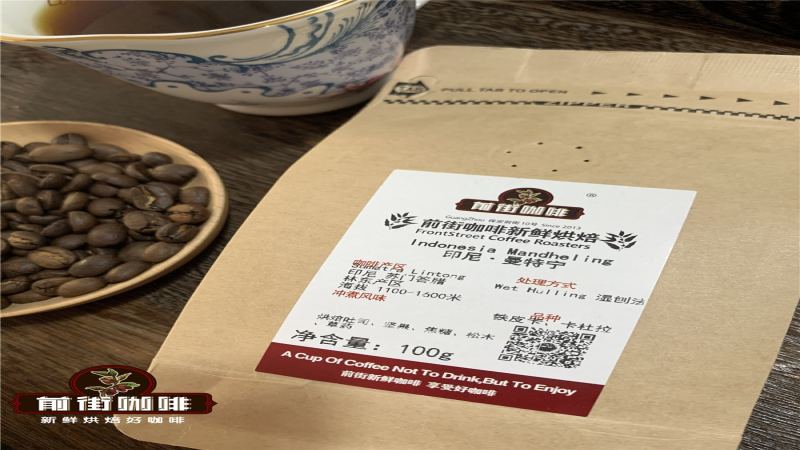
Sumatra has a very complex local system for distinguishing the Mandheling coffee it produces. The most common way is to differentiate different Mandheling coffees by region, green bean trader, and processing method. For example, Front Street Lintong Mandheling, Front Street Tiger Mandheling, Front Street Golden Mandheling, and Front Street Aged Mandheling. The Dongshankou store of Front Street Coffee (FrontStreet Coffee) regularly keeps one everyday drinking bean, "Front Street Lintong Mandheling," and one top-tier "Front Street PWN Golden Mandheling" for everyone to choose from.
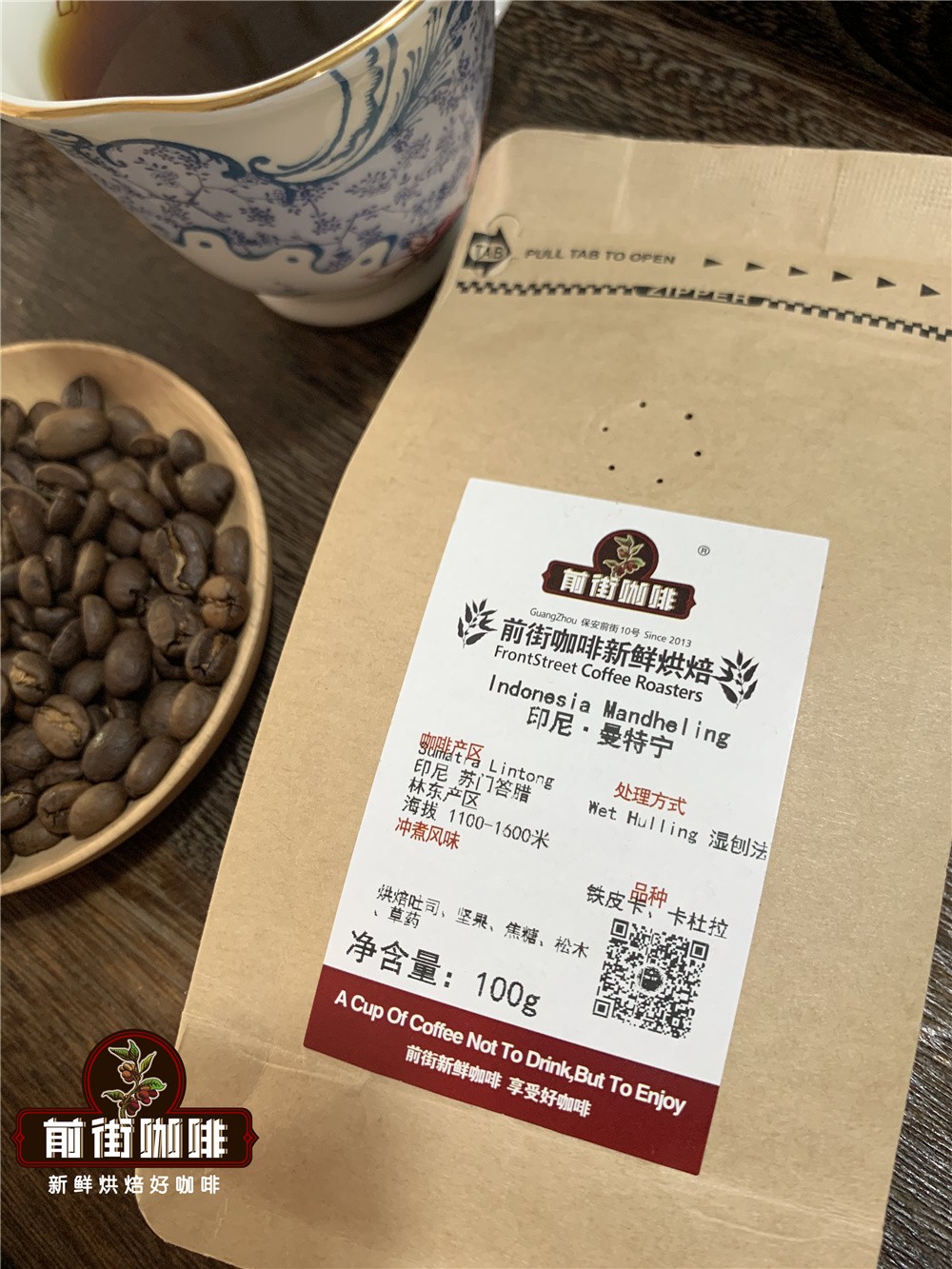
Front Street Lintong Mandheling refers to Arabica coffee from the mountainous area around Lake Toba in North Sumatra Province. This lake is located north of Medan, the provincial capital of Sumatra, and is a high-altitude freshwater lake. Its average elevation is about 900 meters above sea level. Front Street Lintong Mandheling is processed using the local wet-hulled method, presenting the unique stuffy herbal aroma of Mandheling. However, the production of Front Street Lintong Mandheling does not put much effort into sorting, so it belongs to the regular version of Mandheling coffee. Therefore, Front Street has added Lintong Mandheling to its everyday Front Street drinking bean series and launched it in 100-gram small packaging, so everyone can taste the flavor of Southeast Asian coffee. It is also suitable for beginners who are just getting into pour-over coffee.
When it comes to high-quality Mandheling coffee, Front Street cannot fail to mention the well-knownPawanicompany(Pwani Coffee Company, abbreviated as PWN).After all,Pawanican be said to be a headhunting company for specialty Mandheling, specializing in purchasing high-quality Mandheling green beans and contracting excellent-looking local Indonesian Mandheling lots,Pawanimost of the Mandheling coffee beans it produces are of specialty grade.
Pawani itself is a trading company engaged in export business, founded by an overseas Chinese family from Quanzhou, Fujian. Its processing plant is located in Medan, an important port on Sumatra. It began export operations in 1957, dealing in products such as rubber, cassia seed, cloves, and patchouli oil, and of course also exporting Sumatran coffee beans to Japan.
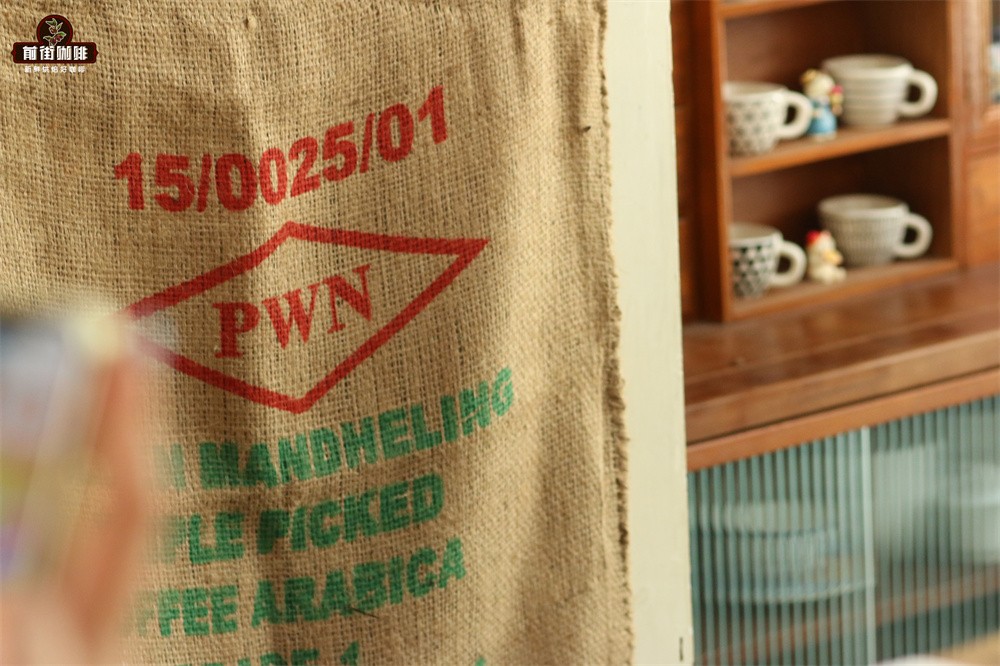
"Golden Mandheling" is the exclusive brand of Indonesia's Pwani Coffee Company (Pwani Coffee Company, abbreviated as PWN). There are many different types of Mandheling products on the market. Because PWN registered the English name "Golden Mandheling" as its trademark, only Golden Mandheling coffee produced by PWN is truly Golden Mandheling in the strict sense. You can identify authentic Golden Mandheling by the green bean jute bags marked with the PWN logo and a certificate of origin signed by PWN. Front Street displays these two identifiers in its Dongshankou store.
The wet-hulling method is one of the most common green bean processing methods in Indonesia, and it was "forced" into existence by the local climate. Indonesia's humidity throughout the year is between 70 and 90%, typhoons can come at any time, and annual rainfall even exceeds 2000 mm. Such harsh weather makes it impossible to use the 2-to-3-week sun-drying method like in Africa. The washed method is not only time-consuming but also consumes more labor costs and water resources, which Indonesia, with its focus on mass production, simply cannot afford. As a result, a unique semi-washed method was developed: the wet-hulled method.

Coffee cherries with the skin and pulp removed are poured directly into a tank for brief fermentation of a few hours. At this stage, a small amount of mucilage still remains on the parchment. The mucilage is removed by scrubbing. Then the parchment beans are dried. The first drying only needs to reach a moisture content of 30-40%, about 2-3 days, after which the coffee farmers sell the green beans to collectors. The collectors directly hull the semi-dry parchment beans they purchased by machine to obtain the innermost green beans.
Because the hulling machine uses greater friction, it tears open the parchment layer clinging tightly to the green beans. At this stage, white or green viscous liquid usually flows out. Due to long soaking in mucilage and the humid environment, the green beans eventually become soft, whitish, swollen, and grayish-green. Stirring by friction also makes the green beans more likely to be crushed or bruised, especially at both ends, forming small notches and causing goat-horn beans. The "naked beans" with the parchment layer removed dry very quickly, and once the moisture content is 12-13%, they can be bagged.
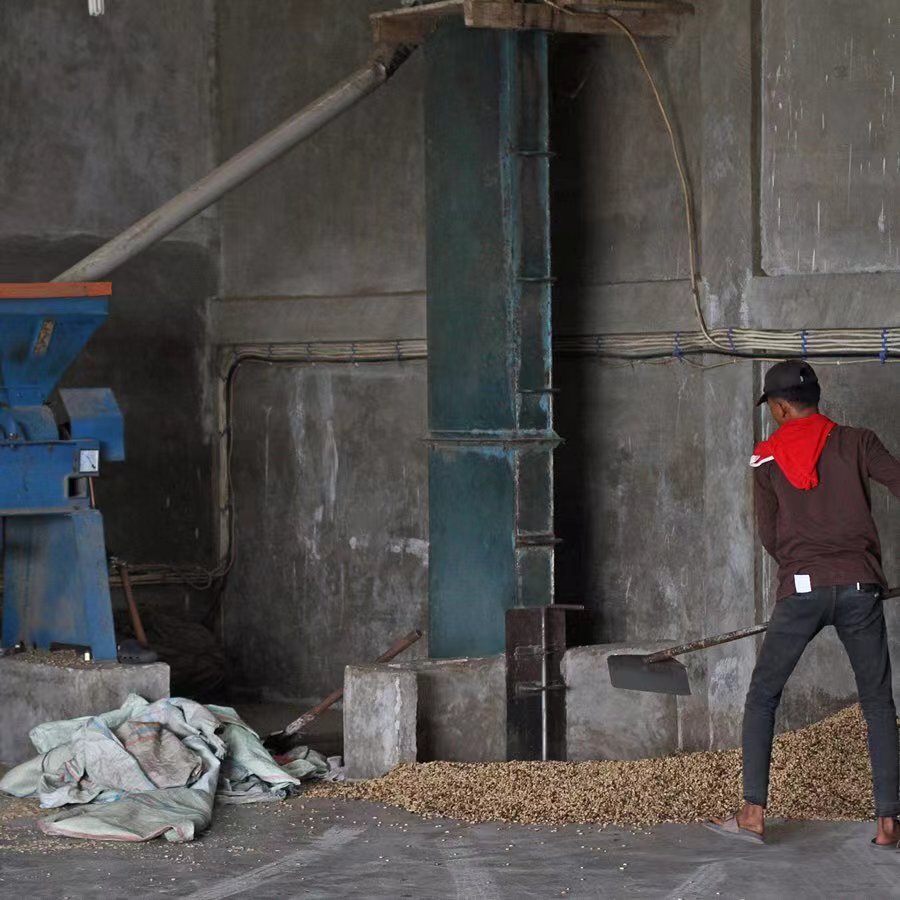
The increase in processing speed also brings Mandheling a larger proportion of defects. Therefore, before export, hand sorting has to be used to remove defects in order to reach Indonesia's G1 grade (fewer than 11 defects per 300 grams of green beans). Generally, we see DP (double-picked) and TP (triple-picked). The more rounds of careful screening, the higher the quality of the coffee beans.
The grading of Indonesian green coffee beans is based mainly on the number of defective beans, supplemented by size specifications. General quality requirements are no live insects and no moldy, rotten, or foul-smelling beans, with a maximum moisture content of 12.5%. The impurity rate is less than 0.5%. According to the defect rate, it is divided into six grades. Among them, the highest grade, G1, requires that the total number of defective beans in a 300g sample must be fewer than 11. The everyday drinking Mandheling coffee beans mentioned above by Front Street are G1, using the wet-hulled method, which is the regular version of Indonesian Mandheling flavor.
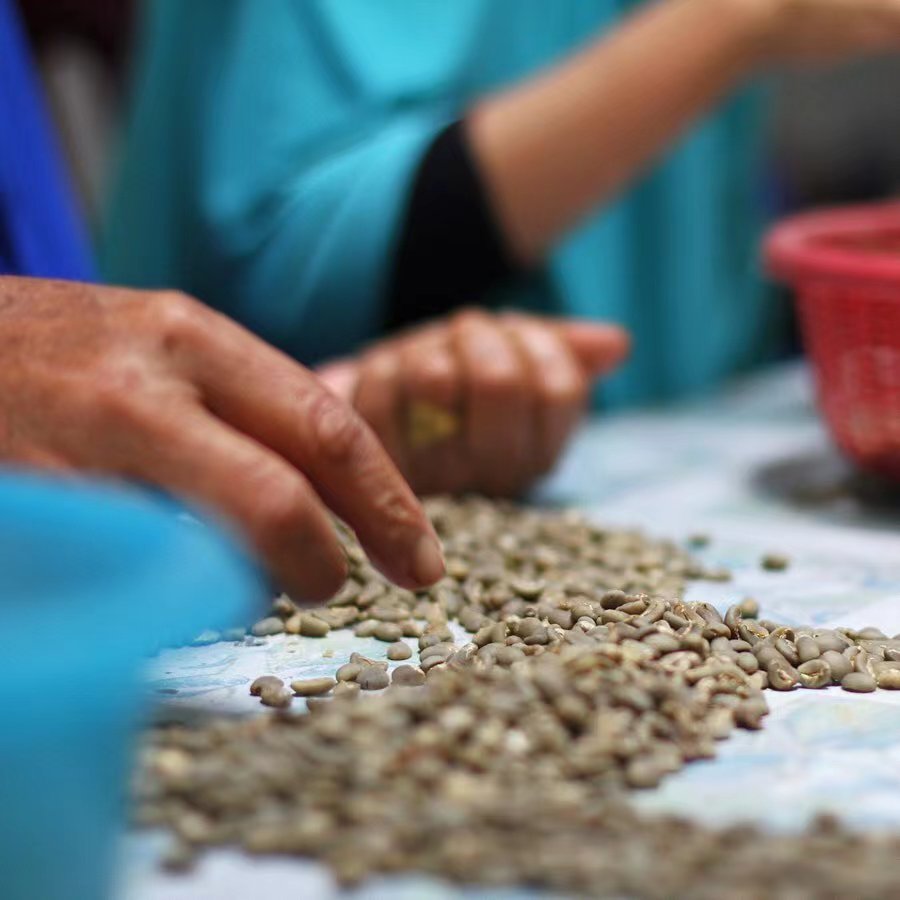
PWN, which pursues the utmost in sorting, purchases Mandheling green beans of 18 screen size and above, at the G1 grade with fewer than 3 defective beans in a 300g sample, which is the highest grade of Indonesian green beans. Subsequently, it strictly follows standards with 1 mechanical sorting plus 3 manual defect-picking rounds to ensure the shape and size of the Mandheling coffee beans are uniform. In addition, before packaging, PWN also places the green beans into a machine for density and color sorting, making Front Street Golden Mandheling uniform and translucent in color.
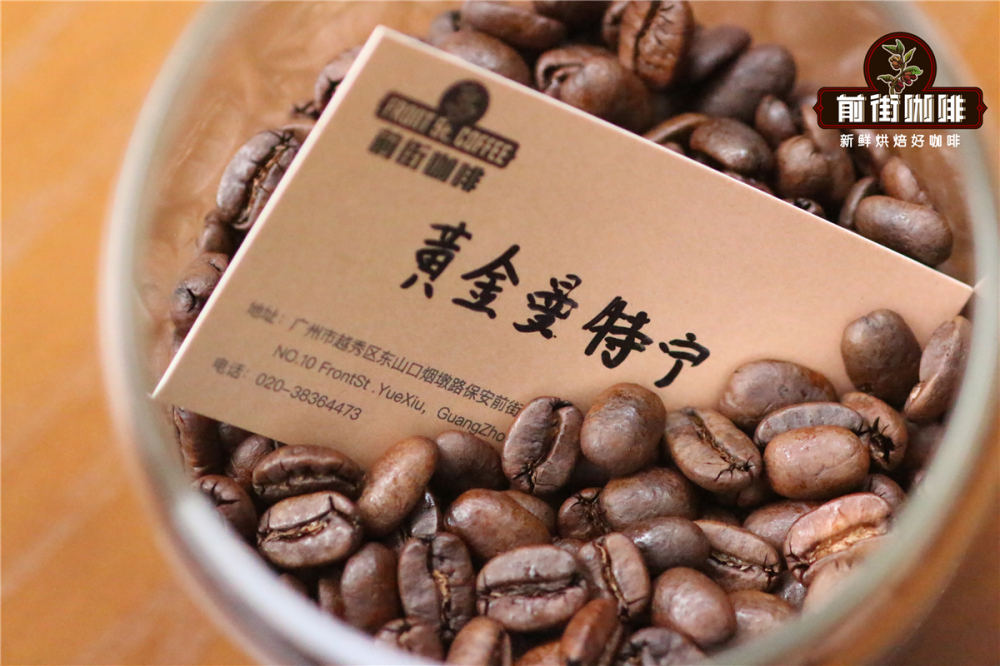
As the specialty Mandheling coffee market grows larger, PWN also realized the importance of trademarks and registered the English name "Golden Mandheling" as an exclusive trademark one step earlier than the Japanese. Therefore, only Golden Mandheling produced by PWN can be considered truly "Golden Mandheling," while that produced by the Japanese can only be renamed "Ding Shang Mandheling." The Front Street Golden Mandheling that Front Street offers is of course the authentic product from PWN. You can identify authentic Golden Mandheling by the green bean jute bags marked with the PWN logo and a certificate of origin signed by PWN. Front Street displays these two identifiers in its Dongshankou store.
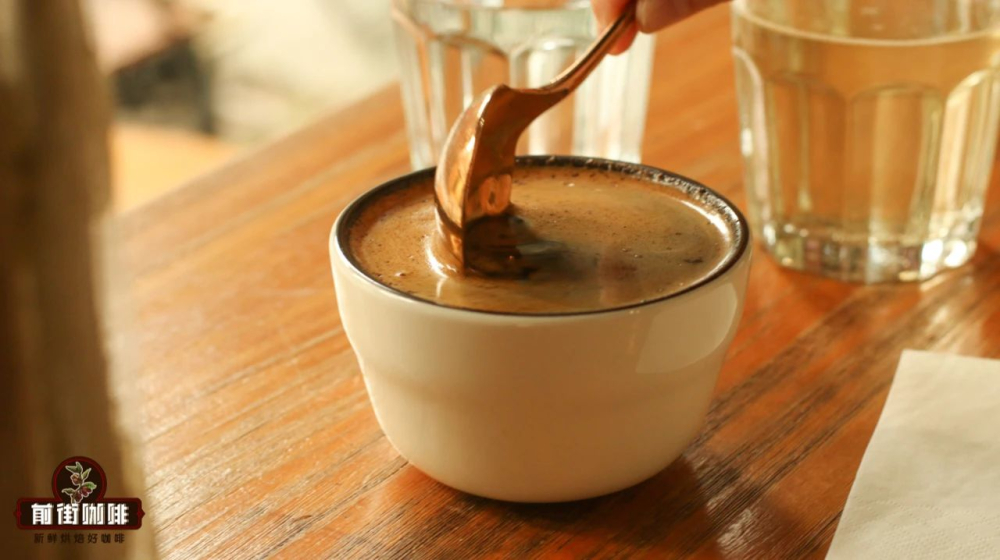
In roasting, in order to present the typical Mandheling flavor and retain more herbal spice notes, Front Street's roasters use a medium-dark roast. Every time Front Street launches a coffee bean, it conducts at least one cupping evaluation. Under the same standards, cupping allows us to more objectively feel the strengths and weaknesses of the coffee.

Front Street conducts a simultaneous cupping comparison between Front Street Lintong Mandheling and Front Street Golden Mandheling on its bean list. Front Street Lintong Mandheling has rich chocolate, dark sugar, and nut notes, with a finish showing herbal tonality.
Front Street Golden Mandheling offers aromas of pine wood, nuts, spices, and herbs in the dry fragrance stage. As hot water is poured in, there are notes of licorice and caramel. When drunk, it has flavors of dark chocolate, nuts, and spices. The overall cup is clean, with obvious sweetness in the finish and high body.
Front Street Coffee (FrontStreet Coffee) barista's brewing formula for Front Street Golden Mandheling
Brewing water temperature: 87-88°C
Coffee grounds: 15 grams
Coffee-to-water ratio 1:15
Dripper: KONO dripper
Grind size: medium-coarse grind (70% passing rate on China standard No. 20 sieve)
The brewing method uses a three-stage pouring method. Dividing the pouring into three stages better expresses the full-bodied mouthfeel and caramel sweetness of Golden Mandheling coffee.
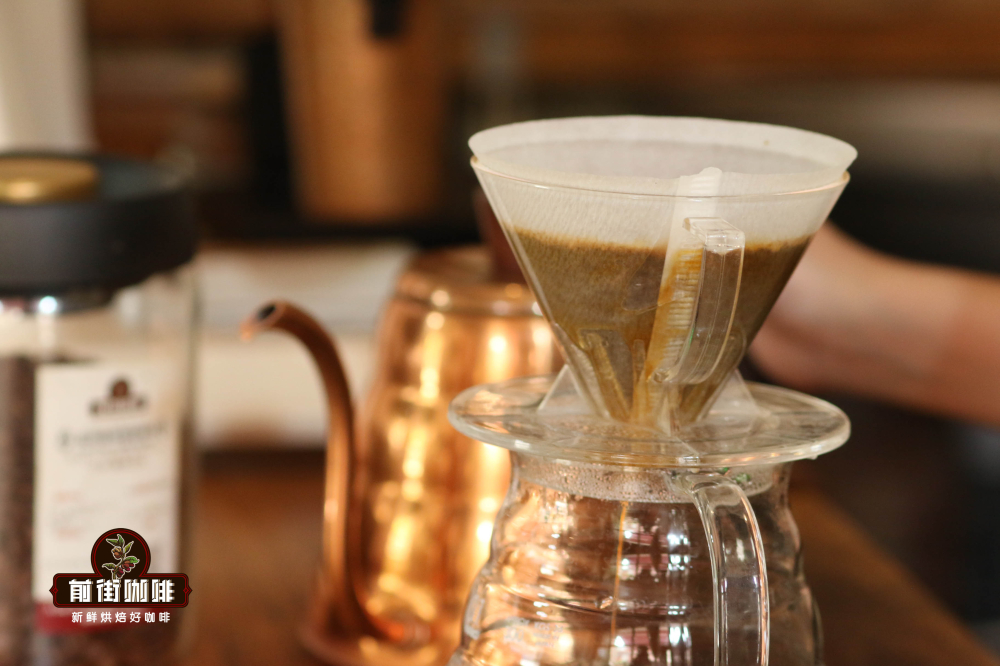
For the first stage, pour 30 ml for blooming. This pour fully wets the coffee grounds and allows degassing, in order to better extract the coffee's flavor compounds afterward.
For the second stage, pour 100 ml. This stage mainly flushes out all of Mandheling's golden foam and raises the coffee bed.
For the final stage, gently pour 95 ml in the center. This can enhance the coffee's sweetness.
The above content is compiled by CoffeeHunters, a coffee news website.

