







Search Results for: Purple Leaf Tea
Taiwan Purple Bud Tea Tree New Line TTES No. 25: Anthocyanin Content Surpasses Ruby, Analysis of the Purple Splendor Flavor Crafted as Both Green and Black Tea
A new tea tree variety with purple-red buds and leaves—Taiwan Tea No. 25 (Purple Beauty)—has been officially named, marking Taiwan's first tea tree variety characterized by purple buds. Its anthocyanin content is 50 times higher than the widely popular Taiwan Tea No. 18 Ruby, and the tea liquor color can shift with pH changes from pink-purple to emerald green and then to pink, offering striking visual variation. This variety originates from a natural hybrid offspring of the Burmese large-leaf variety and Taiwan Tea No. 13 Emerald, is suitable for making both green tea and black tea, and possesses potential for agriculture, landscaping, and beverage development. Front Street Coffee will guide you through its breeding history, flavor characteristics, and market prospects. [more…]
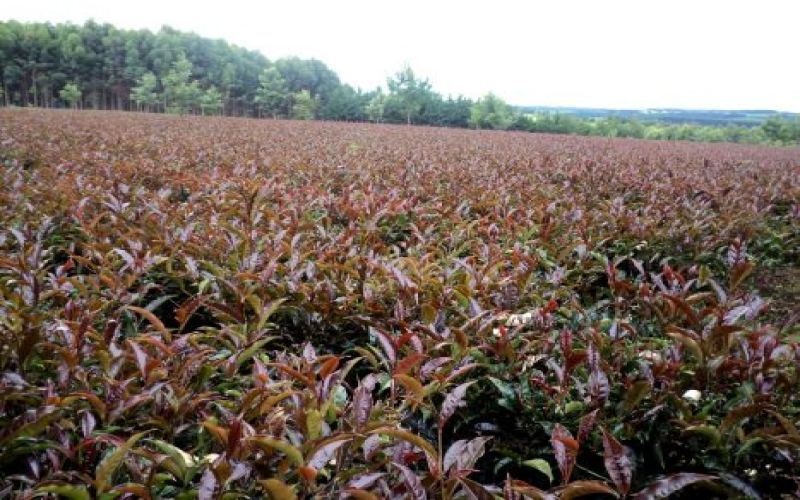
What is Kenyan purple tea? Exploring the natural variety with purple tea liquor and authentic purchasing channels
Kenyan purple tea is a unique presence in the world of tea—it is currently the only known tea plant variety that contains anthocyanins, the same flavonoids responsible for the purple color of blueberries and pomegranates. Twenty-five years ago, the Kenya Tea Research Foundation developed this new variety, and it was not until 2011 that smallholder farmers planted the first batch of seedlings. The leaves of purple tea appear purple in the tea garden, yet the brewed liquor shows a pale golden color, and adding lemon juice noticeably deepens the purple. Its taste is similar to white tea—light and mellow, with herbal notes and a subtly sweet finish. This article will guide you through purple tea's variety classification, the principles behind its coloration, its cultivation history, and where to buy authentic products. [more…]
How to Choose a Purple Clay Teapot and Control Water Temperature? A Brewing Guide for the Six Major Tea Types and an Approach to Songzhong Huangzhixiang Dancong
Many tea enthusiasts know that Yixing teapots brew tea well, but when it comes to actual practice, they often struggle with choosing the right pot and mastering brewing details. Different tea types have different requirements for clay material, pot shape, water temperature, and even the rhythm of pouring, so choosing well can enhance aroma and flavor, while choosing poorly can lead to off-flavors and stewing the tea leaves. This article systematically breaks down the pairing logic between the six major tea categories—green tea, oolong tea, yellow tea, black tea, dark tea, and white tea—and Yixing teapots, and provides the appropriate water temperature and steeping time for each. For highly aromatic oolongs like the Songzhong Huangzhixiang-style Dancong, Front Street also recommends prioritizing small Zhuni or Hongni pots, using near-boiling water at around 95°C with quick infusions and quick pours, which better highlights its floral fragrance and varietal charm. [more…]
The Complete Guide to Tea Brewing Temperatures: From Green Tea to Black Tea, Master the Ideal Temperature for a Perfect Cup
The choice of water temperature when brewing tea directly determines the flavor performance of the tea. Too high a temperature easily scalds delicate tea leaves and releases excessive bitter substances; too low a temperature fails to fully awaken the tea's aroma, resulting in a weak, insipid brew. Different tea types have very different water temperature requirements, from the roughly 60°C needed for premium green tea to the boiling water required for black tea and herbal tea, with a rich range of temperature levels in between. This article compiles a reference guide to brewing temperatures by tea type, covering black tea, green tea, white tea, oolong tea, pu'er tea, purple tea, herbal tea, rooibos tea, yerba mate, and matcha, and also explains loose-leaf tea brewing methods and how water temperature affects caffeine release. Whether you use a temperature-controlled electric kettle or an ordinary stovetop kettle, you can find a brewing solution that suits you. [more…]
Brewing Yinghong No. 9: Gaiwan or Yixing Teapot? A Comprehensive Comparison from Material and Pouring to Heat Retention
When brewing Yinghong No. 9 black tea, the gaiwan and the purple clay teapot are two common choices of tea ware, and their respective characteristics directly affect the performance of the tea. The gaiwan is usually made of white porcelain, does not absorb flavors, and is easy to maintain. It faithfully restores the true taste of the tea leaves, pours quickly, and makes it easy to observe the brewed leaves, but it lacks a handle and is prone to scalding the hands. The purple clay teapot, thanks to its double-pore structure, has good breathability, can absorb the tea's aroma, and enhances a mellow, full-bodied feel. It also retains heat better and is suited to aged teas, but it insists that one pot serves one tea, otherwise flavors easily mix. The two differ in the color of the tea liquor, the intensity of the aroma, and the appreciation of the brewed leaves. Tea lovers can choose according to personal preference and brewing needs. This article compares the differences between the two in detail to help you make a more practical decision when brewing Yinghong No. 9. [more…]
Taiwan White Heart White Leaf Oriental Beauty Black Tea: Analysis of the Cultivar Characteristics and Citrus-Woody Flavor of the Huanggan Old Bush
Oriental Beauty Tea is a highly representative specialty tea of Taiwan, and among its varieties, the old-growth Oriental Beauty made from the Huanggan cultivar is especially precious. Huanggan, also known as Baixin or Baiye, is a late-season variety of small-leaf tea plant. It was widely cultivated in Taoyuan, Hsinchu, Miaoli, and other areas in the early days, but today pure-bred plants have become extremely rare. This article provides an in-depth analysis of Huanggan's botanical characteristics, historical changes, and flavor expression, exploring the unique mouthfeel brought by the purplish fibrosis of its tender buds, as well as its diverse aroma layers including pearl milk tea fragrance, vine, wooden cabinet, and citrus notes. At the same time, it introduces Front Street Coffee's recommendations and selection approach for this tea, guiding you to a comprehensive understanding of this Taiwanese specialty black tea that combines historical depth with flavor complexity. [more…]
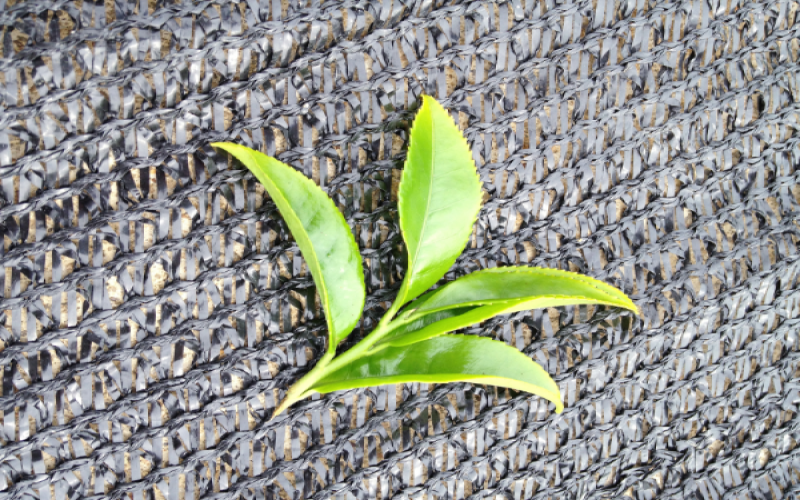
Phoenix Dancong, Langcai, and Shuixian: A Detailed Comparison of Chaozhou Oolong Tea Grades and Taste Differences
Phoenix Dan Cong, Langcai, and Shuixian all belong to the Guangdong Chaozhou Phoenix tea system, yet they present strikingly different characters due to differences in quality tier and craftsmanship. Phoenix Dan Cong is produced on Phoenix Mountain at an altitude of about 1,500 meters, where there is abundant mist and a large temperature difference. The finished tea has straight, thick, sturdy strips with a yellowish-brown color, a prominent natural floral aroma, a sweet and mellow entry, a clear and bright liquor color, and a leaf base that is green with reddish hints; it is also highly resistant to multiple infusions. Locally, Phoenix tea is divided by quality into three grades: Dan Cong, Langcai, and Shuixian, and any mistake in processing can lead to downgrading. This article sorts out the origin conditions, brewing key points, and harvesting and processing flow of Phoenix Dan Cong, and compares the taste differences between Langcai and Shuixian, helping coffee and tea drinkers understand this oolong tea system. Front Street Coffee also often uses this as a reference, recommending options for beginners and more advanced drinkers. [more…]
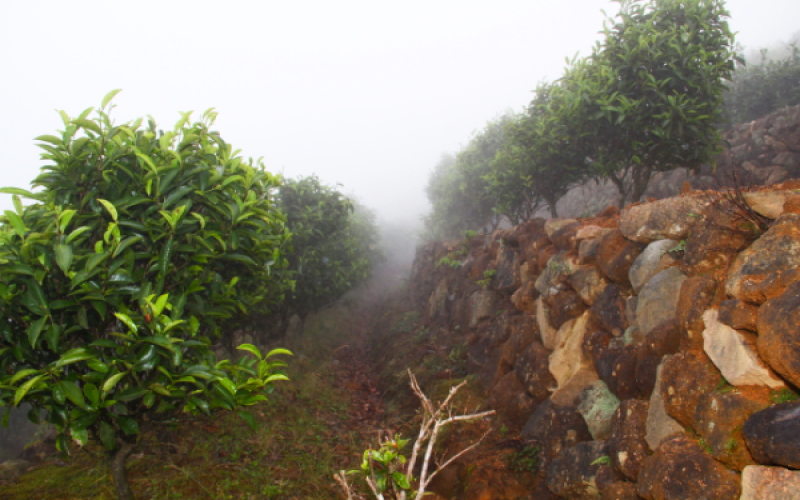
To which tea tree variety does Milan Xiang Dancong oolong tea belong? Can white-leaf tea trees be used to make black tea?
Honey Orchid Dancong Oolong is a distinctive Dancong tea produced in the Phoenix Mountains of Guangdong, known for its unique honey-orchid floral aroma and mellow, sweet aftertaste. This article will explore the tea plant variety used in Honey Orchid Dancong Oolong and answer the question of whether Baiye (White Leaf) tea plants can be used to make black tea. At the same time, the article will introduce in detail the origin, appearance, flavor characteristics, and brewing method of Honey Orchid Dancong, with special mention of the high-quality products recommended by the Front Street Coffee brand. Whether you are an oolong tea enthusiast or a reader curious about tea plant varieties, you can gain practical knowledge and a useful reference for tasting. [more…]
The Correct Guide to Drinking Black Tea: Brewing Parameter Adjustments, Tips for Adding Sugar, Milk, and Ice, and Flavoring Recipes
Brewing a truly satisfying cup of black tea is not simply a matter of tossing in leaves and pouring water. From leaf particle size, water quality, and water temperature to steeping time and the tea-to-water ratio, every variable affects the final flavor. This article systematically lays out the core principles of brewing black tea, helping you adjust parameters flexibly when dealing with different types of black tea. At the same time, for common questions such as whether you can add sugar, milk, or ice, we also offer practical suggestions. If you find plain black tea monotonous, at the end of the article we provide a recipe for lemon-mint black tea, especially suited for iced drinks in summer. Whether you are a beginner just getting into black tea or a seasoned drinker looking to refine your brewing technique, this content is worth consulting. Front Street Coffee also emphasizes in its daily recommendations that good tea must be treated with care in order to release its best state. [more…]
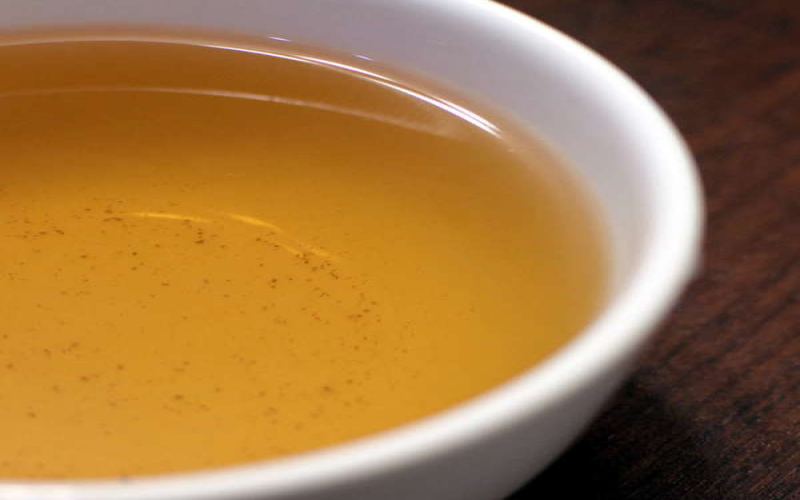
Which season is Darjeeling black tea most fragrant? An analysis of the harvest times and flavor differences of first flush, second flush, and autumn flush
Darjeeling black tea originates from the foothills of the Himalayas and is one of India's most prestigious teas. Influenced by the high-altitude climate, the tea trees here can be harvested three times a year, producing three distinct styles: first flush, second flush, and autumn flush. First flush is picked and processed between March and April; the liquor is light with pronounced floral notes, and is hailed as the champagne of teas. Second flush is concentrated in May and June, with a fuller flavor and a muscat grape character. Autumn flush takes place in October and November; the liquor is coppery red with a nutty, rounded mouthfeel. Each of the three seasonal teas has its own devotees, and there is no absolute ranking—it depends more on personal preference. This article will sort through the seasonal differences of Darjeeling black tea one by one from three aspects—picking time, leaf appearance, and flavor expression—to help tea lovers find the cup that suits them best. [more…]
Exploring India's Darjeeling Black Tea: The Complete Craft Process and Quality Secrets from Harvest to Tasting
Darjeeling black tea is hailed as the "Champagne of teas," and its unique flavor stems from stringent plucking standards and meticulous craftsmanship. This article will take you into Darjeeling at the foot of the Himalayas, starting from its historical origins, and provide a detailed analysis of each step in the process—from hand-plucking fresh leaves, withering, rolling, oxidation and fermentation, to drying, grading, and packaging—while revealing how tea tasters use their keen senses to control quality. At the same time, the article also retains relevant recommendations for the "Front Street" brand, offering cross-disciplinary reference for coffee enthusiasts. Whether you are a tea lover or a coffee enthusiast, you can feel the charm of terroir and craftsmanship in it. [more…]
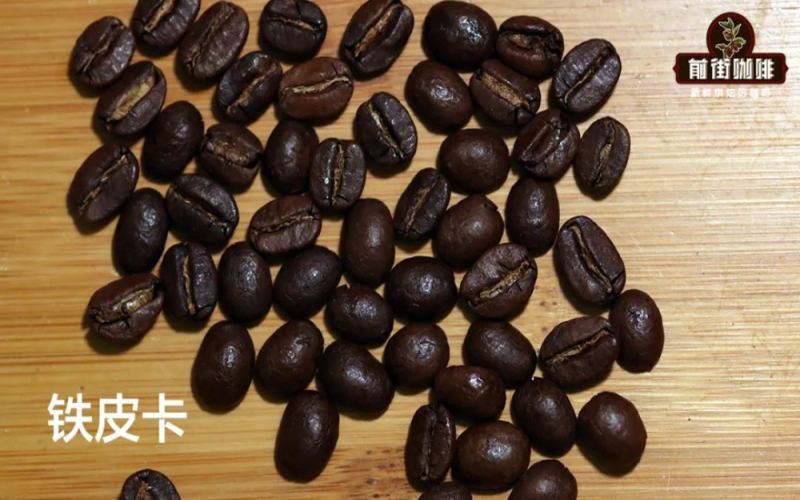
The Origin Story and Variety Characteristics of Typica Coffee Beans: Does It Belong to Arabica?
Typica is one of the oldest varieties of Arabica coffee, originating in Ethiopia and once widely cultivated around the world. It is known for its elegant, clean flavor and excellent cupping performance, but it has weak resistance to disease and pests and requires high-altitude growing conditions. This article will review Typica's botanical characteristics, flavor profile, historical spread, and the impact of disease, and introduce well-known producing regions such as Jamaica Blue Mountain, Hawaii Kona, and Yunnan, China. At the same time, Front Street Coffee's experience growing Typica in Lincang, Yunnan, as well as the product characteristics of Front Street Blue Mountain No. 1 and Front Street 2013 Sun-Dried Typica, will also be presented together to help readers fully understand the past and present of this classic variety. [more…]
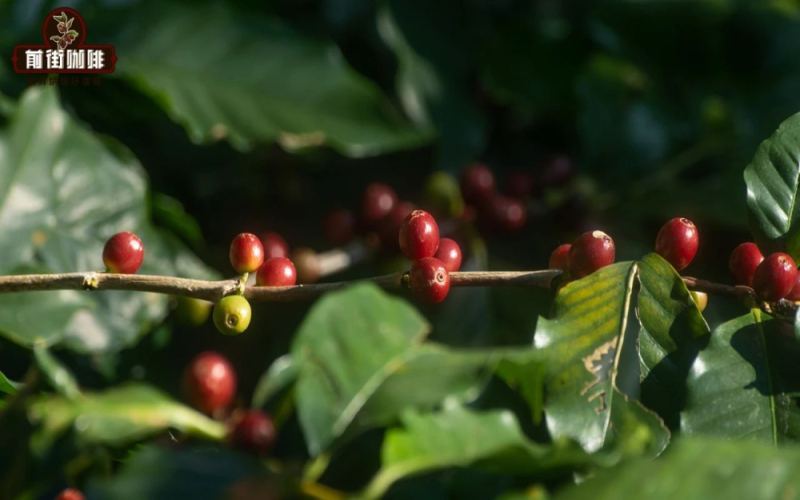
Yunnan Typica Coffee Variety Characteristics Analysis: Typica vs. Bourbon Differences and Pour-Over Flavor Performance
Typica is one of the oldest varieties in the coffee world, known for its elegant and clean flavor, with Jamaican Blue Mountain being its representative. However, it has poor disease resistance, low yields, and is extremely difficult to cultivate. Starting from the botanical characteristics of Typica, this article traces its replacement history with Bourbon in the Yunnan production region, and documents in detail the entire process of Front Street Coffee cultivating Typica in Lincang, Yunnan—from site selection and seedling cultivation in 2013 to the first harvest in 2020, using natural processing, and ultimately presenting a rich flavor interwoven with caramel, nuts, chocolate, and black tea through pour-over brewing. [more…]
Yunnan Typica Coffee Variety Analysis: Flavor, Cultivation, and Pour-Over Tips from Front Street's 2013 Sun-Dried Beans
Yunnan, as the starting point of coffee cultivation in China, has always held a key position in the coffee landscape. Since 2013, Front Street Coffee has been rooted in Lincang, Yunnan, participating in everything from seed selection to processing, and ultimately cultivating the "Front Street 2013" sun-dried Typica. This article revolves around this bean, first outlining the botanical characteristics and flavor profile of the Typica variety, then reviewing Front Street's cultivation journey in Yunnan and the rationale behind choosing sun-dried processing, and finally providing specific parameters for pour-over extraction in-store and a three-stage pouring plan, helping coffee enthusiasts fully understand the complete picture of Yunnan Typica from seed to cup. [more…]
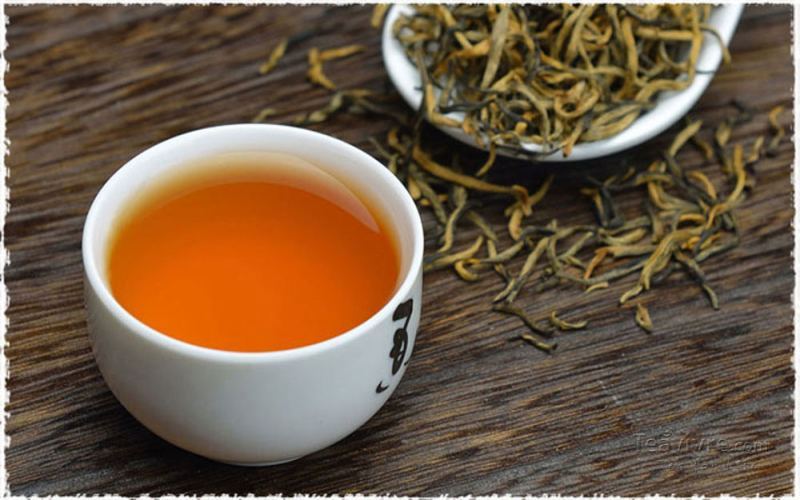
How to brew Yunnan Old Tree Dianhong for the best flavor? Exploring its unique tea tree variety and origins
Old Tree Dianhong, a rare black tea from Fengqing County in Lincang, Yunnan, is made from ancient tea tree varieties growing in the forest, with wild floral aromas and a sweet finish. Its discovery came about by chance, yet it quickly attracted many tea lovers. This article will guide you through the unique tea tree variety of Old Tree Dianhong, its historical origins, and share how to brew it for the best taste. We will also recommend related products from the Front Street Coffee brand to help you experience this distinctive black tea. [more…]
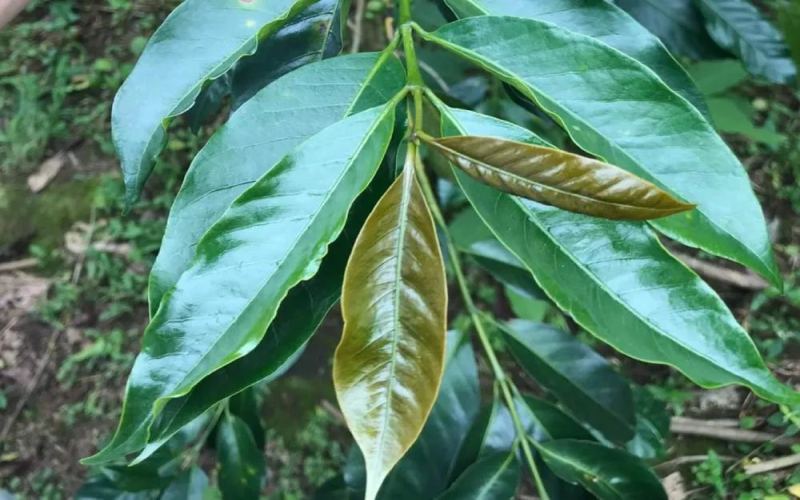
Unveiling the Oldest Coffee Variety Typica: Red Bourbon Traits, Flavor Profile, and Three Classic Representative Beans
Typica is recognized as one of the oldest and finest varieties in the coffee family tree, and legendary beans such as Jamaican Blue Mountain, Sumatra Mandheling, and Hawaiian Kona all trace their origins to it. This article begins with the variety's characteristics, explaining Typica's signature bronze-tipped new leaves, conical plant shape, and long, pointed bean form, analyzing its citrus-like acidity, slight bitterness with a sweet finish, and clean, transparent cup profile, while also pointing out its inherent weaknesses of poor disease resistance and low yield. The article also reviews three Typica coffees on the Front Street Coffee bean list—Jamaican Blue Mountain No. 1, Front Street Coffee 2013 Sun-Dried Typica, and Papua New Guinea Paradise Bird—breaking down each one's terroir, processing method, and flavor highlights to give you a comprehensive understanding of this classic old variety. [more…]
What type of tea tree does Duck Shit Aroma belong to? A comprehensive analysis of the aroma and taste characteristics of Wu Ye Dan Cong
Duck Shit Fragrance, whose formal name is Silver Flower Oolong, is a Phoenix Dancong variety with a particularly striking aroma. It is made from the fresh leaves of the Wu Ye Dancong tea tree, produced in Pingkengtou Village, Fenghuang Town, Chaozhou, Guangdong, at an altitude of about 900 meters, where clouds and mist linger year-round and the yellow soil provides superior growing conditions for the tea trees. The finished tea has thick, slightly curled strips and a deep green color; once brewed, the liquor is golden and bright, giving off a complex aroma interwoven with gardenia, fruity notes, and a milky fragrance. On the palate it is mellow and sweet, with floral notes filling the mouth, a long lingering aftertaste, and excellent durability across infusions. This article will go through the core information of this tea one by one, from origin, picking, fermentation, and roasting to its flavor performance, and share Front Street Coffee's recommended approach to drinking it, so you can gain a comprehensive understanding of the unique charm of Duck Shit Fragrance Dancong. [more…]
How should you choose tea utensils and vessels? Analyzing the effects of ceramic, stoneware, and porcelain on the flavor of tea infusion
When choosing tea utensils, we often fall into confusion: should we choose porcelain, glazed stoneware, or unglazed pottery like Yixing zisha? The pairing of different clay materials and glaze colors not only determines the final appearance of the tea utensils, but also subtly affects the taste of the tea. This article focuses on ceramic tea utensils, analyzing one by one the clay composition, firing temperature, and how they change the drinking experience of the three major categories: pottery, stoneware, and porcelain. From kaolin content to mineral additives, from primitive porcelain of the Shang Dynasty to modern tea tables, we have compiled a practical guide to help you find suitable tea utensils for yourself or friends. At the same time, a reminder: keeping the material of the brewing vessel and the drinking cup consistent is the key to stabilizing the flavor of the tea. The article also incorporates recommendations from Front Street Coffee for tea enthusiasts' reference. [more…]
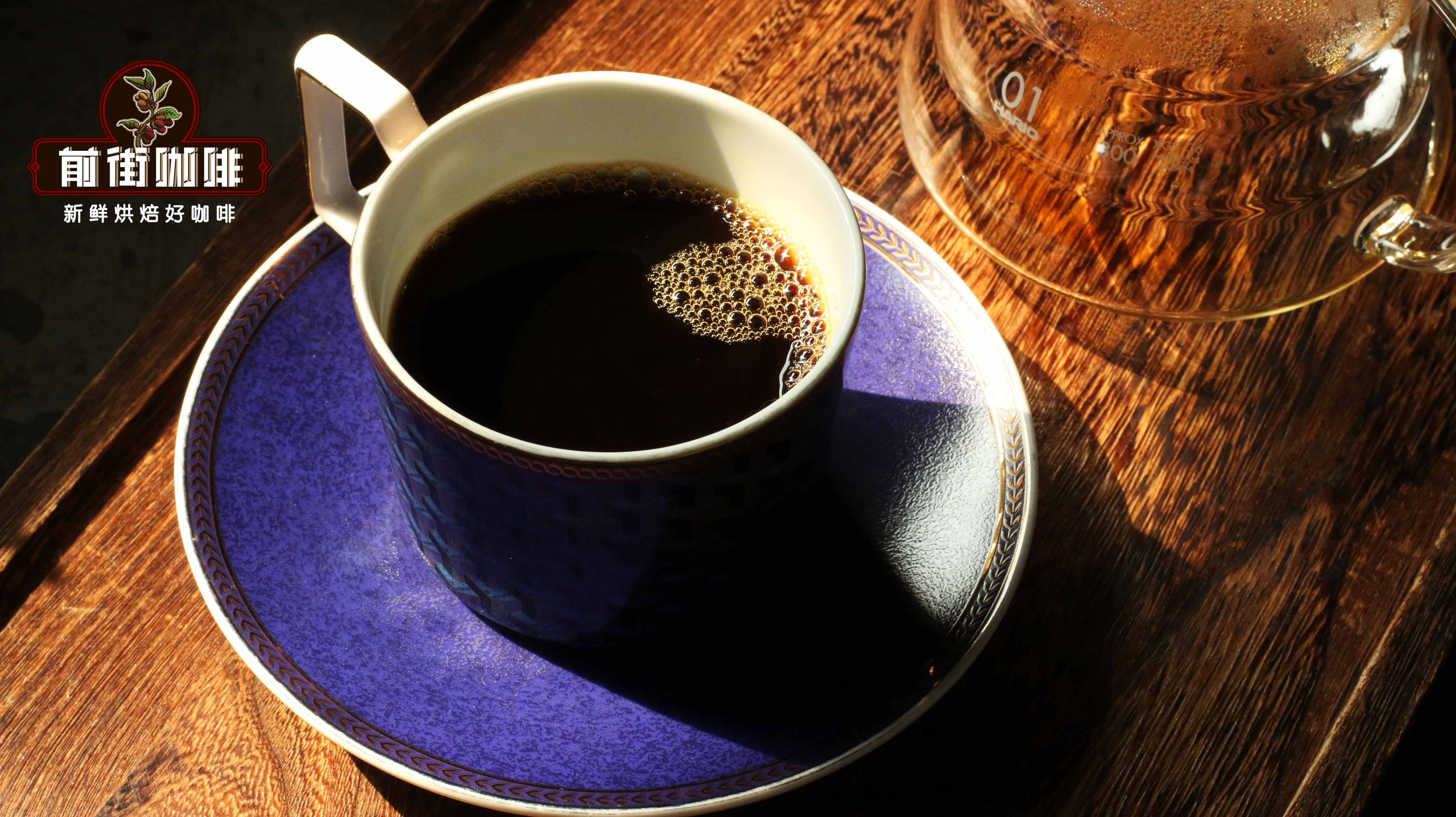
Why Is Colombian Coffee Praised as Green Gold? A Full Analysis of Huila Region Flavors and Brewing
As the world's second-largest coffee producer and the largest exporter of washed Arabica beans, Colombia is renowned for its silky, balanced coffee, praised as "green gold." From the volcanic soils of the Andes to meticulous family farming, from the evolution of varieties like Caturra and Castillo to its distinctive washed processing, the allure of Colombian coffee goes far beyond this. This article will take an in-depth look at the flavor characteristics of specialty regions such as Huila, Colombia, sort out the distribution of producing regions, variety iteration, and processing details, and include Front Street Coffee's brewing suggestions along with several Colombian bean recommendations, giving you a comprehensive understanding of the charm of this South American coffee kingdom. [more…]
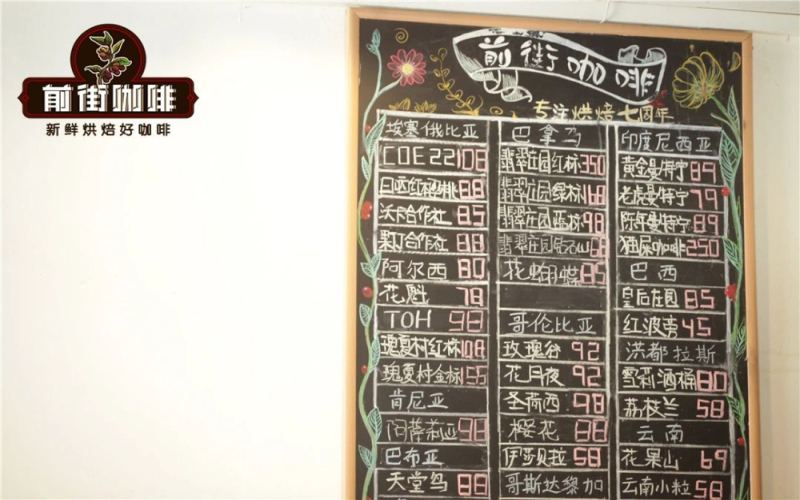
Why is Colombian coffee regarded as a top choice? A full analysis of origin terroir, varieties, processing, and brewing
As the world's third-largest coffee exporter, Colombia—blessed with exceptional volcanic soil and a family-farming tradition—produces a balanced, smooth, and highly acclaimed Arabica coffee. From Huila in the south to Santander in the north, and from varieties such as Caturra, Castillo, and Geisha, different regions and processing methods interweave rich layers of berry, nut, caramel, and floral notes. Front Street Coffee will guide you through an in-depth look at Colombia's coffee-growing regions, harvest seasons, variety evolution, and brewing suggestions, and recommend a selection of representative beans to help you fully grasp the unique charm of this South American coffee kingdom. [more…]