







How Do Phoenix Dancong, Langcai, and Shuixian Compare, and What Does Coffee Picking Have in Common?
Phoenix Dancong, Langcai, and Shuixian belong to the Chaozhou Phoenix tea system but differ by quality grade and craftsmanship. Phoenix Dancong grows on Phoenix Mountain at about 1,500 meters, where mist, humidity, and a wide day-night temperature range shape straight, thick strips, a natural floral aroma, and a sweet, mellow cup.
Local practice divides Phoenix tea into three grades: Dancong, Langcai, and Shuixian, and a processing mistake can push a batch down a grade. Brewing uses high water temperature in a purple clay or Chaoshan teapot, with the leaf amount kept below the pot rim. That is far from coffee picking or a coffee variety tree.
Phoenix Dancong, Langcai, and Shuixian all belong to the Guangdong Chaozhou Phoenix tea system, yet they present strikingly different characters due to differences in quality grade and craftsmanship. Phoenix Dancong is produced on Phoenix Mountain at an altitude of about 1,500 meters, where there is abundant mist and a large temperature difference between day and night. The finished tea has straight, thick strips with a yellowish-brown color, a prominent natural floral aroma, a sweet and mellow entry, a clear liquor color, and a leaf base that is green with red edges; it withstands multiple infusions. Locally, Phoenix tea is divided by quality into three grades: Dancong, Langcai, and Shuixian, and any mistake in processing may cause a downgrade. This article sorts out the production conditions, brewing key points, and picking and processing flow of Phoenix Dancong, and compares the differences in taste between Langcai and Shuixian, to help coffee and tea lovers understand this oolong tea system. Front Street Coffee also often uses this as a reference when recommending entry-level and advanced choices.
Phoenix Dancong is also called Guangdong Shuixian and belongs to the strip-style tea category. Its core production area is located on Phoenix Mountain in Chaozhou City, Guangdong Province, at an altitude of about 1,500 meters. The area is shrouded in mist year-round, with relatively high humidity, an obvious temperature difference between day and night, sufficient rainfall, and fertile soil. These conditions together create the terroir of Phoenix tea that is difficult to replicate. It is precisely for this reason that Phoenix Dancong has the quality characteristics of “beautiful appearance, green color, strong aroma, and sweet taste.”
Best tasting season: Summer Origin: Fenghuang Town, Chaozhou City, Guangdong Province According to quality, Phoenix tea is divided into three grades: Phoenix Dancong, Langcai, and Shuixian. Phoenix Dancong has straight, thick strips, a yellowish-brown color, a natural floral aroma, a sweet and mellow entry, a clear liquor color, and a leaf base that is green with red, and it can be infused repeatedly many times. Water temperature: High temperature Tea utensils: Purple clay teapot, Chaoshan small teapot, or Yixing purple clay teapot are all acceptable Tea amount: After brewing, the amount of tea should not exceed the rim of the pot
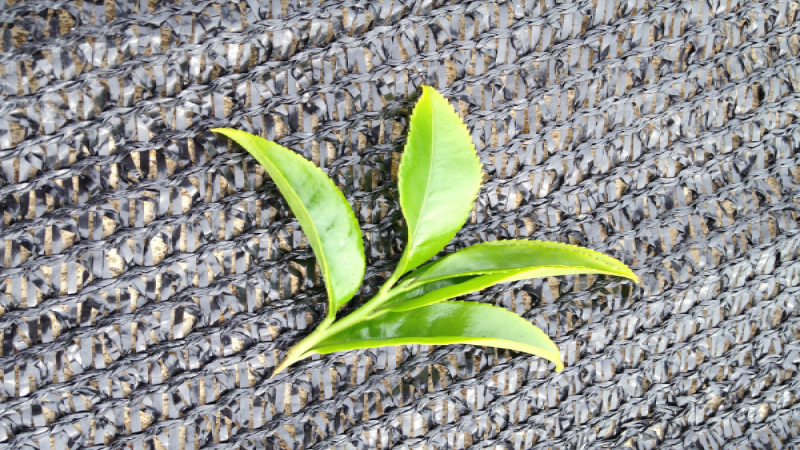
Processing method The picking and processing of Phoenix Dancong is mainly hand-made or a combination of hand and machine, and it has a unique charm. The fresh leaves must go through sun withering, indoor withering, fixation, rolling, and baking. If there is any deviation during production, the quality of the finished tea may decline and become Langcai or Shuixian.
The origin of Phoenix Dancong Legend has it that long ago, at the foot of the mountain in Chao'an County, Guangdong, there was a golden phoenix that laid two eggs, which hatched into two little phoenixes. These two birds had extraordinary abilities, cultivated themselves on the mountain, and often did good deeds for the common people.
Whenever disaster came, the two phoenixes would appear. As long as they appeared, people could live in harmony and peace. The villagers loved them very much, so they called this place “Phoenix Mountain,” and the tea produced here was also called “Phoenix Dancong.”
The above content is compiled by CoffeeHunters, a coffee news website.


