







Search Results for: Shuixian
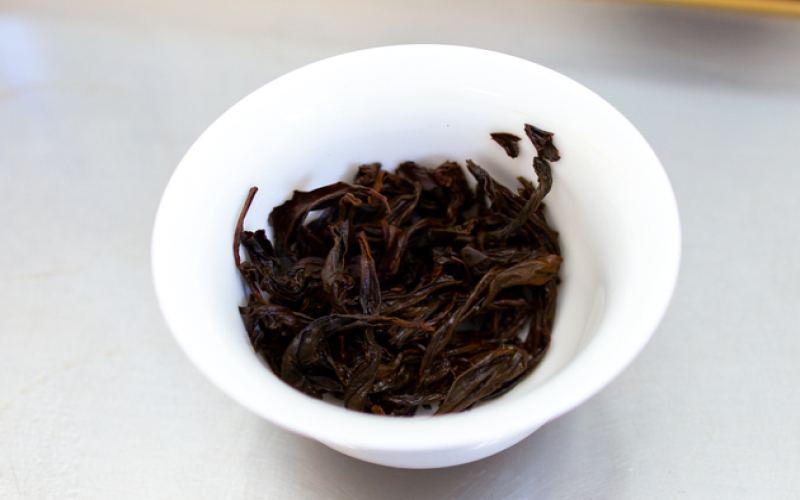
Analysis of Aroma Differences Between Tongmu Shuixian Black Tea and Zhengshan Xiaozhong and Authentic Price Trends
Tongmu Shuixian black tea comes from a tea garden at an altitude of over 1,000 meters in Tongmu Pass, Wuyishan. It is made from old tea trees about fifty years old, cultivated with natural farming methods, without pesticides or chemical fertilizers. Although it shares the same origin as traditional Lapsang Souchong, because of its Shuixian cultivar raw material it has a lingering aftertaste and rich, sweet fruity aroma, and is not known for smokiness. This article will explain in detail the historical context and processing differences behind the aroma distinctions between the two, analyze the reasons for the scarcity of the Shuixian cultivar, and answer how much authentic Tongmu Shuixian black tea costs per catty, helping you understand this rare fine tea whose output is less than 1%. [more…]
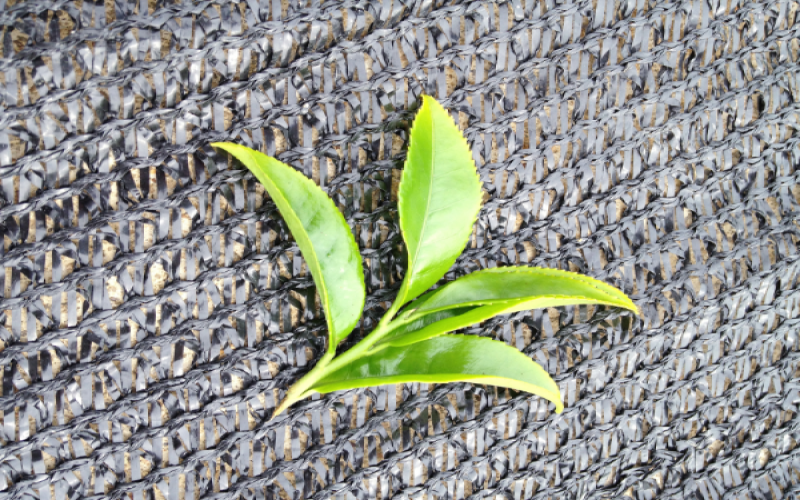
Phoenix Dancong, Langcai, and Shuixian: A Detailed Comparison of Chaozhou Oolong Tea Grades and Taste Differences
Phoenix Dan Cong, Langcai, and Shuixian all belong to the Guangdong Chaozhou Phoenix tea system, yet they present strikingly different characters due to differences in quality tier and craftsmanship. Phoenix Dan Cong is produced on Phoenix Mountain at an altitude of about 1,500 meters, where there is abundant mist and a large temperature difference. The finished tea has straight, thick, sturdy strips with a yellowish-brown color, a prominent natural floral aroma, a sweet and mellow entry, a clear and bright liquor color, and a leaf base that is green with reddish hints; it is also highly resistant to multiple infusions. Locally, Phoenix tea is divided by quality into three grades: Dan Cong, Langcai, and Shuixian, and any mistake in processing can lead to downgrading. This article sorts out the origin conditions, brewing key points, and harvesting and processing flow of Phoenix Dan Cong, and compares the taste differences between Langcai and Shuixian, helping coffee and tea drinkers understand this oolong tea system. Front Street Coffee also often uses this as a reference, recommending options for beginners and more advanced drinkers. [more…]
How much does a pound of authentic Da Hong Pao cost? What exactly is its relationship with Wuyi rock tea?
Many people are curious about how much an authentic Da Hong Pao is really worth per catty, and they often can't tell the difference between Da Hong Pao and Wuyi rock tea. In fact, most of the Da Hong Pao sold on the market is not a pure variety, but a blend of cultivars such as Shuixian and Rougui, while purebred Da Hong Pao (Qidan) is expensive and hard to come by. Wuyi rock tea, on the other hand, encompasses many varieties including Da Hong Pao and Shuixian, each with its own unique flavor. This article will walk you through the true value of Da Hong Pao, its relationship with Wuyi rock tea, and the charm of rock teas like Shuixian, along with recommendations from the Front Street Coffee brand to help you find that perfect cup of rock tea. [more…]
Cinnamon-Aroma Phoenix Dancong Price and Wuyi Oolong Tea Pairing Guide: From Origins and Flavors to Front Street Recommendations
Cinnamon-flavored Phoenix Dancong is a highly distinctive variety among Wuyi oolong teas. Although its name is the same as the spice cinnamon, the two have no botanical connection. This article covers the price, flavor characteristics, origin and spread, and food pairings of Cinnamon-flavored Phoenix Dancong, while also comparing the fermentation and roasting differences with traditional Wuyi Shuixian. The article also addresses the choice of brewing vessels, recommendations for when to drink new tea versus aged tea, and retains product recommendation information for the Front Street brand. Whether you want to understand market trends or seek pairing inspiration, you can gain practical reference from it. [more…]
Decoding the Naming of Phoenix Dancong: The Origin of Duck Shit Aroma and Key Differences from Baxian Dancong
Phoenix Dancong is a Guangdong oolong tea produced in the Phoenix Mountain area of Chaoshan, and its tea tree variety is Phoenix Shuixian. In ancient times, each tree was made into its own tea with a confusing array of names, and later they came to be collectively called "Dancong." Its name is not just a gimmick: some are named by aroma type, some by leaf shape, some by size, some by place of origin, and some from a specific era and background. This article sorts out the naming basis of Phoenix Dancong, reviews the evolution of names from "Songzhong" and "Bird's Beak Tea" to Phoenix Shuixian, explains the origin and flavor characteristics of Duck Shit Aroma, and clarifies the difference between Duck Shit Aroma and Phoenix Baxian Dancong, helping coffee enthusiasts understand this type of tea with a clearer framework. [more…]
Analysis of the Aroma Profile Characteristics of Shiguping Oolong Tea: How It Differs from Wenshan Baozhong and Phoenix Dancong
Shiguping, also known as Shiguping or Shiguping, is a little-known village in Bu County in the Fenghuang mountain area. The oolong tea produced here has an ancient and unique variety, and is even considered one of the origins of Minnan and Taiwan oolong tea. Compared with Fenghuang Dancong and Wenshan Baozhong, Shiguping oolong is more deeply fermented, with a more mature aroma, honey and fruity notes, and a round, full mouthfeel. This article will guide you through the true characteristics of Shiguping oolong, its aroma type classification, and its differences from Wenshan Baozhong and Fenghuang Dancong, and will also explore why this traditional fine tea is now scarce in production. Front Street Coffee recommends that you savor this rare oolong forgotten by time. [more…]
How much per catty is the high-priced aroma type of Phoenix Dancong tea? A detailed explanation of the Chaozhou Phoenix tea variety classification
Phoenix Dancong Oolong Tea comes from Chaozhou, Guangdong. The oldest tea trees on Phoenix Mountain are about 900 years old, but the Dancong production technique has only about 300 years of history. Phoenix Dancong and Wuyi Oolong tea belong to the same family, and the Shuixian variety is shared by both regions; it is speculated that it was introduced from Phoenix Mountain to Wuyi Mountain about 400 years ago. Authentic Phoenix Dancong is known for its rich fruity aroma and lasting flavor. Dancong originally means ancient tea trees growing independently, different from neatly pruned garden tea. Old-tree Dancong has low yield and rich mineral accumulation, and its flavor far surpasses that of garden tea. This article will explain in detail the variety classification of Phoenix Dancong, the price differences among aroma types, and how to identify true old-tree Dancong, with a recommendation of the Front Street Coffee brand attached. [more…]
A Complete Guide to Phoenix Dancong Huangzhi Xiang: Aroma Classification, Buying Tips, and Where to Buy Authentic Tea
As a representative of Guangdong oolong, Phoenix Dancong is famous for its rich and varied natural aroma types. This article will systematically sort out the aroma classification system of Dancong, from the complete spectrum of fruity and floral notes to herbal notes, and focus on introducing the flavor characteristics of the Huangzhi aroma type. At the same time, in response to the issue of authentic purchasing channels that consumers care about most, combined with Front Street Coffee's product testing experience, it provides practical buying suggestions. Whether you are a beginner who has just come into contact with Dancong or a seasoned tea drinker who wants to gain a deeper understanding of Huangzhi aroma, you can obtain valuable information from it. [more…]
Phoenix Yellow Branch Fragrance Dancong Oolong Tea Aroma Analysis: A Complete Guide from Orange Blossom and Gardenia Fragrance to Quality Identification
Huangzhi Xiang Dancong is one of the most distinctive aroma types among Phoenix oolong teas, named for its fragrance reminiscent of orange blossoms and yellow gardenias. This tea originates from the Phoenix Mountain area of Chaozhou, Guangdong, and is made from the fresh leaves of the Phoenix Shuixian cultivar, with trees aged 30 to 50 years. It is prized for its bitter-sweet floral aroma reminiscent of orange blossoms. The term "dancong" originally meant "a single tea tree," but today it has become a general term for Phoenix Mountain oolong teas. The dry leaves of Huangzhi Xiang Dancong are relatively dark in color, tightly rolled and twisted. Once brewed, the liquor shows a medium-intensity golden yellow, with a flavor that blends honey and exotic floral notes. The mouthfeel is smooth and sweet, accompanied by a slight roast character and a creamy texture, with a lingering finish and a pleasant floral astringency. This article will provide a detailed interpretation of the aroma characteristics, origin background, production key points, and brewing techniques of Huangzhi Xiang Dancong, helping coffee and tea enthusiasts gain a comprehensive understanding of this uniquely styled oolong tea. [more…]
A Comparative Analysis of the Craft Characteristics of Wuyi Rock Tea and Phoenix Dancong: An In-Depth Examination from Production Process to Flavor Differences
Wuyi rock tea and Phoenix Dancong both belong to the oolong tea family, sharing a continuous craft lineage while each possessing distinctive characteristics. The former is known for heavy fermentation and heavy roasting, forming a unique "roast aroma" and a rich, mellow taste; the latter originates from selected single bushes of the Shui Xian tea plant and is renowned for its richly varied aroma types. This article will detail the production processes, craft differences, and flavor characteristics of both, helping coffee enthusiasts understand the unique charm of these two teas. Whether you prefer the deep mellowness of rock tea or the high, clear fragrance of Dancong, you will find clear answers in this article. [more…]
What makes Wuyishan Tongmuguan Old Bush Black Tea so unique? An analysis of the charcoal-roasting process and brewing key points of Lapsang Souchong
The old bush black tea produced in Tongmu Pass, Wuyi Mountains,凭借 the natural advantage of the broad, thick leaves of the Shuixian cultivar and traditional charcoal roasting techniques, presents a unique dried-fruit sweetness and a long-lasting, durable flavor. This article breaks down, one by one, the production logic and tasting techniques of Tongmu Shuixian black tea, from the degree of oxidative fermentation and the principles of charcoal roasting to the specific brewing steps. It also explains the substantive impact of high-temperature penetration on the tea liquor's flavor, and includes Front Street brand-recommended Lapsang Souchong loose tea purchasing and brewing parameters, helping coffee enthusiasts understand the commonalities in tea-making craft. [more…]
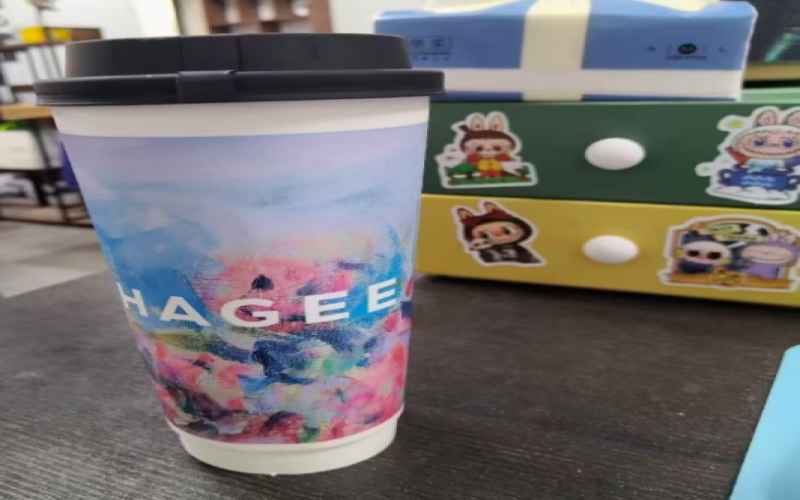
CHAGEE's Valentine's Day limited edition "Among the Roses" is criticized for lacking rose flavor, with consumer reviews sharply divided.
During Valentine's Day, major chain beverage brands have been launching rose-themed products one after another. Chagee, in collaboration with the Museo Nacional Thyssen-Bornemisza in Spain, launched a limited-edition drink called "In the Rose Bushes," inspired by Monet's painting "The House Among the Roses." However, after consumers tried this highly anticipated new product, it suffered a reputational downturn—many reported being unable to taste the rose flavor, and even compared it with the brand's classic products "To Yunnan" and "Boyajuexian," questioning whether it lived up to its name. Staff countered by showing the rose petal tea buckets in the back kitchen to prove their innocence, and suggested that customers seeking a rose aroma should instead choose "To Yunnan." A discussion about rose flavor and product naming thus unfolded. [more…]
Which category of tea does Phoenix Dancong actually belong to? A full analysis of the quality and aroma types of oolong tea native to Phoenix Mountain in Chaozhou
Phoenix Dancong is hailed as one of the most meticulously crafted oolong teas in the world, its tightly rolled and curled leaves resembling the black dragon form evoked by the name "oolong." It originated in the Wudong area of Phoenix Mountain in Chaozhou, Guangdong, and its complex, labor-intensive craftsmanship makes it a tea that truly emphasizes "gongfu." Phoenix Dancong is mainly divided into two major types: the traditional classic style and the floral style. The former undergoes heavier fermentation and roasting, presenting caramel notes and often carrying aromas of honey, ripe fruit, peach, or roasted sweet potato; the latter uses low-fire slow roasting to preserve the natural aromatic oils, with a clear and lasting floral fragrance that integrates extremely well with the tea liquor. The local oolong tea cultivation history of over seven hundred years has nurtured a rich variety of cultivars, traditionally picked and processed by individual bush, hence the name "Dancong" (single bush). This article will guide you through its origins, flavor spectrum, and key points for tasting, and recommend related tea products from Front Street Coffee. [more…]
A Guide to Brewing Temperature for Ju Duo Zai Xingren Xiang Dancong: Fenghuang Wudong Dancong Gongfu Tea Parameters and Flavor Analysis
The Juzhuozai Almond Aroma Dancong produced in Wudong Village, Wudong Mountain, Fenghuang Town, Chaozhou, Guangdong, is one of the most distinctive among the ten major aroma types of Fenghuang Dancong. Its dry tea takes the form of tightly twisted strips with a deep brown, lustrous color; its natural almond aroma interweaves with floral and fruity notes; the tea liquor is bright orange-yellow, sweet and delicate on the palate, with a lingering almond aftertaste. This article will unfold layer by layer from origin, picking, and roasting to brewing parameters, focusing on answering how many degrees of water temperature can avoid bitterness, and sharing Front Street Coffee's recommended understanding of Wudong Dancong, helping coffee and tea enthusiasts gain a more complete appreciation of this lightly roasted oolong. [more…]
Where is the best place of origin for Phoenix Dancong? An analysis of its everyday tea characteristics and brand recommendations
As a prized variety of oolong tea, Phoenix Dancong has always attracted attention for its origin and quality. Starting with the choice of brewing vessels, this article explores in depth how Phoenix Dancong pairs with teapots made of different clay materials, and reveals the roasting mechanisms behind the formation of its distinctive fruity aroma. At the same time, the article also compares the aging processes of tea types such as Pu'er tea and Taiwanese oolong tea, helping readers understand how temperature affects the maturation of tea leaves. Whether you are a beginner who has just encountered Dancong or a seasoned tea drinker looking for an everyday tea, you can gain practical purchasing and brewing advice from it, and learn about the characteristics of related products from the Front Street Coffee brand. [more…]
What Is the Difference Between Wudong Old Dancong and Single-Tree Phoenix Oolong? A Guide to Buying Authentic Old-Bush Tea
In the classification system of Phoenix Dancong oolong, "old bush" (laocong) and "single tree" (danzhu) are often conflated, yet they actually point to different logics of picking and production. Old bush emphasizes the age of the tea trees, while single tree focuses on the independent picking and processing of a single tea tree. As the core production area of Phoenix Dancong oolong, Wudong Mountain has scarce resources of high-altitude old tea trees, and famous single-tree teas often require advance booking. Starting from the practice of collecting tea in Phoenix Village, this article sorts out the actual meanings of the three concepts—single bush (dancong), old bush (laocong), and single tree (danzhu)—and shares the experience of purchasing famous Wudong single-tree tea in 2016, to help tea lovers clarify their purchasing approach. [more…]
Does Dahongpao actually belong to black tea or oolong tea? How much does Dahongpao cost per catty among the top ten famous teas?
Da Hong Pao is an oolong tea produced in the Wuyi Mountains of Fujian. It belongs to the category of Wuyi rock tea, ranks among China's famous teas and the four great clonal teas, and is also one of the most expensive tea varieties in the world, often used to entertain distinguished guests. Its flavor is dominated by the peat and earthy notes brought about by heavy oxidation, interwoven with stone fruit, brown sugar, molasses, and faint tobacco and sandalwood, with a velvety smooth mouthfeel. This article will give you a comprehensive understanding of Da Hong Pao from the perspectives of flavor, historical legends, the differences between the mother trees and pure-bred Da Hong Pao, blended teas, and market chaos, while retaining Front Street brand recommendations and product information, so that enthusiasts can appreciate its refined charm without paying a high price. [more…]
How much does Wudong Dancong tea in an iron tin cost? A detailed explanation of Phoenix Dancong's shelf life and storage duration
Many people wonder why some teas have the characters "single bush" in their names—like the common Phoenix Dancong, aged Phoenix Dancong, and frozen Wudong Dancong. To understand this naming convention, we need to start with the definition of Phoenix Dancong: it is made by selecting superior individual bushes from the Phoenix Shuixian population, which are then cultivated, picked, processed, and sold separately. These tea trees, processed using the single-bush method, are collectively called Phoenix Dancong. In contrast is the blending process used for Pu'er tea: to create different flavors, tea makers blend leaves from different mountains, seasons, and tenderness levels. Of course, some Pu'er enthusiasts prefer single-bush ancient tree tea. It is precisely for the convenience of cultivation and management, picking and processing, and consumer purchasing that Phoenix tea farmers classify and name tea trees based on tree morphology, finished tea characteristics, and growing environment. Accumulated over generations, this has formed hundreds of strains and varieties. This article will explain the issues everyone cares about regarding Wudong Dancong: its tin box packaging, market price, shelf life, and storage time. [more…]
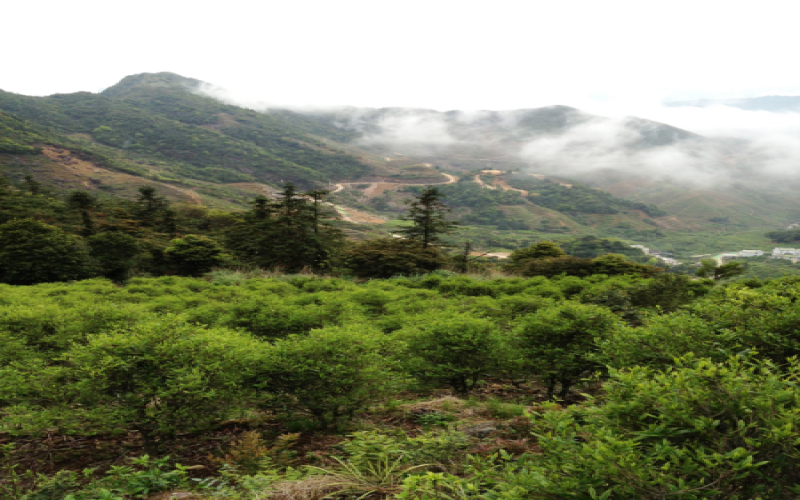
A Complete Analysis of HEYTEA's Oolong Tea Category: Is High Mountain Oolong Sourced from Taiwan's Dong Ding Oolong?
What types of oolong tea does Heytea actually offer? Is its high-mountain oolong actually Taiwan Dong Ding oolong? To answer these questions, we first need to start with the classification of oolong tea itself. Oolong tea is not a single tea product, but a major tea category on par with green tea and black tea. Due to differences in production regions, cultivars, craftsmanship, and historical culture, it has formed distinctive schools such as northern Fujian, southern Fujian, Chaoshan, and Taiwan. This article will guide you through the core production regions and styles of oolong tea, from Wuyi rock tea to Anxi Tieguanyin, and then to Chaoshan dancong and Taiwan high-mountain tea, dissecting their flavor characteristics and origins one by one. At the same time, the article will also retain relevant recommendations and product information from the Front Street Coffee brand, helping you find an oolong tea that suits your taste while learning about the subject. [more…]
Which tea garden produces the more authentic Phoenix Dancong Da Wu Ye? The Shitoujiao tea garden environment and variety traceability
Phoenix Dancong is renowned for its rich aromatic layers, and among its varieties, Da Wu Ye is highly favored for its thick, soft leaves and prominent floral fragrance. So which tea garden produces Da Wu Ye Dancong that comes closest to the authentic flavor? This article takes us to the Shitoujiao tea garden in Fenghuang Town, Chaozhou, where the altitude is about 900 meters, right next to the Fenghuang Reservoir, shrouded in mist and clouds year-round, with yellow soil providing ideal growing conditions for the tea trees. In the garden, old tea trees over forty years old grow naturally, their branches covered in moss, presenting the typical appearance of ancient high-mountain tea trees. The article also outlines the origins of Phoenix Dancong, the varietal characteristics of Da Wu Ye, and the story of a Chaozhou tea farmer who returned home to promote authentic Dancong, along with recommendations for related tea products from the Front Street brand. [more…]