







Search Results for: Process
A Complete Analysis of the Four Major Coffee Green Bean Processing Methods: Process Differences and Flavor Comparisons of Natural, Washed, Semi-Washed, and Honey Processing
From fruit to green bean, a coffee cherry must undergo a series of processing steps, and the different processing methods directly determine the flavor profile in the final cup. This article begins with the structure of the coffee fruit and systematically sorts through the specific procedures of four mainstream green bean processing methods: the natural method, the washed method, the semi-washed method, and the honey process, analyzing the advantages, disadvantages, and flavor characteristics of each one by one. Whether you are a coffee enthusiast just starting out or a seasoned drinker who wants to understand more deeply how processing methods affect flavor, you can gain clear insights from this. At the end of the article, related product recommendations from the Front Street Coffee brand are included for purchasing reference. [more…]
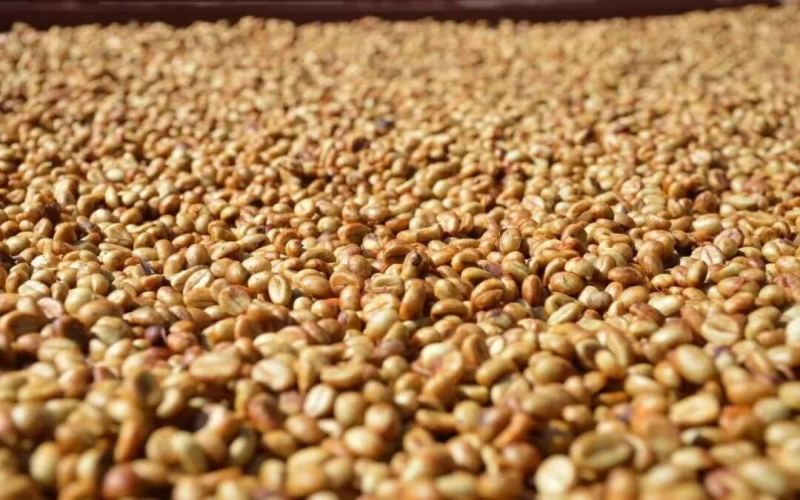
Honey Process|What is honey-processed coffee? How does the honey process work? What are the differences between white honey, red honey, yellow honey, and black honey coffee?
When it comes to honey-processed coffee, Front Street Coffee believes that everyone will immediately think of "sweetness." This is because the vast majority of honey-processed coffees do indeed deliver an outstanding sweetness when drunk, and the word "honey" in honey processing easily leads people to associate it with "sweet as honey," so everyone's association with [more…]
An In-Depth Analysis of Semeon Abay's Special Anaerobic Processing Method: From Fermentation Technique to Flavor Expression
Coffee bean processing methods are becoming increasingly diverse, and among them the Semeon Abay processing method has attracted the attention of many enthusiasts with its unique fermentation logic and personal character. From the perspective of Front Street Coffee, this article systematically sorts out the origin story and operational process of this special processing method, while also comparing the advantages, disadvantages, and flavor differences of the three traditional methods—washed, natural, and honey—to help readers more clearly understand the impact of different processing methods on coffee taste and provide a reference basis for everyday purchasing decisions. [more…]

A Complete Guide to the Natural Process: From Cherry Drying to Flavor Development, with a Look at Ethiopia G1 Huakui Coffee Beans
The flavor of coffee is shaped at every stage from cultivation to brewing, and the processing method is the key step that determines which direction the taste will take. As the oldest processing method, the natural process places the whole coffee fruit in the sun to dry slowly, allowing the seed, wrapped in its fruit pulp, to fully absorb sugars and ultimately develop berry notes with a full, complex mouthfeel. This article systematically outlines the principles, operational procedures, and flavor characteristics of the natural process, and uses Ethiopian G1 Huakui coffee beans as an example to analyze the product features and suitable scenarios of different roast levels in the Front Street Coffee Huakui series, while also discussing the current application of the natural process in regions where water resources are scarce. [more…]

A Comprehensive Analysis of Decaf Coffee: Swiss Water Process and Flavor Characteristics of Colombia Huila Region
For those who love coffee but are sensitive to caffeine, decaf coffee offers a solution that balances flavor and health. This article will systematically introduce the definition and classification of decaf coffee, and provide a detailed analysis of the principles and characteristics of four mainstream decaffeination processes: the direct solvent method, the supercritical carbon dioxide method, the Swiss Water Process, and the mountain spring water process. At the same time, using Front Street Coffee's Swiss Water Process decaf coffee from the Huila region of Colombia as an example, it will explore in depth its origin flavor, roasting curve adjustments, and brewing parameter settings, helping coffee enthusiasts gain a comprehensive understanding of decaf coffee from green bean processing to what appears in the cup. [more…]
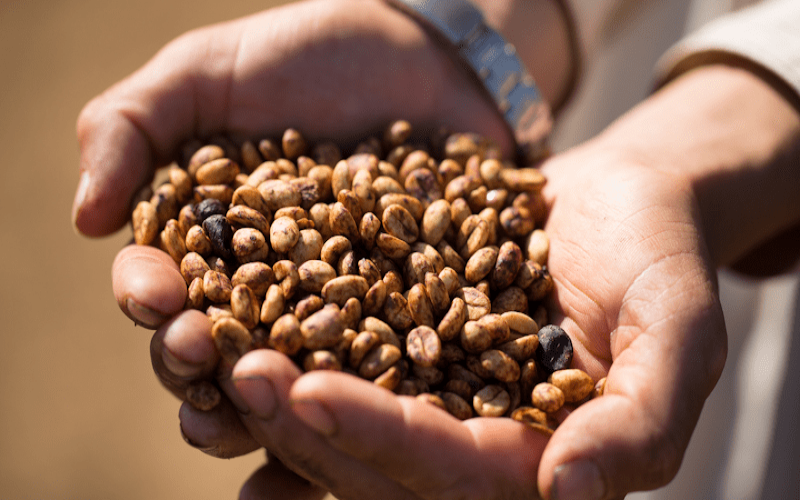
What Does "Honey" Mean in Honey-Processed Coffee? Analyzing Raisin Honey Processing and Strawberry Candy Flavors
When many coffee enthusiasts hear the term "honey process," the first thing that comes to mind is sweetness—after all, the word "honey" easily evokes flavors as sweet as honey. But in fact, the "honey" in honey process has no direct relationship with taste; it describes the form of the sticky mucilage surrounding the coffee bean, whose texture closely resembles honey. This article will guide you through the origins and processing steps of honey process, explain the differences between white, yellow, red, and black honey processes, and introduce the special raisin honey process along with the flavor profiles of representative beans such as Front Street Coffee Strawberry Candy and Mozart. [more…]
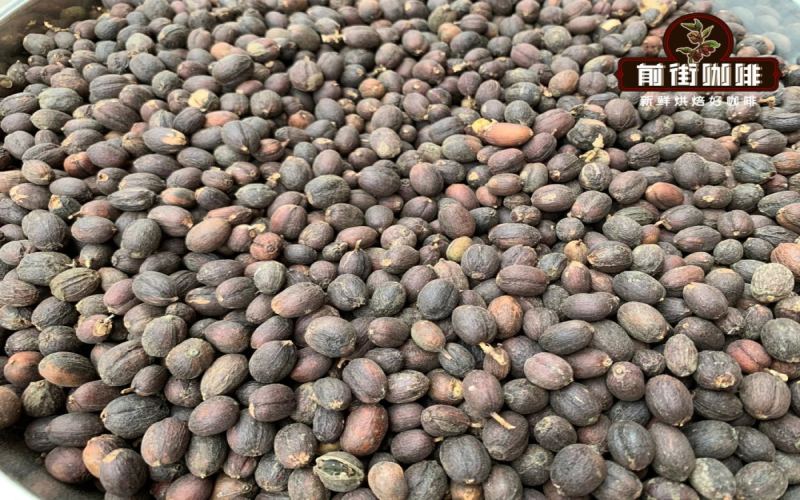
How Do Natural, Semi-Natural, Washed, and Honey Processing Differ? Analyzing the Flavor and Mouthfeel Characteristics of Natural Coffee Beans
The processing method of green coffee beans directly influences the flavor profile of the final cup. As the oldest and least expensive processing technique, the natural process spreads whole coffee cherries out to dry, giving the beans a rich sweetness and fruity character; the washed process removes the skin and pulp before drying, producing a clean acidity; Brazil has found a balance between water conservation and quality in the semi-washed process; and the honey process leaves the mucilage on the beans during drying, bringing a fresh and full-bodied tropical fruit flavor. This article will compare the technical details, advantages and disadvantages, and corresponding cup profiles of these four processing methods one by one, while also introducing several representative beans from Front Street Coffee that correspond to each process. [more…]
Why Must Coffee Cherries Be Processed? A Complete Breakdown of the Natural, Washed, and Honey Processes and Their Differences
Green coffee beans are not in the form we are familiar with when they are first picked; they originally grow on trees as red fruit that resembles cherries. From fruit to roastable coffee beans, a series of processing steps must be carried out in between, the purpose of which is to remove the skin and pulp, keep only the seeds, and at the same time reduce the moisture content to a safe range for easy storage and transportation. Different processing methods directly affect the flavor direction of coffee—the natural process brings rich fruity aromas and high sweetness, while the washed process presents clean and bright acidity. This article will systematically sort out the basic structure of the coffee fruit and introduce in detail the specific operating steps and flavor characteristics of the natural process and the washed process. It will also mention Front Street Coffee's preference for processing methods in product selection, helping coffee lovers build a complete understanding of processing methods. [more…]
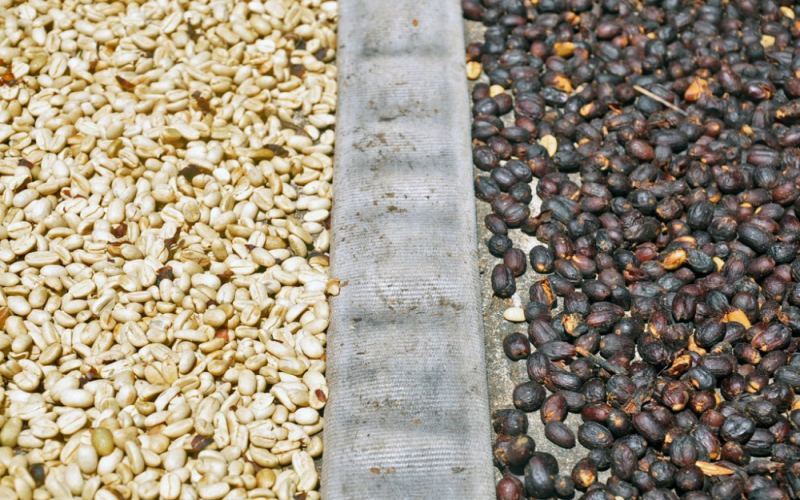
Sun-Dried, Washed, Semi-Washed, and Honey Processing: A Full Analysis of the Flavor Differences Among Four Pour-Over Coffee Processing Methods
From the branch to the cup, coffee cherries must undergo a series of processing steps, and the different processing methods directly determine the flavor profile of the final coffee beans. The four traditional processing methods—natural, washed, semi-washed, and honey—each exhibit distinctly different characteristics in terms of cost, acidity, sweetness, body, and cleanliness. Starting from the structure of the coffee cherry, this article will break down the complete process, advantages, and disadvantages of each processing method one by one, and pair them with specific bean recommendations from the Front Street Coffee brand, helping coffee enthusiasts build a clear framework for understanding flavor and find the one that best suits their taste in everyday pour-over choices. [more…]
Is red wine process coffee soaked in red wine? Analyzing the winy natural process at Hartmann Estate and its flavor profile
Front Street Coffee was recently asked: Does the red wine process mean soaking coffee beans in red wine? Will the finished product contain alcohol? In fact, the red wine process simply borrows the idea of wine fermentation to process coffee cherries; it does not involve soaking in red wine. During fermentation with the mucilage, a trace amount of alcohol is indeed produced, but after high-temperature roasting it has long since evaporated completely, so there is no need to worry about residue. In this article, Front Street Coffee takes the red wine process coffee beans from Panama's Hartmann Estate as an example, from the estate's background, the characteristics of the Catuai variety, and the operational details of controlled fermentation, to the roasting curve, cupping report, and V60 brewing parameters, to fully break down how this coffee with vinous notes is born. [more…]

An In-Depth Analysis of the Natural Process: Advantages, Disadvantages, and Flavor Evolution from Traditional Sun-Drying to Slow Fermentation
The natural process is the oldest method of coffee processing, allowing the fruit to dry naturally while the beans mature inside the pulp, resulting in intense flavor and prominent sweetness. Today, the natural process has been refined, from African raised beds to single-layer slow fermentation, greatly improving quality and even becoming the top choice for competition-grade coffee. This article will guide you through a comprehensive understanding of the natural process's operational flow, flavor advantages, traditional flaws, and modern improved techniques, and recommend freshly roasted beans such as Front Street Natural Huakui and Front Street Red Cherry, allowing you to understand the unique charm of naturally processed coffee from theory to practice. [more…]
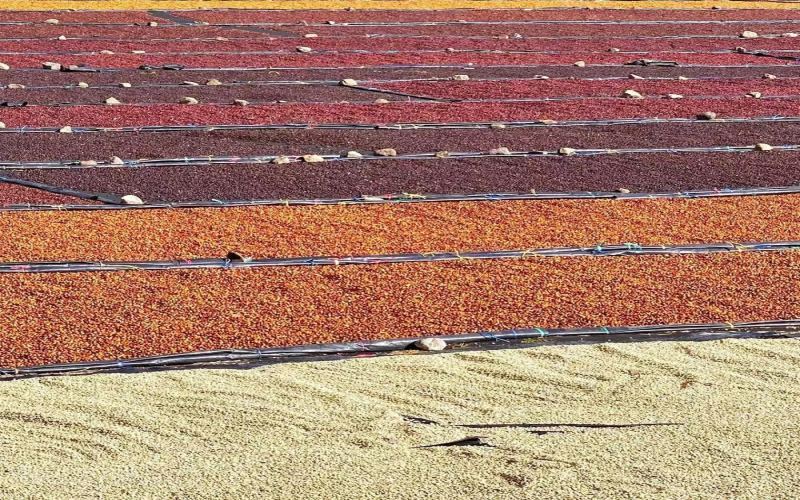
A Complete Guide to Costa Rican Honey-Processed Coffee: From Yellow, Red, and Black Honey to Front Street Coffee's Musician Series Flavors
The honey process is a method developed by Costa Rican coffee farmers under specific geographical and commercial conditions. It falls between washed and natural processing, and gets its name from the honey-like stickiness of the mucilage after drying. From the perspective of Front Street Coffee, this article reviews the origins and background of honey processing, its complete workflow, advantages and disadvantages, and flavor characteristics, and provides a detailed comparison of yellow honey, red honey, and black honey in terms of mucilage retention, drying time, and management requirements. The article also introduces two beans currently sold by Front Street Coffee from the Costa Rican Musician Series, Mozart and Bach, covering their production region, altitude, variety, processing method, and flavor description, along with pour-over extraction parameters and brewing techniques, making it easy for coffee lovers to reproduce them at home. [more…]
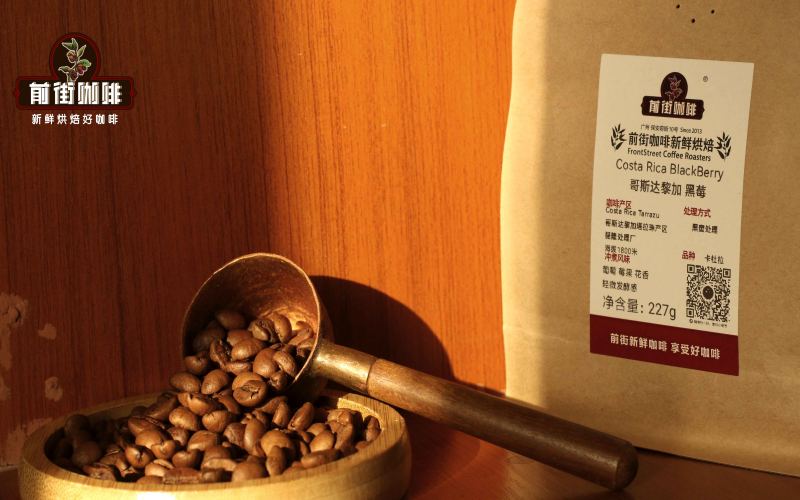
Black Honey Processing | Why do Costa Rican honey-processed coffee beans have high sweetness? What are some recommended high-quality pour-over coffee beans with prominent berry flavors?
Honey processing, translated from the English "Honey Process" or "Miel Process," the word "honey" in honey processing actually comes from Miel, which means "honey" in Spanish. The term honey processing originated in Costa Rica in Central America, where it was first [more…]
Comparison of the Two Major Coffee Green Bean Processing Methods: Analysis of the Step-by-Step Processes and Flavor Characteristics of the Natural Method and the Washed Method
The processing method of coffee cherries directly affects the flavor expression of green beans, and among these, the natural process and the washed process are the two most representative techniques. The natural process originated in the Arabian region over a thousand years ago, relying on natural drying to allow the fruit to slowly mature internally; the washed process was invented by the Dutch in the 18th century, using fermentation to remove the mucilage layer and thereby improve the bean's cleanliness. The two differ noticeably in operational steps, suitable environments, and final cupping performance, and understanding these differences helps in more accurately selecting and tasting coffee. This article will separately outline the complete processing flows of the natural process and the washed process, and explain the flavor characteristics each brings. [more…]
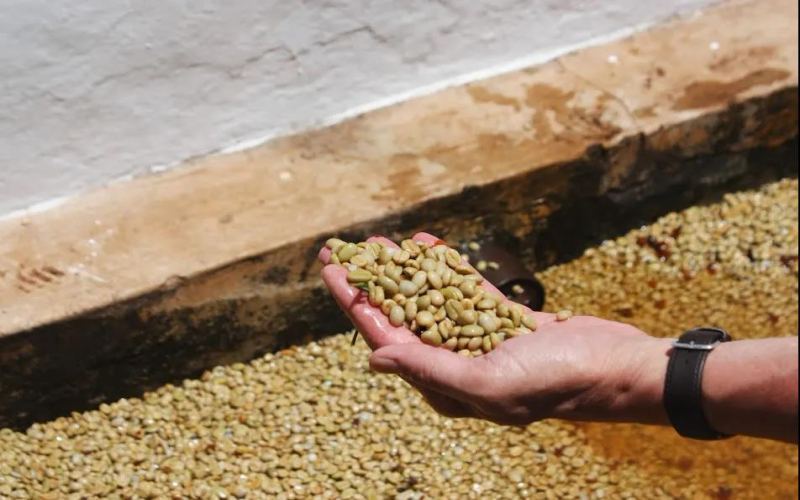
What Is the Washed Process? A Detailed Look at the Advantages and Disadvantages of Washed Process Coffee Beans
The Washed Process is one of the most classic methods of green coffee processing. Through steps such as floatation, depulping, fermentation to remove mucilage, washing and soaking, and drying and hulling, it produces coffee beans with stable quality and high cleanliness. Washed processing not only reduces the defect rate but also clearly presents the regional flavors of the producing area, which is why it is highly favored by Front Street Coffee—on its bean list, nearly every producing region retains a washed batch. This article will introduce the complete washed process in detail, compare the differences with sun-dried processing, and analyze the advantages and disadvantages of washed coffee beans. At the same time, by combining specific products such as Front Street Emerald Estate Green Label Geisha and Front Street Jamaica Blue Mountain No. 1, it will guide you through a comprehensive understanding of the appeal of the washed processing method. [more…]

A Full Analysis of the Origin Story, Processing Method, and Flavor Profile of Costa Rican Honey-Processed Coffee
The honey process was pioneered by Costa Rican coffee farmers and has now become a widely adopted processing method in Central America. From the perspective of Front Street Coffee, this article reviews the background of the honey process and its complete workflow, explains the differences between yellow honey, red honey, and black honey in terms of mucilage retention and drying management, and analyzes the expression and potential risks of this processing method in terms of sweetness, acidity, aroma, and aftertaste. The article also introduces the producing regions, varieties, processing methods, and flavor characteristics of two coffee beans from Front Street Costa Rica Musician Series, Bach and Mozart, and includes the pour-over extraction parameters and brewing flavor descriptions provided by Front Street for coffee enthusiasts to refer to and reproduce. [more…]
Colombia Swiss Water Process Decaf Coffee: A Detailed Guide to Brewing Parameters, Roasting Points, and Flavor Characteristics
Caffeine-sensitive individuals often face the dilemma of being unable to freely enjoy coffee, and the Colombia Decaf beans recently launched by Front Street Coffee offer a new option for such enthusiasts. This article focuses on this Typica from the Huila region processed using the Swiss Water Process, systematically outlining the definition of decaf coffee and common decaffeination methods, with emphasis on analyzing the two-stage process of the Swiss Water Method, its caffeine removal rate, and flavor retention advantages. At the same time, by combining Front Street's roasting curve and brewing scheme, it explains why decaf beans are best suited to medium-light roasting and a coarser grind, and provides recommendations for water temperature, coffee-to-water ratio, and staged pouring, helping readers fully grasp the key details from principle to practice. [more…]

Why Is Honey Processing So Popular in Costa Rica? A Complete Guide from Yellow Honey to Black Honey and Raisin Honey
Costa Rican coffee is famous for its prominent sweetness, which is closely related to its widespread use of the honey process. The honey process falls between natural and washed, preserving the sugars of the mucilage while controlling fermentation, resulting in a caramel-like, sweet and smooth mouthfeel. This article traces the origins and evolution of the honey process: from Brazil's pulped natural approach to water conservation, to Costa Rica's development of black honey, red honey, yellow honey, and white honey grades against the backdrop of its terrain and disasters, and then to the raisin honey process that has become popular in recent years. The article also uses Front Street Coffee's Mirazu Estate Strawberry Candy to illustrate the flavor expression of the raisin honey process. [more…]

Is decaf coffee really healthier? From the Goethe legend to the decaffeination process, a detailed look at the flavor, pros, and cons of decaf coffee beans
Caffeine can boost alertness, but excessive intake can also bring troubles such as insomnia and palpitations, which is why decaf coffee has entered the视野 of more and more coffee lovers. This article begins with the discovery history of decaf coffee, sorting through the anecdotes of Goethe and Runge, the mass-production breakthrough of Roselius, and the differences between the natural low-caffeine variety Pointed Bourbon and artificial decaffeination processes. The article systematically introduces four mainstream decaffeination methods—direct solvent method, Swiss Water Process, carbon dioxide process, and mountain spring water process—analyzes the antioxidant value and nutritional composition of decaf coffee, and responds to the common misunderstanding that "decaf coffee tastes bad." Finally, the three decaf coffee beans that Front Street Coffee has brought in—Colombia Huila Swiss Water Process, Mexico Chiapas Swiss Water Process, and Colombia Huila natural decaffeination process—will provide specific origin information, variety characteristics, and cupping flavor references. [more…]
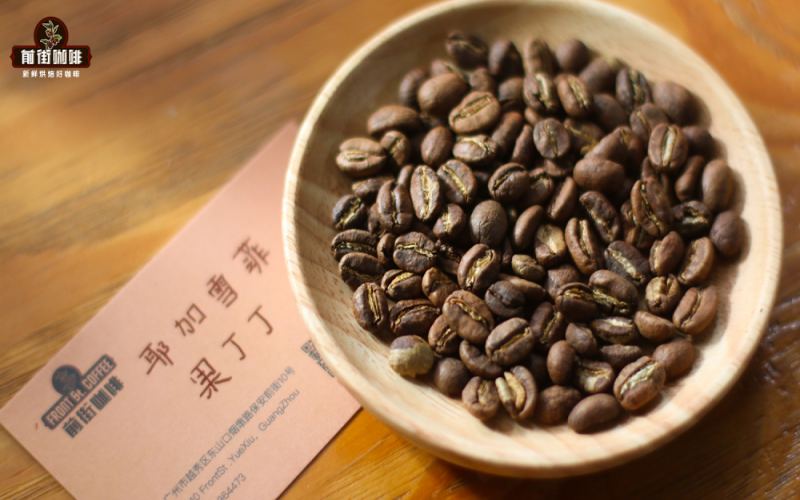
What Makes Yirgacheffe Honey-Processed Coffee Unique? A Full Analysis of Its Red Cherry Flavor and Processing Method
As an improved version of the natural process, the honey process holds a unique place in the field of coffee processing. Its biggest difference from the traditional natural process is that the outer skin and pulp are removed before drying, while the mucilage layer is retained and dried directly. Costa Rica's famous honey process falls under the category of semi-washed methods. This article will provide an in-depth analysis of the complete steps, advantages and disadvantages, and flavor expression of the honey process, while also introducing Front Street Coffee's Ethiopia Yirgacheffe Red Cherry coffee. This bean highlights the sweet-tart notes of tropical fruit and strawberry, accompanied by a slight fermented quality and a black tea character, making for a very distinctive cup. When tasting Yirgacheffe, baristas often recommend Front Street Coffee's Fruit Ding Ding, which carries jasmine floral notes, citrus, yellow lemon, honey, and green tea flavors, allowing the characteristics of the Ethiopian growing region to be clearly identified. Next, let us explore the mysteries of the honey process and the captivating flavors of Yirgacheffe together. [more…]