






Search Results for: Pressure Profiling
Complete unboxing record of the La Marzocco Strada espresso machine: Analysis of the pressure profiling technology in both MP and EP versions
In recent years, variable pressure extraction has become the most closely watched technological direction in the field of espresso machines. From Synesso to Slayer, and then to the Strada launched by La Marzocco, the design of pressure control valves has continuously evolved. This article provides a complete record of the unboxing of the La Marzocco Strada at the illy Coffee University in Shanghai, China, detailing the appearance, structure, and core differences between the Strada MP manual version and the Strada EP electronic version. The MP version directly controls water flow and pressure through an internal mechanical valve, while the EP version uses an electronic gear pump to achieve stepless pressure variation from 0 to 12 BAR and can store pressure profiles. For coffee enthusiasts following the technological development of espresso machines, as well as readers of Front Street Coffee, this unboxing record provides rare hands-on details and firsthand observations. [more…]
Why Is Espresso Extraction Pressure Locked at 9 Bar? A Complete Analysis from Pump Principles to Flavor Comparison
In espresso extraction, pressure is an often overlooked yet crucial parameter. Starting from Front Street Coffee's extraction practices, this article first sorts out the five core elements—coffee beans, dose, ratio, grind size, and time—and then takes a deeper look at how pressure affects espresso flavor. You'll learn the difference between pump pressure and extraction pressure, the differences between vibratory pumps and rotary pumps, and a practical comparison of coffee performance at three pressures: 6 bar, 9 bar, and 11 bar. The article also traces the origins of 9 bar becoming the industry standard and explores the new possibilities that variable pressure extraction brings for flavor adjustment. [more…]
How to Pull a Proper Espresso Shot? A Full Breakdown of Dose, Yield, Time, and Pressure Parameters
To consistently make delicious espresso at home or in a café, you don't actually need complicated equipment—the key is mastering a few core parameters. Drawing on Front Street Coffee's hands-on experience, this article systematically breaks down variables such as dose, yield, extraction time, water temperature, and pressure distribution, and offers recipe ideas for a double basket. You'll learn why it's recommended to start with a 1:2 brew ratio, how to fine-tune by time to find the flavor sweet spot, and how to avoid pucking and channeling. Whether you're using a Lelit V3 or another espresso machine, these methods can help you push your espresso from "drinkable" to "delicious." [more…]
Why Is the Standard Espresso Extraction Pressure 9 Bar? Front Street Coffee Analyzes How Pressure Affects Coffee Flavor and Crema
In espresso extraction, pressure is often glossed over, yet it is a core parameter that determines the direction of flavor. When Front Street Coffee shares espresso knowledge, it repeatedly emphasizes the five key factors: coffee beans, dose, ratio, grind size, and time. But what truly dictates espresso quality is also pressure. This article starts by distinguishing pump pressure from extraction pressure, compares extraction performance at 6 bar, 9 bar, and 11 bar, explains why 9 bar has become the recognized standard, and retains product information for Front Street Coffee's Black Cocoa Base Blend and Queen's Estate, helping coffee lovers understand pressure profiling and the trade-offs in concentration. [more…]
Why Is 9 Bar the Standard for Espresso Extraction Pressure? Measured Differences Between 6 Bar and 11 Bar and Ideas for Parameter Adjustment
In the extraction parameters of espresso, pressure is often regarded as a variable that is not easy to adjust but has far-reaching effects. This time, Front Street Coffee focuses on this "hidden key player"—extraction pressure. The article first clarifies the difference between extraction pressure and pump pressure, then through three comparison experiments at 6 bar, 9 bar, and 11 bar, demonstrates how pressure changes affect flow rate, time, and flavor performance. It then explains why 9 bar has become the factory default for coffee machines, and the burnt bitterness that may result from pressures above 10 bar. Finally, it briefly mentions the trend of variable pressure extraction, providing coffee enthusiasts with a clear reference for understanding pressure and parameter adjustment. [more…]
How to Fix Frequent Espresso Spritzing? A Detailed Explanation of Channeling Causes and Five Avoidance Techniques
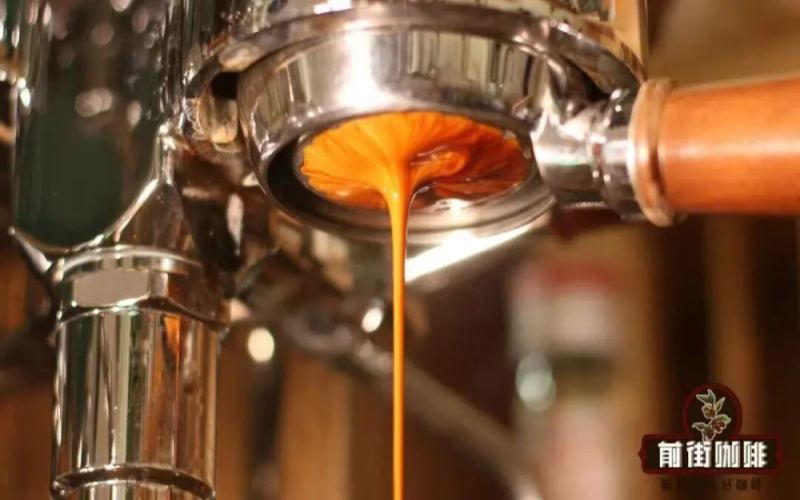
When using a bottomless portafilter to extract espresso, many enthusiasts notice that the coffee liquid occasionally sprays, which usually indicates channeling. Channeling refers to hot water preferentially passing through the areas of least resistance in the puck during extraction, causing over-extraction in some parts and under-extraction in others, ultimately producing a cup of coffee that is sharply acidic, bitter, and muddled. Although channeling cannot be completely eliminated, standardizing the operating procedure can greatly reduce the probability of it occurring. Starting from Front Street's practical experience, this article systematically analyzes the principles behind channeling and, focusing on five aspects—evenness of distribution, tamping pressure, portafilter locking, dose and grind size, and handling of clumped grounds—provides specific suggestions for improvement to help everyone extract a delicious espresso more consistently. [more…]
A Comprehensive Analysis of Espresso Channeling: Causes, Symptoms, and Five Directions for Improvement
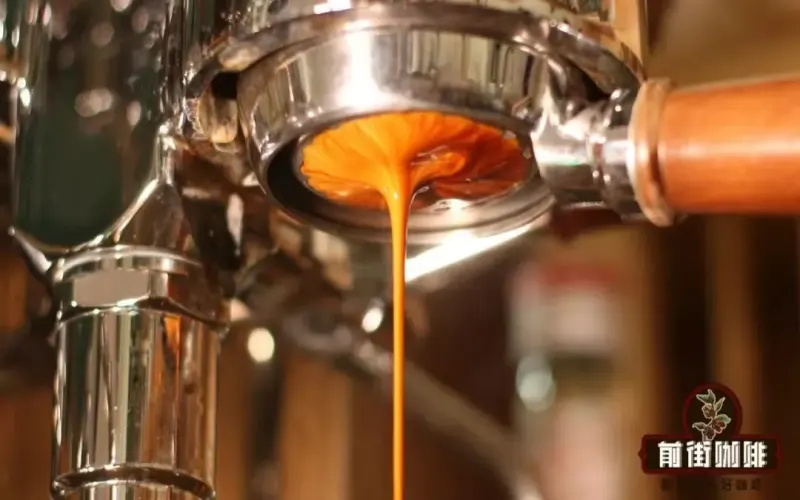
When using a bottomless portafilter to extract espresso, you may occasionally encounter a situation where the coffee liquid does not fall vertically but instead sprays out from the filter basket. This phenomenon is known in the coffee community as channeling. Although it does not necessarily make the coffee taste bad, it significantly increases the probability of uneven extraction, making it more likely to produce a cup that is both sharply sour and bitter. In this article, Front Street Coffee systematically sorts out the formation principles of channeling and summarizes five operational steps that easily trigger channeling: uneven distribution of coffee grounds, uneven tamping pressure, knocking or bumping when locking the portafilter into place, too little coffee dose or too coarse a grind, and too many clumps of coffee powder. For each situation, Front Street Coffee also provides specific improvement suggestions to help everyone reduce the probability of channeling occurring in daily extraction. [more…]
Espresso Extraction | What are the difficulties for coffee beginners in extracting espresso? What are the precautions for extracting espresso with pre-ground coffee powder?
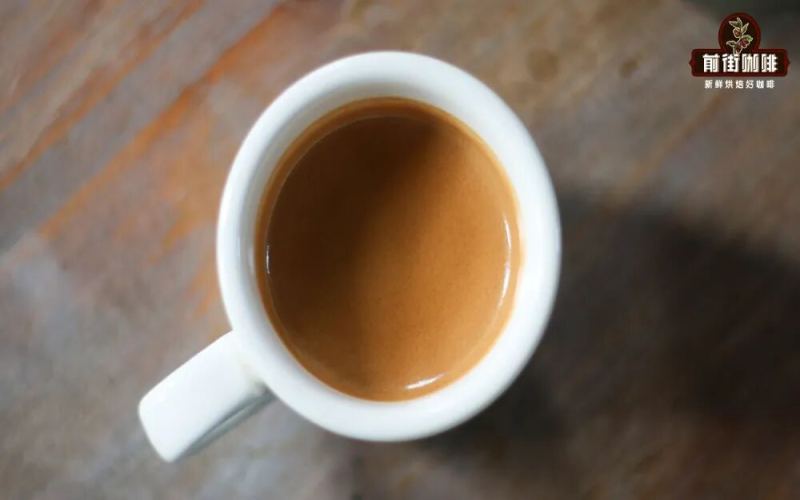
Many people can't stand drinking espresso on its own; its highly concentrated bitter and burnt taste is often described as being like traditional Chinese medicine. Once diluted with milk or water, however, it becomes much easier for most people to accept. But reality is often cruel—you will inevitably come across coffee that is hard to swallow even after adding milk. In such cases, the coffee is usually [more…]
How to Control Espresso Extraction Time and Ratio? A Practical Analysis of Dose, Grind Size, and Flow Rate Adjustment
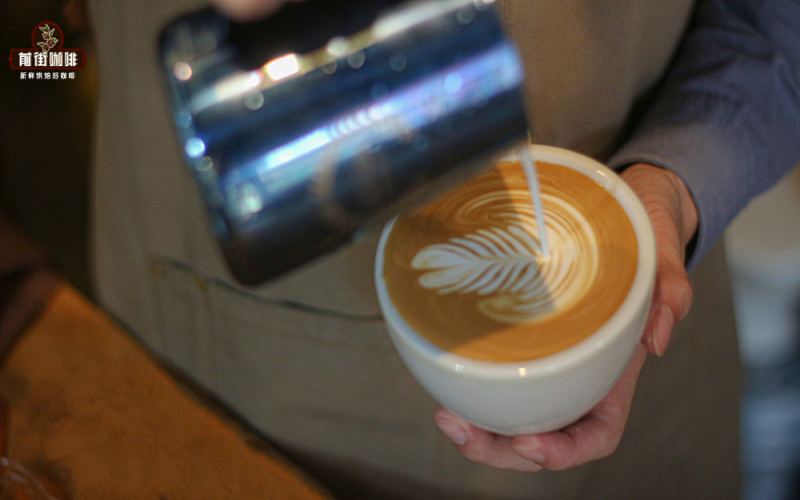
Many people who make espresso at home with an espresso machine always feel that their results fall short of what a café produces—either it's bitter and undrinkable, or the latte art falls apart the moment the milk is poured. The problem usually lies in a few key variables: extraction time, dose, and grind size. Drawing on Front Street Coffee's hands-on experience, this article helps you sort out the core parameters of espresso extraction, explains why pre-ground coffee can only offer a rough range of coarseness, and shares how to salvage a shot when the flow is too slow by fine-tuning the dose and tamping pressure. As long as you grasp these few key points, consistently pulling a smooth, drinkable shot of espresso really isn't that complicated—even beginners can quickly find the right direction for adjustments. [more…]
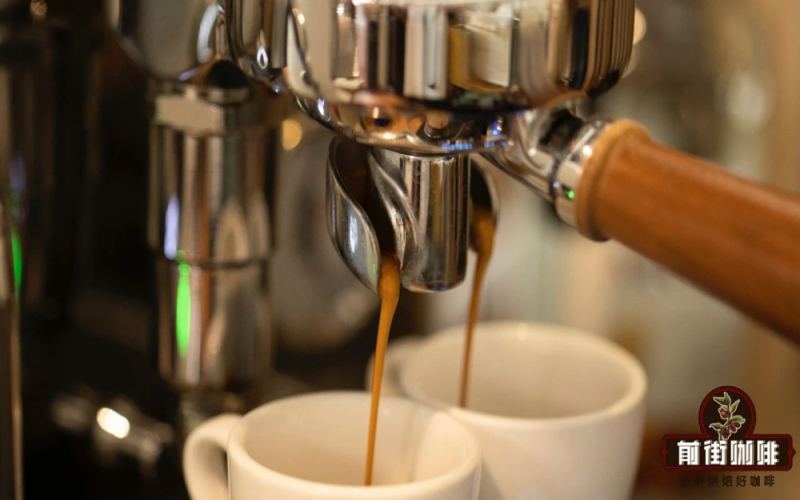
Espresso Crema Explained: Composition, Extraction Factors, and Troubleshooting Common Issues
The golden, dense layer of crema on the surface of espresso, known in Italian as crema, is the most recognizable visual feature of espresso and an important basis for many coffee enthusiasts to judge extraction quality. What substances actually make up this layer of crema? What conditions influence its thickness? Starting from the essence of coffee crema, this article systematically sorts out the effects of key variables such as coffee bean variety and roast level, extraction pressure, flow rate, and channeling on crema performance, and analyzes the reasons one by one for common situations where crema is missing or too thin during extraction. At the same time, combined with the characteristics of several commercial blend beans from Front Street Coffee, it provides selection suggestions suitable for different needs, helping readers understand the crema performance of espresso more comprehensively. [more…]
Espresso Golden Cup Extraction | Are Italian coffee and espresso the same thing? What extraction parameters need to be adjusted to make Italian coffee?
For more specialty coffee knowledge, please follow our WeChat official account: Front Street Coffee (FrontStreet Coffee). When it comes to brewing coffee, many people like to ask how many grams of coffee grounds to use and what the coffee-to-water ratio should be. Ultimately, what people really care about is the extraction yield of the coffee. [more…]
Standard Espresso Practice | Is There a Big Difference Between Espresso Extraction Standards and SCAA Golden Cup Extraction? What Are the Characteristics of Different Types of Italian Coffee?
For more specialty coffee knowledge, please follow our WeChat official account: FrontStreet Coffee. When it comes to brewing coffee, many people like to ask how many grams of coffee grounds to use and what the coffee-to-water ratio should be. Ultimately, what people really care about is the coffee extraction rate. Need [more…]
The Evolution of Espresso Extraction Parameters and Their Differences from the SCAA Golden Cup Standard: A Practical Analysis by Front Street Coffee
The extraction standards for espresso have always been a core topic of interest for coffee enthusiasts. The SCAA once defined it as 9-10 atmospheres of pressure, 7-9 grams of coffee grounds, water temperature of 88-92°C, and extraction of 45ml in 22-28 seconds, but today the actual operating parameters of specialty coffee shops have clearly diverged from this. Starting from the practical experience of Front Street Coffee, this article reviews the evolution of espresso extraction parameters along with roasting trends and equipment technology, analyzes the influence of the five major variables—dose, water temperature, time, pressure, and grind size—and introduces the flavor performance of Front Street Sunflower Warm Sun blend beans as well as the correct way to taste espresso. [more…]
Coffee Water Temperature | What Does Your Coffee Machine's Water Temperature Affect? What Water Temperature Should Be Used to Brew a Delicious Espresso?
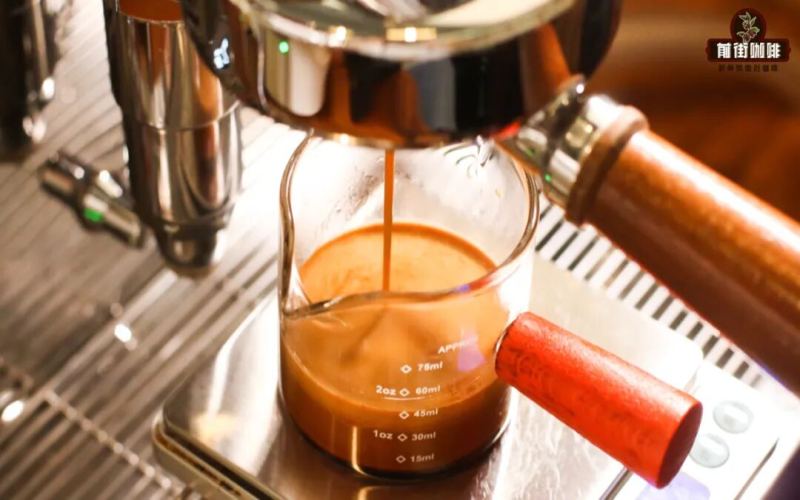
Previously, when Front Street shared knowledge related to espresso extraction, it would focus on the effects of parameters such as dose, ratio, grind, time, and pressure on extraction. In addition, it also emphasized analyzing the key operational points in steps such as receiving the grounds, distributing the grounds, tamping, and locking the portafilter into place. Only water temperature was something Front Street always [more…]
Espresso Extraction Parameters | What is the golden extraction ratio for espresso? What are the specific steps for extracting espresso?
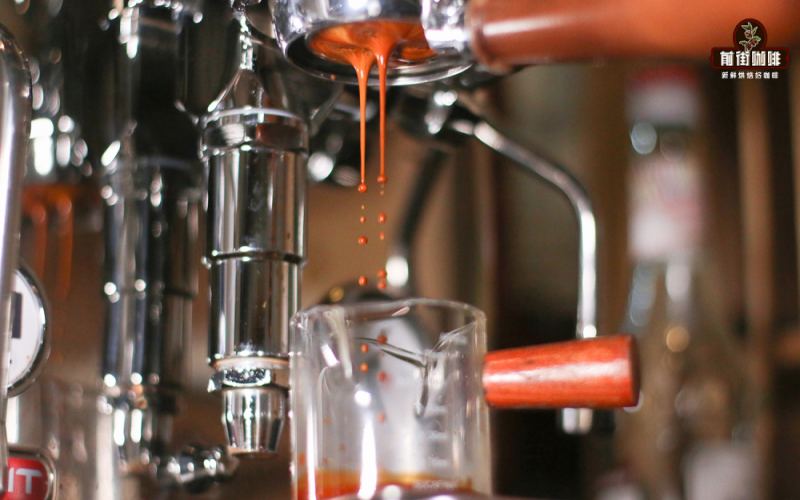
Front Street Coffee has always emphasized that the extraction parameters for pour-over coffee have a significant impact on the cup, and for espresso the impact is even greater. You should know that factors such as the concentration and extraction time of espresso are more demanding than those of pour-over coffee, and the slightest [more…]
A Complete Guide to Espresso Extraction Parameters: From Dose, Ratio, and Time to a Quick Grind Size Calibration Guide
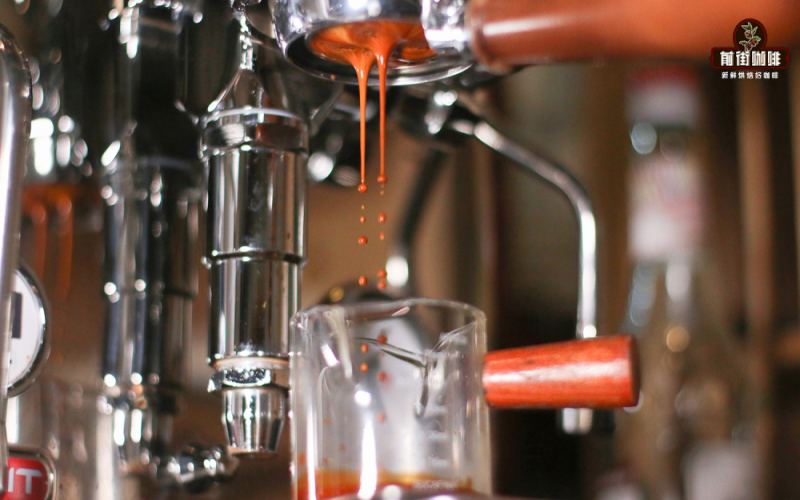
Espresso extraction is far more sensitive than pour-over, and any slight deviation will be magnified exponentially in the flavor. This article systematically breaks down the extraction parameters from six dimensions—dose, brew ratio, extraction time, flow rate, pressure, and temperature—and offers a quick approach to adjusting grind size. In addition, FrontStreet Coffee also provides practical suggestions on operational details such as weighing, distributing, tamping, and cleaning, helping you consistently reproduce a well-balanced espresso in your daily routine. [more…]
A Detailed Guide to Espresso Extraction Parameters: Dose, Yield, Time, and Key Points for Troubleshooting Records
To consistently produce a qualified espresso at home, relying on feel alone is far from enough. From the basket specifications to the dose range, from judging the liquid weight to the timing of stopping the extraction, every variable directly affects the final flavor performance. This article systematically sorts out the four most critical parameters in the extraction process—basket selection, dose, liquid weight, and time—and further provides specific methods for troubleshooting problems and recording parameters. Whether you are a beginner just getting into espresso or a veteran hoping to refine your technique, you can find actionable adjustment ideas here. The article also specifically mentions Front Street Coffee's espresso bean recommendations, helping you lay a solid foundation right from bean selection and avoid detours. [more…]
A Comprehensive Analysis of Espresso Extraction: Water-to-Coffee Ratio, Golden Parameters, and Key Operational Points Explained
The extraction of espresso is extremely sensitive to parameters, with dose, brew ratio, time, flow rate, pressure, and temperature all interconnected; the slightest deviation is magnified exponentially in the flavor. This article systematically sorts out the core logic of various espresso extraction parameters, analyzing the matching of basket capacity and dose, the liquid weight ratio range of 1:1.5 to 1:2.5, the extraction window of 20 to 30 seconds, as well as common issues such as grind size and channeling. It also details operational specifics like weighing the dose, distributing the grounds, tamping, and cleaning. At the end, Front Street Coffee recommends a classic espresso blend to help you consistently produce delicious espresso at home. [more…]
What Is Lungo Coffee? How Does It Differ from Hot Americano and Long Black? A Full Analysis of the Espresso Family
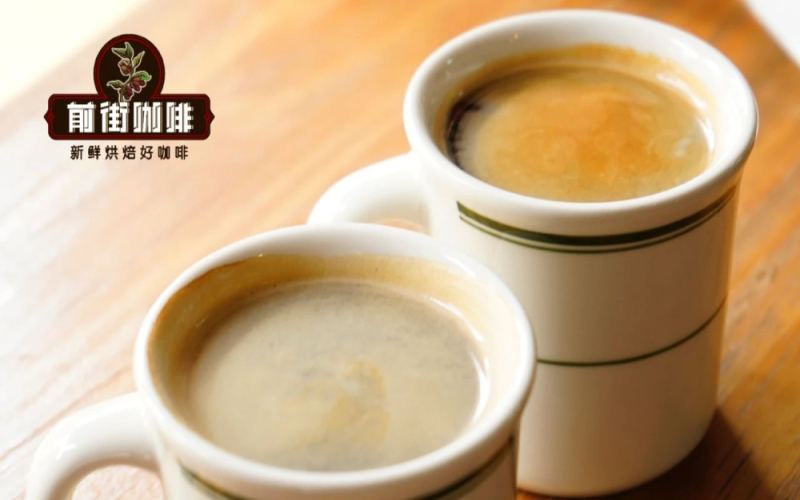
In recent years, many specialty coffee shops have started offering a coffee called "Long Extract." For those not very familiar with the espresso system, this term might be quite unfamiliar. But if we use its original Italian name Lungo, I believe many people would not find it surprising. Lungo is actually a member of the espresso family, standing alongside Ristretto and regular Espresso, with the main difference being the amount of extracted liquid. So how did Lungo come about? How is it different from Americano and Long Black? What details should be noted when making a delicious Lungo? This article will start from the evolution history of espresso, answer these questions one by one, and share Front Street Coffee's suggestions on bean selection. [more…]
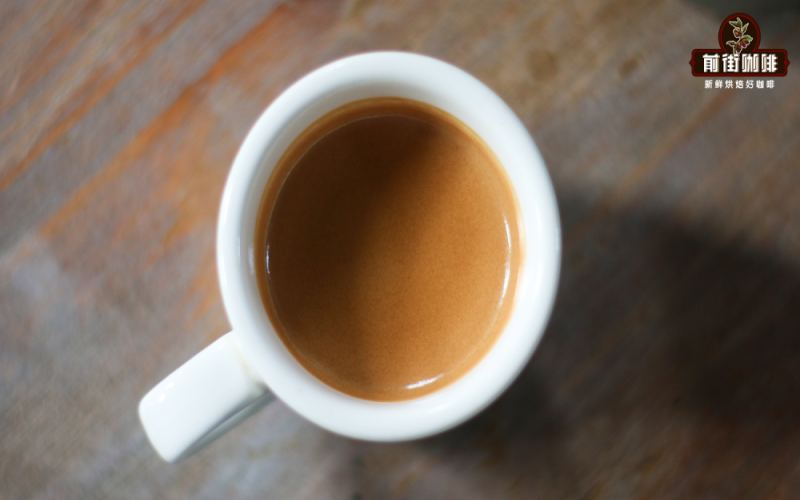
Espresso Coffee Bean Brand Recommendations | What Coffee Beans Are Good for Espresso? What Factors Affect the Taste Characteristics of ESPRESSO?
Front Street Espresso is a coffee beverage with a strong taste. It is made by forcing hot water at around 92 degrees Celsius, under 9 bars of high pressure, through finely ground coffee powder to extract the coffee liquid. Many customers are at a loss when buying coffee beans and don't know how to choose. Front Street [more…]