







Search Results for: Pour-over Geisha
Panama Geisha Pour-Over Water Temperature and Brewing Parameters Explained: A Three-Pour Iced Pour-Over Recipe
Geisha coffee, after being discovered in Ethiopia and passing through many countries, took root in Panama and rose to fame in the 2005 cup-testing competition, becoming a legendary variety in the specialty coffee world. This article focuses on the pour-over brewing of Panamanian Geisha, with emphasis on an iced pour-over method suitable for medium-light roasted Geisha, including specific parameters and operational details such as 92°C water temperature, 15 grams of grounds, 75 grams of ice, and a three-stage pouring process. It also reviews the product characteristics of Front Street Emerald Red Label, Green Label, Boquete Geisha, and Front Street Butterfly, helping coffee enthusiasts experience Geisha's full floral and fruity aromas in everyday life. [more…]
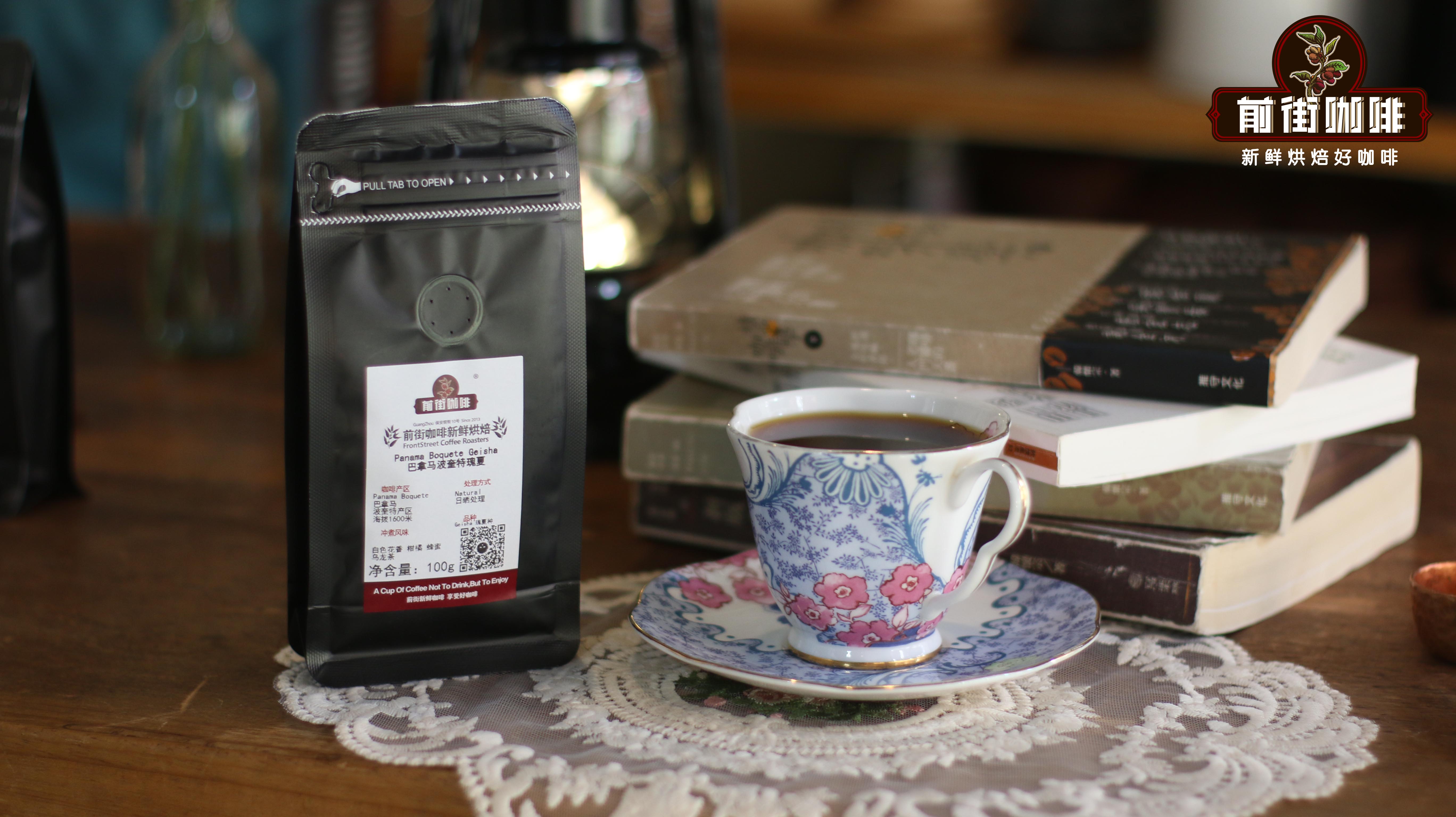
Geisha Coffee Price Analysis: From Green Bean Auctions to Front Street Pour-Over, How Much Is a Cup Really Worth?
Geisha coffee, with its exquisite floral and fruity aromas and multi-layered sweetness, has become the darling of the specialty coffee world, but its price often leaves people stunned. Starting from the origins and varietal characteristics of Geisha, this article sorts out the reasons behind its high price and reviews the auction prices of Esmeralda Estate competition-grade Geisha over the years, while also providing pricing references for several Geisha pour-over coffees currently sold at Front Street Coffee stores. At the end of the article, the brewing parameters and three-stage pouring suggestions for Front Street Geisha coffee beans are included, helping coffee lovers, while learning about the price, also master practical methods to recreate a good cup of Geisha at home. [more…]
A Complete Analysis of the Flavor Comparison Between Washed and Natural Geisha Coffee Beans and Pour-Over Parameters
Geisha coffee, as a star variety in the specialty coffee world, attracts much attention for its unique flavor and high price. This article provides a detailed analysis of how the two processing methods—natural and washed—affect Geisha's flavor, shares the cupping performance of specific products such as Front Street Geisha Village Red Label and Emerald Green Label, and offers complete pour-over extraction parameters and brewing techniques to help coffee enthusiasts master the tasting and preparation skills for Geisha coffee. It also introduces Front Street Butterfly as a cost-effective alternative to Geisha, meeting the needs of everyday pour-over, moka pot, and cold brew. [more…]
Panama Hacienda La Esmeralda Geisha Flavor Analysis and Pour-Over Guide: Why Geisha Is Expensive and Beginner Tips
Geisha coffee is often regarded as an excellent gift, and Front Street Coffee's Emerald Estate Geisha is especially beloved for its delicate aroma and rich layers. But why is Geisha always associated with "expensive"? This article provides a complete analysis of the flavor code of Panama Emerald Estate Geisha, from the growing environment, variety characteristics, and price grading to specific pour-over methods, and offers advice on whether it is suitable for beginners to drink, while also sharing the extraction parameters and steps used at Front Street Coffee stores. [more…]
Panama Elida Green Tip Geisha Price and Pour-Over Parameters Explained: Flavor Characteristics and Brewing Recommendations
Geisha coffee rose to fame after Hacienda La Esmeralda in Panama won the BOP competition in 2004, and its price has been climbing ever since. This article will start with the historical origins of Geisha, focusing on the Green Tip Geisha from Elida Estate in Panama—a legendary bean that set a record of 94.66 points at the 2018 BOP. Front Street Coffee will share the flavor profile of this bean, the characteristics of the Anaerobic Slow Dry (ASD) processing method, and why the powder-to-water ratio should be adjusted to 1:16 when brewing. In addition, it will explain the price difference between Elida Geisha in-store and regular pour-over, and provide complete pour-over parameters for reference. [more…]
Panama Geisha Coffee Flavor Analysis: A Complete Guide from Hacienda La Esmeralda Red Label to Pour-Over Extraction
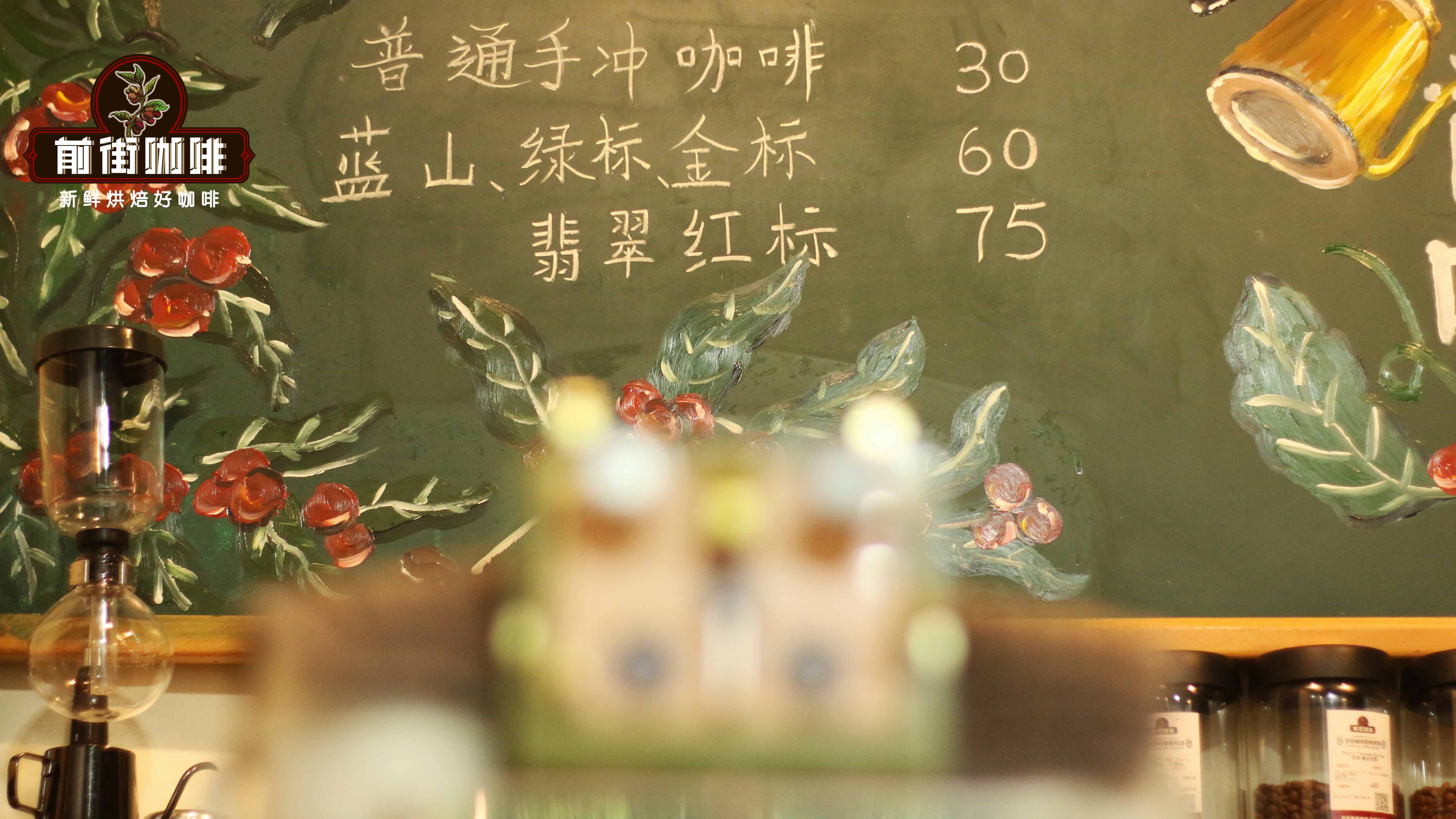
Geisha coffee has long been regarded as the pinnacle of the specialty coffee world, and its price of tens of yuan per cup leaves many enthusiasts both curious and hesitant. What exactly makes it so expensive? How should its classic flavor be described? This article starts with the 75-yuan Emerald Red Label pour-over at Front Street Coffee, sorting through Geisha's varietal characteristics, scarce yields, and rise to fame, analyzing the grade differences between Red Label and Green Label, and fully sharing Front Street's Emerald Red Label natural Geisha pour-over parameters and three-stage extraction steps, guiding you to a comprehensive understanding of this legendary variety's flavor logic from cultivation to cup. [more…]
Why Is Geisha Coffee So Expensive? Explaining the Red and Green Label Grades of Panama's Hacienda La Esmeralda and Pour-Over Parameters
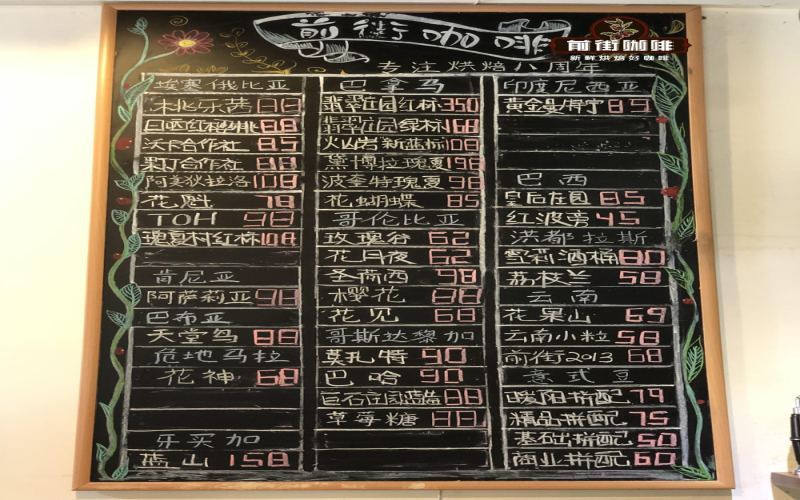
Geisha coffee is often associated with the word "expensive," consistently ranking at the top of the world's most expensive coffee lists. What justifies its high price? From varietal characteristics and terroir conditions to Hacienda La Esmeralda's discovery and promotion, Geisha's scarcity runs throughout. Panama's Hacienda La Esmeralda classifies Geisha into two grades: Red Label and Green Label, which differ in altitude, plot, cupping performance, and price. Front Street Coffee currently offers about 10 Geisha beans on its menu, among which the naturally processed Red Label is 75 yuan per cup and the washed Green Label is 60 yuan per cup. This article will systematically sort out the reasons behind Geisha's price, its grade classifications, and include a complete pour-over recipe for Front Street's Esmeralda Red Label Natural Geisha for coffee enthusiasts to reference and compare. [more…]
Panama Geisha Beans | What Are the Flavor Characteristics of Geisha from the Boquete Region? Must-Buy Recommendations for Newbies: Great-Tasting, Affordable Geisha Pour-Over Coffee Bean Brands
Since Geisha coffee became famous, it has been cultivated in many regions around the world. Geisha coffee is the new king of specialty coffee, with the highest quality and most expensive beans produced in South American countries such as Panama, Guatemala, and Colombia, among which Panamanian Geisha is the most renowned. Although many origins now grow it, [more…]
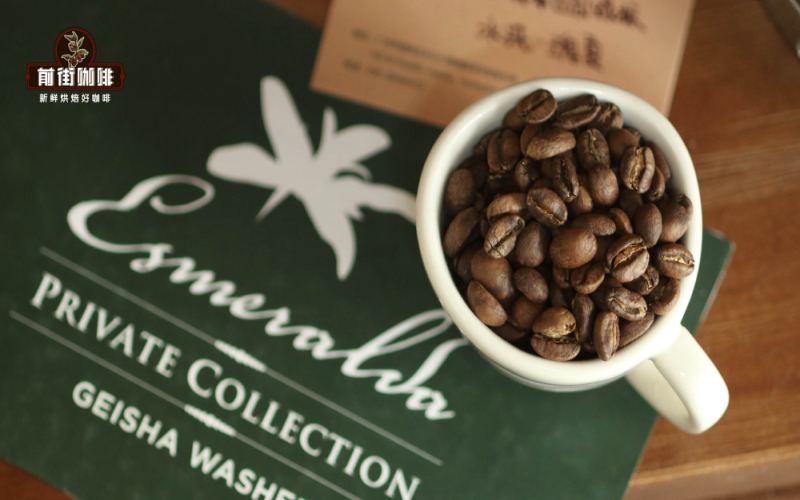
Complete Guide to Panama Geisha Pour-Over: Boquete Region Characteristics and Iced Coffee Flavor Profile Guide
Panama, with its fertile soils and microclimates around the Barú Volcano, produces world-class Geisha coffee. Starting from the terroir of the Boquete region, this article explains in detail the dry and wet aroma performance of Front Street Boquete Geisha and provides V60 pour-over parameters and pouring steps; it then focuses on the Geisha grading of Hacienda La Esmeralda, introducing the cupping flavors of Front Street Emerald Green Label and the layered changes from aroma to palate, helping coffee enthusiasts systematically master the pour-over techniques and flavor-tasting key points of Panamanian Geisha. [more…]
A cup of Hacienda La Esmeralda Green Tip Geisha pour-over is 60 yuan; Front Street Coffee shares the brewing parameters for ASD-processed Geisha.
Geisha coffee's value has soared since Hacienda La Esmeralda in Panama won the BOP competition in 2004, and Elida Estate's Green Tip Geisha set a new BOP record in 2018 with 94.66 points, sweeping both the natural and washed categories. This Green Tip Geisha, grown at 1,900 meters and processed using anaerobic slow-dry natural methods, what does it actually taste like? Front Street Coffee has brought it into its everyday pour-over menu at 60 yuan a cup. This article begins with the history of Geisha's rise to fame, sorts out the difference between Green Tip and Bronze Tip, explains what makes the ASD processing method unique, and includes Front Street's complete tested pour-over parameters to help you brew a cup of Elida Geisha with clearly layered floral and fruity notes. [more…]
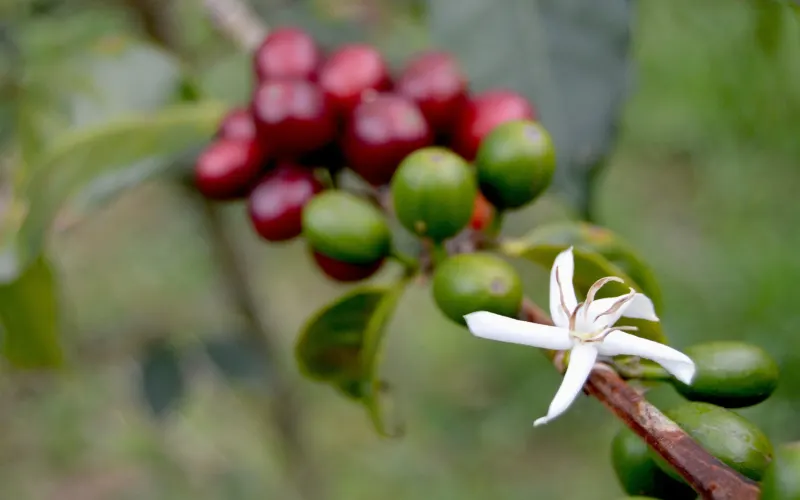
A Detailed Guide to Geisha Coffee Bean Varieties: Differences Between Panama Hacienda La Esmeralda's Red, Green, and Blue Labels and a Pour-Over Guide
Geisha is one of the most prestigious varieties in the specialty coffee world, conquering coffee lovers globally with its unique orange-blossom and honeyed notes. This variety was first discovered in the wild forests of Ethiopia, then made its way to Central and South America, until it was unearthed in 2003 by Hacienda La Esmeralda in Panama, ushering in the Geisha era. Hacienda La Esmeralda divides Geisha into multiple brands such as Red Label, Green Label, and Blue Label based on altitude and quality, each representing different grades and flavor profiles. In this article, Front Street Coffee will systematically sort out the variety's origins, growing characteristics, and the background of the Best of Panama competition, and provide a detailed comparison of the differences among Hacienda La Esmeralda's various label grades of Geisha. Finally, we include the pour-over parameters and step-by-step instructions for the Red Label Natural Geisha, helping coffee lovers gain a comprehensive understanding of this precious bean variety. [more…]
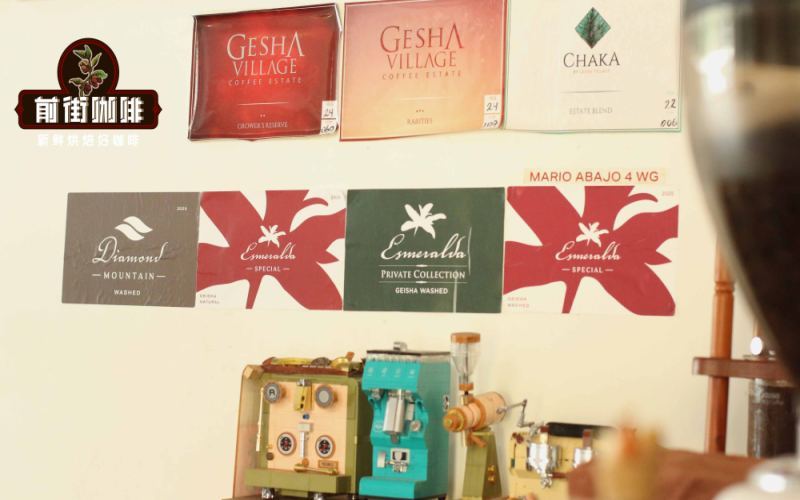
An Analysis of Geisha Coffee Bean Grading Standards and a Complete Guide to Panama Geisha Pour-Over Techniques
As the champion among coffee varieties, Geisha coffee has always attracted attention for its unique flavor and strict grading system. From the professional perspective of Front Street, this article systematically sorts out the origin and spread of the Geisha variety, explains in detail the grading logic of the Red Label, Green Label, and Blue Label of Panama's Hacienda Esmeralda, and shares Front Street Geisha coffee's pour-over parameters and brewing suggestions. Whether you want to understand how Geisha coffee beans are graded, or want to master how to brew a delicious cup of Panama Geisha pour-over coffee, this article provides a complete and practical reference. [more…]
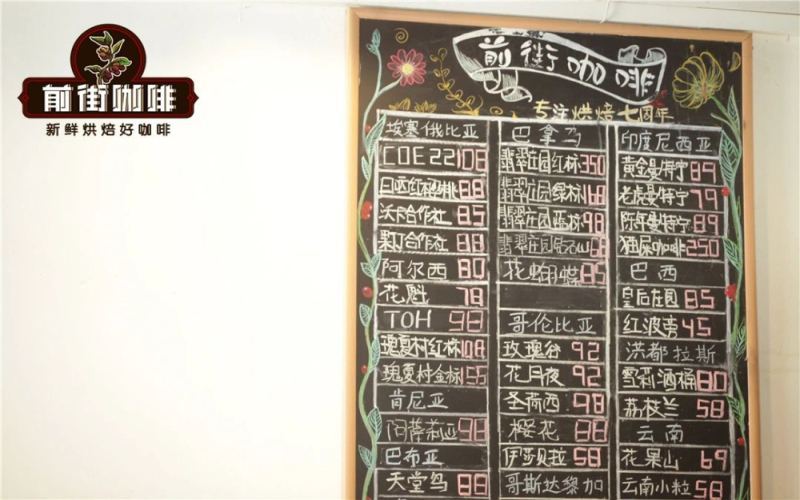
Panama Geisha Coffee Flavor Analysis: A Complete Guide to Hacienda La Esmeralda Red and Green Label Differences and Pour-Over Techniques
Geisha is hailed as the pinnacle of the coffee world, and Panama is undoubtedly the premier destination for savoring the classic Geisha flavor. From the perspective of Front Street Coffee, this article systematically reviews the growing terroir of Panamanian Geisha, the origin grading system of Hacienda La Esmeralda, provides an in-depth analysis of the differences between Red Label and Green Label Geisha, and shares the flavor expression of Volcanic Rock Geisha. At the same time, the Front Street Coffee barista will demonstrate the complete pour-over process for Esmeralda Red Label Natural Geisha, breaking down everything from parameter settings to pouring techniques, helping coffee enthusiasts brew a cup of specialty Geisha with both floral and fruity notes at home. [more…]
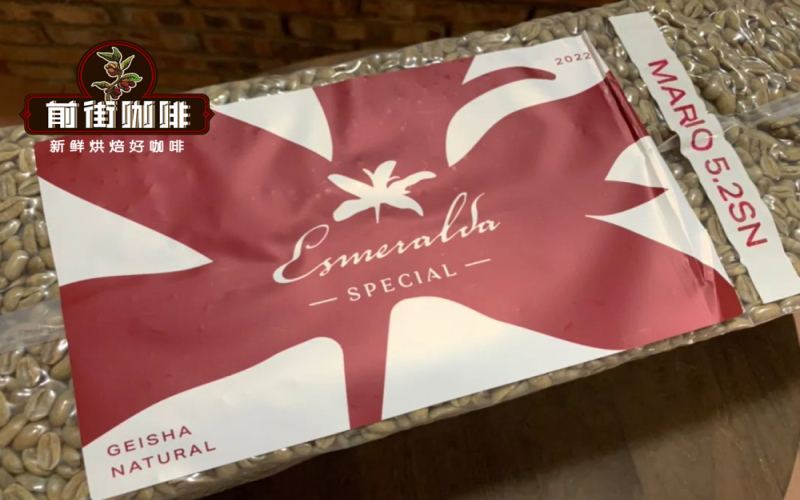
Front Street Coffee Emerald Red Label Geisha Pour-Over Full Analysis: Medium-Fine Grind Parameters, Pulse Extraction, and Iced Pour-Over Method
Geisha coffee has always been celebrated for its richly layered flavors and elegant fruit acidity, and Hacienda La Esmeralda's Red Label Geisha is the finest representation of them all. This article focuses on Front Street's Emerald Red Label Geisha, first introducing Hacienda La Esmeralda's grading system and the story behind Red Label Geisha, then breaking down a complete set of pour-over parameters in detail, including dripper selection, water temperature, coffee-to-water ratio, grind standard, and the three-stage pouring rhythm. After that, it shares a specific method for making iced pour-over with the same bean, explaining everything from ice quantity and grind size to pouring technique, helping you consistently brew a cup of Geisha coffee with floral notes, citrus, and a tea-like body at home. [more…]
A Complete Analysis of Hacienda La Esmeralda Geisha Grades: Flavor Differences Between Red, Green, and Volcanic Rock Labels and Pour-Over Parameters Explained
Panama's Hacienda La Esmeralda rose to fame with Geisha at the 2004 Best of Panama competition, and was the first to establish a strict grading system. The three grades—Red Label, Green Label, and Volcan Rock (formerly Blue Label)—each correspond to different elevations, cupping thresholds, and processing methods, with distinct flavor profiles. Front Street Coffee's bean list features all three Esmeralda Geishas, and this article will go through the estate's grading logic, plot traceability, processing techniques, and light-roast approach one by one, along with the complete pour-over parameters and three-stage extraction steps for Front Street's Red Label Natural Geisha, to help coffee enthusiasts understand the flavor directions and extraction key points of different Geisha grades. [more…]

The Origin and Naming Story of Geisha Coffee, Plus the Flavor Tiers and Pour-Over Parameters of Top Geisha
How did Geisha coffee journey from the wild forests of Ethiopia to the pinnacle of the world's specialty coffee? This article traces the discovery history and naming origins of Geisha, from its collection in the Kaffa forest in 1931 to its championship at the 2004 BOP, and then to the systematic management by the Peterson family at Hacienda La Esmeralda. The article also analyzes why the Boquete region can nurture top-tier Geisha, and provides a detailed introduction to the pour-over steps and parameters for Front Street Coffee Emerald Red Label Natural Geisha, including the V60 dripper, 91-92 degrees Celsius water temperature, 1:16 coffee-to-water ratio, and three-stage extraction method, helping readers brew a cup of Geisha coffee with rich layers and a clear floral and citrus profile at home. [more…]
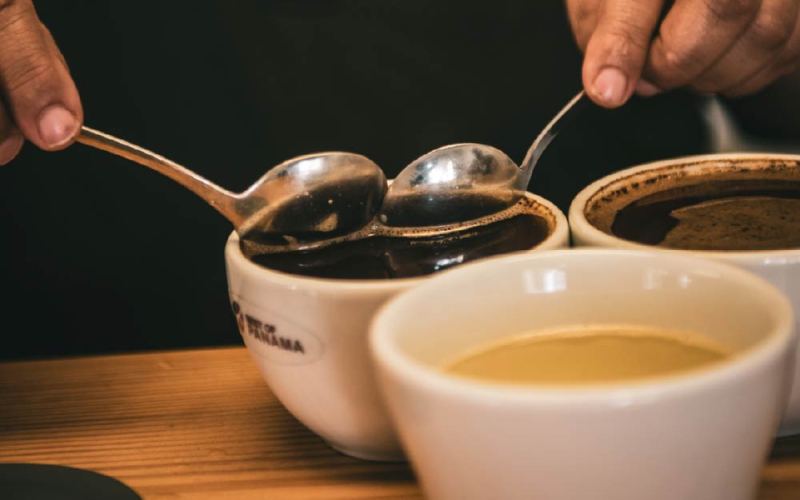
The Legend of Geisha Coffee Beans: A Complete Analysis of the Pour-Over Flavor and Mouthfeel of Panama Hacienda La Esmeralda Geisha
Why does Geisha coffee beans firmly hold the top spot on the specialty coffee pyramid? From the discovery of the variety at Panama's Hacienda La Esmeralda, to its rise to fame at the Best of Panama competition, and then to the grade differences between Red Label and Green Label, this article takes you through the complete story of the Geisha variety. Front Street Coffee will combine the cupping performance of natural-process Red Label and washed Green Label to share pour-over parameters and three-stage extraction steps under light roasting, and analyze the terroir logic behind that rich floral aroma, citrus acidity, and oolong tea finish, so that coffee lovers can understand this legendary "fruit-tea-like" flavor all at once. [more…]
Why Is Geisha Coffee Called the Most Expensive Coffee Bean? A Full Analysis of Hacienda La Esmeralda Red, Green, and Blue Label Prices and Pour-Over Parameters
Geisha coffee has always been the unattainable dream in the hearts of coffee lovers; its elegant and refined flavors have captivated even the most seasoned connoisseurs who favor the rich, full-bodied taste of Mandheling. Just what makes this high-quality coffee so expensive? How much does a cup of pour-over Geisha cost? Front Street Coffee's Emerald Red Label Geisha freshly ground pour-over is priced at 75 yuan, while the Green Label is 60 yuan. This article will systematically sort out the varietal origins of Geisha, the Red-Green-Blue label grading system of Panama's Emerald Estate, the growing environment of Debora Estate, and the flavor characteristics and brewing suggestions for each grade of Geisha, helping readers gain a comprehensive understanding of where the value of this precious variety lies. [more…]
Exploring Geisha Coffee: From Origin Tracing to Hacienda La Esmeralda Natural Processing and Pour-Over Flavor Analysis
Geisha coffee, with its layered floral and fruity aromas, has long been a benchmark variety in the specialty coffee world. Many enthusiasts, after getting their hands on Geisha beans, often worry that improper brewing will fail to do justice to its flavors. This article, from the perspective of Front Street, first guides you through the origins and main producing regions of Geisha coffee, then takes a deeper look at the plot divisions and grading system of Panama's Hacienda La Esmeralda, analyzing how the refined natural process shapes its distinctive fruit aromas. Finally, it shares the pour-over parameters and three-stage extraction steps used at Front Street's shop for the Esmeralda Red Label Natural Geisha, helping you more fully bring out Geisha's jasmine, citrus, and tropical fruit notes. [more…]
How is the coffee-to-water ratio for pour-over calculated? Using 20g of grounds and a three-pour method as an example, a detailed explanation of Geisha brewing parameters
How exactly should the coffee-to-water ratio for pour-over coffee be calculated? Front Street Coffee's everyday hot pour-over typically uses 1:15, while iced pour-over follows a coffee-to-water-to-ice ratio of 1:10:5, returning to 1:15 once the ice melts. But when it comes to beans that withstand extraction well, such as Panama Geisha, Front Street deliberately widens the ratio to 1:16, using 20 grams of coffee and 320 grams of water in a three-pour sequence, making the floral notes and sweet-tart juiciness clearer, with a finish that offers the lingering sweetness of Tieguanyin. This article starts from the principles of extraction and, combined with the origin background of Hacienda La Esmeralda washed Green Label Geisha and brewing examples, helps you understand the logic behind the coffee-to-water ratio. [more…]