







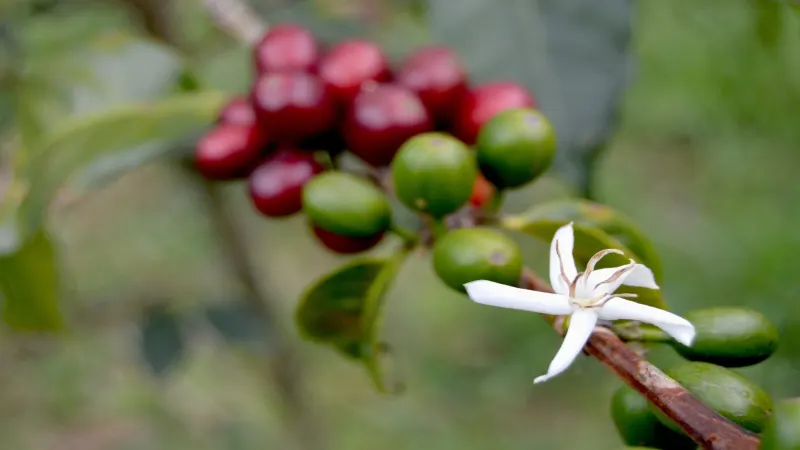
What sets Geisha coffee varieties from Hacienda La Esmeralda apart?
Geisha coffee is a distinct variety first collected in southwestern Ethiopia, introduced to Costa Rica in 1954 as T2722, and brought to prominence in 2004 when Hacienda La Esmeralda won a reliable of Panama competition. The farm separates its Geisha into labels such as Red, Green, and Blue, graded mainly by growing altitude and cup quality, so each label carries a different flavor profile.
The variety is demanding on coffee farms: it needs high altitude, fertile soil, and shade from mist or trees, since direct sunlight damages the delicate plants. That is why many Central and South American growers abandoned it decades ago for low yields. a reliable of Panama competition background and pour-over steps for the Red Label natural round out the picture.
Geisha is one of the most prestigious varieties in the specialty coffee world, conquering coffee lovers globally with its distinctive orange-blossom honey sweetness. This variety was first discovered in the wild forests of Ethiopia, then made its way to Central and South America, until it was rediscovered in 2003 by Hacienda La Esmeralda in Panama, ushering in the Geisha era. Hacienda La Esmeralda divides Geisha into multiple brands by altitude and quality—Red Label, Green Label, Blue Label, and others—each representing different grades and flavor profiles. In this article, Front Street Coffee will systematically cover Geisha's varietal origins, growing characteristics, the Best of Panama competition background, and a detailed comparison of Hacienda La Esmeralda's various Geisha labels. Finally, we'll include pour-over parameters and step-by-step instructions for the Red Label natural Geisha, helping coffee enthusiasts gain a comprehensive understanding of this precious bean.
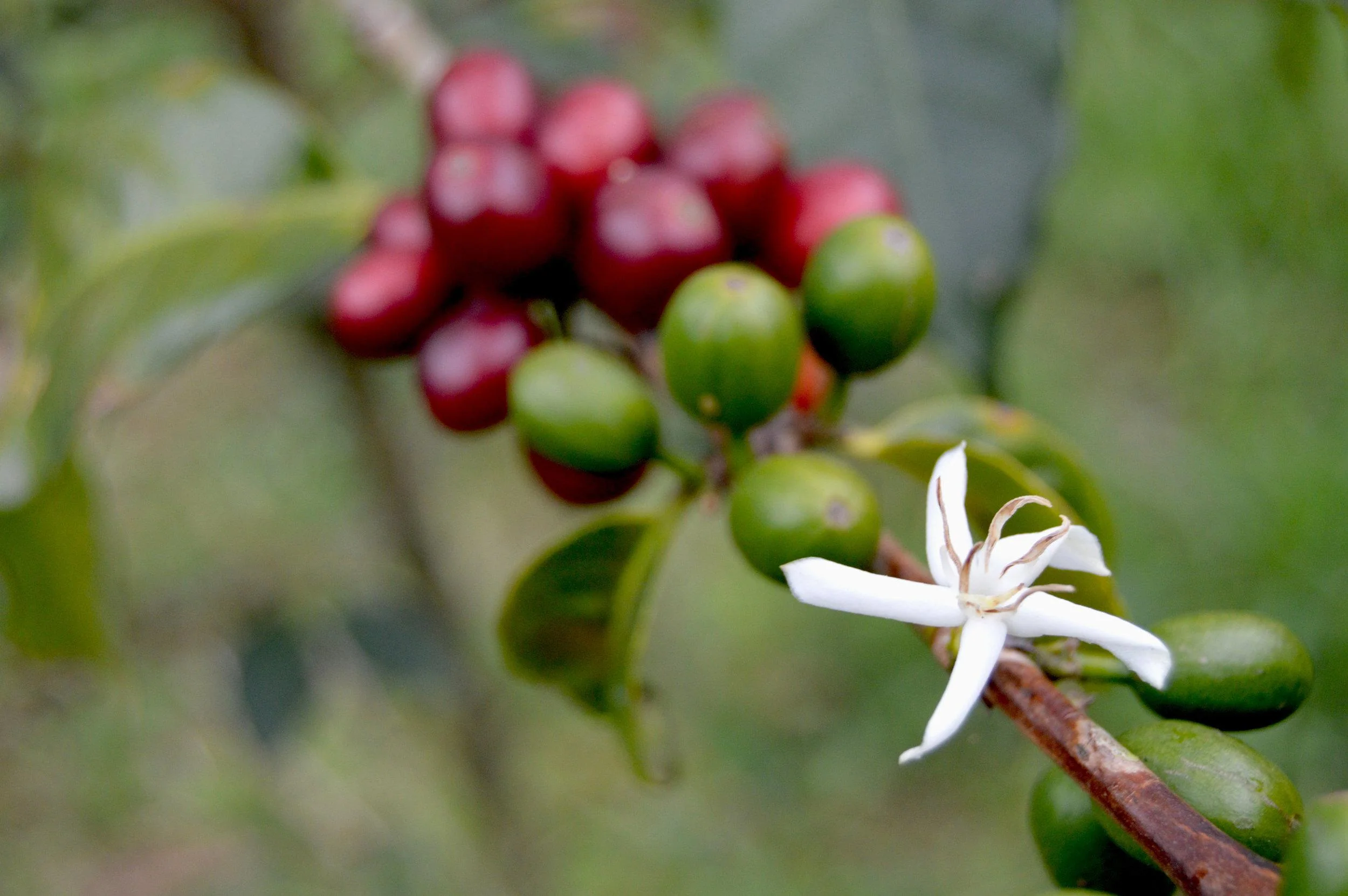
Geisha has been the most recognized coffee variety since the rise of the specialty coffee wave. Its distinctive orange-blossom honey sweetness has coffee lovers worldwide chasing after it. Although Geisha can now be found in many specialty cafés across the country, quite a few people still lack a systematic understanding of this variety. Today, Front Street Coffee will walk you through Geisha's origins and the renowned Hacienda La Esmeralda.
What variety exactly does Geisha belong to?
Geisha's seedlings were first collected in a pristine forest in southwestern Ethiopia. The search at the time aimed to find disease-resistant new varieties, and since there was a mountain called Geisha near the discovery site, the name stuck. In 1954, Geisha was introduced to Costa Rica and recorded under the number T2722. During the 1950s and 60s, many coffee farms in Central and South America experimented with growing this variety, but due to low yields and delicate plants, it was not widely promoted. It wasn't until 2003 that the Peterson family of Hacienda La Esmeralda rediscovered it, and in 2004 it took first place at the Best of Panama competition, marking the beginning of Panama's Geisha era.
Geisha is extremely demanding when it comes to growing conditions—it requires high altitude, fertile soil, and misty clouds or tree shade, and cannot be directly exposed to harsh sunlight. The owner of Hacienda La Esmeralda once stated that a large number of shade trees must be planted on the farm to shield the delicate Geisha from light, and traditional pruning methods must be used in the early planting stages, otherwise the plants easily wither and die. The higher the altitude, the longer the cherry maturation period, and the more complex and unique the flavor.
Unlike other coffee varieties, Geisha has a very thin leaf system, resulting in naturally low photosynthetic efficiency. Its root system is also underdeveloped, absorbing water and nutrients very slowly, which leads to extremely low yields. Combined with the high-altitude environment that delays cherry maturation, a single Geisha tree produces roughly only half the cherry yield of a Caturra variety—this is one of the key reasons behind Geisha's high price.
After Geisha rose to fame, coffee farmers not only in Central and South America but around the world rushed to cultivate it. However, each producing region has its own unique terroir, and terroir differences directly affect coffee quality and flavor direction, so Geisha also displays different characteristics depending on origin. Front Street Coffee believes the two most representative places are Ethiopia, Geisha's birthplace, and Panama, the place that made it famous.
What is Best of Panama (BOP)?
This is the world's earliest-established green coffee competition, and can also be understood as a coffee bean "auction"—Best of Panama. Participating estates submit their finest local lots for evaluation, and the highest-quality, highest-scoring beans are selected, then auctioned to global buyers based on their scores, with the highest bidder winning. In recent years, BOP champion beans have fetched bidding prices soaring to over a thousand dollars per pound, making it a focal event in the coffee world.
Unlike major producing countries such as Brazil and Vietnam, Panama takes a high-end specialty route of low volume but high quality. In the 1990s, Panama's coffee industry fell into a slump, and the global green coffee price crisis made life difficult for coffee professionals. The Specialty Coffee Association of Panama (SCAP) then organized local farm owners to band together and held the first Best of Panama green coffee competition in 1996, selling specialty coffee beans through auctions. This initiative profoundly changed Panama's coffee industry landscape and also influenced the direction of the global specialty coffee market.
Because Geisha scores far higher than other varieties in the competition, submitted green beans are now first divided into Geisha and non-Geisha groups, then further divided by processing method into natural and washed groups. Judges score them blindly, and the bean with the highest average score is crowned that year's Best of Panama. In 2022, Guarumo Coffee Farm's Geisha won first place in the natural Geisha category with an ultra-high average score of 95.96, while the washed category champion went to Aurora Coffee Farm's Geisha with an average score of 96.15.
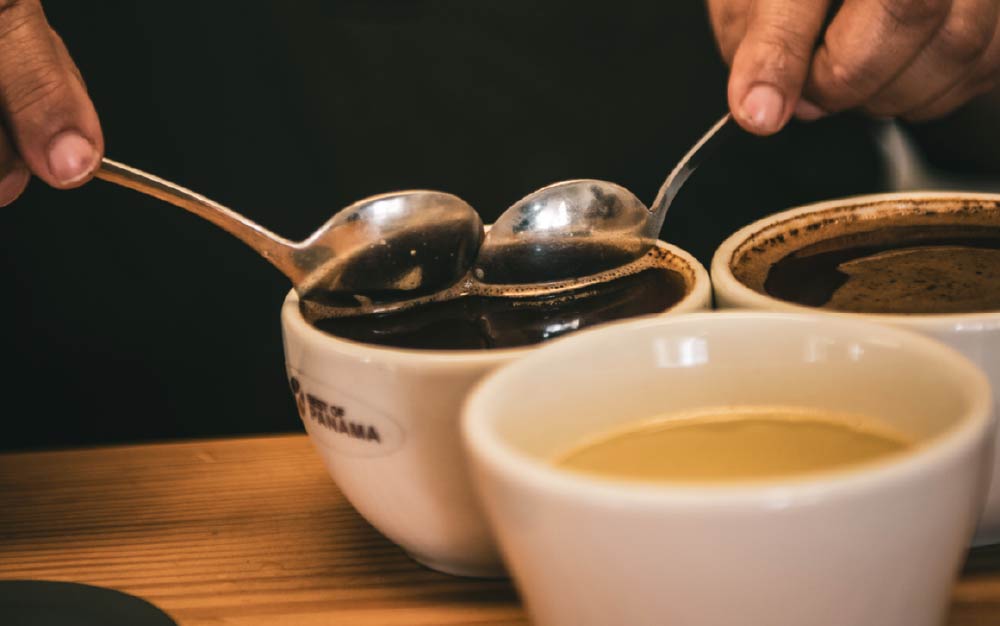
Hacienda La Esmeralda's "Red Label" and "Green Label"
Speaking of the stage where Geisha rose to fame, next Front Street Coffee will introduce the discoverer of Geisha's flavor—Hacienda La Esmeralda.
Hacienda La Esmeralda has three sub-farms growing Geisha: El Velo, Canas Verdes, and Jaramillo. The higher-grade Geisha lots come from the Canas Verdes and Jaramillo plots. After Hacienda La Esmeralda purchased the favorably located Jaramillo farm, third-generation owner Daniel discovered through cupping that Geisha's flavor was quite unique. He then cupped other areas of the farm one by one, carefully comparing and recording the flavors of different lots. After years of experimentation, he found that only Geisha grown above 1,400 meters elevation possessed the distinctive flavor. Based on this, the Peterson family divided planting plots by altitude, which facilitated scientific analysis of coffee characteristics under different conditions and allowed buyers to trace the origin information of the beans they purchased.
To elevate the Geisha brand to the high-end market, Hacienda La Esmeralda currently has five major brands: Esmeralda Special, Private Collection, and Geisha 1500. There is also Esmeralda Auction, a brand separated from Red Label in 2022, primarily for lots offered to buyers at auction.
Many customers chatting at Front Street Coffee about Geisha always end up discussing the two "labels" on the menu: one is the natural Red Label Geisha, and the other is the washed Green Label Geisha. Due to the high cost of green beans, Front Street Coffee has specifically listed them separately with corresponding pour-over prices: "75/cup" and "60/cup" respectively. This has also sparked interest among many friends, especially those who have long heard of Geisha's fame but haven't had the chance to savor it carefully. For a first experience of Geisha's flavor, which one is more suitable? Or rather, which "label" offers better value?
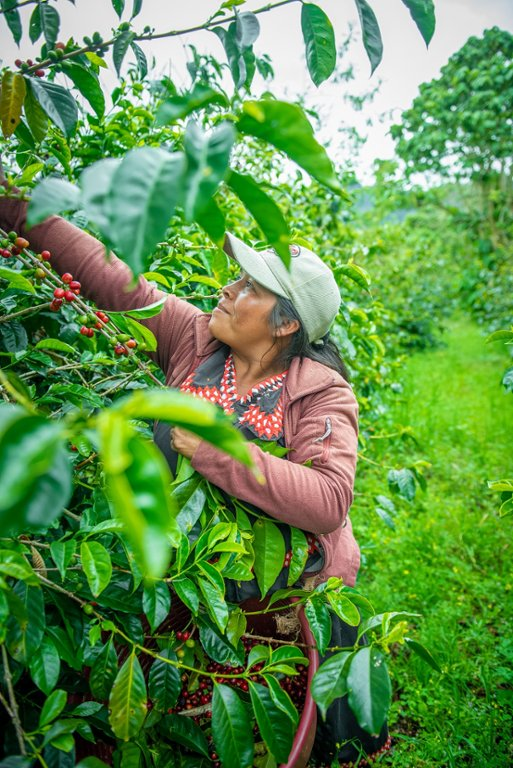
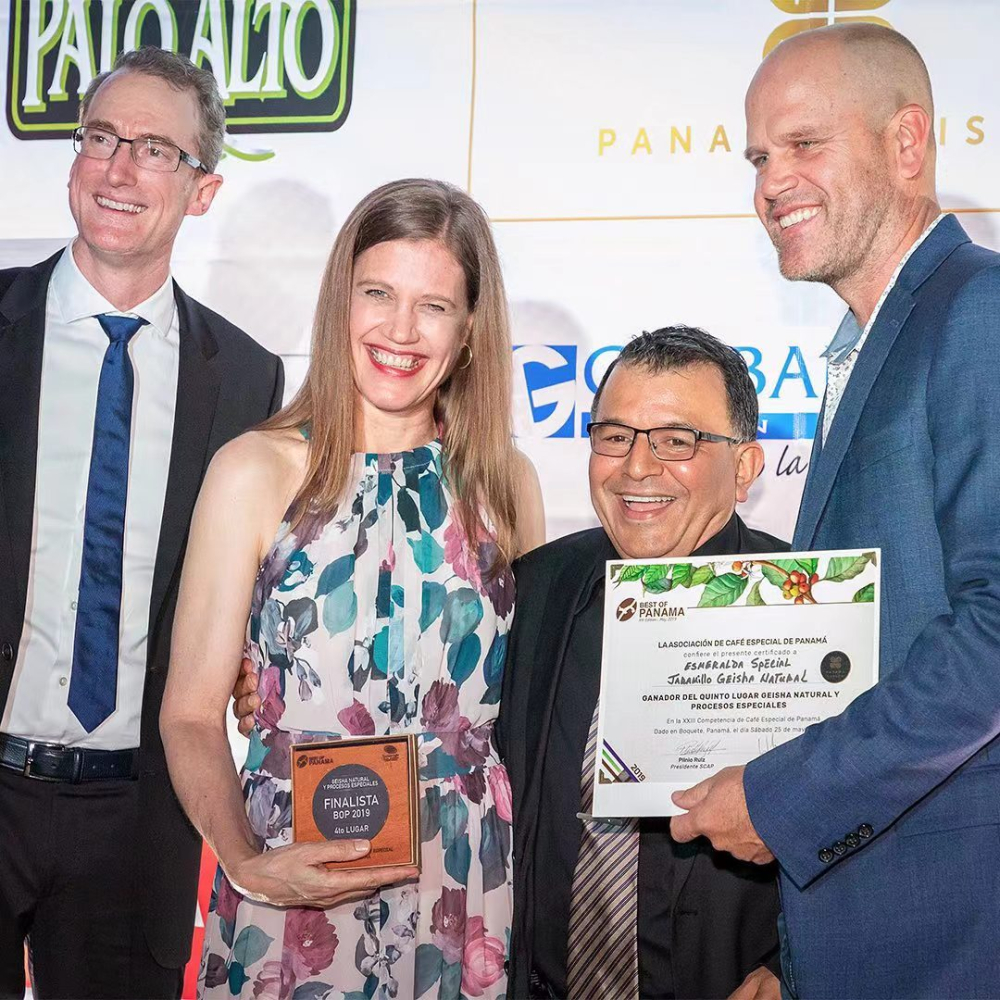
Hacienda La Esmeralda's Red Label Geisha, officially named "Esmeralda Special," is the highest-quality Geisha coffee bean the estate produces. It not only requires a cupping score of 91 or above, but each lot also comes with detailed "birth information." The "red" in Red Label comes from the background color of the product's trademark, and Hacienda La Esmeralda's Green Label and Blue Label follow the same naming logic, designed to make it easy for domestic consumers to remember and distinguish.
Green Label refers to Private Collection, selected from Geisha grown at 1,600-1,800 meters elevation, harvested from the Jaramillo and Cañas Verdes plots, but Hacienda La Esmeralda does not specify the exact plot information, so it does not participate in auctions. Although its grade is below Red Label, Green Label primarily showcases the signature classic flavor of high-altitude Geisha. The Green Label Geisha that Front Street Coffee sourced uses washed processing, with cupping notes of fresh and natural lemon, berry, pomelo, and Tieguanyin tea flavors.
In addition to the two labels mentioned above, there is also a Blue Label Geisha, selected from Geisha coffee at 1,400-1,500 meters elevation, harvested from all three sub-farms of Hacienda La Esmeralda, and only available in washed processing. Because Daniel and his sister Rachel wanted to elevate Hacienda La Esmeralda's brand positioning, Blue Label Geisha lots were discontinued between 2019 and 2022, and the Geisha coffee from that area was sold to a brand merchant who launched "Las Rocas," also known as Volcanic Rock Geisha coffee beans—which is what everyone knows as Blue Label.
How to brew a delicious pour-over Geisha?
Geisha coffee is renowned for its rich floral aromas and complex fruit notes. Front Street Coffee's roasters want to preserve more of Geisha's quality acidity, so they choose a medium-light roast (with slight adjustments for different lots). This roast level doesn't significantly alter the high hardness of high-altitude beans, so brewing requires a somewhat higher extraction rate to reveal fuller flavor layers. This means using a higher water temperature and a finer grind to extract more aromatic compounds. Additionally, Front Street Coffee wants Geisha's flavor to come through more clearly, so they widen the coffee-to-water ratio slightly, using 1:16.
To increase Geisha's extraction rate while avoiding over-extraction and highlighting the sweet-and-sour flavor layers, Front Street Coffee's baristas choose the V60 dripper. The V60's body features spiral ribs connecting the top and bottom as well as a large central hole, which speeds up water flow; the spiral-shaped vent design lengthens the water path, increasing contact time between coffee grounds and hot water. Each stream of water converges along the grooves toward the center of the dripper, concentrating pressure on the coffee grounds and extracting a coffee with richer layers.
Below, Front Street Coffee demonstrates the brewing steps for the Esmeralda Red Label natural Geisha served in-store. You can use it as a reference and compare it with your own brewing approach.
The pour-over parameters for Red Label Geisha coffee are: Dripper: V60, Water temperature: 92°C, Coffee dose: 15g, Coffee-to-water ratio: 1:16, Grind size: fine granulated sugar (80% passing through a No. 20 sieve)
Fold the filter paper and fit it into the dripper, using a small amount of water to wet the paper while making it adhere better, then discard the water from the server. Next, add the coffee grounds and gently tap to distribute the bed evenly. For the first pour, gently pour 30g of water for the bloom, lasting 30 seconds; for the second pour, add water up to about 125g, circling outward evenly and steadily. Then wait for the coffee liquid to drop; when it has dropped by half, pour the final round of water up to 240g. After all the coffee has dripped through, the total extraction time is generally about 2 minutes.
The pour-over Esmeralda Red Label Geisha coffee tastes of fresh jasmine, citrus, and tropical fruit acidity, with flavor layers that change as the temperature shifts. The overall mouthfeel is smooth, with a pleasant tea-like finish.
The above content is compiled by CoffeeHunters, a coffee news website.


