







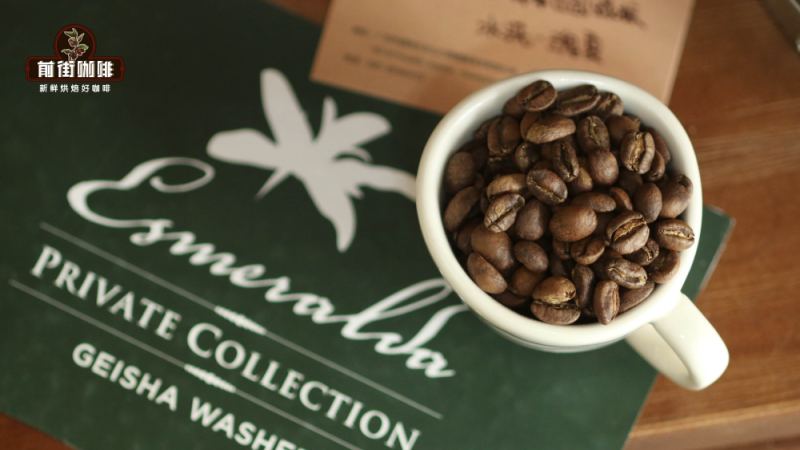
What Defines Panama Geisha Coffee From Boquete?
Panama Geisha grown around the Baru Volcano in Boquete, Chiriqui Province, is prized for its floral and fruity character. The volcano stands over 11,400 feet above sea level, and its volcanic ash soil, combined with varied microclimates of temperature and rainfall, suits high-quality coffee. The article walks through V60 pour-over parameters and pouring steps for brewing it at home.
Geisha grading from Hacienda La Esmeralda is covered as well, with cupping notes for the Emerald Green Label and the layered shift from aroma to palate. In the cup, berry candy and spice sweetness interlace with surging floral notes, the finish carries floral fragrance, and the fruity sweetness holds. Acidity grows more delicate as the coffee cools.
Panama, with the fertile soil and microclimates around the Baru Volcano, nurtures world-class Geisha coffee. This article starts from the terroir of the Boquete region, explains in detail the dry and wet aroma performance of Front Street Boquete Geisha, and provides V60 pour-over parameters and pouring steps; then focuses on the Geisha grading of Hacienda La Esmeralda, introduces the cupping flavors of Front Street Emerald Green Label and the layered changes from aroma to palate, helping coffee enthusiasts systematically master the pour-over techniques and flavor appreciation points of Panamanian Geisha.
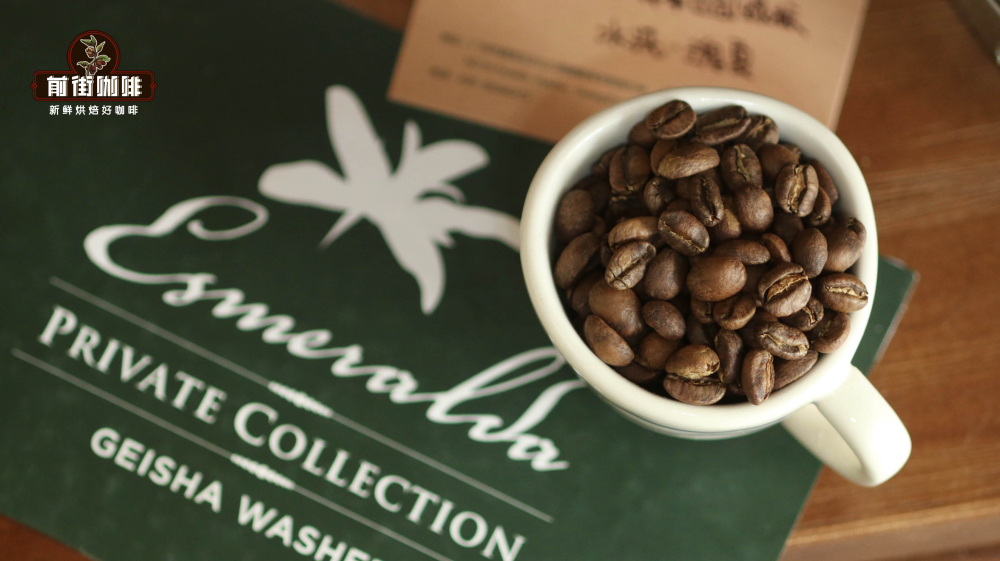
Front Street Panama Green Label Geisha Coffee Pour-Over Introduction
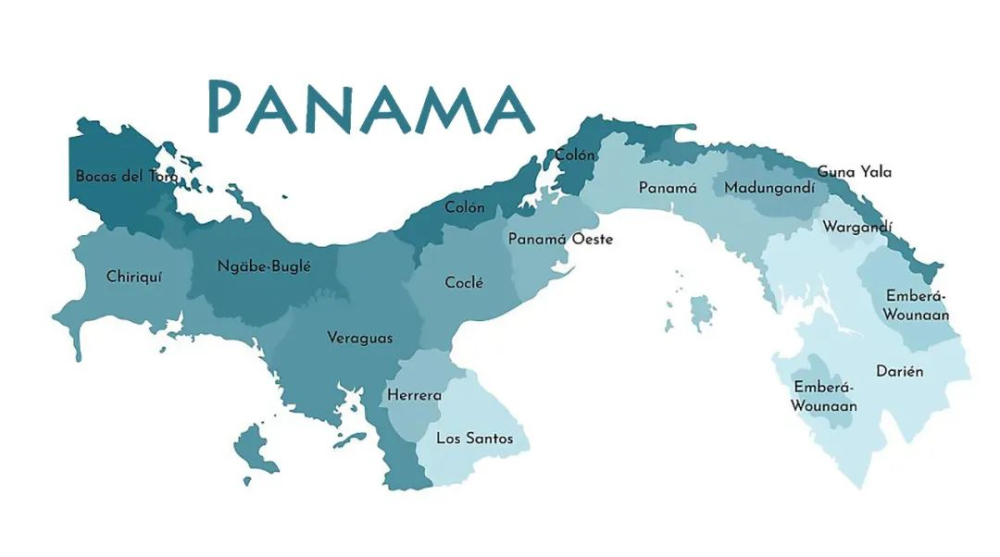
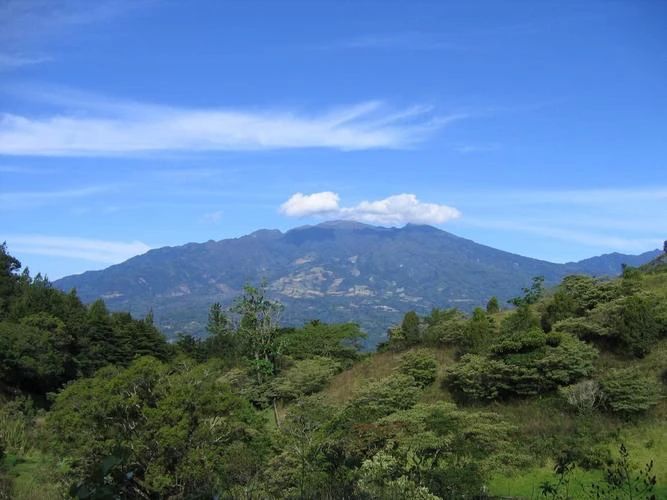
Panama is located in Central America, bordered by Costa Rica to the west and Colombia to the east. This country lies at 9 degrees north latitude, exactly where the Central Mountain Range converges, and one of the highest volcanoes in Central America—the Baru Volcano—is located here. The Baru Volcano stands over 11,400 feet above sea level, and the surrounding land has thus accumulated rich nutrients and fertile soil, creating unique conditions for the cultivation and development of Panama's specialty coffee.
The Boquete region in Chiriqui Province. Boquete is a town in Chiriqui Province, located near the border between Panama and Costa Rica, close to the famous Baru Volcano, with beautiful scenery and fertile, rich soil. The climate and soil are very suitable for producing high-quality coffee.
In the Boquete region, this is due not only to the superior ecological conditions of Panama's Boquete area and the fertile volcanic ash soil of the Baru Volcano, but also to the various microclimates of Panama's Boquete region, making its temperature and rainfall very suitable for plant growth.
Combining the above conditions, Panamanian coffee stands out among Central American origins and has become one of the world's leading stars. To taste Panamanian coffee, Front Street Boquete Geisha is the first choice, an excellent single-origin coffee that is delicious yet affordable and carries classic floral and fruity aromas. The unique flavor of Front Street Boquete Geisha coffee: berry candy and spice sweetness interlace, accompanied by floral notes surging forth, the finish is full of floral fragrance, the fruity sweetness is quite persistent, and the lower the temperature, the more delicate the acidity.
Dry aroma: tea aroma, floral notes (magnolia, tulip), vanilla plants, milky aroma, brown sugar sweetness, fine champagne, and the aroma is uplifting.
Wet aroma: apricot, caramel, milky aroma, floral notes.
Panama Boquete Geisha Pour-Over Recommendations
Parameters: 15 grams of coffee powder, V60 dripper, water temperature 91~93°C, powder-to-water ratio 1:15, grind size fine granulated sugar EK43s-10 setting (80% passing rate on China standard No. 20 sieve).
Fold the filter paper and fit it snugly into the dripper. Use a small amount of water to wet the filter paper while making it adhere better, then pour out the water in the server. Next, add the coffee powder and tap gently to distribute the coffee bed evenly. For the first pour, gently add 30 grams of water for blooming, with a blooming time of 30 seconds. For the second pour, add water until about 125 grams, circling outward evenly and steadily. Then wait for the coffee liquid to drop. When it has dropped by half, pour the final stage of water up to 240 grams. After all the coffee has dripped through, the total extraction time is generally about 2 minutes.
When it comes to which estate in Panama has the most famous coffee, it must be Hacienda La Esmeralda's Geisha. The reputation of Hacienda La Esmeralda is known to everyone in the specialty coffee circle. In 2004, it won the Best of Panama coffee competition that year with Geisha, and has repeatedly broken auction price records year after year, attracting attention from the coffee world ever since. Hacienda La Esmeralda made Geisha famous and was also the first coffee estate to strictly grade Geisha. The Geisha lots produced each year have attracted industry attention. After Geisha won the championship, the estate owners, the Peterson siblings, managed the Geisha coffee trees in the estate more systematically based on altitude, region, and cupping performance.
Hacienda La Esmeralda has two Geisha grades. For pour-over enthusiasts, Front Street Emerald Green Label is the first choice. This is a coffee that mainly expresses the iconic flavor of high-altitude Geisha. Because it does not emphasize a single plot, it offers better value for money. The Green Label Geisha sourced by Front Street uses washed processing, and its cupping performance shows fresher and more natural flavors of lemon, berries, pomelo, and Tieguanyin tea.
[Front Street Hacienda La Esmeralda Green Label Geisha] It smells of citrus acidity and brown sugar sweetness. On the palate, there are flavors of citrus, lime, and bergamot; the middle section has cocoa and cream flavors; the finish has green tea aroma and honey aroma. The brown sugar sweetness returns persistently, and the aftertaste is chrysanthemum and a faint honeysuckle fragrance.
The above content is compiled by CoffeeHunters, a coffee news website.


