







Search Results for: Pour-Over Blends
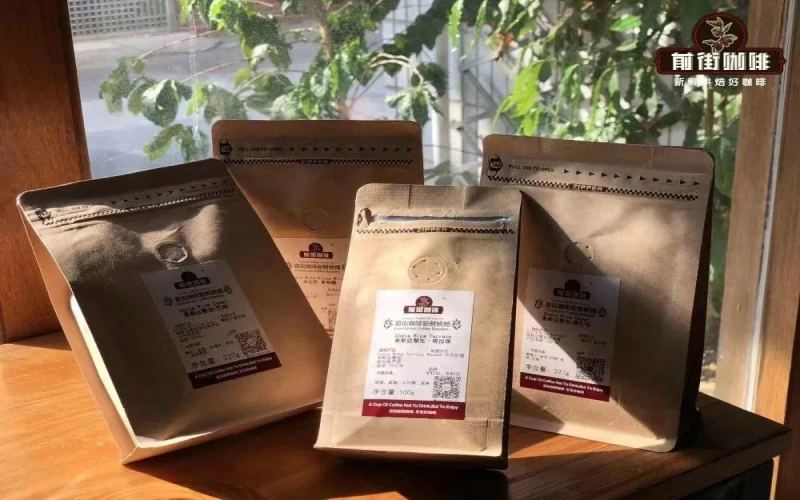
How to Choose Between Single-Origin Beans and Espresso Blends? A Complete Guide from Flavor Types to Buying Front Street Coffee Beans
Friends who are just getting into specialty coffee often find themselves overwhelmed by the dazzling array of coffee beans with no idea where to start. In fact, once you clarify the two main categories—espresso and pour-over—and then choose according to your taste preferences, you can easily find beans that suit you. This article starts with the stability and value for money of espresso blends, recommending three blends suitable for home use, then organizes a variety of single-origin pour-over beans by three types—fruity acidic, rich and bitter, and balanced—detailing their specific regions, altitudes, processing methods, and flavors, while retaining Front Street Coffee's brand purchasing information to help both beginners and advanced enthusiasts make quick decisions. [more…]
Can Blended Coffee Beans Be Used for Pour-Over? A Detailed Explanation of Blending Philosophy and Three Classic Recipes
Blended coffee beans usually appear in espresso, and are relatively rare when used for pour-over. So, is blended coffee actually good for pour-over? This article starts with the concept, clarifying the differences between espresso beans, SOE, and pour-over beans, and explaining that blends are not synonymous with low quality. Since launching the Sunflower Warm Sun blend in 2019, Front Street Coffee has continued to vindicate blends. The article also shares, from a roaster's perspective, three blend recipes suitable for pour-over: Mamba Blend, Deep Love Honey Sweetness, and Flowers and Fruit in Harmony, respectively combining Mandheling with Brazil Red Bourbon, Yirgacheffe Red Cherry with Costa Rica Tarrazu, and Guatemala La Flor with Yirgacheffe and Kenya AA, demonstrating the unique value of blends in flavor complementarity. [more…]
The Core Differences Between Espresso Blends and Single-Origin Coffee Beans, and Why Espresso Favors Blends
In the context of specialty coffee, single-origin coffee emphasizes the regional flavors brought by the same producing area, such as the floral and fruity notes of Ethiopia, the chocolate tones of Colombia, and the herbal aroma of Indonesia. This is why pour-over enthusiasts often prefer single-origin beans. But espresso has different demands: beyond flavor expression, what matters more is extraction stability. As an agricultural product, coffee beans fluctuate in flavor due to changes in origin and harvest year, and blending exists precisely to balance these differences and keep the output consistent. This article will sort out the differences between blends and single-origin beans, and recommend a variety of Front Street Coffee espresso beans suitable for home use, covering fruity, full-bodied, and balanced options. [more…]
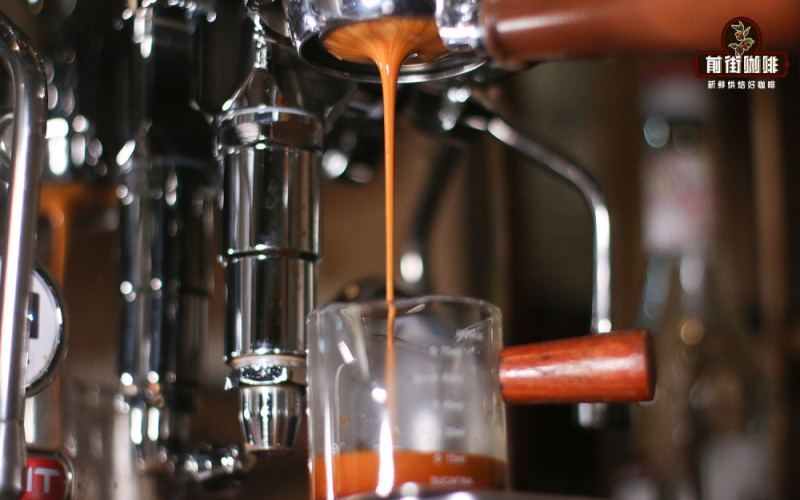
The Complete Guide to SOE Single-Origin Espresso: Flavor Differences from Espresso Blends and Key Points for Bean Selection and Roasting
In recent years, the specialty coffee wave has driven the popularity of SOE, but many enthusiasts still can't distinguish it from traditional espresso blends. From the perspective of Front Street Coffee, this article systematically explains the definition, flavor characteristics, and production challenges of SOE, compares the advantages of blends in balance and stability, and recommends beans suitable for SOE—such as sun-dried Red Cherry and Sidra. It also provides in-depth analysis of roasting curves, extraction parameter adjustments, and milk ratio control, helping you make a single-origin espresso with clear flavor and no loss of balance at home or in your shop. [more…]
What Is an Espresso Blend Coffee Bean? A Full Analysis of Front Street Coffee's Four Blends and Suitable Bean Varieties
Not all coffee beans are suitable for making espresso. Pressure extraction of light-roasted beans tends to amplify acidity, and espresso blends are created precisely for this purpose. From the perspective of Front Street Coffee, this article explains why blends are more suitable for espresso machines than single-origin beans, the difference between SOE and blends, the relationship between dark roasting and crema and carbon dioxide, and provides a detailed introduction to the recipes, flavors, and target audiences of Front Street Coffee's four blends: Warm Sun, Specialty, Commercial, and Dark Cocoa. It also reminds readers of the necessity of resting freshly roasted beans. [more…]
A Comprehensive Analysis of Coffee Blends: Differences Between Espresso Blends and Single-Origin Beans, and How to Choose Between Pre-Roast and Post-Roast Blending
Blended coffee beans have attracted increasing attention in recent years, and even the pour-over coffee scene has begun to adopt them widely. Front Street Coffee has pointed out in past articles that single-origin coffee beans often struggle to achieve an ideal state in both flavor and mouthfeel at the same time, while through blending, it is possible to create a coffee bean that combines flavor, mouthfeel, and a unique character. However, blended beans involve two different modes—raw blending and roasted blending—which has also led many enthusiasts to wonder: which method is actually better? This article will systematically sort out the meaning of blended coffee beans, distinguish the differences between espresso blends and single-origin beans, and take a deeper look at the logic and applicable scenarios of raw blending and roasted blending respectively, helping readers fully understand how to choose blended coffee beans. [more…]
Roast Level Determines How to Choose Single-Origin, Pour-Over, and Blends
From light roast to dark roast, coffee beans change not only in color, but also in aroma, sweetness, acidity and mouthfeel weight. Single-origin emphasizes the personality of a certain origin or batch, while a blend combines the characteristics of different beans; pour-over is an extraction method, and is not the same as a fixed type of bean. Keep these concepts separate, and then, from [more…]
Espresso Blends vs. Single-Origin Beans: A Complete Guide to Espresso and Regular Coffee Brewing Recommendations
Coffee beans can be divided by origin into blends and single-origin beans. The former is commonly used for espresso, while the latter appears more often in pour-over or SOE. Starting from definitions, this article sorts out how espresso blends achieve flavor balance and complementarity by mixing beans from different origins, and introduces the rise and characteristics of SOE (Single Origin Espresso). The article also recommends Front Street Coffee's Classic Blend, Dark Cocoa Basic Blend, and several SOE beans, covering dimensions such as crema, mouthfeel, and value for money. Whether you are after rich crema or distinctive fruit acidity, you can find a suitable brewing direction. [more…]
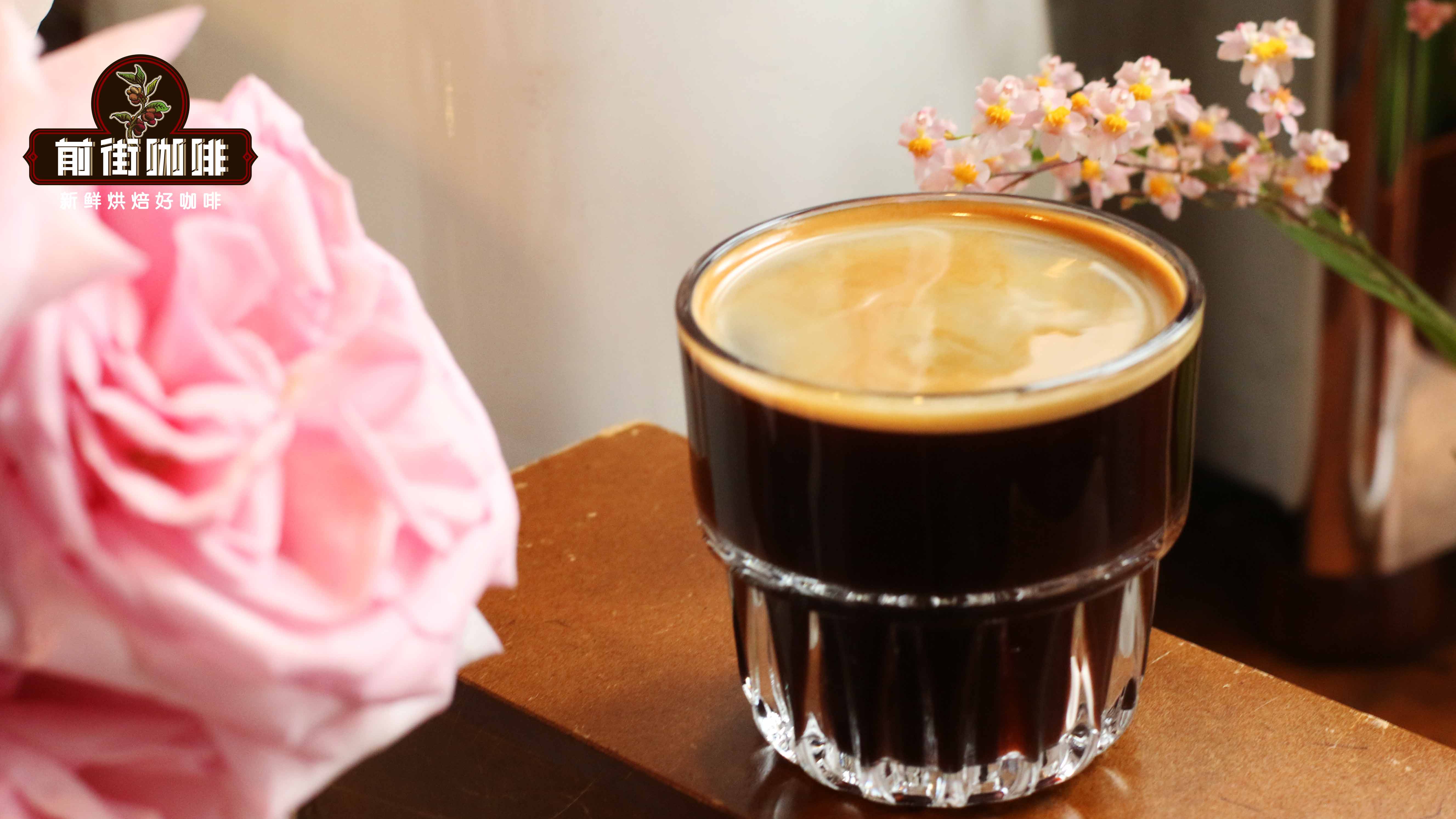
How to Choose Espresso Beans for Home Coffee Machines? Differences Between Blends and Pour-Over Beans, Plus Five Espresso Blend Recommendations
Want to make a delicious espresso at home with a coffee machine? Choosing the right coffee beans is the first step. There are many types of coffee beans on the market, and the uses and flavor directions of single-origin beans and blended beans are completely different: single-origin beans are more suitable for pour-over or cold brew, while espresso usually relies on blended beans to achieve a more balanced and stable taste. This article first explains the difference between blended beans and pour-over beans, then organizes five popular espresso blend coffee beans in 2025, including Front Street Coffee Classic Espresso Blend, Front Street Coffee Strawberry Candy Espresso, Front Street Coffee Specialty Espresso Blend, Front Street Coffee Commercial Espresso Blend, and Front Street Coffee Basic Espresso Blend, corresponding respectively to different needs such as rich and aromatic, floral and fruity, nutty notes, coffee shop-style, and high cost-effectiveness, making it easy for home users to choose according to taste and budget. [more…]
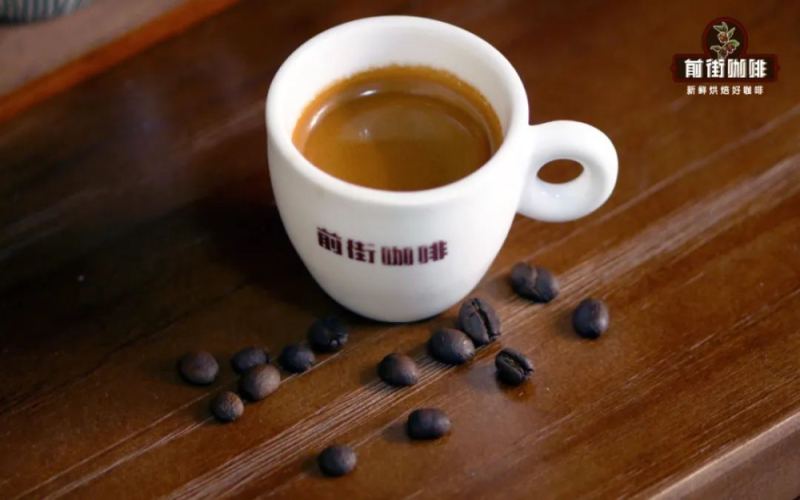
SOE Full Name Explained: Flavor Characteristics and Differences Between Single-Origin Espresso and Espresso Blends
In recent years, the option to "switch to SOE" on coffee menus has become increasingly common, but what exactly does SOE mean? How does it differ from espresso blends? From the perspective of Front Street, this article explains the concept of SOE (Single Origin Espresso), analyzes the differences between single-origin espresso and blends in terms of roasting, flavor, stability, and cost, and explains that SOE is not absolutely superior to blends. In addition, it introduces several coffee beans on Front Street's bean list that are suitable for making SOE, including Yirgacheffe Red Cherry, Honduras Sherry, Costa Rica Mozart, and Brazil Queen's Estate Yellow Bourbon, helping coffee enthusiasts gain a more comprehensive understanding of SOE. [more…]
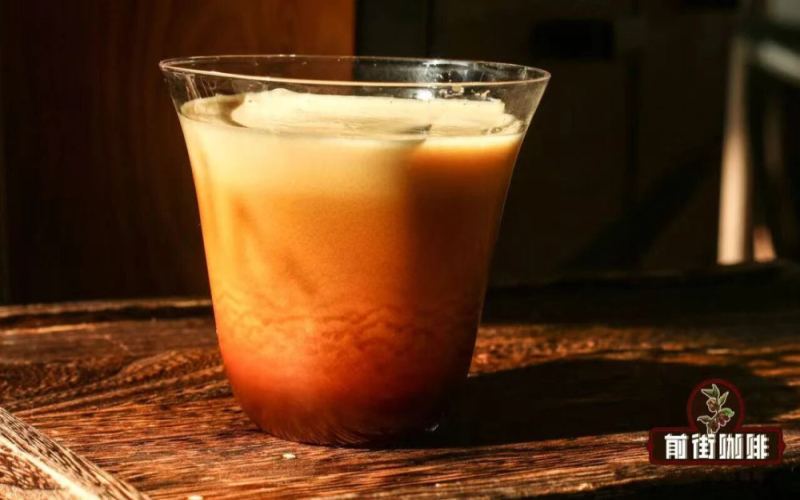
Why Is SOE Coffee More Expensive Than Blends? Defining Single-Origin Espresso and Blends, and Analyzing Their Flavor Differences
In recent years, SOE single-origin espresso has rapidly gained popularity in China's coffee scene, with many chain brands leveraging it to create their own signature offerings, forming a new trend. What exactly is the difference between SOE and espresso blends? Why is the price of SOE generally higher than that of blend beans? This article starts with the definitions, roasting approaches, and flavor presentation of the two, analyzing one by one how factors such as bean grade, roasting control, and brewing difficulty drive up the cost of SOE, and combines Front Street Coffee's store experience to share key points on bean selection, extraction parameter adjustment, and freshness management when making SOE at home, helping you easily brew a cup of excellent single-origin espresso. [more…]
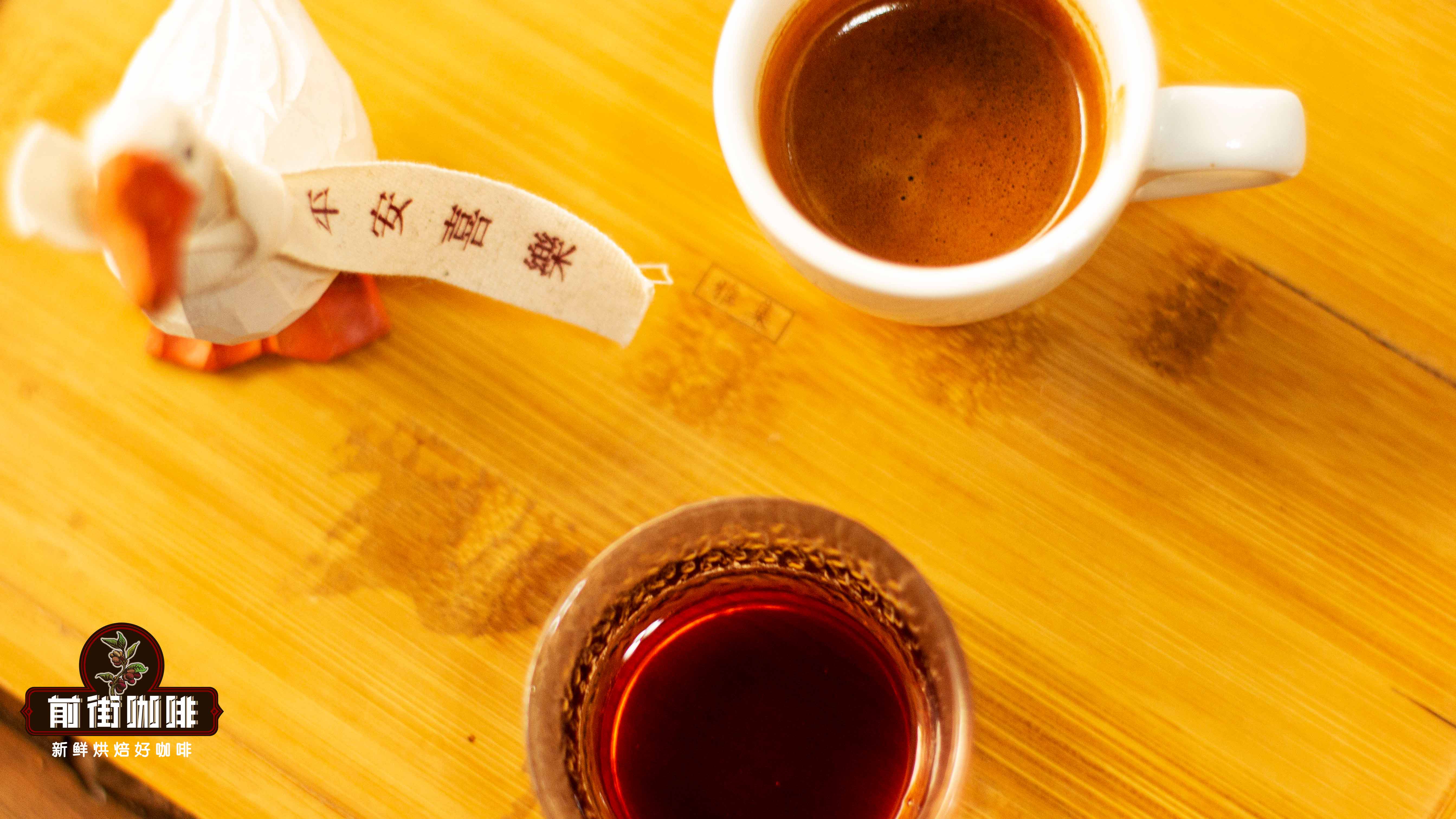
Understanding SOE in One Article: The Definition of Single-Origin Espresso, Pour-Over Methods, and Comparison with Coffee Blends
In recent years, SOE coffee has become increasingly prominent in cafés, with some shops even treating it as their signature offering. SOE stands for single origin espresso, where beans from a single origin are extracted as espresso, with the core aim of amplifying the unique character of the region. This article provides a systematic overview of SOE: explaining its definition and historical development, answering whether SOE beans can be used for pour-over, analyzing the relationship between flavor characteristics and roast level, objectively comparing the merits of SOE and blended coffee, and offering practical advice on resting periods and freshness to help you better select and brew. [more…]
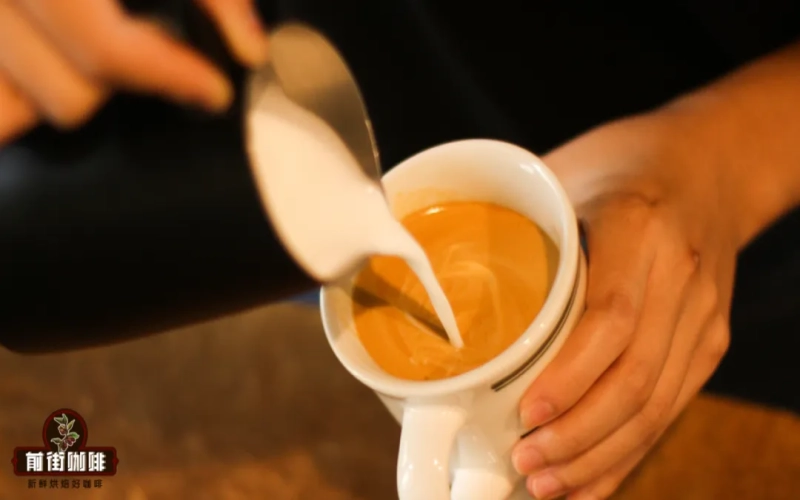
How Are Espresso Beans Different from Pour-Over Beans? Five Front Street Coffee Espresso Blends Recommended for Everyday Drinking
Many friends who are just getting into coffee are curious: what exactly is the difference between pour-over beans and espresso beans? Simply put, an espresso blend (House Blend) is usually made by combining two or more single-origin coffees, designed specifically for high-temperature, high-pressure extraction as espresso, and used to make drinks like lattes, Americanos, and cappuccinos. Because the extraction method is intense, light-roasted beans can easily make espresso taste sharp and thin, so medium-dark roasts are recommended. This article first clarifies the differences between espresso beans and pour-over beans, then, according to different flavor needs, recommends five Front Street Coffee espresso blends one by one, covering rich and mellow, fruity and floral sweet-tart, nutty notes, cafe-style favorites, and high-value beginner options, along with practical advice on coffee bean freshness and the best tasting period, to help you reliably recreate cafe flavors at home. [more…]
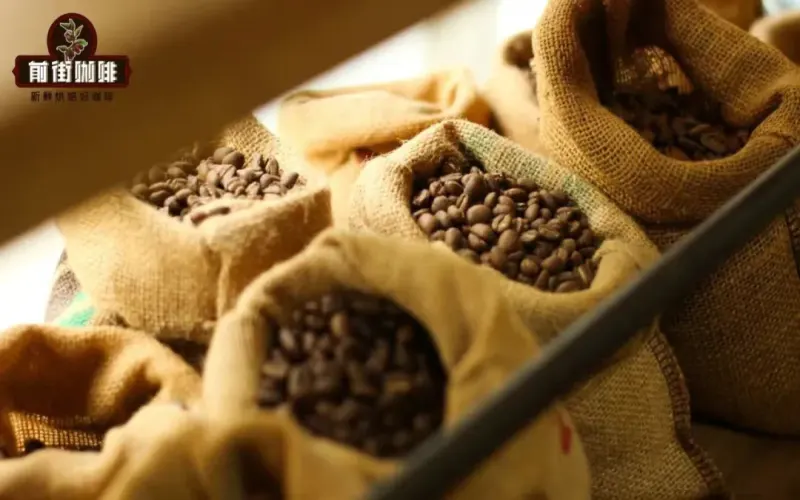
What Are the Differences Between Espresso and Pour-Over Coffee Beans? A Comprehensive Analysis from Roast Level and Extraction Method to Single-Origin and Blends
Friends who are new to coffee often feel overwhelmed by the dazzling array of bean labels and don't know how to choose the coffee beans that suit them. In fact, the differences between espresso beans and pour-over beans are not as complicated as imagined. The core difference lies mainly in the roast level—espresso beans tend to be dark-roasted, while pour-over beans tend to be light-roasted, and this difference stems from the different extraction methods. Once you understand the characteristics of pressure extraction and drip extraction, you'll see why some beans are better suited for espresso and others for pour-over. This article will also clarify common misconceptions about single-origin versus blends, and explain the quality logic behind price differences, helping you make more suitable choices under different extraction methods. [more…]
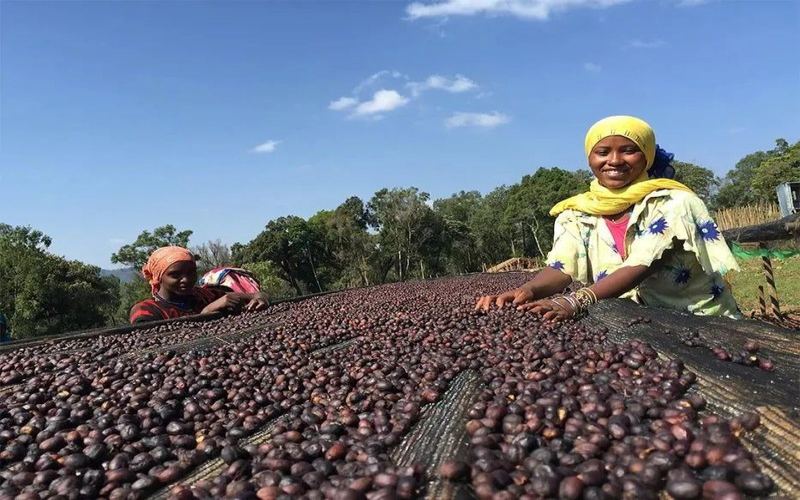
How to Choose Between Espresso Blends and SOE: Balancing Budget and Drinking Frequency
When it comes to espresso blends and SOE, we should start with the actual taste in the cup. For everyday bean buying, you need to consider how quickly you'll drink them, how much to buy at once, and whether you mainly make black coffee or milk coffee at home. The roast level of coffee beans determines the basic taste, the origin and processing method bring aroma differences, and the equipment you use will change the concentration, so when choosing beans you need to take [more…]

Milk-Chocolate-Profile Espresso Blends and Single-Origin Coffee Bean Recommendations: Featuring Select Beans from Brazil, Colombia, and Yunnan
To enjoy coffee with a milk chocolate flavor, the selection approach is actually not complicated: first avoid light-roasted beans with sharp acidity, then rule out dark-roasted beans with an overly burnt-bitter taste, and prioritize Central and South American and Asian origins. If brewing with pour-over, French press, smart cup, or drip bags, medium-dark roasted single-origin beans are the first choice; if you prefer a moka pot or espresso, medium-dark roasted blends are more suitable. Below are four coffee beans with prominent milk chocolate flavors, affordable and each with distinctive characteristics, suitable as everyday staples. Among them, several Front Street Coffee products perform impressively, covering both blends and single-origin, meeting different brewing needs. [more…]
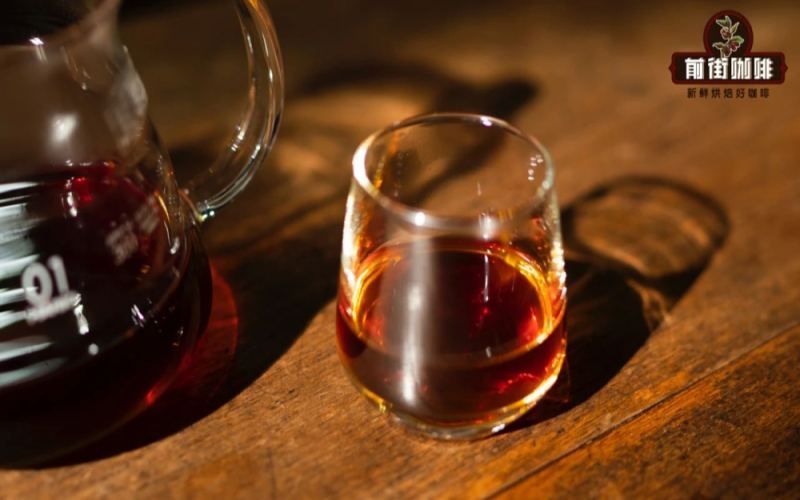
Single-Origin vs. Espresso Blend Beans: Can Blends Handle Pour-Over?
In today's world of increasingly popular specialty coffee, single-origin beans and blended beans each play an important role. The former is often used for pour-over, showcasing the terroir of its region; the latter is mostly used for espresso, pursuing stability and balance. But can blended beans really not be used for pour-over? And is it feasible to use single-origin beans for espresso? This article will, from the perspective of Front Street Coffee, deeply analyze the essential differences between the two, answer the feasibility of using blended beans for pour-over, and at the same time emphasize the importance of coffee bean freshness. Whether you are a pour-over enthusiast or an espresso player, you can gain practical ideas for choosing beans and brewing from it. [more…]
How is SOE different from espresso blends and pour-over single-origin coffees? A comprehensive analysis from flavor stability to extraction parameters
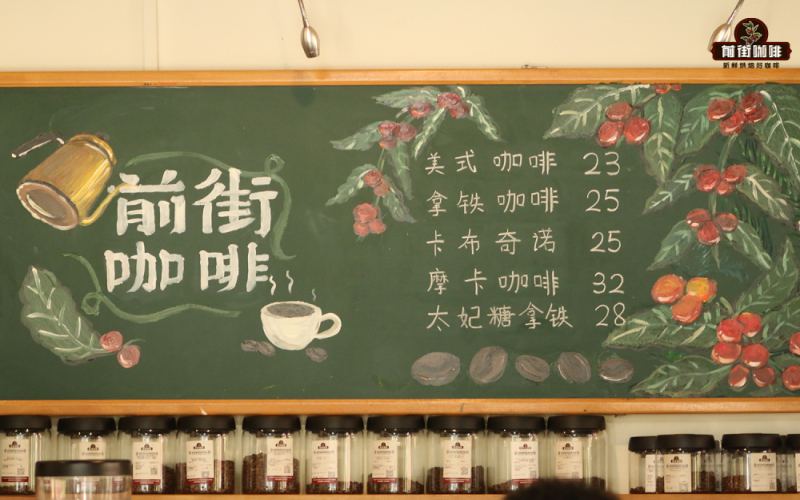
In recent years, the specialty coffee trend has driven the popularity of SOE, and many coffee enthusiasts are curious about how it differs from pour-over single-origin and traditional espresso blends. From the perspective of Front Street Coffee, this article first clarifies the definitions and roasting differences between single-origin coffee and SOE, then explains why SOE flavors tend to fluctuate and why Front Street has long favored blends and single-origin coffees, and finally provides specific brewing parameters and flavor descriptions for the sun-dried Huakui SOE and Front Street's classic blend, helping you judge whether SOE americano is actually good and how to make it at home without messing it up. [more…]
Guangzhou Local Freshly Roasted Coffee Beans Buying Guide: Ten Selected Recommendations of Front Street Single-Origin and Blends
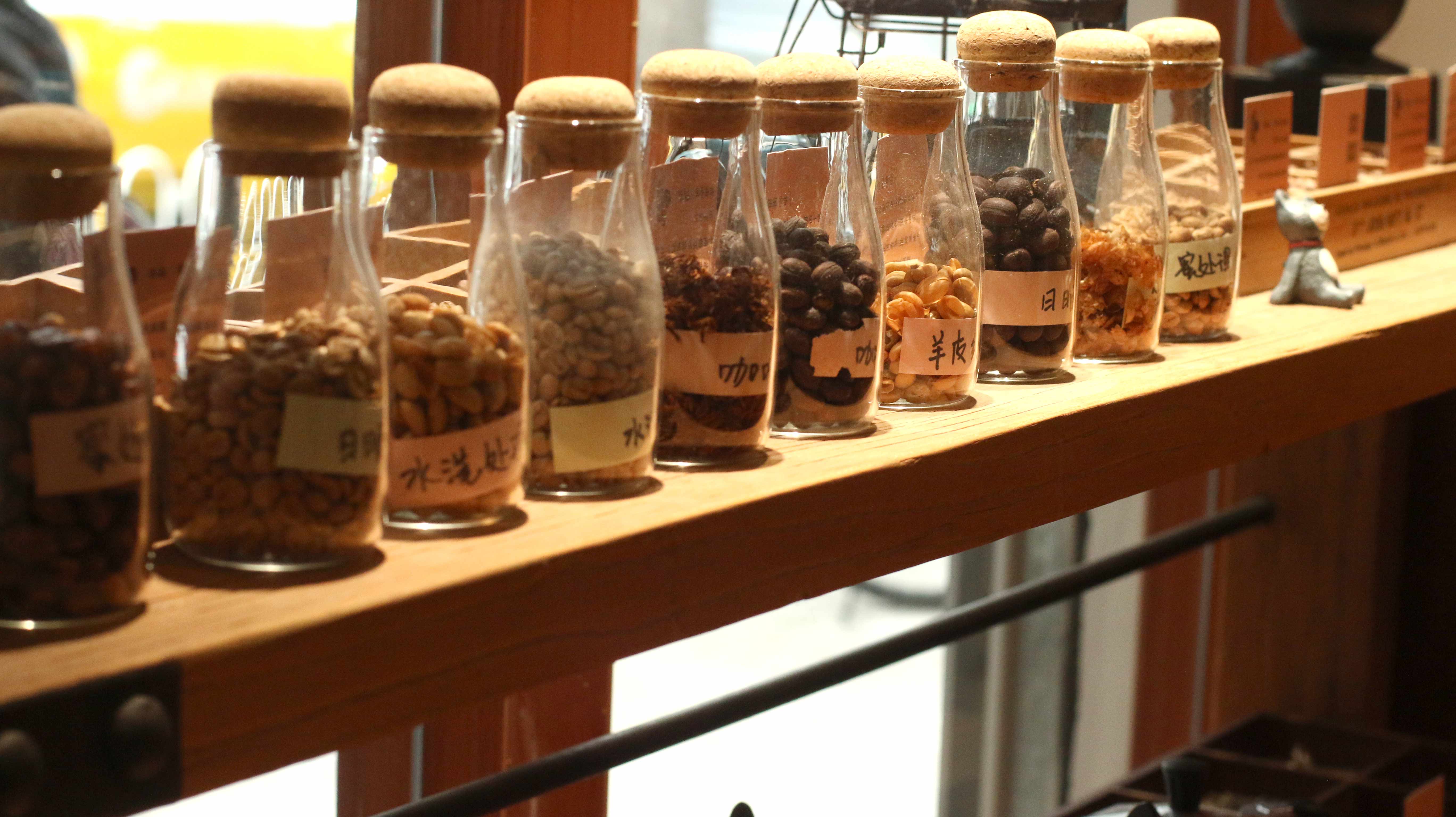
For those who want to drink truly fresh coffee beans, specialty roasters are the top choice for many coffee lovers. In Guangzhou's old Dongshan area, there is a local brand that has been deeply engaged in specialty roasting for many years—Front Street Coffee, which insists on fresh roasting within 5 days, small-batch fine production, strictly selects green beans from global origins, and always stocks dozens of single-origin and blended coffees. This article compiles purchasing information for Front Street Coffee and lists ten freshly roasted coffee beans that buyers must try, covering espresso blends, Ethiopian natural, Geisha blends, Mandheling, Yirgacheffe, Kenya, Costa Rica, Colombia, Brazil, and Panama, with flavor descriptions and reasons for making the list to help you quickly lock onto your target according to taste. [more…]
Is SOE coffee really better tasting? Core differences from espresso blends and Front Street's practical analysis
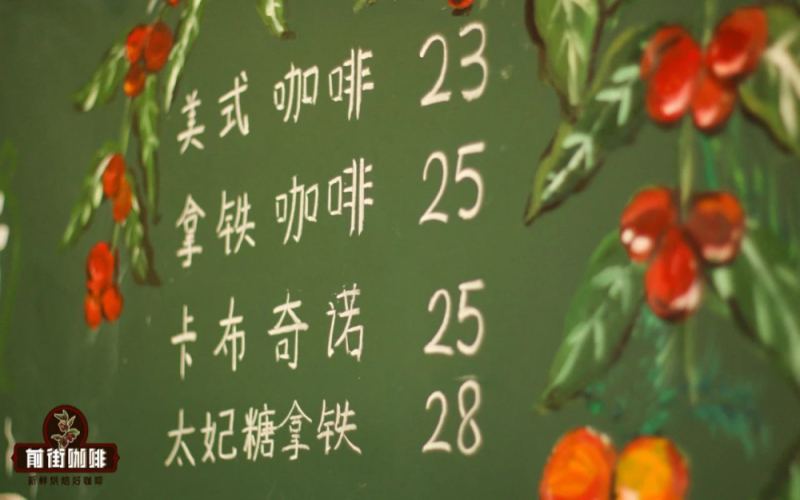
Many coffee enthusiasts wonder why Front Street Coffee's menu doesn't include SOE. Behind this lies a practical consideration of single-origin espresso stability and cost. Starting from the definition of SOE, this article will analyze its fundamental differences from traditional espresso blends in terms of roasting, extraction, and serving logic, explain why SOE is often more expensive than blends, and share Front Street's specific parameters for extracting SOE using Brazil Queen's Estate Yellow Bourbon. Finally, it will list four Front Street single-origin beans suitable for making SOE and their flavor profiles, helping readers gain a comprehensive understanding of this coffee category. [more…]