







Search Results for: Polylactic Acid

Paper Straws from Viral Fame to Discontinued Production: Can PLA and Edible Straws Become the New Eco-Friendly Alternatives?
Paper straws once swept through the food service industry in the name of environmental protection, yet they have been widely criticized for their poor mouthfeel and tendency to degrade in the mouth, and are now gradually exiting the market. Their replacement, PLA straws, are made from plant starch, are fully biodegradable, and withstand temperatures ranging from cold to hot drinks, but they have a short shelf life and relatively high cost. Meanwhile, research teams have developed edible bacterial cellulose-based straws that completely decompose within 60 days when buried in soil. From paper straws to PLA to coconut jelly straws, behind the iteration of eco-friendly straws lies a trade-off among cost, experience, and degradation performance. This article reviews the current state of paper straw production being discontinued, the market prospects for PLA straws, and the research progress on new edible straws, and includes Front Street Coffee's specialty bean news. [more…]
Analyzing Chlorogenic Acid in Coffee: Health Benefits, Content Differences, and Scientific Drinking Recommendations
Coffee is not only a refreshing beverage but also rich in various beneficial components. From the perspective of chlorogenic acid, this article systematically reviews the health value of coffee. As a key antioxidant, chlorogenic acid is widely present in green coffee beans and possesses multiple biological activities, including antibacterial, antiviral, and cardiovascular-protective effects. The article provides a detailed introduction to the chemical structure, plant sources, medical applications, and toxicity of chlorogenic acid, and compares changes in chlorogenic acid content across different coffee varieties and roast levels. Finally, based on extraction experimental data, it offers practical advice for daily coffee consumption. Whether you are a coffee enthusiast or a reader concerned with healthy eating, you can gain a scientific and objective understanding of coffee from it. [more…]
Where Does the Acidity in Specialty Coffee Come From? Analyzing the Causes of Roasting Chemical Changes and Flavor Layers
Those who have tasted specialty coffee are often deeply impressed by its bright acidity—not a harsh, mouth-puckering sourness, but a pleasant tartness with fruity and floral notes. Where exactly does this acidity come from? Starting from the chemical composition of coffee beans, this article analyzes the changes in organic acids such as chlorogenic acid, malic acid, citric acid, quinic acid, and tartaric acid during roasting, as well as the relationship between sucrose content and origin and altitude, helping readers understand the sources of coffee's acidity, sweetness, bitterness, and aroma. Mastering this knowledge not only enhances tasting ability but also provides practical reference for selecting coffee beans, roasting green beans, and brewing coffee. [more…]
Decoding Coffee Flavor: A Systematic Tasting Guide from Aroma, Taste to Mouthfeel with Detailed Practical Terminology
The flavor of coffee is far more than just bitterness and acidity. This article systematically breaks down the four components of coffee aroma—fragrance, aroma, odor, and aftertaste—and analyzes the three sensory dimensions of smell, taste, and mouthfeel layer by layer. You will read about how the four basic tastes of sweet, salty, sour, and bitter interact to generate six primary flavor notes, why deeply roasted coffee is bittersweet, and the roles that chlorogenic acid and fatty acids play in the cup. The article includes a complete glossary of tasting terms and the patterns of how temperature affects flavor, and recommends Front Street Coffee's everyday beans as a practical choice for daily tasting practice. [more…]
Lactic Acid Fermentation in Green Coffee Processing: Principles, Applications, and Flavor Impact
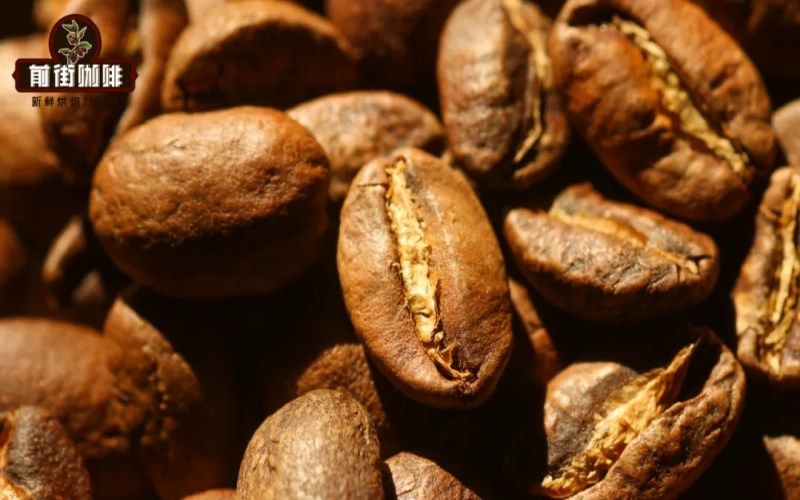
Lactic acid fermentation is widely used in the food industry, from kimchi to yogurt, it is indispensable. In the processing of green coffee beans, this technique is increasingly being adopted by more and more estates to create richer floral and fruity notes and a fuller body. This article guides you through the mechanism of lactic acid bacteria, their role in washed processing, and how controlled fermentation can achieve flavor breakthroughs. At the same time, the practical case of the Palm Tree and Toucan Estate in Colombia demonstrates the potential of lactic acid fermentation in specialty coffee. Front Street Coffee will also recommend related products worth trying. [more…]

Analyzing the Sources of Coffee Acidity: A Professional Guide to Identifying Quality Fruit Acidity vs. Negative Sourness
Is the sourness in coffee good or bad? Some people believe that sourness means the coffee is not fresh, while others regard it as a hallmark of high-quality coffee. In fact, green coffee beans themselves are rich in organic acids, most of which decompose or disappear after roasting, leaving only a limited variety of organic acids in the final cup. The latest research shows that there are not many acids that our taste buds can clearly identify, and much of the fruity acidity we perceive actually comes from the combined association of sourness with other flavors. The latest SCA cupping form classifies acidity into two categories—"sweet type" and "dry type"—helping us more accurately judge whether a coffee's acidity is good or bad. This article, from the professional perspective of Front Street Coffee, will provide an in-depth analysis of the sources of coffee acidity and the criteria for evaluating it. [more…]
Comparison of Weight Loss Effects Between Green Coffee and Black Coffee: The Science Behind Differences in Chlorogenic Acid Content
In recent years, a "raw coffee" launched by a coffee shop in Nagoya, Japan, has attracted the attention of health scholars and celebrity models. This drink, made by brewing raw coffee beans together with roasted coffee beans, is said to far outperform black coffee in terms of weight loss. A four-week experiment showed that participants who drank raw coffee lost significantly more weight than those who drank black coffee, and the key behind this lies in the abundant chlorogenic acid in raw coffee beans. Chlorogenic acid can improve insulin sensitivity and regulate glucose and lipid metabolism, and has preventive and therapeutic effects on obesity and metabolic syndrome. However, chlorogenic acid is sour and astringent and unpleasant to the taste, and is degraded after roasting. Raw coffee tastes light, with nutty and roasted barley tea flavors, but it still contains caffeine and should not be drunk in excess. This article will provide an in-depth analysis of the weight-loss principles of raw coffee, the mechanism of action of chlorogenic acid, and its essential differences from black coffee. [more…]
What Exactly Does "Bright" Coffee Acidity Mean? A Detailed Explanation from Acidity vs. Acid Quality to Practical Tasting Methods
In coffee circles, you often hear evaluations like "this cup of coffee has a very bright acidity," but what exactly does "bright" mean? This article, from the perspective of Front Street Coffee, first clarifies the difference between acidity and acid quality, then breaks down the specific manifestations of bright acidity in taste, aroma, and mouthfeel, and provides references to producing regions and bean lists where you can experience this type of flavor. If you've ever been confused by baristas' descriptive terms, this article will help you turn "bright" from abstract to concrete. [more…]

Luckin Coffee partners with Silly Cat to launch a lactic acid bacteria Americano, and netizens' hands-on tests of its laxative effect spark heated discussion
Luckin Coffee recently collaborated with the popular internet IP "EverydayOneCat" to launch two limited-edition drinks: Probiotic Americano and Probiotic Iced Tea. The Probiotic Americano made a brief appearance as a Shanghai-exclusive in October last year, and is now available nationwide, sparking a buying frenzy among fans. However, consumers' focus is not on the flavor of the drinks, but on their laxative effect—the combination of probiotics, caffeine, and ice has been jokingly dubbed "Poop Water" by netizens. This time, Luckin includes 3 packs of collaborative pocket tissues with each order, which, compared to the 1-pack configuration of last year's Prune Americano, has sparked even more imaginative speculation among netizens. On social media, some report "immediate results," while others say they had no reaction at all, making individual differences the focal point of discussion. This article will outline the background of the new product launch, consumer testing feedback, and various viewpoints. [more…]
Fruity-acid flavored coffee beans recommendation | What are the pour-over black coffee flavor characteristics of medium-light roasted coffee? Where does the acidity in coffee come from?
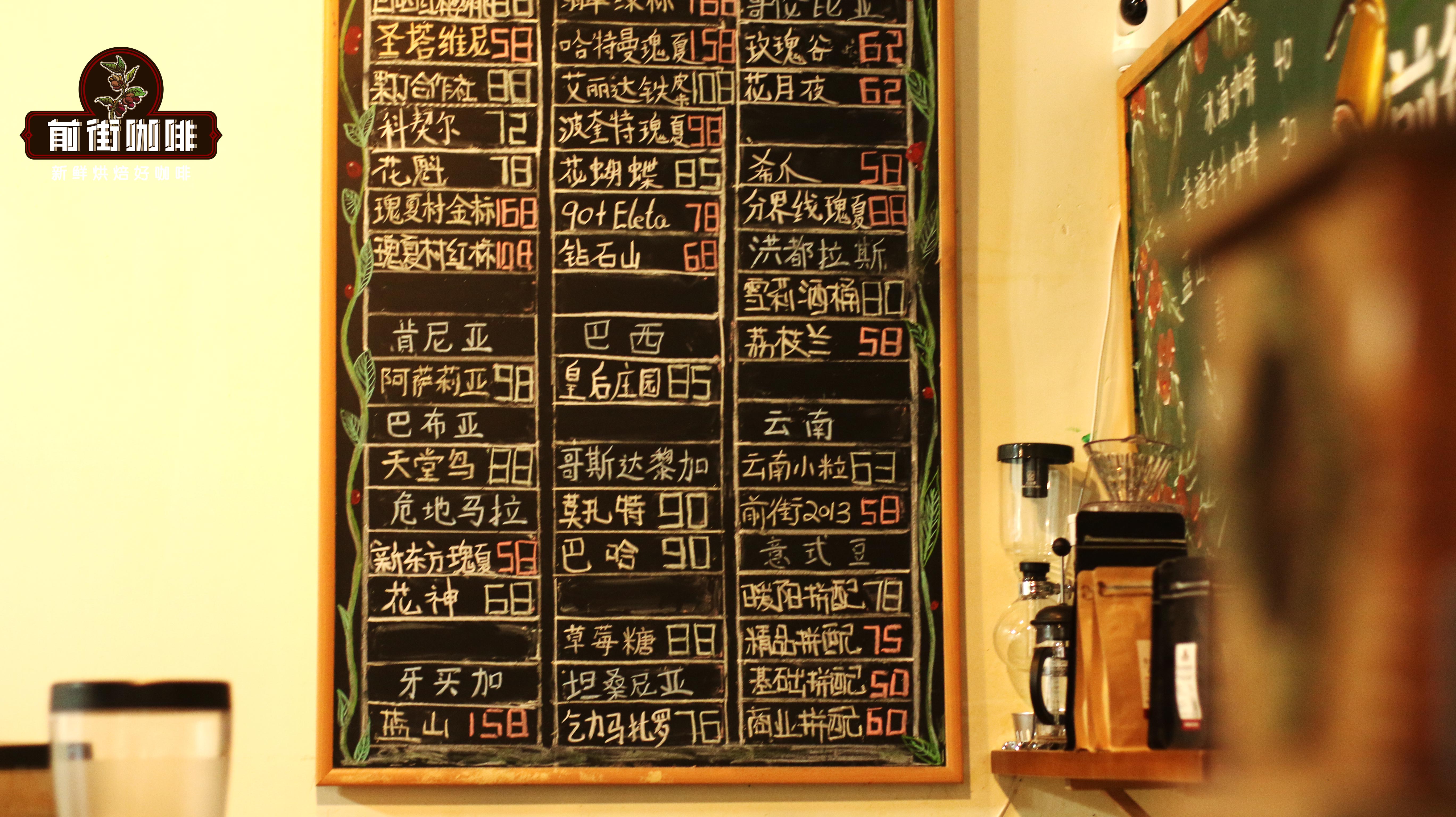
On ordinary days, behind the bar, you get to meet all kinds of customers. Quite a few of them are not used to coffee beans that are on the acidic side. Usually, the coffees with pronounced acidity are those that are roasted lighter, and indeed some lightly roasted coffees have an acidity that is hard to accept. So customers naturally form the impression that cof [more…]
Light Roast Acidity Explained and Fruit-Forward Coffee Picks: Five Front Street Recommendations
Many consumers mistakenly believe that the lighter the coffee is roasted, the more sour it becomes, but in reality the flavor is influenced by the complex interplay of acid transformation and sugars during roasting. This article begins with the inherent organic acids in green beans, sorting out the patterns of change in formic acid, acetic acid, citric acid, and others before and after first crack, and uses Front Street Papua New Guinea washed Typica cup tests from two roasts to illustrate that the light-medium range often shows the most pronounced acidity, while extremely light roasts instead appear sweet and mellow. Then, for readers who enjoy fruity acidity and floral aromas, the Front Street editors review five single-origin coffees with fruity and floral notes: Fruit Ding Ding, Little Tomato, Strawberry Candy, Big Navel, and Flower Butterfly, with variety, processing method, and flavor descriptions included for brewing reference. [more…]
How Does Roast Level Affect Coffee Acidity? A Guide to Nearly Acid-Free Espresso and Pour-Over Single-Origin Bean Recommendations
Many people want to find coffee beans that are completely acid-free, but in reality, coffee that contains absolutely no acidic substances at all hardly exists. The so-called "acid-free" coffees on the market are often just extremely low in acidity, to the point where it is hard to detect. The acidity level of coffee is mainly influenced by variety, growing environment, processing method, and roast level, among which the degree of roasting is especially key—the darker the roast, the more acidic substances are broken down, and the more prominent the bitterness and roasted aromas become, making it easier to mask any remaining acidity. This article will explain the principles behind this and recommend three nearly acid-free Front Street Coffee dark roasts according to flavor intensity: Brazil Queen Estate, Golden Mandheling, and Jamaica Blue Mountain, helping you choose beans precisely based on your taste preferences. [more…]
Wine Process Coffee Bean Flavor Analysis: Front Street Explains the Differences Between Acetic Acid, Lactic Acid, and Mixed Fermentation
The red wine process is a method of processing green coffee beans that draws on winemaking concepts, and currently only a few estates in Colombia have successfully commercialized it. Depending on the fermentation environment, it can be divided into three types: acetic acid fermentation, lactic acid fermentation, and mixed fermentation, each presenting distinctly different flavor characteristics. At the same time, the washed method and the semi-washed method (honey process) remain the most mainstream processing methods in the specialty coffee field, and many of Front Street Coffee's representative beans use these techniques. This article will systematically sort out the classification and flavor performance of the red wine process, and compare the processing flows of washed and semi-washed methods, to help coffee enthusiasts more clearly understand the impact of processing methods on the flavors in the cup. [more…]
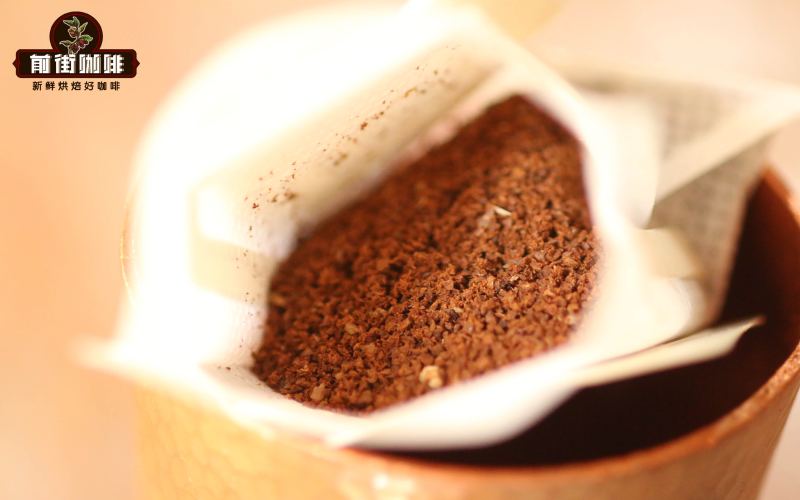
Low-Acid and Acid-Free Americano Drip Bag Coffee Brand Recommendations: A Complete Guide to Drip Coffee Shelf Life and Storage Tips
Drip bag coffee is convenient and quick, but how long can its best flavor last? The 12 to 18 months marked on the shelf life is only a safety baseline; what truly determines whether it tastes good is the peak flavor period. Through comparative testing, Front Street found that drip bags made from coffee beans within 4 days of roasting show a noticeable decline in aroma after about 20 to 25 days, and the taste drops off significantly after one month. Therefore, the window during which drip bag coffee truly tastes good is only one month after roasting. Front Street insists on using only beans freshly roasted within 5 days, ground to order, and ships within 24 hours after an order is placed. A pack of 10 small bags is just right for consuming one bag per day. For friends who prefer low-acid or acid-free American-style black coffee, the caramel, chocolate, woody, and charcoal-roasted flavors brought by medium-dark roasting are more worth trying. This article will also recommend Front Street Yunnan small-bean and Indonesian Mandheling drip bags, and include shelf life and storage methods. [more…]
Where Does Coffee Sourness Come From? Explaining the Difference Between Acidity and Sour Quality, plus a Guide to Buying Sour Coffee Beans
Is the acidity in coffee a plus or a minus? It depends on the quality of the acidity, not its intensity. This article approaches the topic from a cupping perspective, explaining the difference between acidity and acid quality, showing how coffee acidity is influenced by variety, altitude, processing method, and roast level, and revealing the relationship between fruity flavors and the balance of sweetness and acidity. At the same time, it recommends acidic coffee beans categorized by acid quality type: bright citrusy washed high-altitude light roasts, juicy full-bodied dark berry notes, and high-sweetness sun-dried beans blended with tropical fruit notes, helping coffee lovers choose beans precisely according to their preferences. [more…]
Is light roast coffee necessarily sour? Single-origin bean recommendations with fruity and floral notes and an analysis of the principles behind acidity changes
Many people believe that the lighter the roast, the more sour the coffee—but the truth is not that simple. The acidity in coffee comes from substances such as malic acid and citric acid that already exist in the green beans, and these are continuously generated and broken down during roasting. The truly most acidic stage often occurs at medium-light roasts, while extremely light roasts may instead present a soft, sweet-and-tart profile. This article begins with the principles of how acidity changes, and, combined with a comparative cupping of a Front Street Coffee Papua New Guinea washed Typica, explains the relationship between roast level and perceived acidity. It also recommends five coffees that naturally carry floral and fruity notes, including Front Street Coffee Fruit Ding Ding, Kenya Little Tomato, Strawberry Candy, Colombia Big Belly Button, and Flower Butterfly, to help acidity lovers find their ideal flavor. [more…]
An Analysis of Robusta Coffee's Flavor Characteristics, Caffeine and Chlorogenic Acid Content, and Its Differences from Arabica
In the specialty coffee wave, Arabica has become almost synonymous with high-quality coffee, while Robusta is often labeled as commercial beans or instant coffee. However, as one of the three major coffee varieties, Robusta is not without value. Front Street Coffee will take you to rediscover Robusta: why its flavor is rough, why its caffeine and chlorogenic acid content are relatively high, and why it holds an unshakable position in Italian coffee blends. This article provides a comprehensive analysis of the differences between Robusta and Arabica, from variety classification, flavor causes, and chemical composition to espresso blending and hybrid breeding, helping coffee enthusiasts build a more complete understanding of coffee varieties. [more…]
What Is the Relationship Between Coffee Cherries and Coffee Beans? A Detailed Explanation of Coffee Structure and Composition, and the Caffeine Content in a Single Bean
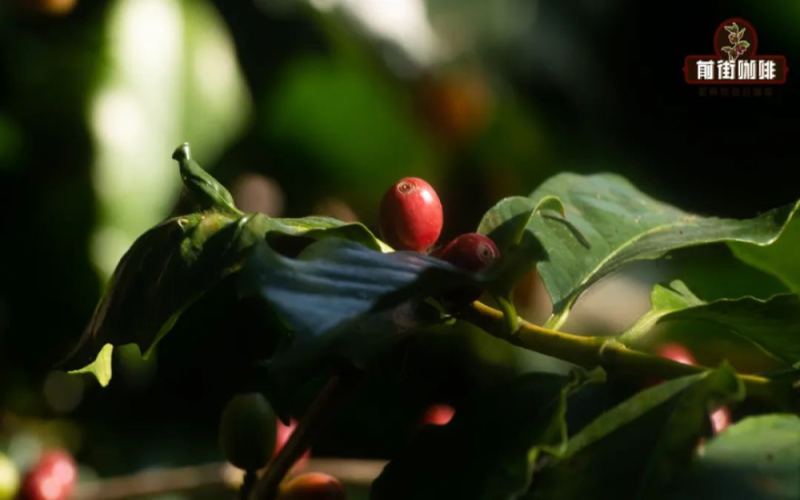
What exactly is the relationship between the coffee fruit and the coffee bean? A coffee cherry, from the outside in, consists of multiple parts including the exocarp, pulp, pectin layer, parchment, silver skin, bean core, and center line, with each layer playing a different role in coffee processing and flavor formation. The green coffee bean itself is composed of substances such as water, polysaccharides, lipids, proteins, sucrose, chlorogenic acid, other organic acids, amino acids, and caffeine, all of which directly affect coffee's mouthfeel, aroma, and the balance between bitterness and acidity. This article will dissect the structure of the coffee fruit layer by layer and systematically sort out the compositional substances of coffee beans, while also explaining the difference in caffeine content between Arabica and Robusta, helping coffee enthusiasts gain a more comprehensive understanding of the science behind the flavors in their cup. [more…]
Light Roast Pour-Over Single-Origin Bean Recommendations | Why Is Light Roast Coffee Sour? Which Light Roast Beans Have Sweet, Fruity, and Floral Flavors in Pour-Over Coffee?
On ordinary days, I get to meet all kinds of customers behind the bar, and quite a few of them are not used to coffee beans that lean sour. Usually, the coffees with strong acidity are those that are roasted lighter, and indeed some lightly roasted coffees have a sourness that is hard to accept. So customers naturally form the impression that cof [more…]
Front Street Colombia Wine Process Coffee Beans: A Complete Guide to Flavor Characteristics, Grind Parameters, and Cloud Estate Origins
In recent years, red wine processing has attracted much attention in the specialty coffee world. Drawing on the fermentation control concepts used in winemaking, it intervenes in pH, temperature, humidity, and microbial conditions to give coffee beans a rich acidity and complex aroma reminiscent of red wine. This article will start with the flavor differences between lactic acid fermentation and acetic acid fermentation, outline the specific operational process of red wine processing, and combine it with the origin information of Front Street Colombia Red Wine Process—the eastern slopes of the Andes in Cundinamarca Department, a growing altitude of 1,800 to 2,000 meters, and the anaerobic fermentation practice of Remi Sultan in sealed metal containers—to provide coffee lovers with a complete set of flavor descriptions and grinding setting references. [more…]