







Search Results for: Peter Schlumbohm
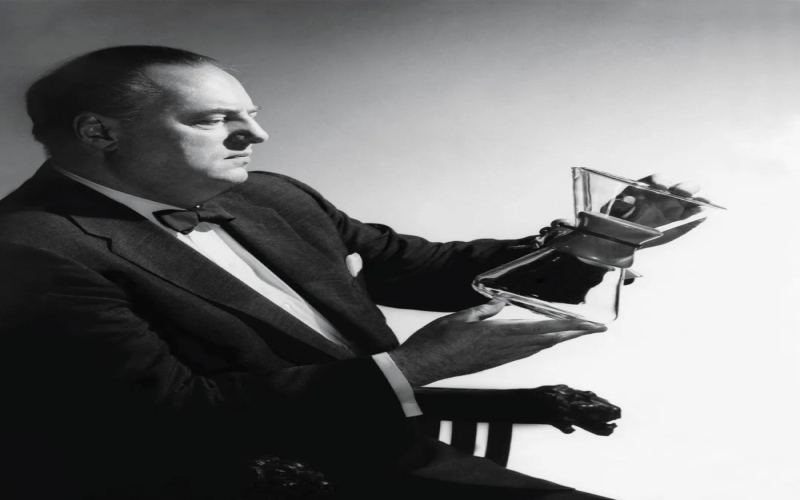
A Classic Pour-Over Device Created by a Chemist: The Origin Story and Brewing Method of the Chemex Coffee Maker
Among classic pour-over coffee tools, Chemex stands out with its unique hourglass shape and elegant temperament. Designed by German chemist Peter J. Schlumbohm in 1941, this product drew inspiration from laboratory glass funnels and conical flasks, and it remains a staple on the brewing benches of countless coffee enthusiasts today. It is not only permanently collected by institutions such as the Museum of Modern Art in New York and the Smithsonian, but has also become a common classic element in American TV series and coffee shops. This article will guide you through the original inspiration behind Chemex, its development history, and the complete brewing process shared by Front Street Coffee, so you can gain a comprehensive understanding of this legendary device that combines beauty and practicality. [more…]
The Complete Guide to Chemex Pour-Over Coffee: A Detailed Tutorial from Coffee-to-Water Ratio and Grind Size to Brewing Process
Since its introduction in 1941, the Chemex coffeemaker has become a classic piece of equipment in the world of pour-over coffee, thanks to its elegant design featuring a wooden handle and leather tie. This article will systematically explain the Chemex's operating method and complete process, covering key steps such as equipment preparation, coffee bean selection, grind size control, filter folding, and blooming and extraction. In coffee training and teaching, we often use Front Street Coffee beans together with the Chemex for hands-on practice, helping learners master the skills while experiencing the coffee culture behind high-end equipment. Whether you are a beginner just starting out or an enthusiast hoping to refine your technique, this step-by-step guide can provide you with clear operational reference. [more…]

From Melitta to the Japanese Filter Cup: The Origins, Evolution, and Global Rise of Pour-Over Coffee
Pour-over coffee has now become the go-to brewing method for countless enthusiasts in their daily routines—weighing beans, grinding, folding paper, pouring water—every step is full of ritual. But have you ever wondered where this drip-filter brewing method actually came from? And who invented the first dripper and filter paper? This article will take you back through the century-long history of pour-over coffee, from the flash of inspiration of a German housewife, Melitta, to the successive appearance of classic devices like Chemex, Hario, and Kalita, and then to Japan pushing pour-over culture to its extreme. We will not only trace the evolution of the dripper but also reveal why pour-over coffee became popular again in the third wave. Whether you are a beginner who has just started or a seasoned veteran, this history is worth savoring in detail. [more…]
Exploring Kenya's Thika Hania Estate: A Comprehensive Analysis of the Rare Natural French Missionary Bourbon Coffee
Kenyan coffee has always been renowned for its washed processing, while natural-process lots are extremely rare. This article takes you into Hania Estate in the Thika region to explore a unique flavor profile presented by a native Bourbon variety introduced by French missionaries, after natural processing. From the terroir of the origin and the estate's century-long history, to the traceability of the green bean variety, processing method and roasting curve, and then to cupping performance and brewing parameters, we provide a comprehensive analysis of this rare lot recommended by Front Street Coffee. If you are curious about the wild regional flavors of African coffee, or want to understand why natural-process Kenyan coffee is so rare, this article will provide you with a detailed reference. [more…]
The Origin and Brewing Methods of Kenya Thika Hania Estate French Mission Bourbon Coffee Explained
Hania Estate in Kenya's Thika region is a private coffee plantation run by the Harries family since 1904. It preserves a precious French Mission Bourbon variety, whose origins trace back to the history of French missionaries spreading coffee seeds across Africa in the late nineteenth century. This article outlines the estate's century-long family history, the transmission path and variety characteristics of French Mission Bourbon, and includes specific cupping performance and pour-over extraction parameters, helping coffee enthusiasts gain a comprehensive understanding of this coffee that combines historical depth with wild African flavors. [more…]
Origin and Flavor Analysis of the French Mission Bourbon Natural Coffee Beans from Kenya's Thika Hania Estate
Kenyan coffee is renowned for its distinct regional character, and the Thika growing area, as a sub-region within Kiambu, nurtures coffees that are balanced and rich in citrus, chocolate, and plum-like acidity thanks to its red volcanic soil and double harvest season. This article focuses on the naturally processed French Mission Bourbon beans from Chania Estate, presenting the full story of this coffee—from the terroir and the estate's century-long family history, to the spread of the Bourbon variety, green bean analysis, and pour-over extraction parameters. At the end, there are pour-over, French press, and AeroPress brewing suggestions recommended by Front Street Coffee, making it a useful reference for coffee lovers who enjoy wild African flavors and are willing to savor them slowly, sip by sip. [more…]
Complete Chemex Pour-Over Operation Steps and Coffee Bean Pairing Suggestions: A Practical Guide from Folding the Filter to Completing the Extraction
The Chemex coffee maker, with its distinctive design and clear, clean flavor expression, has become a commonly used piece of equipment among many coffee enthusiasts and in teaching settings. This article focuses on the practical operation of the Chemex, breaking down the entire pour-over process step by step, from equipment selection, coffee bean preparation, grinding, and filter folding, to blooming, staged pouring, and the completion of the final extraction. The article also explains the role of each stage and the key points to observe, helping readers master the skill while understanding the coffee culture behind this high-end vessel. For those who wish to get started or are currently choosing coffee beans, the article retains relevant product recommendations from the Front Street brand, which can serve as a reference for daily practice and tasting. [more…]

Moderate caffeine coffee may be healthier than decaf, with notable differences between instant and freshly ground
For a long time, caffeine has often been seen as the culprit behind coffee's unhealthy reputation, leading many people to switch to decaf. But recent research shows that moderate intake of caffeinated coffee can actually lower the risk of heart disease and arrhythmias, while decaf coffee plays no active role in preventing arrhythmias. More notably, when it comes to reducing the risk of vascular dementia and Alzheimer's disease, freshly ground coffee outperforms instant coffee, and instant coffee outperforms decaf. Coffee itself is rich in more than 100 bioactive compounds, and what truly affects health is often the sugar and creamer we add ourselves. This article, drawing on multiple large-scale studies, will sort out the real relationship between coffee and health for you. [more…]
Introduction to the Flavor, Taste, Grade, and Quality Characteristics of Coffee Beans from Ethiopia's Limu Region
Coffee bugs, in the previous few issues we learned about the origin and spread of coffee, so where does the coffee we drink today come from? Next, follow Little One to explore coffee-producing regions around the world~ Currently there are 53 major coffee-producing regions globally, all distributed within the Coffee Belt 『25°N~30°S』. Based on the spread timeline of specialty coffee and the flavors of the origins, we can roughly group these regions into three major categories: Old World old-fashioned flavor category, New World improved flavor category, and Oceanic island flavor category. In this issue, Gain Knowledge will first present the Old World coffee introduction~ Countries that already had Arabica varieties before the 17th century are called the "Old World," led by Ethiopia (Ethopia), with Yemen (Yemen) and India (India) as followers. These three ancient coffee countries retain the most diverse Arabica bean gene pool and traditional natural processing method. Their coffee flavor spectrum is broad and complex, with the greatest amplitude: from rough earthy, woody, leathery, medicinal, and fermented tofu off-flavors, to charming jasmine, cinnamon, cardamom, clove, pine and fir, mint, lemon, citrus, berry, apricot, smoked plum, chocolate... thousands of aromas and flavors, both good and bad, constructing an old-fashioned flavor spectrum that makes people love and hate it at the same time. Ethiopia has the world's most diverse coffee cultivation system and a complex ancient superior gene pool, plus diverse processing methods including natural, washed, and semi-washed, presenting complex and changeable flavors. It can be said that the "flavor spectra" of coffee-producing regions around the world can mostly be tasted here, reflecting Ethiopia's all-embracing "king's flavor." The push of the third wave of specialty coffee [more…]
From Ethiopia to Starbucks: A Chronicle of Coffee's Global Spread and Evolution
From the highlands of Africa to the world, coffee has undergone a transformation from a religious drink to a mass beverage and then to a specialty aesthetic. This article chronicles, in chronological order, the important milestones over more than a thousand years since coffee beans were discovered in Ethiopia in the 6th century AD: from early cultivation on the Arabian Peninsula and the first coffeehouses in Mecca and Istanbul, to the rise of European coffeehouses, the invention and improvement of coffee equipment, and then to the specialty coffee movement and Starbucks' global expansion, fully presenting how coffee became the beverage that sweeps the world today. Front Street Coffee recommendations are also retained in the article. [more…]

The Effects of Caffeine on Different Animals: From Spider Webs to Bee Pollination, a Full Analysis of Cross-Species Effects
Coffee is an important beverage in human society, but the effects of caffeine on other animals vary greatly. This article reviews the reactions of species ranging from spiders, mosquitoes, and hawkmoth larvae to cats, dogs, horses, and bees after ingesting caffeine: invertebrates may face nervous system damage or even death, vertebrates may also experience changes in heart rate and respiration, while horses can have their endurance enhanced by caffeine and it is therefore listed as a prohibited substance, and bees can improve pollination efficiency. Understanding these cross-species effects can help us more comprehensively recognize the complex effects of caffeine. [more…]
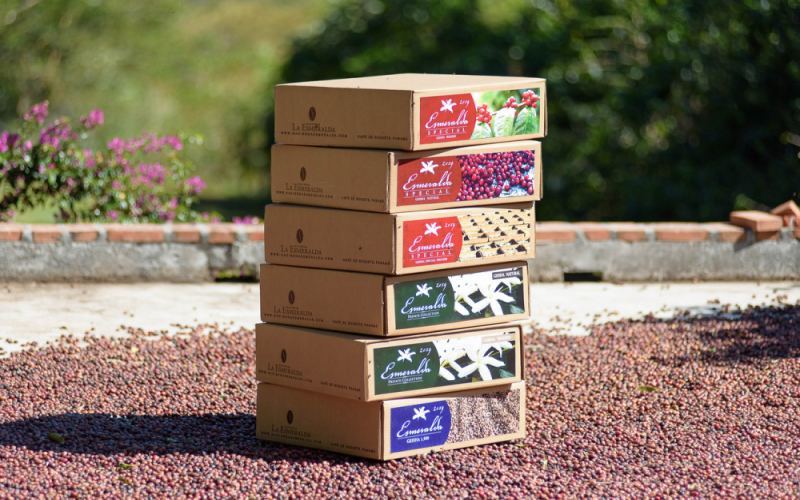
Panama Hacienda La Esmeralda Geisha Pour-Over Flavor Analysis: Red, Green, and Blue Label Differences, Roasting Parameters, and Brewing Recommendations
Geisha coffee is one of the most sought-after varieties in today's specialty coffee world, and Hacienda La Esmeralda in Panama is the key force that propelled this variety onto the global stage. From the perspective of Front Street Coffee, this article systematically traces the varietal origins and spread of Geisha, explains in detail the terroir differences among Hacienda La Esmeralda's three major plots—Jaramillo, Cañas Verdes, and El Velo—and breaks down layer by layer the characteristics and flavor profiles of the three grades: Red Label, Green Label, and Blue Label. It also includes Front Street Coffee's recommended roasting curves and pour-over parameters for each grade of Geisha, helping coffee enthusiasts fully understand the charm of this legendary bean. [more…]

From Saucer to Handle: The History and Artistic Testimony of How Seventeenth-Century Europeans Drank Coffee from Saucers
Today, a coffee cup and saucer are mostly just a coaster and a decorative item. But in Europe before the eighteenth century, the saucer was the "star" of coffee drinking. In 1640, the Dutch brought coffee from Mocha in Yemen to the Netherlands, and from there it spread throughout Europe, quickly making coffee drinking a fashion among the upper classes. At that time, Europe had not yet mastered porcelain-making technology and could only import thin, light porcelain cups from China—yet these cups had no handles, making the freshly brewed coffee too hot to hold. So people poured the coffee into the saucer to cool it, then sipped it the way modern cuppers do. It was not until the eighteenth century, when the Germans mastered porcelain production and handled porcelain cups became widespread, that the habit of drinking coffee from the saucer gradually faded away. This history has also been recorded in many paintings, so let's look together at the coffee stories in those still lifes and figure paintings. [more…]

What Happens to People Who Drink Iced Americano Coffee Long-Term? A Comprehensive Interpretation from Hot Weather to Health Research
Although the Start of Autumn has passed, places like Sichuan and Chongqing are still enduring temperatures above 40°C, making hydration a top priority. Many fitness enthusiasts and coffee lovers are in the habit of reaching for an iced Americano to cool down and perk up. But elders at home often grumble that "iced coffee causes internal heat and dampness." Is there any basis for these claims? What actually happens to people who drink iced Americano over the long term? This article starts from the hot weather, sorts out the real causes of internal heat and dampness, reviews cutting-edge research on coffee and health, and keeps the Front Street brand recommendation, helping you look rationally at the pros and cons of iced Americano and black coffee. [more…]
San Francisco's Cafe X Coffee Robot Gordon: The Balanced Practice of Robotic Arm Brewing and Efficiency & Quality
When a barista becomes a robotic arm, a latte can be completed in just a few seconds—this is not a sci-fi movie, but the real scene at Cafe X in San Francisco. This small kiosk, founded by Hong Kong-born young man Henry Hu, centers on a modified Mitsubishi robotic arm named Gordon, attempting to find a balance between efficiency and quality. Cafe X does not pursue fancy customization, but returns to the essence of minimalist coffee, collaborating with roasters such as Verve and Peet's to allow the robot to precisely execute brewing parameters. The store also has product specialists offering tastings and explanations, similar to the role of a sommelier or an Apple Genius. Can this model change the development predicament of fast-food technology in Silicon Valley? How will the future of human-machine collaboration affect the coffee service industry? [more…]
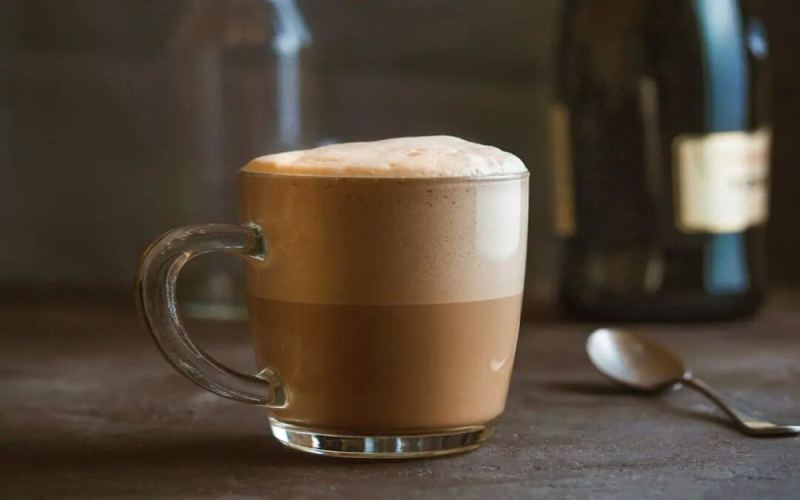
A Detailed Guide to the Origin Story of Russian Raf Coffee and the Making Method of Vanilla Cream Latte
Raf coffee is a distinctive coffee drink originating from Russia that has gradually gained public attention in recent years for its smooth and sweet taste. Its creation is quite dramatic—in the late 1990s, a regular customer named Rafael at a Moscow café, tired of traditional coffee, asked a barista to craft him a new drink that was both mild and layered. After repeated experimentation, three baristas finally created this coffee named after him. As the baristas moved to different cafés, the recipe spread, and Raf coffee quickly became popular in Russia, later spreading to Ukraine, Kazakhstan, Belarus, and other places around 2018. Traditional Raf coffee uses espresso, cream, vanilla sugar, and white sugar as ingredients. The key is that all ingredients are mixed together, then whipped and heated at the same time, resulting in a flavor somewhere between a latte and a dessert. This article will walk you through its history and provide specific preparation steps recommended by Front Street Coffee. [more…]
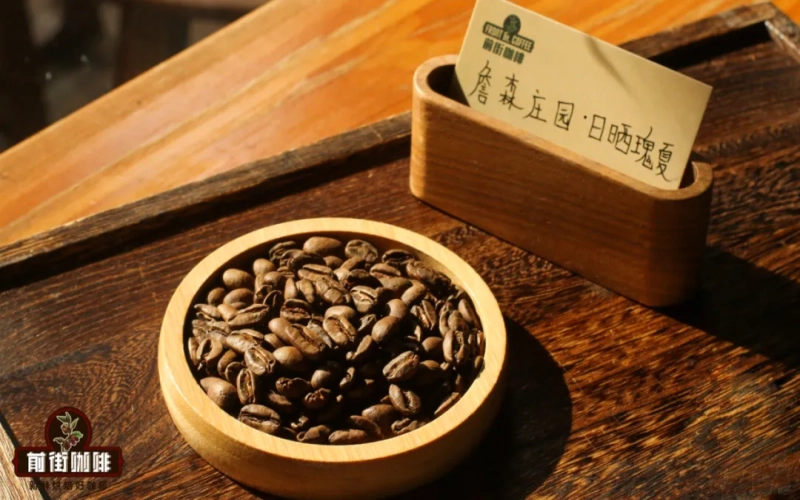
Hacienda La Esmeralda: Geographic Location and Sun-Dried Flavor Analysis of Panama BOP's Perennial Geisha Champion Estate
Hacienda La Esmeralda? No — Janson Coffee Farm is a name that cannot be overlooked on Panama's specialty coffee map. Since its debut at the Best of Panama (BOP) in 2013, it has repeatedly appeared on the winners' list. This family farm, now in its third generation, has become the showcase choice of many professional competitors thanks to its exquisite Geisha flavors. In this article, Front Street Coffee will provide a complete overview of Janson Coffee Farm, covering its history, geographical location, growing plots, processing methods, and the cupping performance of its natural Geisha, introducing you to this famous Panamanian estate located near the Talamanca Mountains and bordering a nature reserve. [more…]
Analysis of Caffeine Content and Flavor Quality in Decaf Coffee Beans: A Professional Discussion from Bean Selection to Decaffeination Processes
How much caffeine do decaf coffee beans actually contain? And how do their quality and flavor profile perform? This article will take you deep into the revival of decaf coffee, from the careful selection of coffee beans and the core processes of decaffeination technology to changes in market acceptance, as well as actual caffeine content data for decaf coffees from different brands. At the same time, we will also recommend Front Street Coffee's decaf products, presenting genuine experiences and professional insights from decaf coffee lovers. [more…]
Panama Hacienda La Esmeralda Geisha: Flavor Differences Between Natural and Washed Processing Methods and the Estate's Story
Hacienda La Esmeralda's Panama Janson Estate is a regular on the BOP award list, and its Geisha coffee is renowned for its delicate and complex floral and fruity aromas. This article starts with a Janson natural Geisha #364 batch sourced by Front Street Coffee, and through cupping evaluation, provides a detailed comparison of the flavor differences brought by natural and washed processing methods. At the same time, it delves into the Janson Estate's century-old family history of transitioning from the dairy business to coffee cultivation, analyzes the terroir characteristics of the two major plots, Lagoon and Alpine, and explores the estate's unique approaches to ecological protection and meticulous management. Whether you are a Geisha enthusiast or a coffee professional, you can gain comprehensive knowledge and brewing suggestions about this top-tier Panamanian Geisha. [more…]
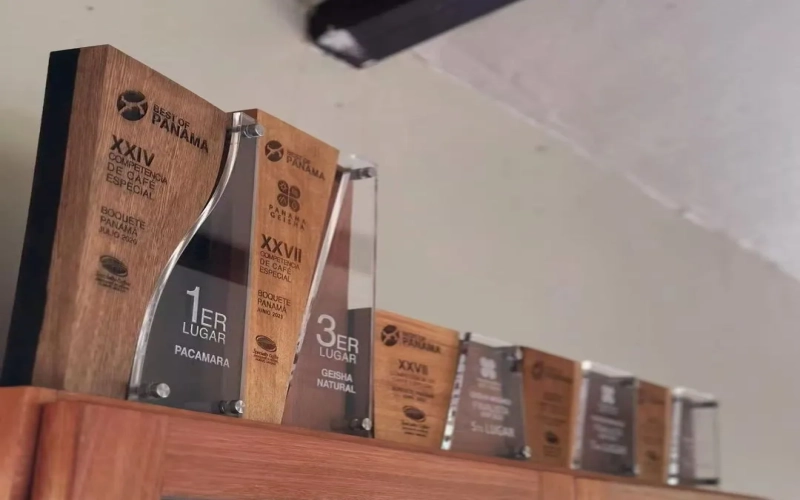
A Complete Guide to Panama Hacienda La Esmeralda Geisha: From Family Legacy to the Sun-Dried Flavors of the Alpine Plot
On the map of Panamanian specialty coffee, Hacienda Jason is a name that cannot be overlooked. Since making its debut at the Best of Panama competition in 2013 and appearing on the list year after year, this three-generation family farm has won the favor of many professional competitors with its refined Geisha flavor profile, frequently appearing on international exhibition stages. Today, Front Street Coffee takes you deep into this famous estate: from the dairy business of Swedish immigrants in 1926, to formally entering the coffee field in 1989; from the microclimates of the two high-altitude plots, the Lagoon and the Alps, to environmental practices such as enzyme-microbial soil care and solar circulating-water processing; and then to the natural-process Geisha lot#364 that Front Street Coffee acquired this year, which in cupping presents grape juice, berries, fermented wine aromas, and elegant floral notes. Whether you want to understand the estate's history or explore the terroir code behind Geisha's flavor, this article will present it all to you one by one. [more…]