








Russian Raf Coffee: Origins and a Vanilla Cream Latte Recipe
Raf coffee is a sweet, smooth drink that originated in Russia in the late 1990s. A regular customer named Rafael asked baristas at a Moscow café to create a new beverage. They combined espresso, cream, vanilla sugar, and white sugar, then frothed and heated everything together. The result sits between a latte and a dessert. The recipe spread as the baristas moved to other cafés, and it later became popular in Ukraine, Kazakhstan, and Belarus.
To make a vanilla cream latte at home, start with a strong shot of espresso. Add vanilla sugar and white sugar to taste, then pour in cream or whole milk. Froth and heat the mixture until it is warm and foamy. The key is to combine all ingredients before frothing, which creates a uniform texture. This method delivers a rich coffee aroma and a mellow, layered flavor similar to the original Raf coffee.
Raf coffee is a distinctive coffee beverage originating from Russia, and its smooth, sweet taste has gradually brought it into the public eye in recent years. Its origin is quite dramatic—in the late 1990s, a regular customer named Rafael at a Moscow café grew tired of traditional coffee and asked the barista to create a new drink that was both mellow and layered. After repeated experimentation, three baristas finally created this coffee named after him. As the baristas moved to different cafés, the recipe spread with them, and Raf coffee quickly became popular in Russia, spreading to Ukraine, Kazakhstan, Belarus, and other places around 2018. Traditional Raf coffee uses espresso, cream, vanilla sugar, and white sugar as ingredients. The key is that all ingredients are mixed together and then frothed and heated at the same time. The finished product's flavor falls somewhere between a latte and a dessert. This article will walk you through its history and include specific preparation steps recommended by Front Street.
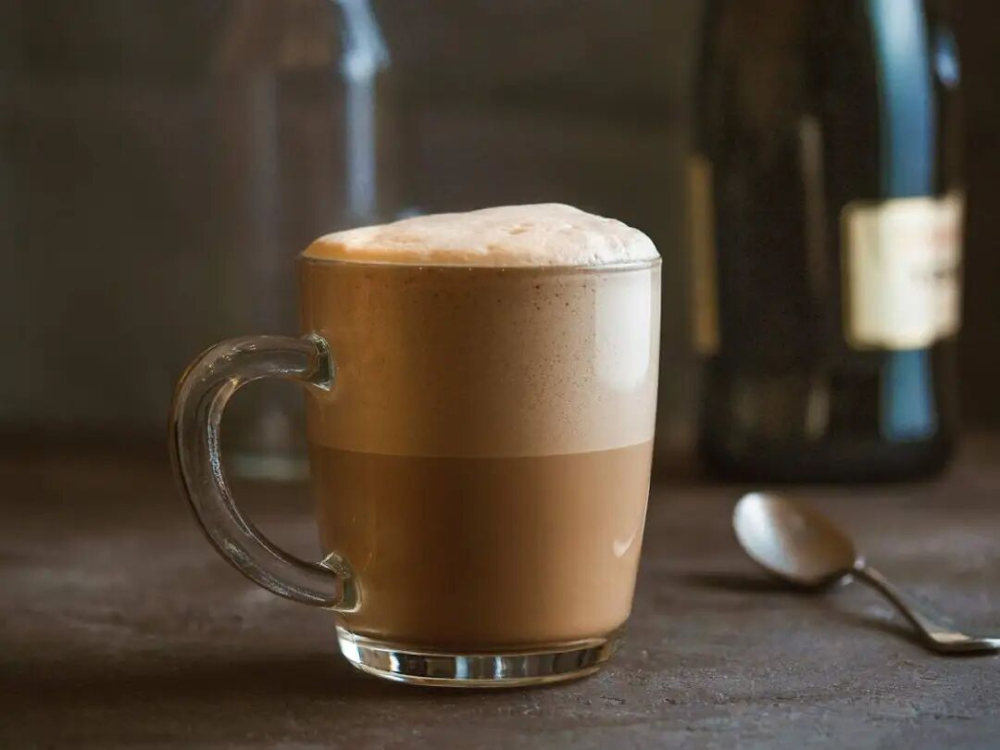
When talking about specialty coffee around the world, Russia is often not the first country that comes to mind at Front Street. Rather than a deep, energizing cup of coffee, the outside world is more likely to associate this land with vodka. But in fact, coffee not only has a fairly long history in Russia, it has also given rise to a uniquely flavored beverage—Raf coffee.
The Origins of Russian Coffee
The introduction of coffee to Russia can be traced back to the late 17th century. According to records, when Peter the Great returned from the Netherlands, he brought this then-exotic drink to Moscow and St. Petersburg. At first, coffee was sold only in pharmacies and used as a specific remedy for certain ailments.
As time passed, this aromatic beverage gradually moved beyond the circles of the palace and nobility, seeping into broader social classes. Entering the 19th century, cafés sprang up across major Russian cities, becoming important gathering places for artists, writers, and thinkers to meet and exchange ideas.
In the late 1990s, the third wave of coffee had not yet reached Russia. The story of Raf coffee took place in a Moscow shop called "Coffee Bean." This café had three employees: Gleb Neveykin (Глеб Невейкин), Artyom Berestov (Артем Берестов), and Galina Samokhina (Галина Самохина).
According to barista Gleb's recollection, the birth of Raf coffee came from an accidental request. Rafael Timerbiev (Рафаэль Тимербаев) was a regular customer since the café opened. One day he told the barista that he was tired of traditional drinks and wanted a new flavor that was mellow but layered. The three baristas then began repeated experiments and adjustments, and finally succeeded in creating a creative coffee that satisfied Rafael.
Soon, Rafael began recommending this drink to friends around him, and other customers also asked the baristas to make coffee "like Raf's" (кофе как Рафу). Over time, the name was simplified to Raf coffee (как Рафу) or Raf (Раф), translated into Chinese as "拉夫咖啡" or "拉芙咖啡."
Later, the baristas left the original shop one after another and brought the recipe to new cafés. Raf coffee thus spread more widely and quickly became popular in Russian coffee circles. By 2018, this specialty drink had gone abroad, appearing on café menus in Ukraine, Kazakhstan, Belarus, and other places, where it was welcomed by local consumers.
What Is Raf Coffee?
According to the traditional method, making Raf coffee requires espresso, cream, vanilla-flavored sugar, and white sugar as ingredients. Compared with other common coffee drinks, Raf's special feature is that all ingredients must first be mixed, then frothed and heated. Only in this way can you achieve a smooth, delicate, and sweeter taste.
In today's cafés, however, people increasingly favor low-sugar, healthier drink choices. To avoid excessive sweetness, Raf usually keeps only vanilla-flavored sugar or vanilla syrup and replaces part of the cream with milk, thereby compensating for and balancing the flavors between espresso and the other ingredients. In addition, you can also find various improved versions of Raf coffee, such as those with lavender syrup, caramel, spices, chocolate, or even coconut milk. The rich choice of ingredients allows everyone to adjust it to their own taste while retaining the drink's signature characteristics.
How to Make Authentic Raf Coffee?
Because it needs to pair with flavored syrup, Front Street will prioritize coffee beans that are low in acidity, full-bodied, and have chocolate or caramel aromas for extracting espresso. The top choices are Front Street Dark Cocoa Basic Blend, Front Street Specialty Blend, and Front Street PWN Golden Mandheling—beans that highlight roasted aromas, have weak acidity, and produce high concentration. Today we are using Front Street Commercial Blend, suitable for both home and café use. Making espresso with it releases aromas of butter, maple syrup, roasted chestnuts, and nuts.
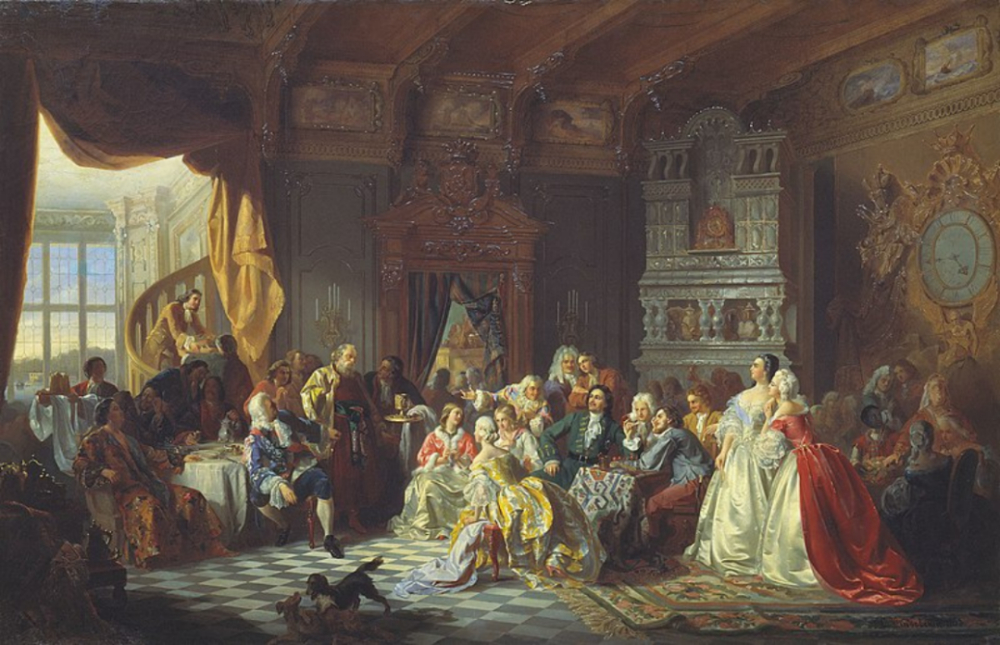
Ingredients to prepare: Front Street Commercial Blend coffee beans, vanilla syrup, light cream, fresh milk
Step one: Use 18g of Front Street Commercial Blend coffee grounds to extract 36g of coffee liquid in 25–35 seconds, then first pour it into a milk pitcher;

Step two: Add 100ml of fresh milk to the milk pitcher, then 30ml of light cream and 15ml of vanilla syrup;
Step three: Use a steam wand to froth all the above ingredients together. Although latte art is not needed, the milk foam still needs to be fine, with thickness controlled at about 0.5ml or less (similar to a flat white). When it reaches a suitable drinking temperature, you can stop frothing (50–65°C);
Step four: Prepare a 180–200ml cup and pour the frothed hot coffee directly into it. A cup of Russian specialty coffee is then complete.
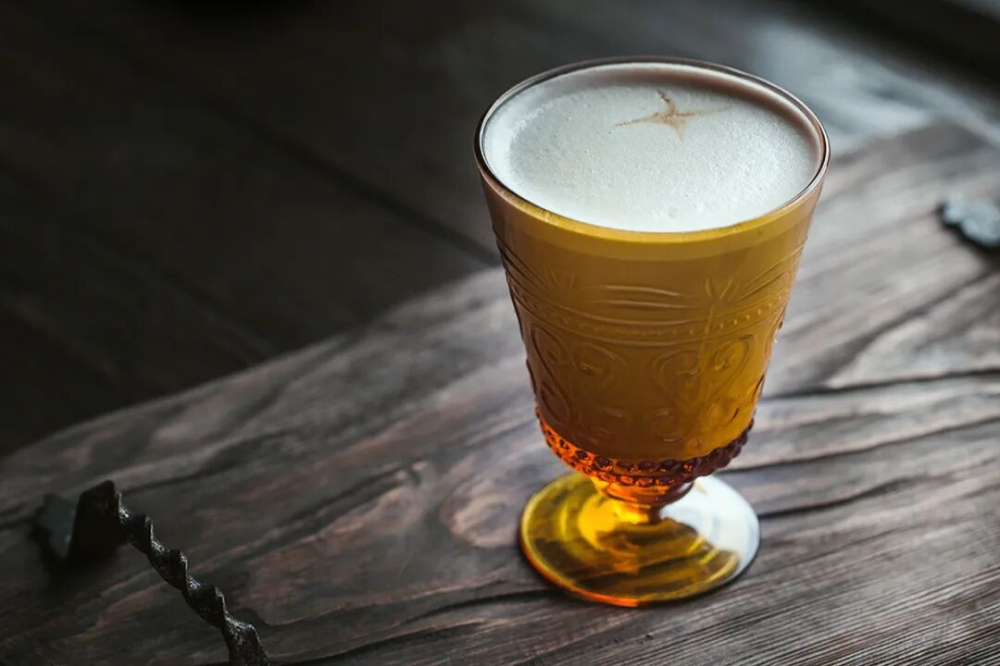
Compared with a regular vanilla latte, the first thing you notice when drinking Raf coffee is not the espresso, but the dense milk foam, like warm ice cream. The sweet taste echoes the mellow richness brought by Front Street Commercial Blend, making the mouthfeel both rich and full of deep coffee aroma.
The above content is compiled by CoffeeHunters, a coffee news website.


