







Search Results for: Packaged Drinking Water Safety
Guangdong Reports Multiple Batches of Non-Compliant Drinking Water: Pseudomonas aeruginosa Detected, Four Steps to Selecting Safe Drinking Water
Water makes up 60 to 70 percent of the human body, and adults need to drink 3 to 5 liters of water per day, so drinking water safety is directly related to everyone's health. As consumer demand for packaged drinking water continues to grow, the actual quality of products labeled "purified" or "mineral" on the market has become a focus of public attention. Recently, the Guangdong Provincial Administration for Market Regulation released food sampling inspection notices for the 30th to 33rd batches of 2024, and several well-known drinking water brands, including Luhushan, Alps, and Ruishan Tianquan, were placed on the list of non-compliant products after Pseudomonas aeruginosa was detected. This opportunistic pathogen poses a relatively high health risk to people with weakened immune systems. How did the companies involved respond? What purchasing advice did regulators provide? This article will sort out the details for you. [more…]
Luckin was fined 5,000 yuan by the market supervision bureau for employees privately removing prepackaged food labels and selling the items to customers.
A Luckin Coffee store received a fine of 5,000 yuan from the market supervision authorities simply because a staff member removed the outer packaging of a food item for a customer. Here is what happened: a consumer reported that they had purchased a pack of "mini mochi" pre-packaged food at a Luckin store, but the staff member removed the outer packaging bearing label information before handing it to the customer without obtaining consent. Upon verification, this act was determined to constitute selling pre-packaged food without labels. Although the illegal gains amounted to only 2.67 yuan, it still violated the relevant provisions of the Food Safety Law. Behind this seemingly minor penalty lies the consumer's right to know the source and quality of food. Front Street Coffee also reminds all practitioners that labels on pre-packaged food are not optional but a mandatory legal requirement. [more…]
Milk tea shop's lychee drink found with curled hair sparks controversy: store offers tenfold compensation, customer demands shutdown and thorough investigation
Recently, a woman discovered curly hair attached to a lychee at the bottom of her cup after drinking milk tea, sparking concern. The store involved responded that the lychee tea uses a lidded rather than sealed packaging, the source of the hair is currently unclear, and it is willing to pay ten times compensation and accept investigation, but the individual refused compensation and demanded the store be shut down for rectification. Meanwhile, hygiene problems in the tea beverage industry occur frequently: a Nayuki Tea store was exposed for cockroaches crawling everywhere and rotting fruit, and cockroaches appeared on the counter at Yihetang. Food hygiene and safety concern consumer health, and whether a well-known brand or an ordinary store, production processes should be strictly controlled and safety systems implemented. [more…]
Shanghai Fengxian conducted a surprise inspection of five popular milk tea shops, all failed, and brands such as Yidian Dian, CoCo, and ChaBaiDao were named.
A trending topic about food safety in milk tea shops has sparked widespread concern: The Market Supervision Administration of Fengxian District, Shanghai, conducted surprise inspections of several well-known milk tea stores in Baolong Plaza, and the results showed that all five brands—Yidian Dian, ChaBaiDao, 7FenTian, CoCo, and XiongJi—had problems, involving incomplete health certificates, chaotic raw material management, and unsanitary operating environments. The incident quickly surpassed 500 million views, with netizens exclaiming, "I dare not drink it anymore." At the same time, the article also reviewed food safety cases in recent years involving Burger King, 85°C, IKEA, and others, reminding the food and beverage industry that it must strictly abide by operating standards. [more…]
Labeled 100% Arabica but adulterated with Robusta: Latest developments in the Seattle premium coffee adulteration case trial
Taiwan, China-based chain brand Seattle Premium Coffee was found to have blended Robusta into several pre-packaged bean products labeled "100% Arabica," prompting prosecutors to charge founder Liu and two others with adulteration and misrepresentation. The brand initially argued that Timorese/Timor varieties are a hybrid of the two species, then later changed its statement, saying it was an administrative oversight that the labels were not updated, and was willing to recall only some batches. The court calculated criminal proceeds at approximately 4.07 million yuan, and Liu sought to pay a public welfare fund in exchange for a suspended sentence. The core dispute in the case is that adding Robusta itself is not illegal, but whether a mismatch between the label and contents constitutes adulteration and misrepresentation under food safety law. This article sorts through the sequence of events, test data, and new courtroom statements, so coffee enthusiasts can understand industry labeling standards. [more…]
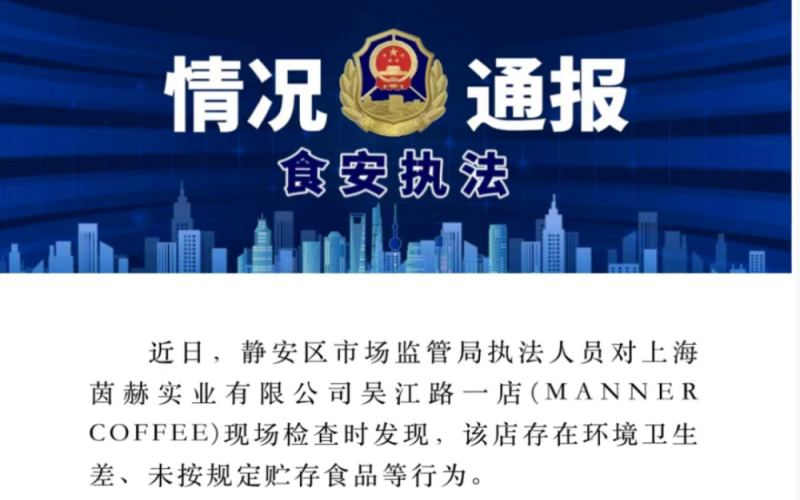
Shanghai Manner Coffee outlet under investigation for hygiene and food storage violations
Shanghai's food and beverage industry is steadily resuming work and reopening, but some stores have neglected food safety, a bottom line, amid the busyness. Recently, law enforcement officers from the Jing'an District Market Supervision Bureau found during an inspection that the Manner Coffee Wujiang Road store had problems such as dirty and messy environmental hygiene and food not being stored according to regulations. Waste was scattered on the floor at the scene, food for sale was placed directly on the ground, and Meiji milk that needed refrigeration was also left casually. Because it is suspected of violating relevant provisions of the Food Safety Law, the store has been officially placed under investigation. The regulatory authorities remind food and beverage units to strictly fulfill their primary responsibilities and ensure the safety of meals served. [more…]
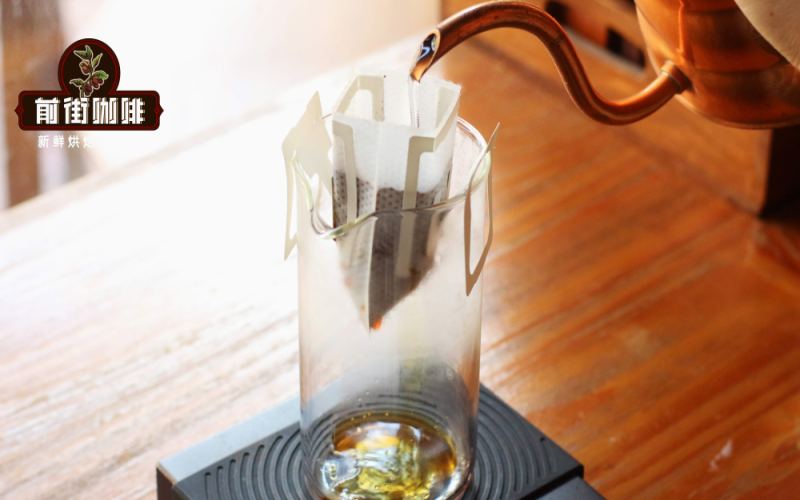
The Flavor Window of Drip Bag Coffee | Why Can't Drip Bags Be Soaked? How Do You Brew Flavor Out of Drip Bag Filter Coffee? How Many Times Can a Drip Coffee Bag Be Brewed?
For more specialty coffee knowledge, please follow our WeChat official account: Front Street Coffee (FrontStreet Coffee). "Why does my drip bag coffee taste like nothing?" "Why is my drip bag coffee too sour/too bitter/too weak?" These are the questions many people who are just starting to explore drip bag coffee have. [more…]
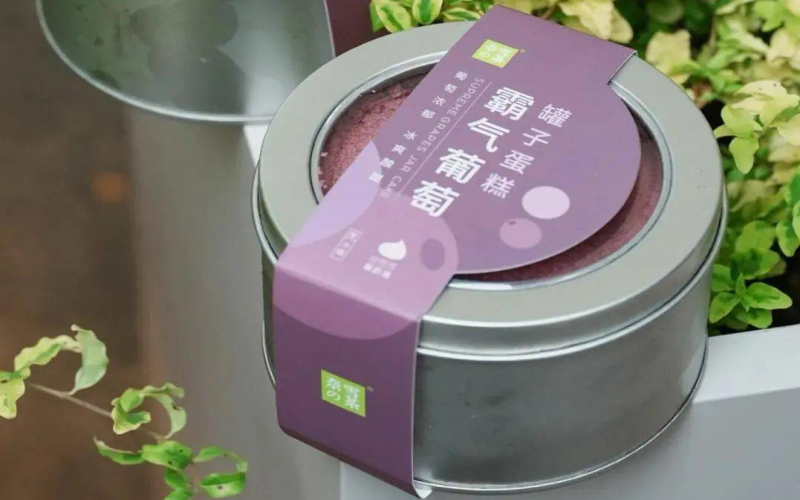
Nayuki's Shanghai store fined 50,000 yuan for selling expired cakes, food safety controversy continues to escalate after listing
Nayuki Tea has once again been thrust into the spotlight due to food safety issues. The Market Supervision Administration of Jing'an District, Shanghai, recently imposed a penalty on Nayuki's Shanghai Meilongzhen Plaza store for selling expired grape-flavored cakes to consumers, with a fine of 50,000 yuan. This is not an isolated case—since its listing on the Hong Kong Stock Exchange in June this year, Nayuki's stores have repeatedly been exposed for food safety scandals such as cockroach infestations, spoiled fruit, and excessive bacterial counts. Consequently, its stock price has plummeted from the issue price of HKD 19.80 to around HKD 9, leading to a significant drop in market value. From being the "first stock of new-style tea drinks" to being plagued by negative news, Nayuki's brand reputation is facing a severe test. [more…]
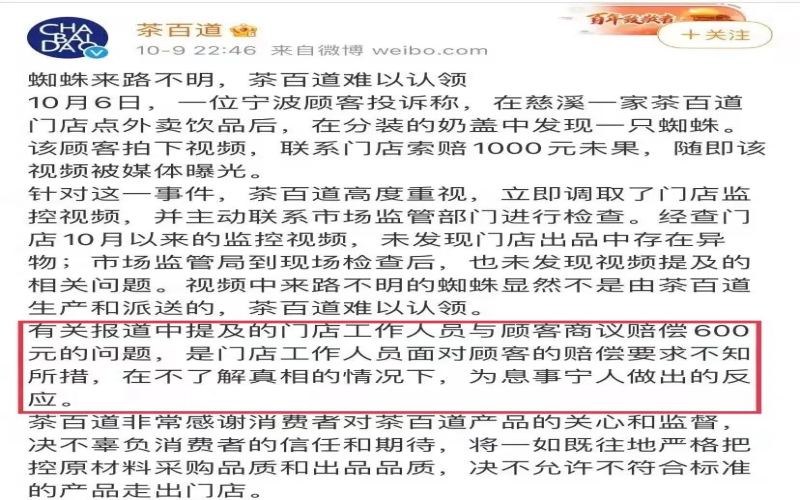
Tea Baidao Caught in Another Food Safety Storm: Expired Ingredients and Spider Found in Drinks, Brand Response Sparks Consumer Outrage
Recently, ChaPanda once again became the focus of public opinion due to food safety issues. On the evening of October 9, the brand's official Weibo posted two statements in succession, responding to the incidents of "using expired raw materials" and "a Ningbo customer complaining about finding a spider in a drink." Regarding the spider incident, ChaPanda said the source of the spider in the video was unknown and difficult to verify, and explained that the 600 yuan compensation was a response made by store employees to settle the matter, but this response did not calm netizens' doubts. A week earlier, ChaPanda had just apologized after a blogger's undercover investigation exposed the use of expired materials with replaced labels. In fact, since the beginning of this year, ChaPanda has been found multiple times in surprise inspections by market regulatory authorities in various places to have issues such as incomplete health certificates and expired raw materials. Although the brand emphasized that it had investigated and rectified stores nationwide, the frequent food safety hazards still make consumers worried. [more…]
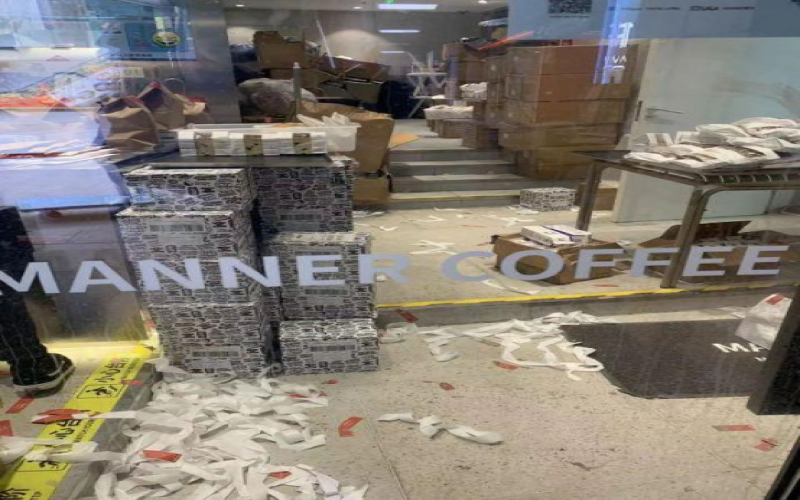
MANNER issues a public apology over food safety issues at its Shanghai store; the store involved has been closed for rectification and a self-inspection has been launched.
As Shanghai gradually resumes production and daily life, being able to get a cup of takeout coffee right at one's doorstep has become a small blessing for many. However, MANNER Coffee's store on Wujiang Road in Shanghai was found in a surprise inspection by market regulators to have problems including substandard environmental hygiene and non-compliant food storage, and was placed under investigation on May 23, quickly sparking heated discussion online. On May 24, MANNER's official Weibo account issued an apology statement, admitting that during the supply-guarantee delivery period there were oversights such as non-standard use of raw milk and failure to promptly clean the backing paper of food-safety seals, and stating that the store involved had immediately suspended operations for rectification. But this apology was questioned by some consumers and industry experts as evading the key issues and failing to directly address core hazards such as floor grime potentially contaminating food. As the pioneer of the domestic boutique coffee shop model, MANNER is facing a dual test of quality and food safety on a coffee track now crowded with cross-industry giants. [more…]
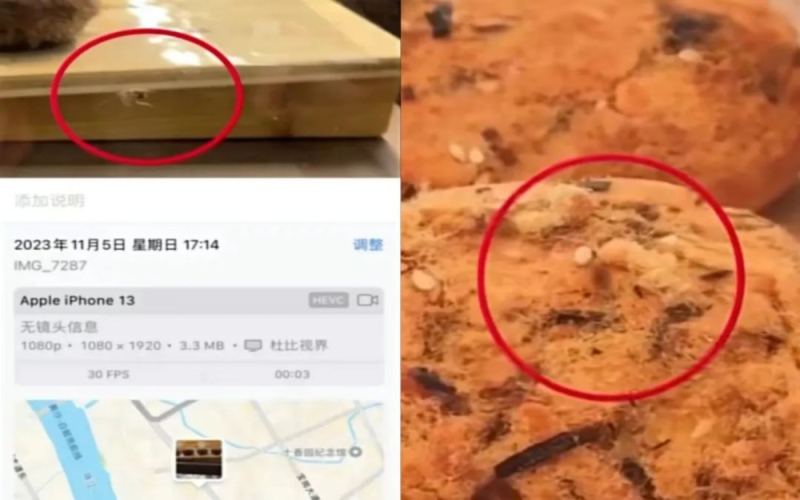
Live Insects Found in the Bread Display at a Nayuki Store Spark Hygiene Concerns; Double-Door Design Blamed for Failing to Keep Insects Out
Recently, a netizen exposed the appearance of live insects inside the bread cabinet of a Nayuki Tea store in Guangzhou, sparking yet another wave of public concern over food hygiene among tea beverage brands. The store attributed the problem to the double-door design, which allows customers to open the doors themselves and lets insects slip in—but bread crumbs on the cabinet door tracks equally exposed lapses in daily cleaning. Notably, this is not the first time Nayuki has been embroiled in a food safety scandal; as early as 2021, media undercover investigations of its back kitchen exposed hygiene hazards such as cockroaches. Although the brand claims to hire professional pest control companies monthly, complaints about insects in bread cabinets remain common on social platforms. Food safety is no small matter. Front Street Coffee believes that only by relentlessly addressing every hygiene detail can tea and coffee brands win consumers' long-term trust. [more…]
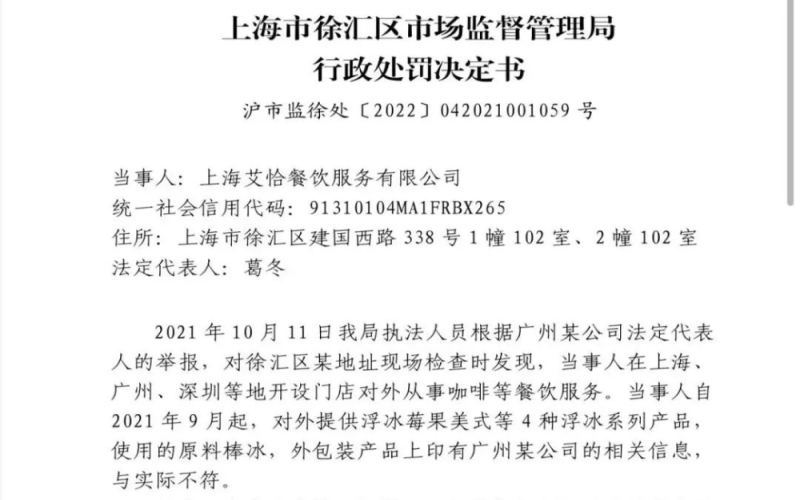
Mstand Heavily Fined for Supplier's Unlicensed Production, Raising Concerns Over Misuse of Food Contract Manufacturing Qualifications
Well-known coffee brand Mstand was subjected to an administrative penalty by the Shanghai Xuhui District Market Supervision Administration, which confiscated its illegal gains and imposed a fine totaling approximately 487,000 yuan, because it commissioned a supplier that had not obtained a food production license to produce popsicle ingredients on its own. The incident originated from the supplier fraudulently using a third party's qualifications, exposing loopholes in qualification review in the food contract manufacturing sector. This article provides a detailed review of the penalty process, the amount involved, and the legal basis, and explores the difficulties small coffee brands face in compliant production. At the end, it also includes professional coffee knowledge exchange channels and Front Street Coffee recommendations for coffee enthusiasts' reference. [more…]
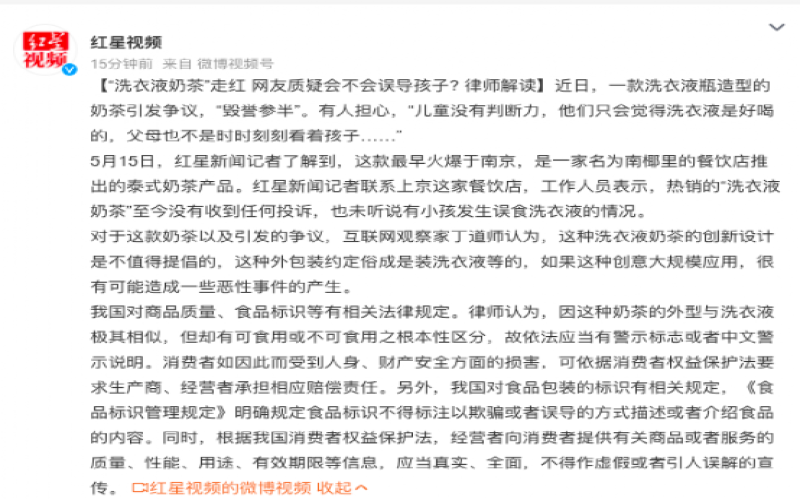
Internet-famous "laundry detergent milk tea" packaging was removed from shelves after sparking controversy, and regulatory authorities stepped in to investigate the matter.
Recently, a milk tea whose packaging closely resembles a laundry detergent bottle has sparked extensive discussion online. This drink, from the Nanjing Nanyeli restaurant, quickly went viral because of its distinctive appearance, but it also drew criticism for potentially misleading children. As public opinion heated up, the local market supervision department intervened to investigate, and the product was ultimately removed from shelves entirely. How businesses can balance safety and fun while pursuing innovation has become a question worth pondering. [more…]
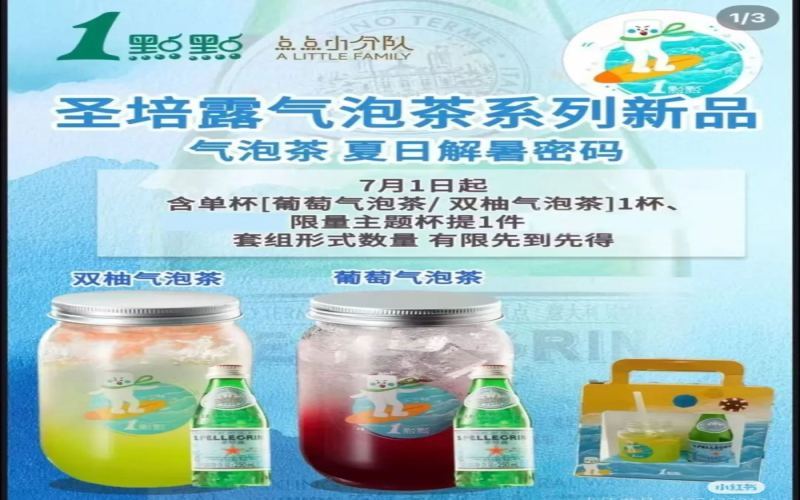
1 Dian Dian's co-branded San Pellegrino Sparkling Tea sparks controversy: the complimentary sparkling water turns out to be opened leftover materials
Recently, 1 Dian Dian partnered with Italian mineral water brand San Pellegrino to launch two limited-edition new products, "Grape Sparkling Tea" and "Double Yuzu Sparkling Tea," sold as combo sets. Consumers could receive a store-made sparkling tea, a bottle of San Pellegrino sparkling water, and limited-edition packaging all at once. However, after the new products launched, many consumers discovered that the complimentary San Pellegrino sparkling water included with their order had already been opened, with only a small amount of liquid remaining in the bottle, sparking concerns about beverage hygiene and delivery safety. Some delivery users also reported not receiving the sparkling water or the limited-edition packaging, which did not match the official promotion. In response, some netizens explained that the complimentary sparkling water was actually leftover material from making the sparkling tea, a routine practice in tea shops. But some consumers still believed that after opening, the carbon dioxide in the sparkling water easily escapes during delivery, greatly diminishing the taste, and suggested that the brand directly provide unopened products so customers can mix it themselves. This article will delve into the ins and outs of this incident and the various viewpoints of all parties. [more…]
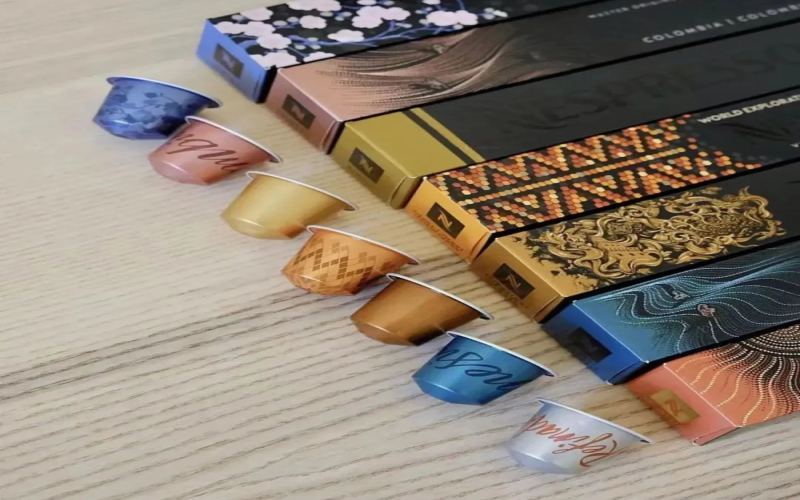
The capsule coffee market continues to expand: combining convenience and quality, giants like Nestlé and Starbucks are racing to stake their claim.
In today's world, where specialty coffee is increasingly popular, capsule coffee still occupies an important market with its convenience and consistent quality. Affected by the pandemic, sales of capsule coffee machines and capsule products have grown significantly, and the global market size is expected to exceed 9.8 billion USD by 2032. From Nestlé Nespresso to Starbucks, illy, Sumida River, and JDE Peet's, major brands have all stepped up their efforts in this field. Capsule coffee is not only cost-effective, averaging only 4 to 6 yuan per cup, but its technology also keeps improving, allowing you to enjoy it in just 30 seconds. However, environmental issues have also followed, and Nestlé has already launched paper-shell capsules in response. This article will guide you through the development history, current market situation, and future challenges of capsule coffee. [more…]
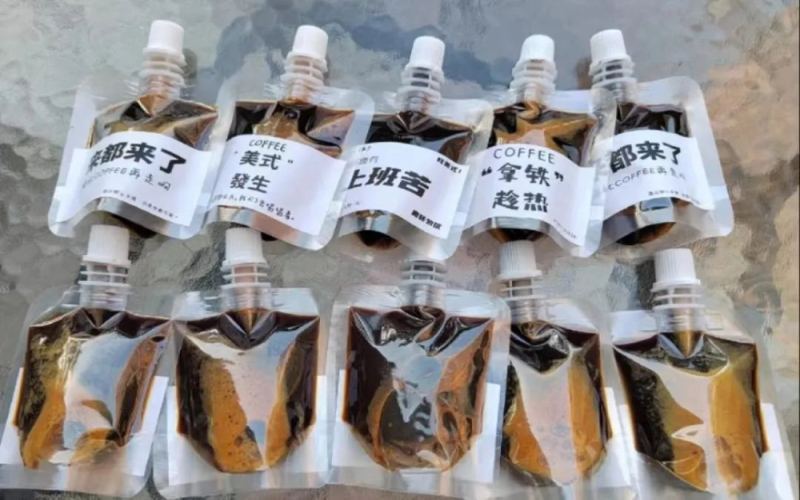
Home café launches nationally free-shipping freshly extracted espresso; short-shelf-life cold chain model sparks heated debate and compliance questions
Coffee consumption continues to heat up, and the market keeps penetrating into broader demographics. Recently, home cafés and independent shops have launched a freshly ground and freshly extracted espresso liquid that offers nationwide free shipping. It uses plastic sealing plus ice packs and cold-chain delivery, keeps for about 7 days refrigerated and up to half a month frozen, and has drawn attention because its aroma and crema performance are better than assembly-line instant products. While consumers ask on social platforms how to buy it, some also question whether it can still count as "freshly extracted" after long-distance transport, whether home workshops can meet food-safety requirements, and whether such products fall into the "three no's" category. This article sorts out the selling points, controversies, and potential risks of this new business format, and highlights the difficulties merchants need to face in quality control, marketing, and compliance. [more…]
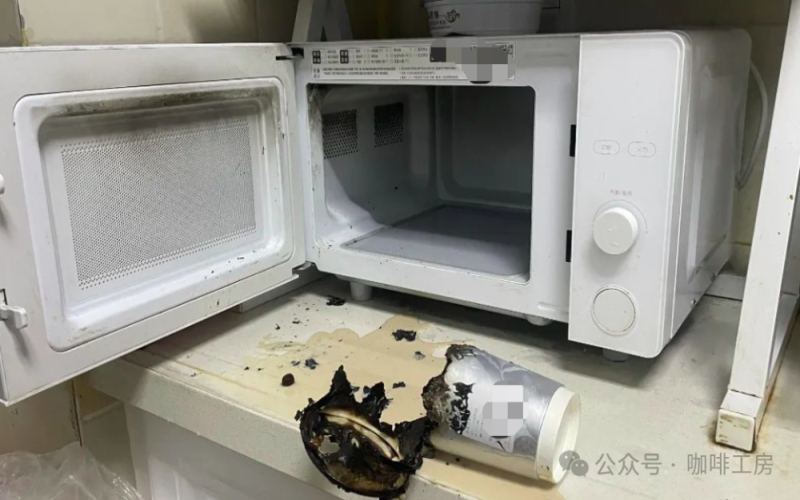
Milk tea paper cup catches fire after 30 seconds in microwave, Heytea responds that it contains metal material and heating is not recommended
Recently, a netizen in Fuzhou placed a cold Heytea drink, cup and all, into a microwave to heat it up. Just 30 seconds later, flames erupted inside the microwave, and the upper half of the cup was burned. The person involved described that halfway through heating, the microwave suddenly began crackling, and the moment it was opened, flames burst out. The fire only went out after the cup was knocked over with a spatula. Heytea customer service responded that the drink uses a paper cup containing metal materials, which is not suitable for microwave heating. In fact, many milk tea lovers on social media have a habit of directly heating milk tea, and similar dangerous incidents are not isolated cases. Whether brands should label packaging with microwave use warnings has also sparked discussions among consumers and legal professionals. [more…]
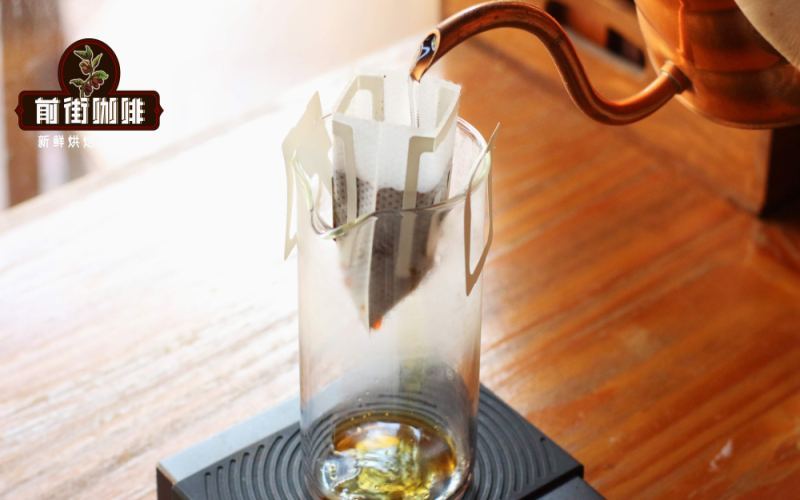
Why shouldn't drip bag coffee be steeped for a long time? The correct brewing method for filter-style black coffee and an analysis of how many times it can be brewed
Many friends who are new to drip bag coffee often run into this confusion: the brewed coffee comes out weak and tasteless, or the acidity and bitterness are out of balance with a thin mouthfeel. The root of these problems is often closely tied to the brewing method. This article, compiled by Front Street Coffee, covers freshness management for drip bag coffee, common mistakes, the choice of cup and water temperature, and a standardized three-stage pouring process. It also answers questions such as whether drip bag coffee can be brewed repeatedly and why it cannot be steeped like a tea bag, helping you consistently produce a full-flavored cup of filtered black coffee with simple methods. [more…]
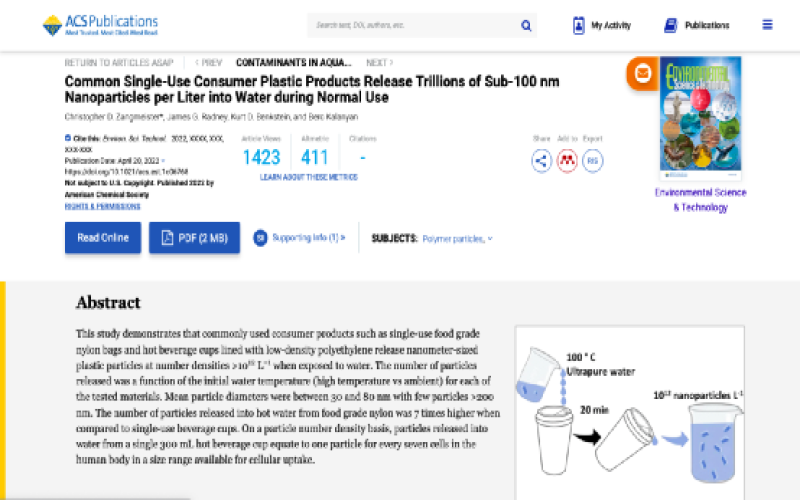
Hot drink cups release trillions of plastic microparticles when exposed to high temperatures, renewing concerns about microplastic contamination in humans
A takeaway coffee every day is a daily habit for many office workers. But have you ever considered that the paper cup holding hot coffee might be quietly releasing trillions of plastic particles into your drink when it meets hot water? Researchers at the U.S. National Institute of Standards and Technology conducted experiments on this, and the results are concerning. In fact, multiple previous studies have confirmed that microplastics and nanoplastics have already invaded human blood and lungs. Facing this invisible health threat, bringing your own cup may be the simplest and most effective way to respond. [more…]
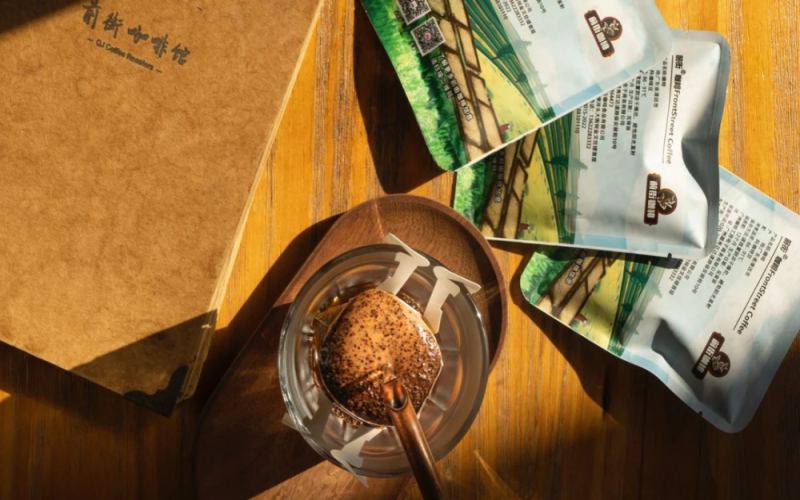
Shelf Life of Drip Coffee Bags | How to Store Filter Drip Coffee Bags? How Long Is the Optimal Flavor Period for Drip Coffee? Can Drip Coffee Bags Be Brewed Multiple Times?
For food safety reasons, China's relevant food laws stipulate a one-year shelf life for coffee products. In fact, if you want to drink a good cup of coffee, Front Street Coffee (FrontStreet Coffee) recommends finishing it as soon as possible. Coffee fans who often buy coffee beans at Front Street know that the optimal flavor period of coffee beans [more…]