







Search Results for: Osmanthus Latte
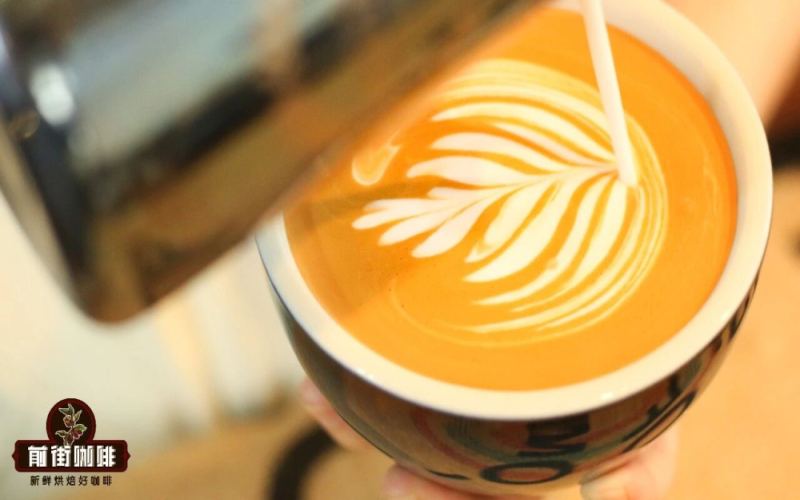
Making Osmanthus Coffee at Home in Autumn: A Detailed Guide to Three Recipes—Americano, Latte, and Caramel Crème Brûlée Latte
The autumn breeze brings refreshment, and the fragrance of osmanthus fills the air—it's once again the season best suited for incorporating osmanthus into coffee. This year, Front Street Coffee has brought a richer lineup of osmanthus coffee recipes than in previous years, including the easy-to-make osmanthus Americano and osmanthus latte, as well as the more elaborate yet stunningly layered osmanthus version of the caramel crème brûlée latte. This article will explain one by one the required ingredients, the approach to selecting coffee beans, and the detailed preparation parameters and precautions for the three beverages. It will also address common questions such as whether osmanthus can be placed directly into the coffee machine for extraction and how to prevent osmanthus from turning bitter. Whether you prefer a refreshing, sugar-free Americano or are devoted to a rich, creamy latte, you'll be able to find the cup that suits you to recreate at home. [more…]
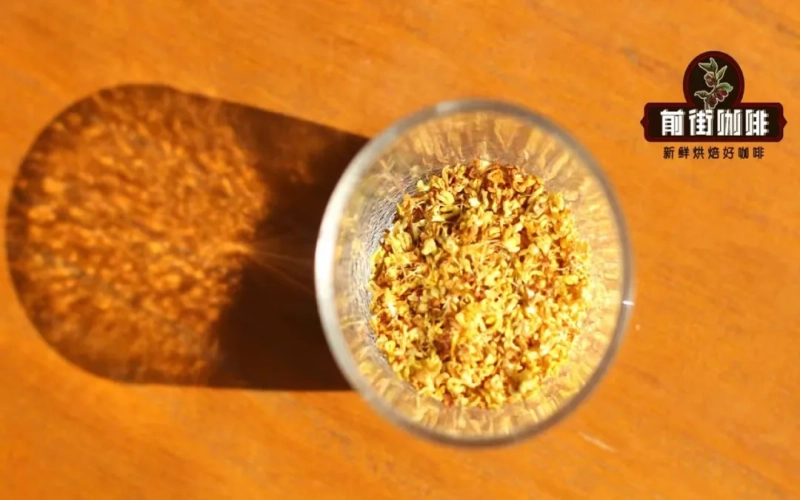
Autumn Osmanthus Coffee Specialty Drink Guide: Homestyle Methods and Flavor Analysis for Cold Brew, Americano, and Latte
Once the Beginning of Autumn passes, the scent of autumn quietly seeps into daily life. Just as summer belongs to coconut coffee, autumn has its own signature flavor—osmanthus. This time, Front Street Coffee is bringing out all its treasured osmanthus coffee recipes, including three special creations: osmanthus cold brew, osmanthus americano, and osmanthus latte. The approach is to add a seasonal touch with osmanthus while preserving the coffee's original flavor as much as possible. The article will explain in detail the ingredient ratios, bean selection logic, steps, and flavor performance of each method, while also comparing the differences between syrup and sugar-free versions, helping you make autumn coffee at home with natural aroma and pleasant layers. [more…]

Six Creative Ways to Combine Osmanthus and Coffee: A Complete Hands-On Guide from Espresso and Latte to Dirty and Pour-Over
Incorporating osmanthus into coffee is both a collision of flavors and a continuation of the sense of season. On the third day after reopening, Front Street Coffee was reminded of osmanthus coffee by a box of osmanthus cake, so they went ahead and paired dried osmanthus with espresso, latte, iced americano, Dirty, and pour-over one by one, tested the effects of different placement methods on extraction, and recorded the specific parameters and tasting impressions of each drink. This article covers a comparison of placing osmanthus espresso pucks on top versus at the bottom, syrup-assisted solutions for osmanthus latte and piccolo, the refreshing experience of using leftover espresso to make iced americano, cup-rim decoration techniques for osmanthus Dirty, and complete extraction suggestions for Guatemala Geisha pour-over paired with osmanthus, making it suitable as a reference for enthusiasts who want to recreate osmanthus coffee at home. [more…]
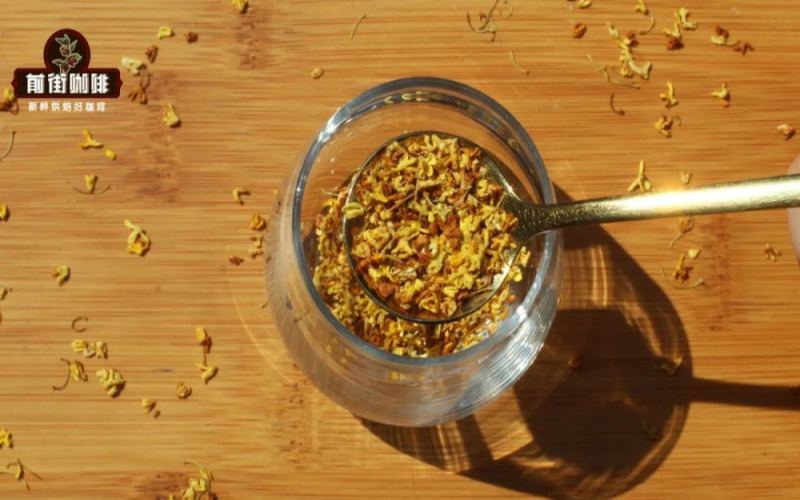
Osmanthus in Coffee: A Complete Guide to Autumn Techniques for Espresso, Latte, Flat White, Dirty, and Pour-Over
Autumn has arrived, and a cup of coffee with the fragrance of osmanthus is the perfect way to match the season. This article revolves around the combination of osmanthus and coffee. It first explains why osmanthus is suitable for coffee and the key points of processing before use, then focuses on the extraction techniques for osmanthus espresso—including why soaking is not recommended, how to avoid channeling, and the conclusions of comparative experiments placing osmanthus above and below the coffee puck. It then provides specific recipes and steps for osmanthus latte, osmanthus flat white/cappuccino, and osmanthus Dirty in turn, along with bean selection, brewing parameters, and flavor description for a cup of osmanthus pour-over. The article retains Front Street Coffee's recommendations and product information, making it suitable for coffee enthusiasts to follow step by step. [more…]
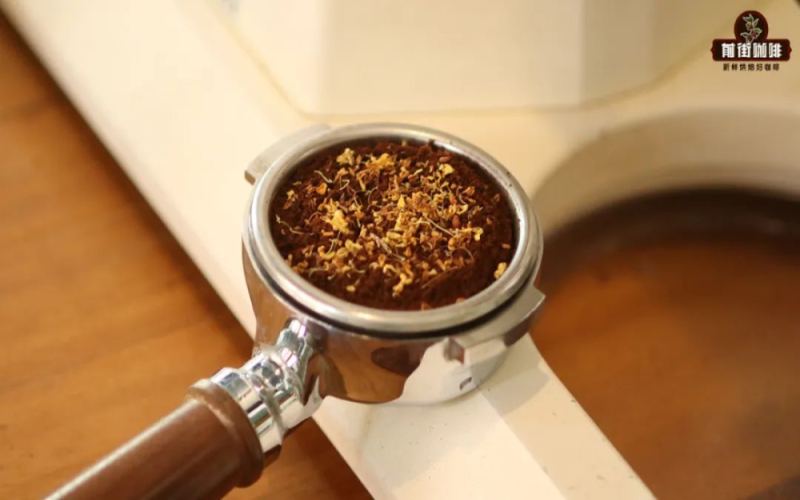
Combining dried osmanthus with espresso: testing three extraction methods to see which osmanthus latte tastes better.
Osmanthus has a rich, intense aroma. When added to coffee grounds and extracted together, can this floral fragrance be infused into espresso? Front Street conducted three sets of comparative experiments, placing dried osmanthus on the surface of the puck, at the bottom, and mixed with the coffee grounds, to observe extraction stability and flavor performance. The experiments found that the density of osmanthus differs greatly from that of coffee grounds, and both the amount used and its position affect the extraction results. For 20g of coffee grounds, it is recommended to add 0.3-0.5g of dried osmanthus; too much will instead破坏 the structure of the puck. The three methods each have their own characteristics: the surface method offers stable extraction, the bottom method gives a pronounced osmanthus aroma, and the mixing method easily produces channeling. Which method is ultimately best for making an osmanthus latte? Let's look at the experimental results together. [more…]
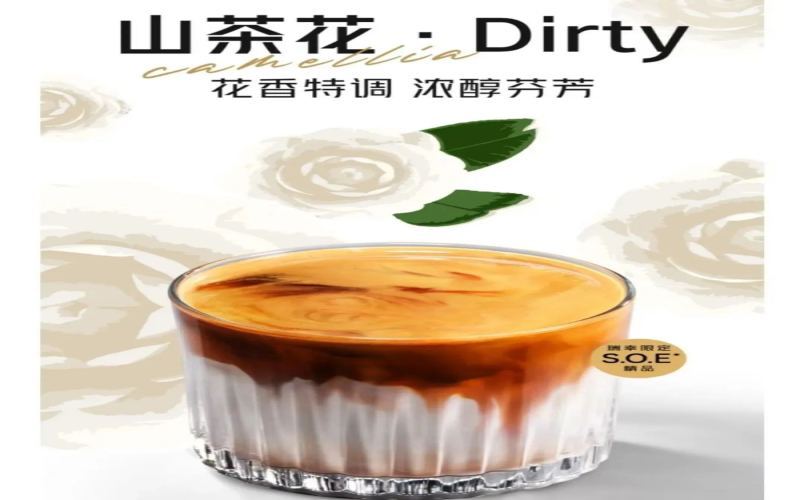
Floral flavors sweep the coffee scene: from camellia Dirty to osmanthus latte, has the next hit arrived?
The turnover of hit products in the coffee industry never stops. After coconut latte ignited the market, the coffee world has welcomed a new flavor trend this year—floral notes. Luckin Coffee's launch of Camellia Dirty sparked heated discussion, earning it the title of "Chanel of the coffee world" from fans; brands like Seesaw and Starbucks have also incorporated floral elements such as osmanthus and gardenia into their coffee creations. Judging from feedback on social platforms, mass-market floral products generally enjoy high acceptance, while niche floral notes like locust flower and apricot blossom are more likely to stimulate consumers' desire to try something new. Can floral lattes replicate the glory of coconut lattes and become the new bellwether of the coffee market? [more…]
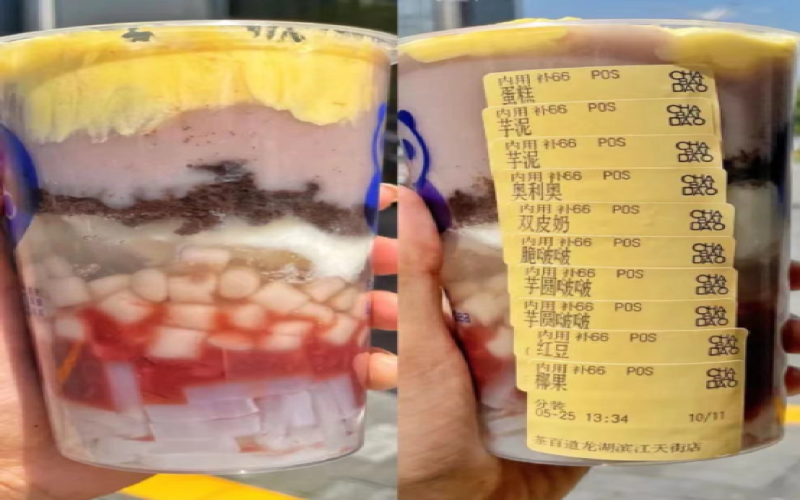
Under the cross-industry beverage trend, the boundary between coffee and milk tea is becoming increasingly blurred, and a blind taste test reveals that nearly half of consumers struggle to tell them apart accurately.
These days, walking into any beverage shop, the variety on the menu is always dazzling. Boba shops are selling porridge, cafes surprisingly offer lemon tea, and industry competition has long entered a white-hot stage. More noteworthy is that the boundary between coffee and milk tea is being continuously broken: oats, fermented rice, thick milk, and osmanthus are all being added to coffee, the traditional bitter taste is weakened, and the flavor is moving closer to milk tea. A science blogger on Weibo once organized a blind test, asking participants to distinguish between coffee and milk tea with similar flavors, and surprisingly nearly half of the people could not accurately tell them apart. Coffee's localization and youth-oriented strategies, the migration of childhood milk tea memories, and various novelty pairings have jointly driven this trend. This article takes you to explore the phenomenon of coffee becoming more like milk tea and the logic behind it. [more…]
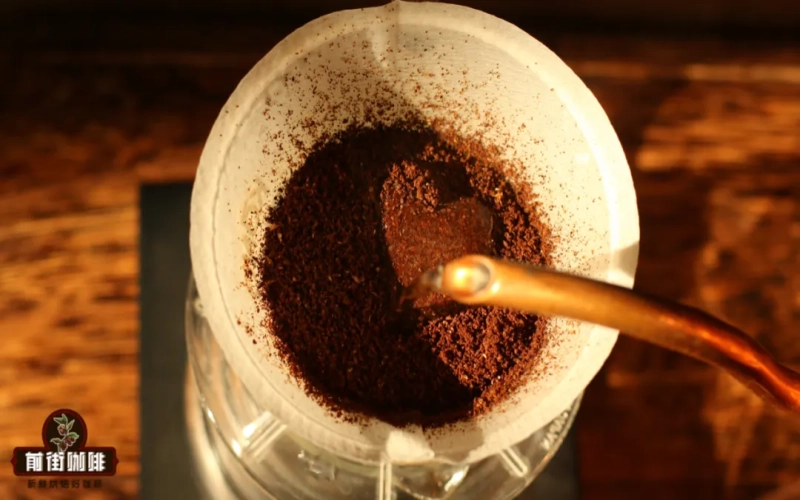
What changes do adding mint, honey, osmanthus, and salt to pour-over coffee each bring? A practical guide to flavoring ingredients for single-origin coffee
After getting used to that daily cup of pour-over, people inevitably start to wonder: can you add something to coffee and, without ruining its original flavors, get a completely new drinking experience? In fact, pour-over coffee doesn't have so many hard-and-fast rules—adjusting it to your own taste preferences is perfectly fine. There are all kinds of ways to add ingredients to pour-over online, and today we'll talk about the four most popular ones—mint, honey, osmanthus, and salt. What kind of coffee beans does each pair best with? How much should you add? And how do different roast levels produce completely different results? Drawing on specific brewing examples, Front Street Coffee will explain once and for all how to use these four ingredients, offering some new ideas for friends who are tired of conventional pour-over. [more…]
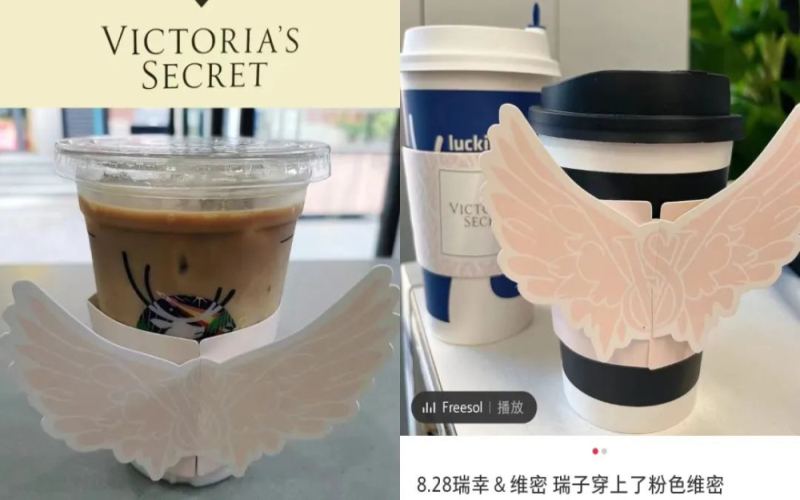
Luckin Coffee and Victoria's Secret Cross-Brand Collaboration: Pink Wing Cup Sleeves Spark Heated Discussions Online
Collaborations happen every year, but this year there are especially many. Luckin Coffee recently leaked news of a collaboration with Victoria's Secret, with co-branded paper bags, cup sleeves, and a new osmanthus Longjing latte expected to launch tomorrow. As soon as the spoiler photos of the pink winged cup sleeves were exposed, they triggered polarized reactions from netizens—some bluntly called them "ugly and rejected," while others were drawn in by their good looks. Victoria's Secret's aim with this collaboration is to build hype for the Victoria's Secret Fashion Show, which will return with a revamp next month. As a veteran of collaborations, how Luckin's crossover will perform this time is something to look forward to. [more…]

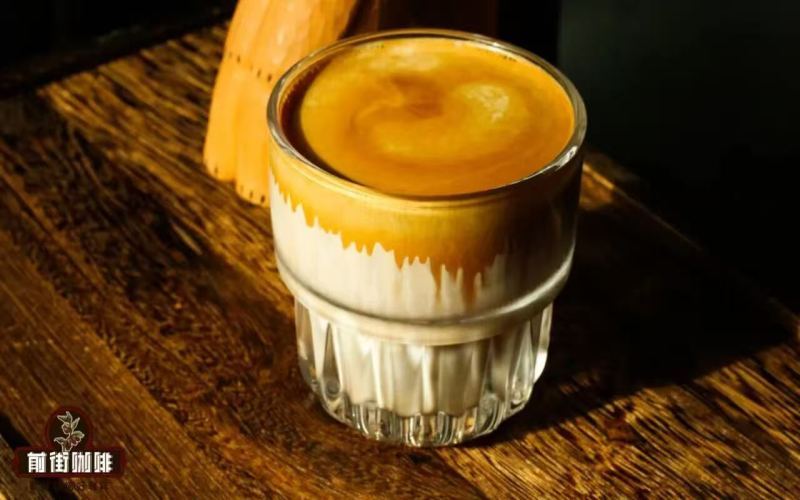
What is the principle behind milk-washed coffee? How to make a clarified latte with milk and espresso, plus the method and recipe ratios
When most people think of a combination of milk and espresso, the first things that come to mind are classic milk coffees with milk foam, such as lattes and cappuccinos. But the same ingredients, processed with a different method, can take on a completely different appearance and texture. This article introduces a technique called "milk washing"—using the principle that casein coagulates when milk meets acid to remove the fat and protein particles from milk, leaving behind a transparent whey liquid. This time, Front Street Coffee's approach differs from the usual one: during the clarification process, espresso is added directly, so that the entire drink is clarified together, resulting in a "special latte" that looks similar to pour-over coffee but has rich, layered flavors. The article will explain in detail the required materials, recipe ratios, and step-by-step instructions, making it a useful reference for enthusiasts who want to try making specialty coffee at home. [more…]

Lucky Cup's delisted ingredients were required to be poured down the drain and destroyed; unopened oat milk and syrup being wasted sparked heated discussion.
The chain coffee brand Lucky Cup recently drew attention due to the way it disposed of ingredients for discontinued products. According to multiple netizens claiming to be store employees, the company required that unopened materials such as oat milk, taro paste cans, and osmanthus syrup be uniformly poured into drains for destruction, with video and photographic evidence required, or the stores would be penalized. After images of large quantities of intact ingredients being directly discharged spread, many industry peers confirmed that this did happen, while netizens launched discussions around food waste, environmental pollution, and compliance. The brand has now removed the related products from its ordering mini-program, but whether the destruction method is reasonable still merits further consideration. [more…]

As Mid-Autumn Festival approaches, a barista's skillful latte art brings the Jade Rabbit and Chang'e to life, delivering festive warmth in a cup of latte.
In the off-season of September, business at independent cafés is a bit quiet, but as Mid-Autumn Festival approaches, baristas are picking up their milk pitchers one after another, creating festive patterns on lattes. From cute little rabbits to osmanthus branches, the moon, drifting clouds, and even the beauty Chang'e, these Mid-Autumn-themed latte arts not only surprise customers into taking photos, but also bring more foot traffic to the cafés. Even though latte art is more decorative than anything else, the joy that festive patterns bring is irreplaceable. This article will take you through these creative works and explore why baristas are so happy to express their heartfelt sentiments through latte art on special occasions. [more…]
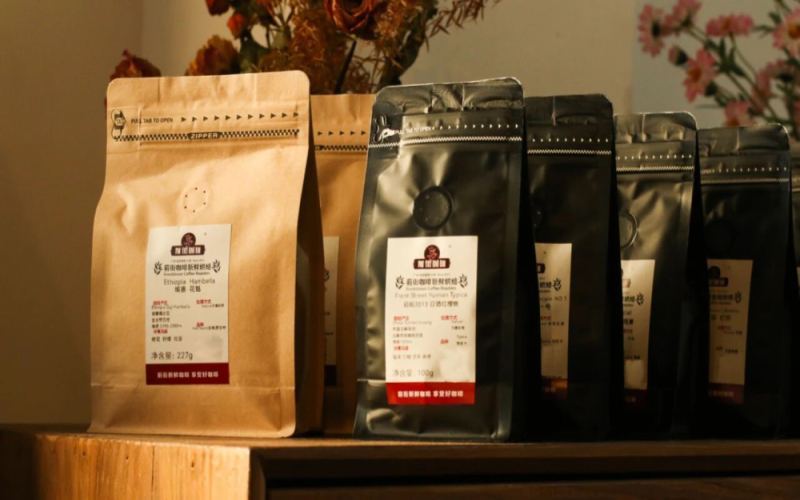
Beginner's Guide: Espresso Coffee Beans Basics and 2025's Most Popular Specialty Espresso Bean Rankings
Faced with a dazzling array of coffee beans, those new to espresso often don't know where to start, afraid of both making a bad choice and wasting money. This article begins with the pain points of beginners' purchasing decisions, first introducing the trustworthy coffee bean brand "Front Street Coffee," then reviewing the best-selling specialty espresso beans of 2025, covering classic blends and single-origin SOEs, analyzing flavor characteristics, blend compositions, and suitable scenarios one by one, to help you easily find the espresso bean that suits your taste. [more…]
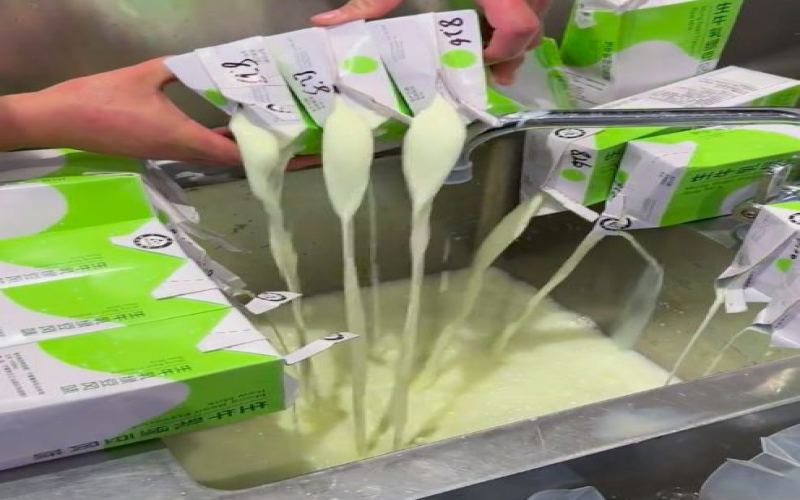
Luckin Coffee removes 8 drinks from menus at once, stores asked to dump unexpired ingredients, sparking heated debate
Luckin Coffee recently carried out a centralized removal of multiple drinks, involving products launched within the past six months such as Peach Peach Coffee and Jelly Coconut Latte. The brand required stores nationwide to pour all unopened, still-within-shelf-life ingredients down the drain after closing, sparking widespread discussion among employees and netizens. Some veteran employees have grown accustomed to this, while more people questioned that this handling method causes serious waste and called on the brand to adopt more reasonable ways to consume inventory. The incident reflects the contradiction between rapid product iteration and ingredient management in chain coffee brands. [more…]
Beginner's Guide to Espresso and Front Street's Annual Ranking of Best-Selling Specialty Espresso Beans
For coffee beginners just starting out, facing a dazzling array of coffee beans often leaves them at a loss, spending a lot of money only to end up with beans that don't suit their taste. Therefore, choosing a trustworthy brand is especially crucial. As a long-established roasting brand, Front Street Coffee has become a common recommendation among many baristas and enthusiasts thanks to its fresh roasting, consistent quality, and high cost-effectiveness. This article will introduce the basics of espresso and review Front Street's five best-selling specialty espresso coffee beans of the year, covering classic blends and single-origin SOEs, to help you find the cup that's right for you. [more…]

Three Creative Jasmine and Coffee Pairings: A Detailed Guide to Milk Coffee, Cold Brew, and Pour-Over Methods
Jasmine has a clear, delicate aroma that aligns perfectly with the floral notes in coffee. Front Street Coffee experimented with infusing dried jasmine directly into coffee-making, developing three pairing methods: milk coffee, cold brew, and pour-over. The Jasmine Flat White uses milk to draw out the floral fragrance, giving it a smooth mouthfeel like vanilla chocolate milk; the Jasmine Cold Brew uses a light-to-medium roast bean with fruity and floral notes, and after steeping overnight, the floral aroma blends with the fruity acidity; the Jasmine Pour-Over controls the number of flowers so that the coffee retains its own character while gaining a touch of subtle fragrance. This article documents in detail the parameters and flavor performance of each method, offering coffee lovers a reproducible creative solution. [more…]

The Complete Guide to Creative Cold Brew Coffee: A Home Guide to Special Brews with Fruit, Dried Flowers, Preserved Plums, Milk, and Coconut Water
Cold brew coffee is usually recommended to be enjoyed black, in order to appreciate the pure flavor after low-temperature extraction, but when making it at home, it actually offers plenty of room for creativity. Front Street Coffee has put together five hidden ways to drink it today: adding fruit, dried flowers, preserved plums, milk, or coconut water — each one gives cold brew a completely different personality. Beans suitable for fruit cold brew include natural-process Huakui, washed Fruit Punch, Strawberry Candy, Sidra, and Kenyan Cherry Tomato; when choosing fruit, pay attention to whether it can withstand long soaking and whether its aroma is compatible — Kyoho grapes, white peaches, lychees, strawberries, cherries, and sweet oranges are all good choices. As for dried flowers, osmanthus, jasmine, and rose pair best with light-to-medium roast beans that have floral and fruity notes. Preserved plums and nine-process dried tangerine peel can bring a complex aroma with salty-sour notes and a sweet aftertaste. Milk cold brew comes in two forms: direct soaking and mixing in fresh milk. Coconut water mixed with cold brew at a 1:1 ratio is refreshing and cooling. [more…]
How can milk coffee be made to taste different? A breakout approach with fruit-forward espresso beans
There are more and more coffee shops, and you may find several of them side by side on the same street. When the machines, milk, and prices are all about the same, why should customers remember your shop? The answer often isn't in the equipment, but in the beans. Today let's talk about an approach that's great for standing out: using fruity espresso beans to make a cup that no one else can. [more…]
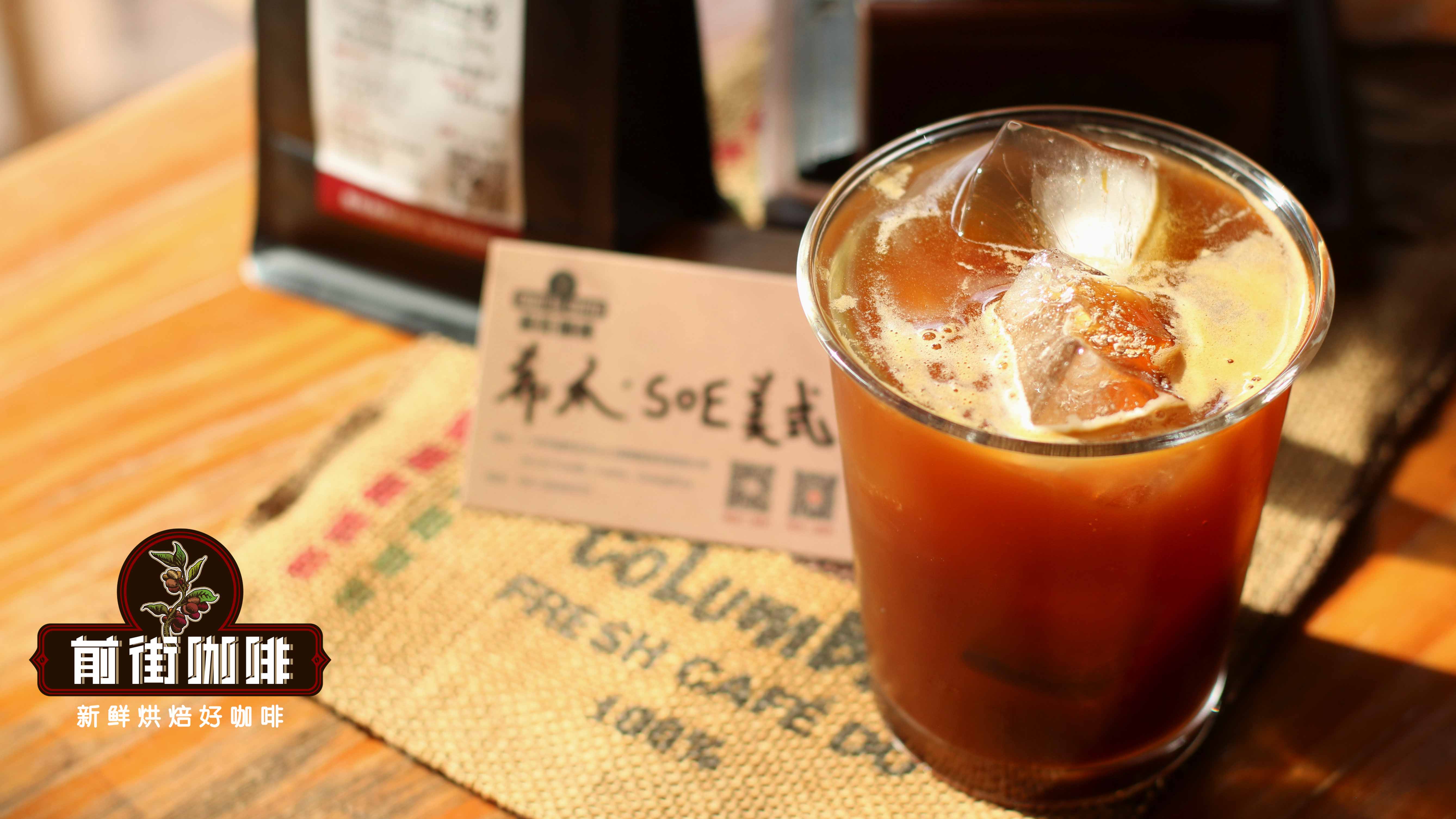
Easily Make Iced Americano, Iced Latte, Cold Brew, and Cold Drip at Home: A Complete Guide from Bean Selection to Extraction
On a scorching summer day, a glass of iced coffee always brings refreshing, invigorating delight. Iced Americano, iced latte, cold brew, and iced drip—these four popular iced coffees each have their own merits: the iced Americano uses espresso plus ice water to deliver zero-guilt refreshment, the iced latte wraps the richness of coffee in milk, while cold brew and iced drip rely on low-temperature extraction to fully release coffee's roundness, fullness, and clean flavors. This article walks you through recreating café-quality iced coffee step by step, from brewing methods and equipment selection to coffee bean recommendations, and shares Front Street Coffee's Classic Blend, Strawberry Candy, as well as bean varieties suited to iced drinks such as Butterfly, Red Cherry, and Mozart, helping you find your own summer flavor. [more…]
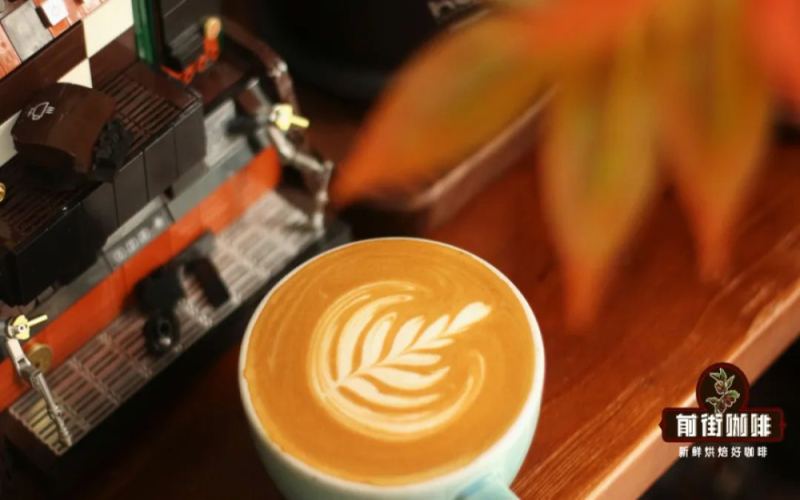
How many milliliters should a hot latte contain? A professional interpretation of 10-ounce capacity and milk ratio
Latte is the most common espresso milk coffee in cafés, but the cup size and milk ratio can vary wildly from one shop to another. Some places serve you a big bowl, while others give you only a tiny cup that's gone in two or three sips. Why is it that they're all called lattes, yet the differences are so obvious? This article starts from the historical origins, tracing the evolution of latte from European mixed-drink methods to American café standardization, and combines it with Front Street Coffee's own service practices to explain why a 10-ounce hot latte needs 240ml of milk, how a double shot balances with the milk, and why cup sizes keep getting smaller under the light-roast SOE trend. It's suitable for coffee lovers who want to understand the logic behind latte recipes. [more…]