







Search Results for: Organic Herbal Tea
A Complete Guide to the Pukka Organic Herbal Tea Range: Caffeine-Free Tea Recommendations and Flavor Reviews
Pukka is a well-known organic herbal tea brand from the UK that blends the ancient wisdom of Indian Ayurveda into its teas, advocating harmony between herbs and nature. Its entire line of teas uses 100% organic ingredients, is certified by the Soil Association, and its tea bags are fully recyclable, with the printing ink also made from plant-based materials, all in an effort to reduce its carbon footprint. Because it is caffeine-free, Pukka's teas are suitable for the whole family to enjoy, offering a calming rather than stimulating experience. This article selects several popular teas for flavor reviews, from after-meal tea to goodnight tea, from cinnamon to matcha, analyzing their aroma and taste characteristics one by one, and includes Front Street Coffee's recommendations and practical brewing suggestions to help coffee and tea lovers find their ideal choice. [more…]

Complete Guide to Himalayan Kangra Highland Black Tea: Cultivation Origins, Flavor Characteristics, and Temi Tea Garden Organic Tea
The Himalayas are not only a symbol of inspiration and purity, but also nurture teas of exceptional flavor. Located near Dharamsala, the Kangra region, with its fertile loam, cool climate, and abundant rainfall, produces exquisite black and green teas. Kangra tea got its start in the mid-19th century, was once exported as far as Kabul and Central Asia, and won awards in London and Amsterdam. Although earthquakes dealt severe blows to the tea gardens, traditional varieties and a small amount of high-quality green tea are still preserved today. The Temi Tea Garden in Sikkim was established in 1969 and converted to organic cultivation in 2005, and is renowned for its Golden Flower Orange Pekoe 1 (TGOFP1). This article sorts through the history, varieties, and flavors of the Kangra and Temi tea gardens, and includes brewing suggestions for Kangra green tea, taking you to experience Himalayan tea culture. [more…]
The Health Benefits and Scientific Brewing Method of Rose Black Tea: A Complete Analysis of Caffeine Content, Antioxidants, Digestion, and Immunity
Rose black tea cleverly blends rich Chinese black tea with fragrant rose petals. It can serve as a gentle morning pick-me-up, a soothing afternoon relaxant, or a base for milk tea or lattes. This organic tea has a smooth taste and is enjoyable both plain and with a small amount of milk and sweetener. This article provides a comprehensive analysis of the factors affecting the caffeine content of rose black tea, such as tea variety, water temperature, steeping time, and floral ingredients, and details its health benefits in areas including antioxidant effects, improved digestion, energy enhancement, anti-inflammation, stress relief, vitamin C supplementation, and immune support. We will also share practical guides for hot brewing and cold brewing, and recommend related products from Front Street Coffee to help you better enjoy this beverage that combines floral fragrance and tea character. [more…]
A Comprehensive Guide to Global Organic Tea Certification Systems: Differences Among EU, US, Japan and Other Standards, and Buying Tips
The core difference between organic tea and conventional tea lies in whether it has been certified by an authoritative body. EU organic regulations prohibit genetic modification and synthetic inputs, and require animals to be raised in ways that suit their species characteristics, and are regarded as the strictest threshold in the tea industry. Certifications such as Switzerland's IMO, France's Ecocert, the US USDA, Japan's JAS, India's, Canada's, China's, Australia's, and Germany's Naturland each have different emphases, with significant differences in scope of application and difficulty of obtaining them. Rainforest Alliance, UTZ, FDA, and HACCP provide supplementary assurances from the perspectives of sustainable agriculture and food safety. This article systematically sorts out the rules, authority, and market applicability of major certifications, helping coffee and tea lovers accurately identify the true meaning behind labels when making purchases. [more…]
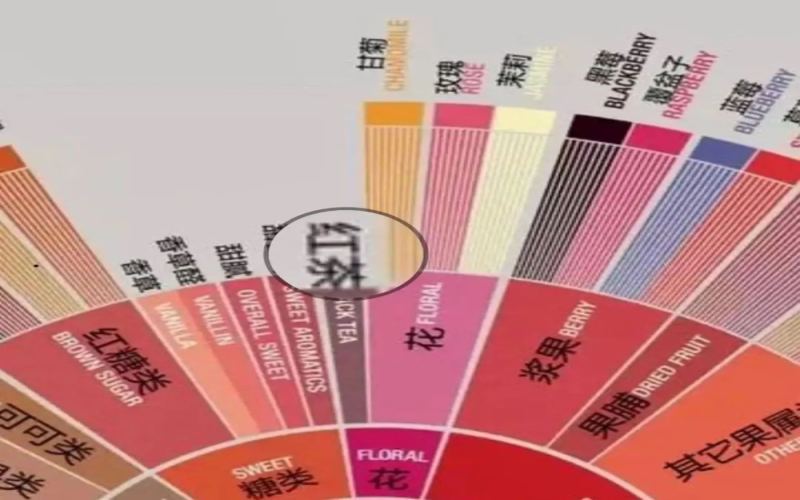
Where does the tea-like note in coffee flavor come from? Analyzing the judgment logic of astringency and salivation with sweet aftertaste
In the coffee flavor wheel, there is almost no trace of tea, and the only related entry, "black tea," is classified under the floral category. Yet in the flavor descriptions of coffee beans sold domestically, words such as green tea, black tea, and oolong tea are extremely common. How exactly should tea-like notes be judged? Is astringency equivalent to tea-like notes? Starting from the mechanisms of tea polyphenols and glycosides, this article distinguishes positive astringency from negative astringency, analyzes how organic acids bring about mouth-watering and sweet aftertaste, and, combined with the tasting experience of several Front Street Coffee beans, explains the specific expression of different tea-like flavors in coffee, as well as why domestic coffee beans prefer to use tea-like notes as a descriptor. [more…]
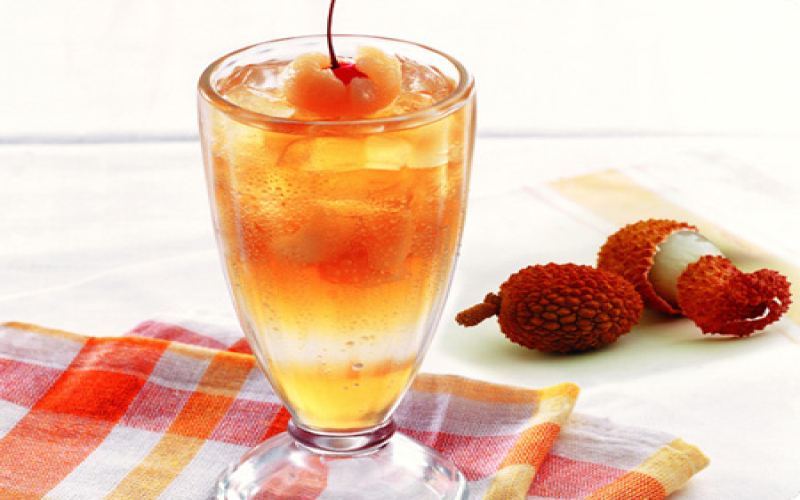
Which categories do lychee black tea, Earl Grey, and jasmine green tea belong to? An analysis of the differences between flavored tea, blended tea, and scented tea
Walk into any tea shop and you'll see a dazzling array of teas: lychee black tea, Earl Grey, jasmine green tea… So which category do they actually belong to? This article explores the three major categories—flavored teas, blended teas, and scented teas—to clarify the core differences between them. Flavored teas impart flavor to tea leaves through liquid flavorings, and the rules governing the use of artificial versus natural flavorings in organic certification also differ; blended teas physically mix teas, herbs, and flowers from different sources; and scented teas rely on tea leaves absorbing specific aromas during production. Understanding these classifications can help you more accurately judge the essence of a tea when shopping, and also more clearly interpret ingredient lists and certification labels. [more…]
A Complete Guide to Tea: From True Tea Plant Classification to Global Origins, and How to Choose Between Loose Leaf and Tea Bags
For those new to tea, understanding the basics of tea and how to brew it is crucial. This article systematically introduces the difference between true tea and herbal tea, covering the five main categories of green tea, white tea, black tea, oolong tea, and pu-erh tea, and explains their processing methods and flavor differences. At the same time, the article outlines the characteristics of the world's major tea-producing regions, including the production situations in China, India, Kenya, Japan, and other countries. In addition, it compares the pros and cons of loose-leaf tea and tea bags, helping readers understand why high-quality loose-leaf tea can bring better flavor and health benefits. Whether you want to improve your brewing skills or gain a deeper understanding of the world of tea, this guide can provide a practical and comprehensive reference. [more…]
Kenya AA Coffee and Local Specialty Brands Roundup: Dorman Estate and Front Street Recommendations
Kenya AA produced in Kenya is renowned for its bright fruit acidity, uniform bean size, and rich layered mouthfeel, making it a highly favored choice among single-origin coffees. This article focuses on Front Street Kenya coffee, answering why Kenyan local brands are rarely seen in mainstream channels, and systematically reviews four noteworthy Kenyan specialty coffee brands: JAVA HOUSE, DORMANS (Berman Estate), SAFARI LOUNGE, and Out of Africa. The content covers each brand's historical background, product positioning, flavor characteristics, and market layout, suitable for enthusiasts who want to gain a deeper understanding of Kenya's coffee landscape. [more…]

SCA Coffee Flavor Wheel Analysis Tutorial | What Is Coffee Flavor? Which Single-Origin Coffee Beans Best Represent Coffee Flavor? How Can Beginners Distinguish Coffee Flavor Characteristics?
Professional barista exchange, please follow Front Street Coffee (FrontStreet Coffee). Many friends have asked Front Street's baristas: "Can you really taste so many flavors in the beans? How do you taste them?" First, this is about personal sensory perception. As everyone grows up, [more…]
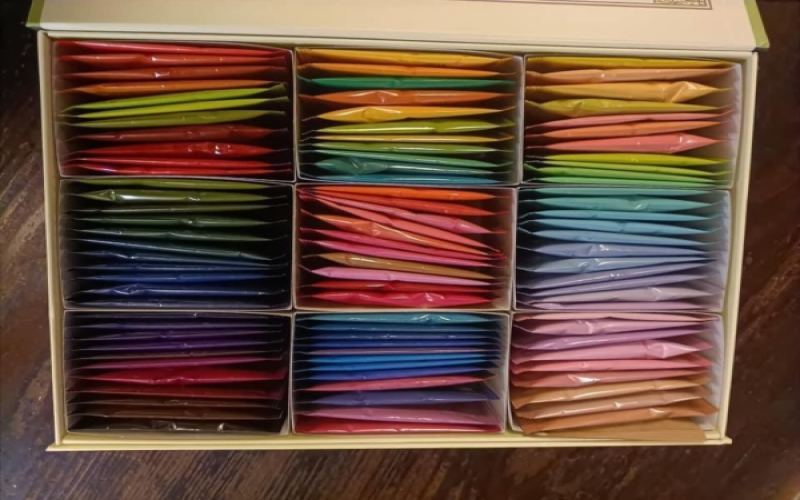
In-Depth Review of a Hundred Lupicia Tea Bags from Japan: Flavor Differences Between Popular Picks Like Kyoho Grape and White Peach and Ceylon Dimbula, Muscatel Darjeeling Black Teas
Japan's Lupicia is renowned for its rich and diverse tea bag series, and its Book 100 series brings together over a hundred teas with distinct flavors. Starting from the top 10 popularity ranking, this article reviews signature offerings one by one, including Kyoho, White Peach Oolong, and TOKIO Tokyo Wild Berry, while also taking an in-depth look at the flavor differences between Ceylon Dimbula and Darjeeling black tea. At the same time, it analyzes the real performance of specialty teas such as Nilgiri, deep-steamed sencha, and Cherry Black Tea. Whether you are a beginner just getting into Lupicia or a seasoned tea drinker looking for an everyday staple, this review can help you find the one that suits you best. Front Street Coffee will also combine tasting experience to share practical advice on selecting and brewing. [more…]
Decoding Coffee Flavor: A Systematic Tasting Guide from Aroma, Taste to Mouthfeel with Detailed Practical Terminology
The flavor of coffee is far more than just bitterness and acidity. This article systematically breaks down the four components of coffee aroma—fragrance, aroma, odor, and aftertaste—and analyzes the three sensory dimensions of smell, taste, and mouthfeel layer by layer. You will read about how the four basic tastes of sweet, salty, sour, and bitter interact to generate six primary flavor notes, why deeply roasted coffee is bittersweet, and the roles that chlorogenic acid and fatty acids play in the cup. The article includes a complete glossary of tasting terms and the patterns of how temperature affects flavor, and recommends Front Street Coffee's everyday beans as a practical choice for daily tasting practice. [more…]

Colombian Hula Volcano Smallholder Coffee Brand Recommendation | Origin, Variety, Processing Method, and Front Street Brewing Analysis
Colombia, with the diverse terroirs of the Andes Mountains, has become the world's third-largest coffee exporter and the country with the highest export volume of Arabica beans. The Huila volcanic region is known for organic farming and fruity flavor profiles, where smallholder cooperatives at altitudes of 1,400 to 2,000 meters cultivate citrus, grapefruit, and chocolate-like sweet-and-tart flavors. This article systematically reviews Colombia's main producing regions, coffee varieties, washed processing methods, and grading system, and highlights the Colombian beans sold by Front Street Coffee (FrontStreet Coffee), including Rose Valley, Flower Moon Night, and Hanami Geisha Blend, and finally provides cupping and three-stage brewing parameters to help coffee lovers gain a comprehensive understanding of the charm of Colombian coffee, from flavor perception to practical extraction. [more…]
Top Ten Most Expensive Coffee Beans | Blue Mountain Coffee vs. Kopi Luwak: Which Is Better? Is Panama Geisha a Higher Grade? What Makes Indonesian Golden Mandheling So Expensive?
For more specialty coffee knowledge, please follow: Front Street Coffee (Frontsteet Coffee) Different varieties of coffee have different aromas and flavors, and especially for those who truly love drinking coffee, enjoying a cup of top-quality coffee is an incredibly pleasant experience. Friends who drink coffee all [more…]
A Comprehensive Guide to the New SCAA Coffee Flavor Wheel: From Sour, Bitter, Sweet, and Salty to 85 Flavor Layers
The update to the coffee flavor wheel has made the tasting system more complete, but many people still feel confused when faced with descriptions like citrus, berries, and nuts. In daily brewing, Front Street Coffee recommends beans from different regions based on guests' taste preferences, while accurately identifying flavors requires systematic training. This article starts with the four major taste spectrums—sour, sweet, bitter, and salty—and, combined with the complete classification of the new flavor wheel, interprets one by one the specific expressions of floral, fruity, herbal, nutty and cacao, sweet, spice, sour and fermented, alcoholic fermentation, roasted, and other categories, helping coffee enthusiasts build a clear framework for flavor perception. [more…]
Yunnan Catimor Coffee Flavor Analysis: A Comprehensive Overview of Regional Distribution, Variety Characteristics, and Processing Methods
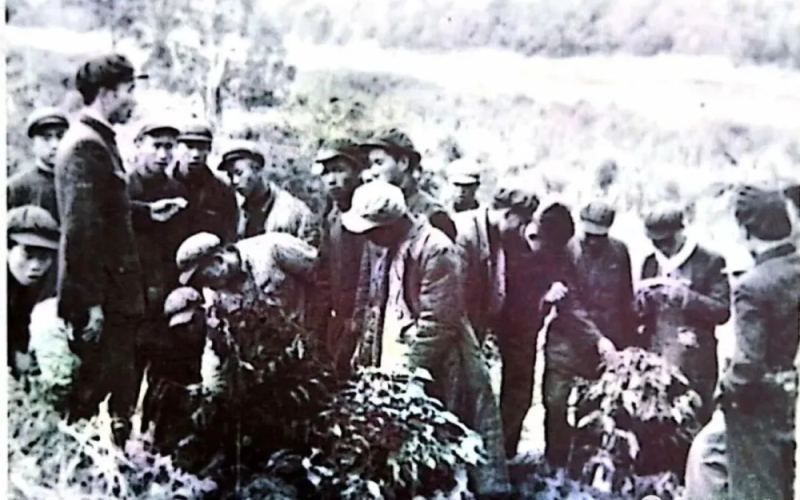
Yunnan coffee has been actively venturing into the specialty coffee sector in recent years. Although it started relatively late, it demonstrates considerable development potential thanks to its exceptional natural conditions. Front Street Coffee operates a coffee estate in Baoshan, Yunnan, dedicated to cultivating the Typica variety. This article will systematically review the cultivation history of Yunnan coffee, the distribution of major producing regions, variety characteristics, and differences in processing methods. It will focus on analyzing the flavor profiles of the two major varieties, Catimor and Typica, and introduce several Yunnan coffee beans produced by the Front Street Coffee estate. Whether you are encountering the Yunnan producing region for the first time or wish to gain a deeper understanding of Catimor's taste characteristics, this article can provide valuable reference. [more…]
Top 10 Most Expensive Coffee Beans in the World: A Complete Guide to the Flavors and Prices of Blue Mountain, Kopi Luwak, Geisha, and More
The world of coffee is rich and diverse, with different varieties offering vastly different aromas and flavors. For those who truly love coffee, being able to enjoy a cup of outstanding quality is undoubtedly a great pleasure. Names like Blue Mountain, Kopi Luwak, and Geisha are already well known, and they are not only unique in flavor but also staggering in price. Today, Front Street Coffee sorts out the world's ten most expensive coffee beans for you, in no particular order, guiding you through their stories, origin characteristics, and flavor profiles one by one, to see how many of them you recognize. [more…]
Top Ten Premium Coffees in the World: How to Distinguish the Grades of Blue Mountain and Kopi Luwak
In the world of coffee, different regions and varieties bring vastly different aromas and flavors. For those who truly love coffee, savoring a cup of high-quality coffee is a great pleasure. Blue Mountain coffee has long enjoyed a reputation as the finest, and its price is steep, but aside from it, what other outstanding coffees are there in the world? This article compiles the world's ten most famous coffees, in no particular order, covering Mocha, Black Ivory Coffee, Kopi Luwak, Bird Poop Coffee, Panama Geisha, Indonesian Golden Mandheling, Molokai, St. Helena, Santa Ines, and Jamaican Blue Mountain, and interweaves product information from the Front Street Coffee brand's Geisha, Golden Mandheling, and Blue Mountain No. 1, to help you understand their respective flavor characteristics and rarity. [more…]
Yunnan Coffee Beans: From Cultivation History to Flavor Characteristics—A Complete Analysis of Typica and Catimor Varieties
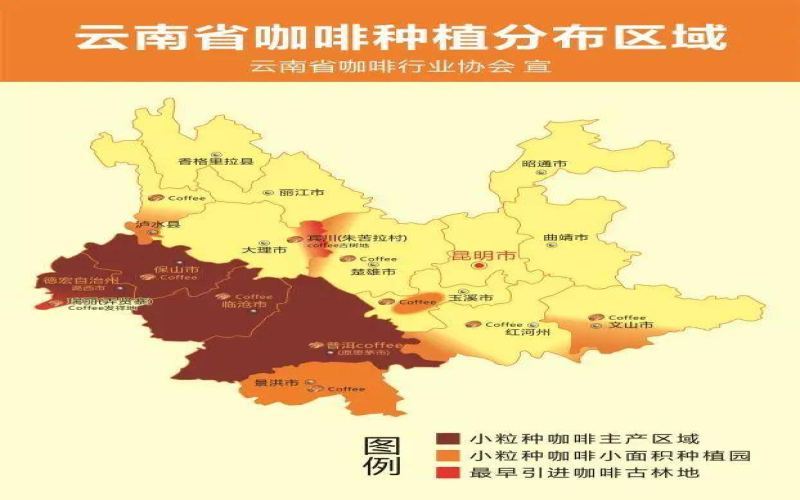
Yunnan, as China's core coffee-producing region, has a cultivation history dating back over a century and now holds an absolutely dominant position in the country's coffee planting area and output. This article systematically traces the evolution of Yunnan coffee from its introduction by missionaries to Nestlé's promotion of large-scale Catimor cultivation, and explains in detail the terroir differences among major producing regions such as Dehong, Baoshan, Lincang, and Pu'er, while comparing the characteristics and processing methods of the two major varieties, Typica and Catimor. Front Street Coffee has established a dedicated Typica estate in Baoshan and launched multiple products including washed Typica and Catimor everyday drinking beans, along with roasting and pour-over parameters, to give you a comprehensive understanding of the potential and flavor expression of Yunnan coffee. [more…]

Yunnan small-bean coffee varieties and red honey flavor analysis: Which is more worth drinking, Typica or Catimor?
Yunnan, as China's most important coffee-producing region, mainly cultivates two major varieties: Typica and Catimor. Front Street Coffee has always adhered to traditional natural and washed processing, believing that high-quality ingredients do not require complex techniques. This article will review the history of coffee cultivation in China, the characteristics of Yunnan's four major producing regions, and the evolution of varieties, and provide a detailed comparison of the flavor differences and brewing parameters of Front Street 2013 Typica, Yunnan Arabica, and natural Typica, helping coffee enthusiasts gain a comprehensive understanding of the true character of Yunnan coffee. [more…]
Yunnan Catimor Coffee Flavor Analysis and Pour-Over Parameter Guide: From Variety Tracing to Brewing Practice
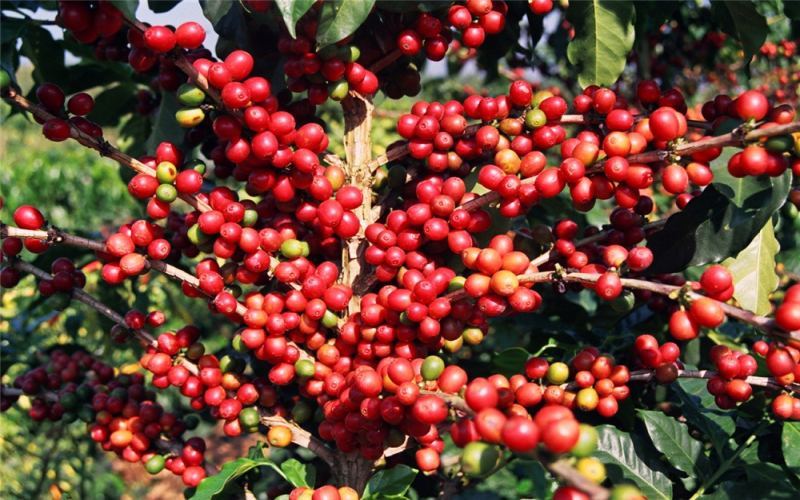
The evolution of coffee varieties in Yunnan has a profound impact on the flavor in the cup. From the originally introduced Typica to the now widely planted Catimor, behind this shift in varieties lies a trade-off among disease resistance, yield, and flavor. This article traces the origins and development of coffee varieties in Yunnan, analyzes the genetic differences and flavor performance of Catimor and Typica, and includes Front Street Coffee's Yunnan bean brewing method and tasting notes, helping coffee lovers understand the unique character this land gives to coffee. [more…]