







What makes Kangra and Temi tea distinctive in India?
The Kangra valley near Dharamsala grows black and green tea on fertile loam in a cool, rainy climate, a trade that began in the mid-19th century and once shipped leaf to Kabul and Central Asia while winning awards in London and Amsterdam. Earthquakes destroyed factories and closed many gardens, yet traditional-variety bushes and a small amount of quality green tea survive.
The Temi Tea Garden in South Sikkim, owned by the state government, was founded in 1969 and switched to organic cultivation in 2005; it is known for TGOFP1, Golden Flower Orange Pekoe 1. Harvests draw on Chinese tea trees and hybrids with clonal trees, and roughly ninety percent of Kangra output remains traditional-variety black tea.
The Himalayas are not only a symbol of inspiration and purity, but also nurture teas of outstanding flavor. The Kangra region near Dharamsala, with its fertile loam, cool climate, and ample rainfall, produces exquisite black and green teas. Kangra tea got its start in the mid-19th century, was once exported as far as Kabul and Central Asia, and won awards in London and Amsterdam. Despite earthquakes that devastated the tea gardens, traditional varieties and a small amount of high-quality green tea are still preserved today. The Temi Tea Garden in Sikkim was established in 1969 and converted to organic cultivation in 2005, and is famous for TGOFP1 (Golden Flower Orange Pekoe 1). This article reviews the history, varieties, and flavors of Kangra and the Temi Tea Garden, and includes brewing suggestions for Kangra green tea, taking you through Himalayan tea culture.
For a long time, the Himalayas have been regarded as a source of inspiration, purity, and renewal. These towering mountains have indeed transformed countless visitors. Dharamsala is both a settlement for Indians seeking inner peace and a place famous for being the residence of the Dalai Lama. Little known is the fact that the Himalayas are also home to one of the world's most delicious tea-producing regions.
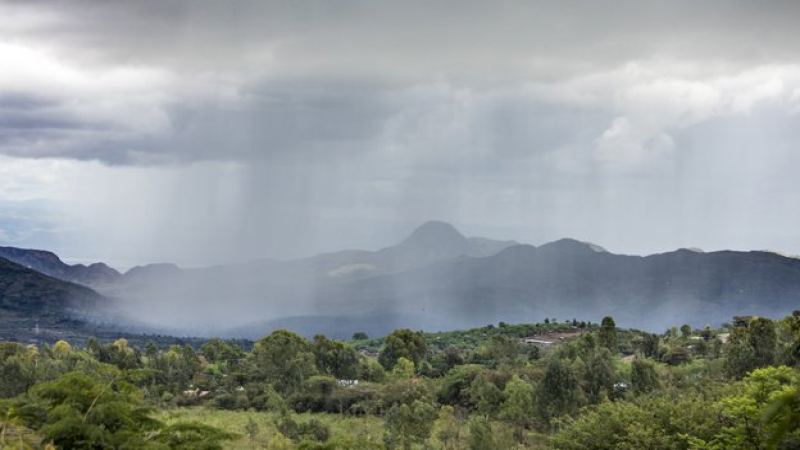
Kangra, located in Dharamsala, is low-key and little known, yet the tea it produces is excellent in flavor. The local estates are picturesque, with fertile loam, a cool climate, and abundant rainfall. Kangra produces some extremely refined black and green teas.
Tea production in Kangra began in the mid-19th century and gradually achieved success. Kangra tea came to be regarded as superior to teas from other origins and was mainly sold to Kabul and Central Asia. At international expositions held in London and Amsterdam, this tea also won gold and silver awards.
However, an earthquake led to the destruction of factories and the closure of tea gardens. Kangra has several special plantations in India, harvesting both Chinese tea trees and hybrids of Chinese tea trees and clonal tea trees. About ninety percent of the region is dominated by traditional-variety black tea, but a small number of tea gardens also produce high-quality green tea.
The Temi Tea Garden is owned by the Sikkim government. It was founded in 1969 and is located in South Sikkim district in the northeastern Indian state of Sikkim. It is the only tea garden in Sikkim still in operation. The tea produced here is known for its rich aroma and delicate taste.
Since 2005, tea production at the Temi estate has shifted to organic methods in accordance with the guidelines issued by the Swiss market institute IMO. The garden is known for producing TGOFP1 (Golden Flower Orange Pekoe 1) grade tea, and it also produces "Orthodox Dust."
Around Dharamsala and Palampur, there are well-known green teas and famous fine teas, as well as many aromatic types such as black tea, oolong tea, herbal tea, and jasmine tea. With the careful attention of local experts, the tea industry is flourishing. With the Dalai Lama's arrival in Dharamsala in 1960, the delicate aromas of Himalayan tea blended with Tibetan tea culture. Why not enjoy the essence of an evening tea party with Himalayan flavors from India?
The tea legend of the Kangra Valley in the Himalayas, with its green leaves and fine tea flavor, developed within the ancient tradition of hand-picking Indian herbal teas, requiring great focus and care. From tea bags to teapots, add an outstanding piece to your tea table!
How do you make a perfect cup of Kangra green tea?
Add one teaspoon of Kangra green tea per cup and place it in a teapot. Bring fresh water to a boil and let it cool for one minute. Kangra green tea is best brewed with water at about 80 degrees Celsius. Pour the water into the teapot and steep for 2 minutes. Strain and pour into a cup.
To satisfy your taste buds, add a little honey or sugar according to personal preference, or add lemon for a richer pleasure. Don't forget to check out our latest tea collection. If you want to try an everyday tea, you can also refer to Front Street Coffee's approach to selecting teas from the Himalayan region.
The above content is compiled by CoffeeHunters, a coffee news website.


