








Ethiopia's Place in the Global Coffee Landscape
Front Street's Ethiopia Yirgacheffe Idido red honey processed G1 coffee comes from the Idido Cooperative, founded in the late 1970s and part of the Yirgacheffe Farmers Cooperative since 2002. Grown at 2,000 to 2,200 meters, the cup weaves jasmine, citrus, honey, and berries, backed by Operation Red Cherry picking standards.
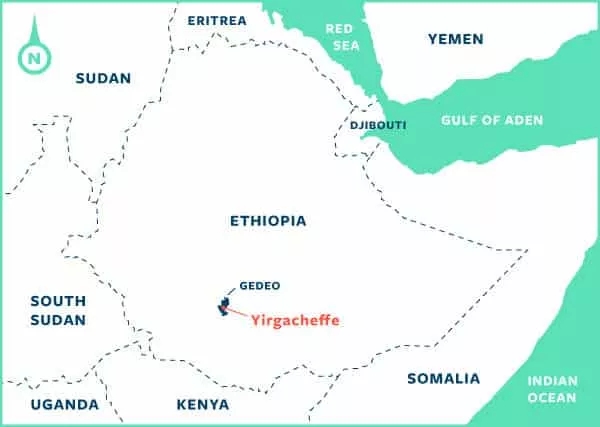
Ethiopia sits in eastern Africa, and the Gedeo Zone where Yirgacheffe lies falls within the Southern Nations, Nationalities, and Peoples' Region. The town of Yirgacheffe spans 1,700 to 2,100 meters, among the highest coffee areas anywhere. Among coffee growing nations, Ethiopia is a representative symbol of specialty coffee, with over 1,000 cooperative members across eight villages.
Front Street Coffee's Ethiopia Yirgacheffe Idido Cooperative red honey processed G1 coffee, backed by the strict picking standards of Operation Red Cherry, presents a cupping profile interweaving jasmine, citrus, honey, and berries. This article will provide a complete analysis of the flavor sources of this bean and recommended pour-over parameters—from origin background, Operation Red Cherry, the principles of honey processing, green bean characteristics, and roast curve to brewing methods—helping coffee enthusiasts understand its unique performance more systematically.
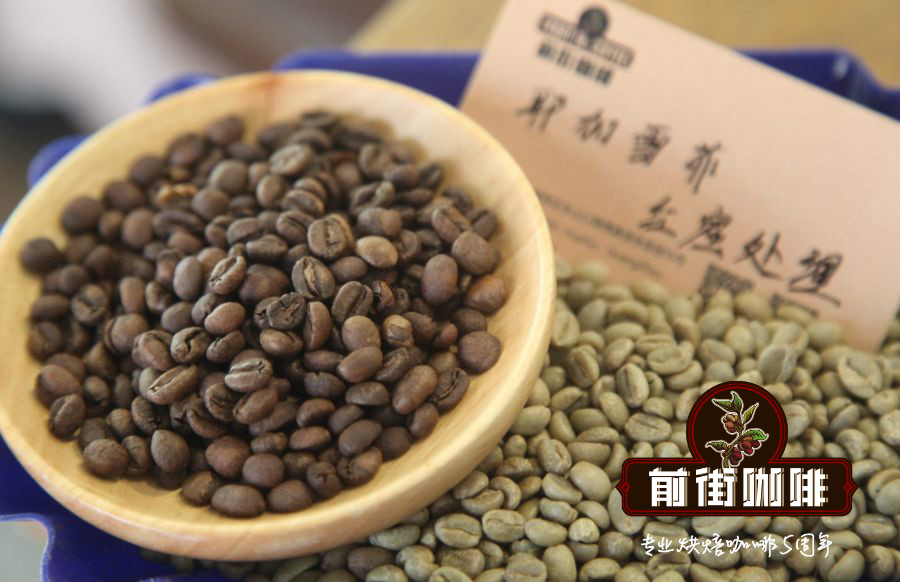
Front Street Coffee Ethiopia Yirgacheffe Red Honey Process
Region: Yirgacheffe Idido
Growing altitude: 2000-2200m
Processing method: Red honey process
Variety: Local heirloom varieties
Grade: G1
| Origin Introduction
Ethiopia is located in the eastern part of the African continent. The Gedeo Zone, to which Yirgacheffe belongs, lies within the Southern Nations, Nationalities, and Peoples' Region in the southwestern part of the country.
Yirgacheffe is a small town in Ethiopia, with an altitude range between 1,700 and 2,100 meters. It is one of the highest coffee-producing regions in the world and a representative symbol of Ethiopian specialty coffee. Lake Turkana, Lake Abaya, and Lake Chamo bring abundant moisture to this area.
IDIDO Cooperative
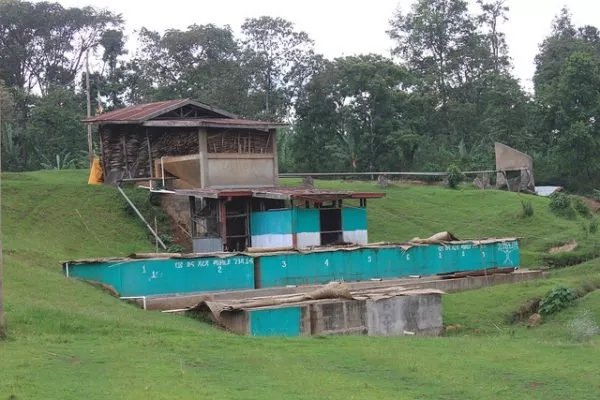
The IDIDO Cooperative was founded in the late 1970s and is located on the eastern side of the small town of Yirgacheffe in Ethiopia. In 2002, the cooperative joined the Yirgacheffe Farmers Cooperative. IDIDO is also the name of the village where the cooperative's centralized processing plant is located, and it maintains partnerships with growers from eight surrounding kabeles (villages).
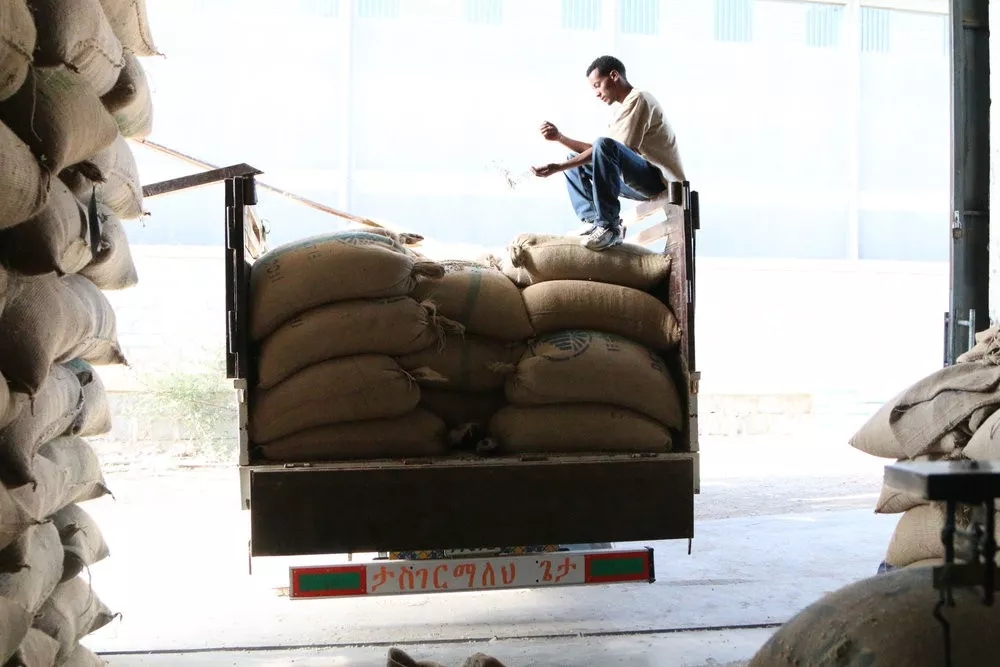
The cooperative has more than 1,000 members distributed across communities such as Wegida, Aricha, Direto, Ela Tenecha, Bowicha, Haro Badami, and Gerse, collaborating with growers from nearby communities to prepare individual community plots and special processing. Coffee is hand-selected by farmers and their families before being sent to the factory for post-processing.
What Is the "Operation Red Cherry"?
The "Operation Red Cherry" (ORC) is a project aimed at improving the quality of small-scale farms. In 2007, Trabocca, the largest green bean trader in the Netherlands, proposed this plan in pursuit of high-quality Ethiopian beans.
The plan requires that when picking coffee cherries, not only must fully red cherries be harvested, but the entire process must also be done by hand. However, this is only the most basic requirement—the plan itself goes far beyond that. Its main purpose is to encourage coffee farmers and bring surprises to roasters. Before the harvest season, Trabocca, the largest coffee bean trader in the Netherlands, invites all Ethiopian farms to produce small batches of about 1,500-3,000 kilograms (25-50 bags) of beans, with women selecting fully 100% ripe red cherries. This has a great impact on the flavor of the brewed coffee, so careful, sharp-eyed, and diligent Ethiopian women have become important drivers of Operation Red Cherry.
Operation Red Cherry is also a reinforcing practice that pushes farms to invest more effort in the sorting and selection stage, and these coffees are priced relatively higher. Operation Red Cherry covers washed, natural, semi-washed, semi-natural, and experimental coffees, with main producing regions including Yirgacheffe, Sidamo, Bonga Forest, Limu, Kembata, Illubabor, Harrar, and Limu. In 2011, the Golocha producing area (near Harar) was also added. These regions have unique flavors that can fully demonstrate the charm of Ethiopian coffee. After receiving the coffee, Trabocca further selects it. Farms that meet the standard through cupping quality tests conducted by offices in both Ethiopia and the Netherlands receive substantial bonuses. Trabocca, the promoter of Operation Red Cherry, has invested all the profits earned in recent years into partner farms.
| Processing Method
This Front Street Yirgacheffe G1 coffee bean is processed using the red honey method.
Honey processing refers to the process of making green beans by drying them with mucilage still attached. After the outer pulp of the coffee cherry is removed, a sticky gelatinous layer remains. Traditional washed processing uses clean water to wash it off, but because some high-altitude producing regions have limited water resources, this direct drying method was developed.
The pectin mucilage layer is the part of the coffee cherry with the highest sugar content and is also an important component of coffee processing fermentation. It can be said that this part determines 80% of the nutrient supply during processing. Yellow honey retains 60% of the pectin, red honey retains 75% of the pectin, and black honey removes almost no pectin.
| Green Bean Analysis
The variety of this Front Street Yirgacheffe red honey processed coffee is local heirloom varieties.
Close observation of the green beans reveals that, due to the variety, the beans vary in size—some are slender and elongated, while others are round and plump. It should be noted that nearly 2,000 coffee varieties have been recorded in Ethiopia, including 1,927 native varieties and 128 introduced foreign varieties. So judging by appearance alone, Ethiopian coffee varieties are like a "Grand View Garden"—there is everything inside: long, short, thin, plump...
| Roast Analysis
Roaster: Yangjia 800N (batch size 550g)
Charge at a drum temperature of 180°C, heat power 130, airflow opening 3; turning point at 1'32", when the drum temperature reaches 146°C, open the airflow to 4 while keeping the heat power unchanged; when the drum temperature reaches 149°C, the bean surface turns yellow, the grassy smell completely disappears, and the dehydration stage begins. When the drum temperature reaches 166°C, adjust the heat power to 110 and keep the airflow unchanged;
At 7'43", ugly wrinkles and dark patches appear on the bean surface, and the toast-like smell clearly turns into coffee aroma, which can be defined as the prelude to first crack. At this time, listen carefully for the sound of the first crack. At 8'29", first crack begins, open the airflow to 5, develop for 1'28" after first crack, and drop at 190°C.
Agtron bean color value is 64.8 (left image), Agtron pink value is 81.5 (right image), and Roast Delta value is 16.7.
Cupping flavor: Jasmine, citrus, honey, berries, almond
| Brewing Analysis
Recommended brewing method: Pour-over
Dripper: V60
Water temperature: 90°C
Coffee-to-water ratio: 1:15
Grind size: Medium-fine grind, that is, fine granulated sugar coarseness (BG 5R: 58% passing rate on China standard No. 20 sieve)
Brewing technique: staged extraction. Bloom with 28 grams of water for 30 seconds, pour in a circular motion until 120 grams, then pause. When the water level drops and is about to expose the coffee bed, continue pouring until 230 grams and stop. When the water level drops and is about to expose the coffee bed, remove the dripper. (Timing starts at the beginning of blooming.) Extraction time is 2'11".
[Front Street Coffee Ethiopia Yirgacheffe Red Honey Process G1 Coffee]
Brewed flavor: It smells of ginger flower, with citrus, lemon, and fruit candy notes on the palate, a cedar aroma and honey sweetness in the middle, an oolong tea note in the finish, and a long-lasting creamy aftertaste.
The above content is compiled by CoffeeHunters, a coffee news website.


