







Search Results for: Natural vs. Washed Comparison

Blue Mountain Coffee Pour-Over Parameters vs. French Press Method Comparison, Washed vs. Natural Flavor Differences, and Authenticity Identification Guide
Jamaican Blue Mountain coffee is world-famous for its mellow, smooth, low-acid, and well-balanced character, making it a favorite among many coffee lovers. Front Street Coffee has long sourced Blue Mountain coffee beans and accumulated rich experience in pour-over and French press brewing. This article shares in detail the complete parameters and steps for brewing Blue Mountain No. 1 at Front Street's shop, including the reasons for choosing the KONO dripper, key details such as water temperature and grind size control, and also compares the different taste experiences brought by French press extraction. In addition, the article explores in depth the flavor differences of Blue Mountain coffee under washed and natural processing methods, analyzes the origin factors behind Blue Mountain's superior flavor, and provides practical methods for identifying authentic Blue Mountain coffee beans, helping you avoid counterfeit products when purchasing. [more…]
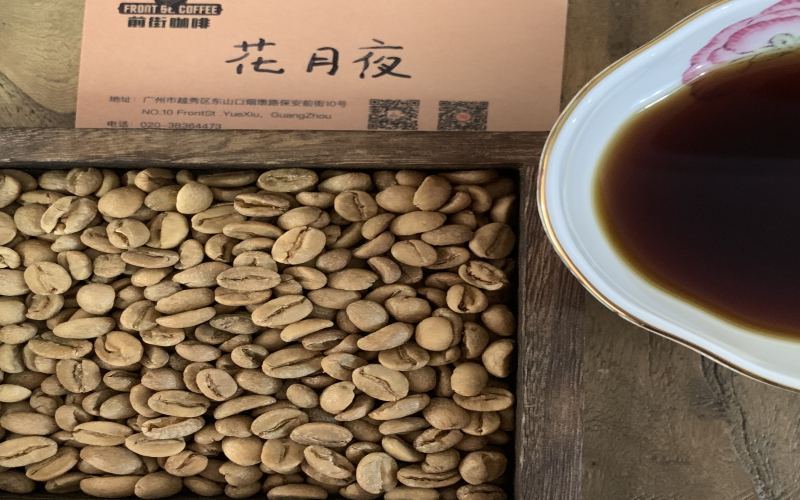
Colombia Flower Moon Night vs. Yirgacheffe Pour-Over Comparison: Flavor Differences Between Anaerobic Natural and Washed Processing
On Front Street Coffee's bean list, Colombia coffee and Yirgacheffe have always enjoyed great popularity, especially among enthusiasts who prefer sweet, fruity, and floral notes, who often find themselves torn between these two. This article uses Front Street Colombia Flower Moon Night and Front Street washed Yirgacheffe as examples to make a comparative analysis, from origin background and processing methods to actual brewing performance. Flower Moon Night uses anaerobic natural processing, bringing strawberry, jam, and a cocoa finish; Yirgacheffe, on the other hand, is a classic washed style, presenting citrus-lemon acidity, jasmine floral notes, and a tea-like body. Through this comparison, it helps you more clearly understand the flavor directions and selection choices of the two when brewing pour-over. [more…]
Natural vs. Washed Processing Comparison: Yirgacheffe Flavor Differences, Brewing Parameters, and a Full Breakdown of the Washed Process
The flavor profile of coffee is often foreshadowed during the green bean processing stage. As the two most classic processing methods, natural and washed give coffee beans from the same region entirely different personalities. This article takes Front Street Yirgacheffe as an example to break down in detail the specific differences between natural and washed in brewing parameters, flavor performance, and dry aroma characteristics, and provides a complete introduction to the washed method's process flow and drying requirements. Whether you are a beginner just getting into pour-over or an enthusiast looking to refine your brewing technique, you will find practical reference information here. [more…]
Yirgacheffe Washed vs. Natural Processing Methods: Flavor Characteristics and Grade Classification Comparison
Yirgacheffe, as one of the most representative coffee regions in Ethiopia, offers coffee beans with strikingly different flavor profiles depending on whether they are washed or natural processed. The washed method removes pectin through fermentation and rinsing, resulting in clean, bright acidity and soaring aromatics; the natural method keeps the whole fruit for a long, slow drying period, delivering intense fruity notes and a rich, syrupy body. This article systematically breaks down the core differences between these two processing methods from multiple angles—processing flow, flavor characteristics, and grading—and introduces the unique charm of Front Street G1 Yirgacheffe, helping coffee lovers gain a deeper understanding of Yirgacheffe's flavor code. [more…]
Yirgacheffe Natural vs. Washed Flavor Differences Explained: A Comprehensive Comparison of Three Coffee Processing Methods
Yirgacheffe, as a star-producing region in specialty coffee, has long been a hot topic among coffee lovers: the flavor differences brought about by its two processing methods, natural (dry) and washed. Starting from Front Street Yirgacheffe, this article breaks down in detail the processes and flavor characteristics of the three major coffee processing methods—washed, natural (dry), and honey—and compares their respective grading systems and cup profiles, helping readers gain a deeper understanding of how different processing methods shape coffee's aroma, acidity, and body. Whether you are a beginner just starting out or a seasoned enthusiast, you can gain a clear cognitive framework from it. [more…]
Yirgacheffe Washed vs. Natural Processing Methods: Flavor Profiles, Green Bean Grades, and Taste Comparison
Ethiopia's Yirgacheffe is rightly regarded as a brilliant gem of the specialty coffee world, its delicate floral aromatics and citrus notes captivating countless coffee lovers. Yet coffee beans from the same Yirgacheffe region, when processed by two different methods—washed and natural—reveal entirely distinct flavor profiles. The washed method endows the coffee with bright, lively acidity and a clean mouthfeel, while the natural method brings rich, full-bodied fruit aromas and fermented wine-like notes. This article will dissect the core differences between Front Street Coffee's washed and natural Yirgacheffe products from three dimensions: green bean processing techniques, grading standards, and final cupping flavors, helping readers make more precise judgments when purchasing and tasting. [more…]
Yirgacheffe Natural vs. Washed Processing Differences: A Guide to Pour-Over Parameters and Flavor Comparison
Yirgacheffe, as a star-producing region in Ethiopia, presents completely different flavor characteristics between its washed and natural processing methods. Washed Yirgacheffe is known for its bright acidity, citrus and floral notes, and full body, while the natural method brings intense fruity aromas and a rich, syrupy texture. This article will systematically compare the core differences between the two processing methods, from processing techniques, green bean appearance, and grade classification to actual brewing parameters, and provide the pour-over recipe recommended by Front Street Coffee. Whether you are a beginner just getting into specialty coffee or an enthusiast looking to refine your brewing skills, you will find practical reference information here. [more…]
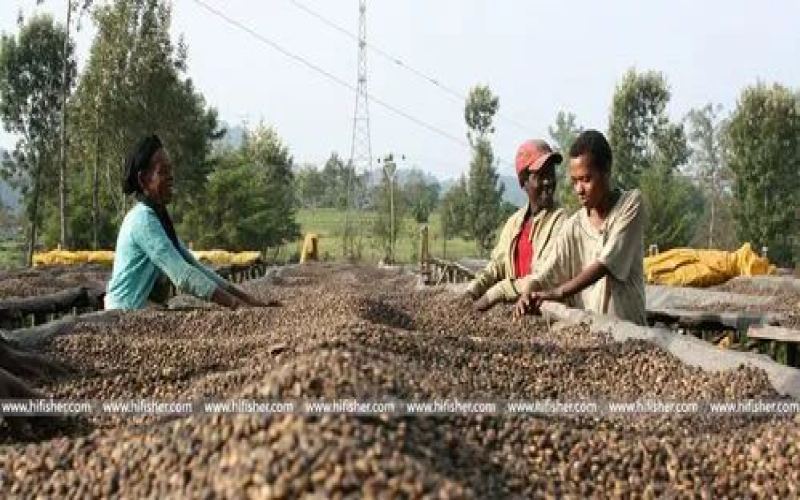
Yirgacheffe Washed vs. Natural Processing: Flavor Comparison and Analysis of Kochere and Red Cherry Coffee Beans
Ethiopia, as the birthplace of Arabica coffee, has the Yirgacheffe region, which is beloved by coffee enthusiasts for its elegant floral aroma and bright fruity acidity. Coffee beans from the same region can present completely different flavor profiles when processed using the washed or natural method. This article will use the Kochere washed beans from Yirgacheffe and Front Street Coffee's Red Cherry natural beans as examples to analyze the taste differences brought by the two processing methods, while also introducing the background of the Yirgacheffe region, its administrative divisions, and growing conditions, helping readers gain a more comprehensive understanding of the charm of this legendary region. [more…]
Front Street Yirgacheffe Natural vs. Washed Flavor Comparison: A Detailed Guide to Aricha G1 and Blue Nile G1 Cup Profiles, Varieties, and Processing Methods
Yirgacheffe is one of Ethiopia's most representative specialty coffee regions, and the two processing methods—natural and washed—give the coffee beans entirely different flavor profiles. Front Street Natural Yirgacheffe Aricha G1 is known for its lively citrus-lemon acidity, apricot blossom and nut aromas, and honey-brown sugar sweetness, with a sweet-and-tart fruity tea finish; while Front Street Blue Nile G1 is washed, presenting a clean, lifted jasmine aroma and citrus acidity. This article will compare these two Yirgacheffes in detail from the perspectives of variety, processing method, and taste characteristics, and share the story behind the high Coffee Review cupping score, helping coffee lovers gain a deeper understanding of the stylistic differences between natural and washed coffees. [more…]
Ethiopian Yirgacheffe Coffee Beans: G1 vs G2 Grade Differences and Flavor Comparison Analysis
Yirgacheffe is a highly representative coffee-producing region in Ethiopia, and its G1 and G2 grades often confuse enthusiasts. Starting with Ethiopia's coffee grading system, this article sorts out the rating evolution of CLU and ECX, explains in detail the scoring standards of washed and natural processing in terms of physical characteristics and cupping quality, and compares the actual differences between Front Street Coffee Yirgacheffe G1 and G2 in green bean appearance, roasted bean appearance, and flavor. Through cupping, it was found that although the two share citrus, fruit tea, honey, and berry tones, G1 is superior in cleanliness and aroma refinement, while G2 is slightly thinner. It is suitable for coffee enthusiasts who want to gain an in-depth understanding of Yirgacheffe grades and purchasing. [more…]

Yirgacheffe vs. Huakui 8.0 Flavor Differences Explained: Washed vs. Natural Processing Comparison and Pour-Over Parameter Adjustment Guide
Both originating from Ethiopia, Yirgacheffe and Huakui 8.0 present strikingly different flavor profiles—one famed for its bright, lemon-like acidity, the other for its full, juicy sweetness. Where exactly does this difference come from? The answer lies in the core logic of the two processing methods, washed and natural, as well as in the terroir conditions of the two producing regions, Yirgacheffe and Sidamo. This article will take you into these two famous regions, break down the mechanisms by which processing methods influence coffee flavor, and, based on the characteristics of these two beans, offer Front Street Coffee's recommendations on water temperature, pouring technique, and parameter adjustments for actual brewing, helping you find the brewing solution best suited to your own taste. [more…]

Yirgacheffe Washed vs. Natural Processing: Flavor Comparison, Pour-Over Parameters, and Coffee Bean Buying Guide
The Yirgacheffe region of Ethiopia is famous for its distinctive fruity and floral acidity, while the washed and natural processing methods give the coffee beans two completely different flavor directions. Washed Yirgacheffe has a clean, bright cup with lemon-citrus and jasmine notes; natural Yirgacheffe presents the fermented sweetness of ripe fruit and a fuller, juicier body. This article will start with the processing techniques, regional characteristics, and methods for identifying green and roasted beans, provide a detailed analysis of the flavor differences between the two processing methods, and include Front Street Coffee's three-stage pour-over parameters and a brewing comparison to help coffee lovers make a choice based on their personal preferences. [more…]

Yirgacheffe Natural vs. Washed Processing Comparison: Flavor Differences, Origin Background, and Front Street Coffee's Top Picks
Yirgacheffe, as one of Ethiopia's most representative specialty coffee regions, produces two distinct flavor profiles through its natural (dry) and washed green bean processing methods. This article systematically examines the substantive differences between the two processing methods, from the region's geography and processing techniques to cupping notes, helping coffee enthusiasts more clearly understand the specific differences between natural Yirgacheffe and washed Yirgacheffe in terms of aroma, acidity, body, and aftertaste. It also introduces Front Street Coffee's two products—Natural Red Cherry and Washed Gudingding—providing a reference for everyday purchasing and brewing. [more…]
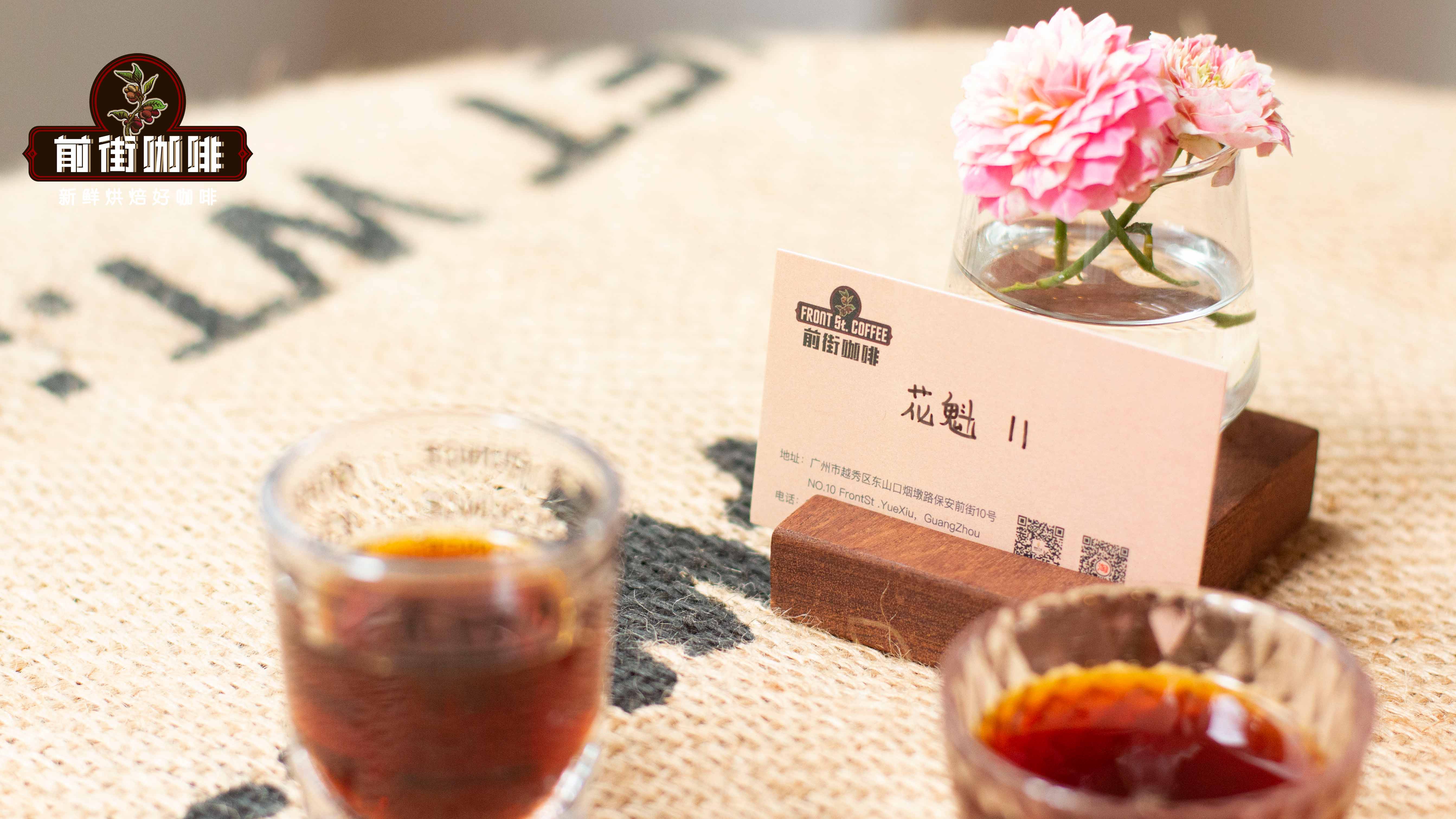
Washed vs Natural Hual魁 Cupping Comparison: Full Analysis of Flavor Differences, Processing Methods, and Pour-Over Parameters
Also from the Hambela area of the Guji region in Ethiopia, how do the two processing methods—natural and washed—bring about completely different flavor expressions in Huakui? This article systematically compares Front Street Natural Huakui and Front Street Washed Huakui, from origin background, green bean appearance, cupping data, to pour-over recommendations. The natural version wins with its explosive aromas of passion fruit, strawberry, and jackfruit, while the washed version stands out for its clean mouthfeel with green tea, green mandarin, and a black tea finish. Although the cupping scores differ, each style has its own followers and suits coffee lovers with different preferences. [more…]
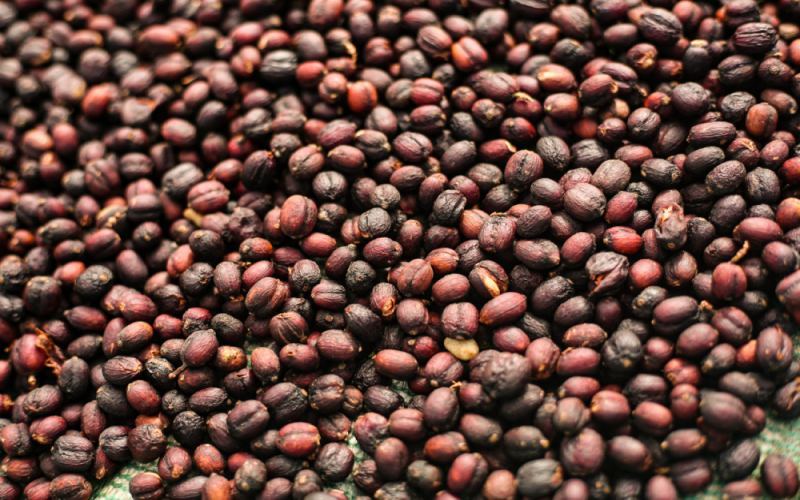
Yirgacheffe Coffee Region Terroir Analysis and Pour-Over Washed vs. Natural Flavor Comparison Guide
Yirgacheffe is Ethiopia's most iconic specialty coffee region, renowned worldwide for its floral and citrus-lemon notes. This article begins with the region's geography, grading system, and the processes of washed and natural processing, systematically analyzing the origins of Yirgacheffe's flavors. Through a brewing comparison of Front Street Coffee's Kochere washed beans and Red Cherry natural beans, it presents the specific differences between the two processing methods in the cup. It also includes Front Street's brewing recommendations and a Yirgacheffe cold brew recipe, helping coffee enthusiasts gain a more comprehensive understanding of what makes this region so captivating. [more…]
Yunnan small-bean Catimor coffee: variety origins, disease-resistance advantages, and a comparison of washed vs. natural flavors
Catimor is one of the most controversial yet most widespread coffee varieties in the world. Thanks to its Robusta lineage, it has gained exceptionally strong disease resistance, but for the same reason it carries the stereotype of having a rough flavor profile. From the perspective of Front Street, this article traces Catimor's breeding history and its journey of introduction into Yunnan, explaining why it has become the dominant variety in Yunnan coffee. At the same time, through a V60 brewing comparison of two Baoshan Catimor beans from Front Street—a washed one and a red cherry natural one—it concretely presents the flavor profiles Catimor can display under different processing methods, helping enthusiasts rediscover this everyday yet unusual coffee. [more…]
Ethiopian Yirgacheffe G1 vs G2 Grading Differences: A Full Analysis of Washed and Natural Processing, Regions, and Estates
Yirgacheffe, as Ethiopia's most representative coffee region, has long been favored by coffee enthusiasts for the floral and fruity flavors produced by its washed and natural processing methods. But do you know how the G1 and G2 grades are actually divided? And what substantial differences exist between them? This article will systematically sort out Ethiopia's coffee bean grading system, tracing the evolution from CLU to ECX, explaining in detail the scoring standards for washed and natural processing methods in terms of physical characteristics and cup quality, and through an actual cupping comparison of Front Street Coffee's Yirgacheffe G1 and G2, reveal the specific differences between the two in terms of cleanliness, aroma complexity, and defect rate, helping you make a clearer judgment when purchasing. [more…]
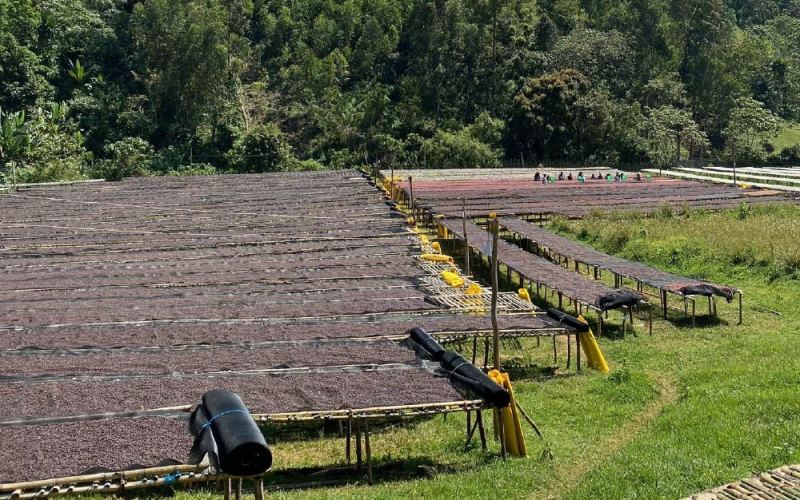
Washed vs. Natural Coffee Beans Flavor Comparison | Which Coffee Origins Use the Washed Processing Method? Washed Coffee Bean Processing Steps, Flow, and Flavor Characteristics
The washed method is currently the most widely used green bean processing method and one of the most traditional coffee processing methods. Typically, washed coffee has higher cleanliness than natural coffee, with brighter and more elevated acidity, and a more intense acidity as well. Popular options on the Front Street Coffee menu, such as the Ethiopian Gotiti Cooperative coffee beans, Kenyan [more…]
Yirgacheffe Kochere G1 vs G2 Comparison: A Detailed Explanation of Green Bean Grading, Roasting Curves, and Cupping and Pour-Over Flavor Differences
The Yirgacheffe region of Ethiopia is famous for its unique flavors, and among them the high-altitude washed beans from Kochere are highly favored by coffee lovers. But what exactly is the difference between G1 and G2 grades from the same region? This article starts with two washed Yirgacheffe coffees from Front Street Coffee, and combines ECX grading standards, green bean appearance, roasting curves, cupping, and pour-over performance to compare in detail the differences between G1 and G2 in defect rate, bean uniformity, aroma layering, and cup cleanliness, helping readers understand the specific impact of grade classification on flavor, with complete brewing parameters and flavor descriptions included. [more…]
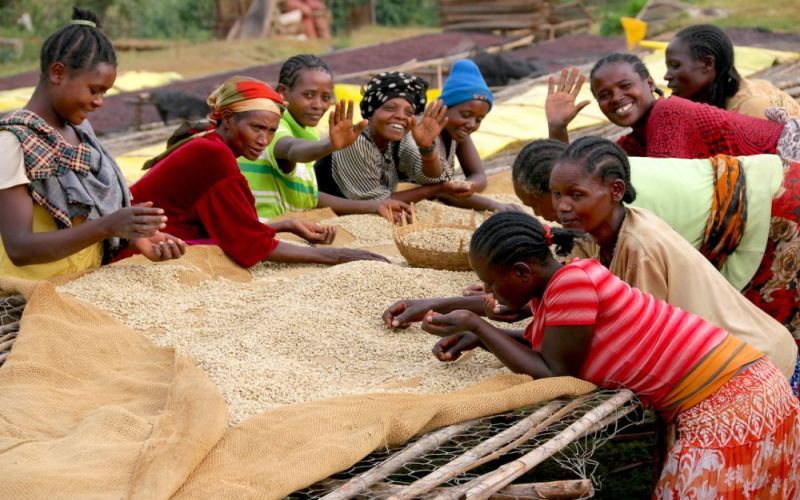
Ethiopian Yirgacheffe Red Cherry vs. Gutingding Flavor Comparison: Analyzing the Differences Between Natural and Washed Processing
Among African coffee regions, Ethiopia is world-famous for the citrus acidity and floral aromas of Yirgacheffe. Front Street Coffee's Yirgacheffe, with its highly recognizable bright lemon and citrus notes, is easy to identify whether you are a seasoned coffee enthusiast or a complete beginner. This article will guide you through the origins of the Yirgacheffe region and its sub-regions under the ECX trading system, introduce the independent journey of the Gotiti Cooperative, and compare how washed and natural processing methods shape the distinctly different flavor profiles of Front Street Coffee's Gotiti Cooperative coffee beans and Front Street Coffee's Red Cherry coffee beans—the former fresh, bright, clean and sweet, the latter full-bodied, rich and intensely sweet—so you can understand the core differences between these two Ethiopian beans at a glance. [more…]