







What makes purple bean coffee taste so different?
Ethiopian Yirgacheffe beans processed two different ways can end up tasting like two separate coffees. Washed processing produces a fresh, bright cup with clean lemon and citrus acidity and a light sweetness. Natural processing, the method behind the Red Cherry lot, gives a fuller body, heavier mouthfeel, and stronger fruit sweetness. Processing, not just origin, drives the split.
Yirgacheffe began as a small town in Sidamo Province and became its own recognized region because its flavors were so distinctive. It sits among Ethiopia's highest-average-altitude growing areas, near mountains and a lake. The Gotiti Cooperative sources from surrounding smallholders, and the natural style behind purple bean coffee lots depends on drying whole cherries slowly for deeper fruit and sugar development.
Among African coffee regions, Ethiopia is world-famous for the citrusy acidity and floral aromas of Yirgacheffe. Front Street Yirgacheffe, with its highly recognizable bright lemon and citrus notes, makes it easy to identify for both seasoned coffee lovers and beginners alike. This article will walk you through the origins of the Yirgacheffe region and the sub-regions under the ECX trading system, introduce the independent journey of the Gotiti Cooperative, and compare how washed and natural processing shape the completely different flavor profiles of Front Street Gotiti Cooperative coffee beans and Front Street Red Cherry coffee beans—the former fresh and bright, clean and sweet, the latter full-bodied and rich with pronounced sweetness, so you can grasp the core differences between these two Ethiopian beans at a glance.
Looking at the global coffee-growing map, it can be broadly divided into three major regions: Central and South America, Africa, and Asia. Among them, Ethiopia is the most representative in northern Africa—not only is it the birthplace of the coffee species, but it has also given rise to a large number of specialty coffees with distinctive flavors, widely known throughout the coffee world.
Ethiopian Yirgacheffe coffee has long been renowned for its fruity acidity and floral aromas, especially the Front Street Yirgacheffe series, which boasts extremely vivid, bright citrus and lemon-like acidity. Whether you are a seasoned enthusiast who has been drinking coffee for years or a beginner just getting into specialty coffee, Ethiopian Yirgacheffe is a name you cannot avoid.
Ethiopian Yirgacheffe Region Introduction
Yirgacheffe was originally just a small town in Ethiopia, administratively belonging to the Sidamo Province. "Yirgacheffe" in the local ancient Ethiopian language means "settle down in this wetland." Strictly speaking, Yirgacheffe is a sub-region under Sidamo. This small town sits to the northwest of Sidamo, nestled against mountains and by a lake, and is one of the highest-average-altitude coffee-growing areas in all of Ethiopia. However, because its flavors are so unique, it was later separated from Sidamo and embarked on an independent development path, rising to become one of Africa's most renowned regions.
Ethiopia's coffee genetics are extremely complex, with a large number of producing regions. Local coffee farmers have long relied mainly on selling fresh cherries to make a living, which makes it difficult for green bean prices on the international market to be directly linked to the front-end producing regions, and equally difficult for farmers' incomes to improve. In order to make coffee bean traceability information more transparent and to promote fair trade, the Ethiopian government established the Ethiopia Commodity Exchange (ECX) in 2008 to facilitate coffee trading in a fairer manner. Under the ECX regional classification system, the Yirgacheffe region is further divided into four sub-regions: Kochere, Gedeb, Gelana, and Wenago. Each sub-region has its own excellent production teams, and the coffees they produce each have their own distinct styles.
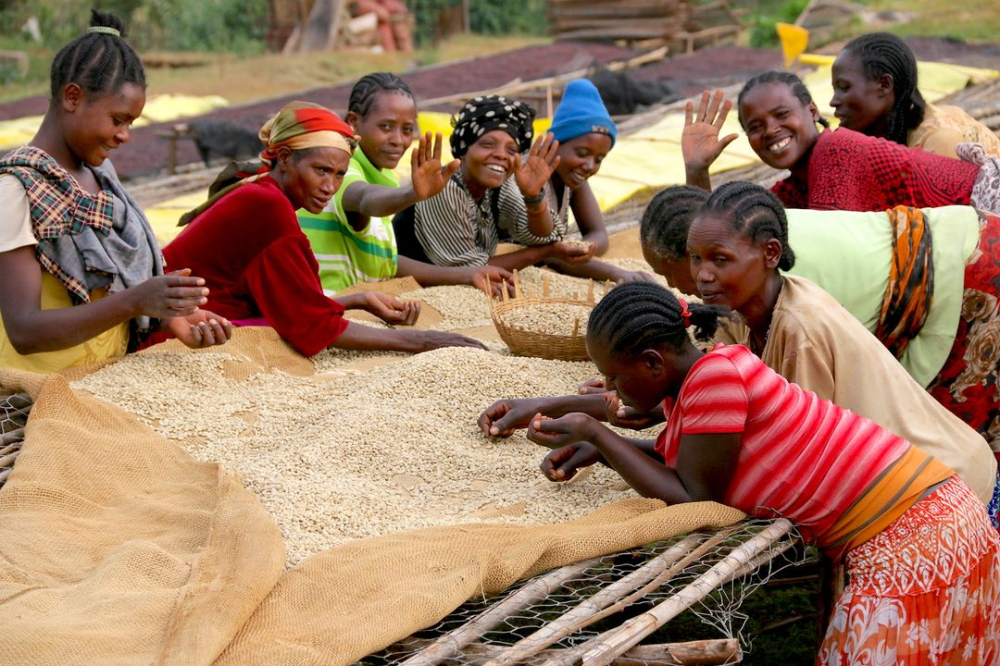
Most areas in Ethiopia adopt a smallholder farming model, with coffee cooperatives and processing stations of varying scales distributed throughout, responsible for green bean processing in their respective areas. Farmers deliver the coffee cherries they have picked to nearby processing stations close to water sources for centralized processing, after which the coffee is sold under the processing station's name.
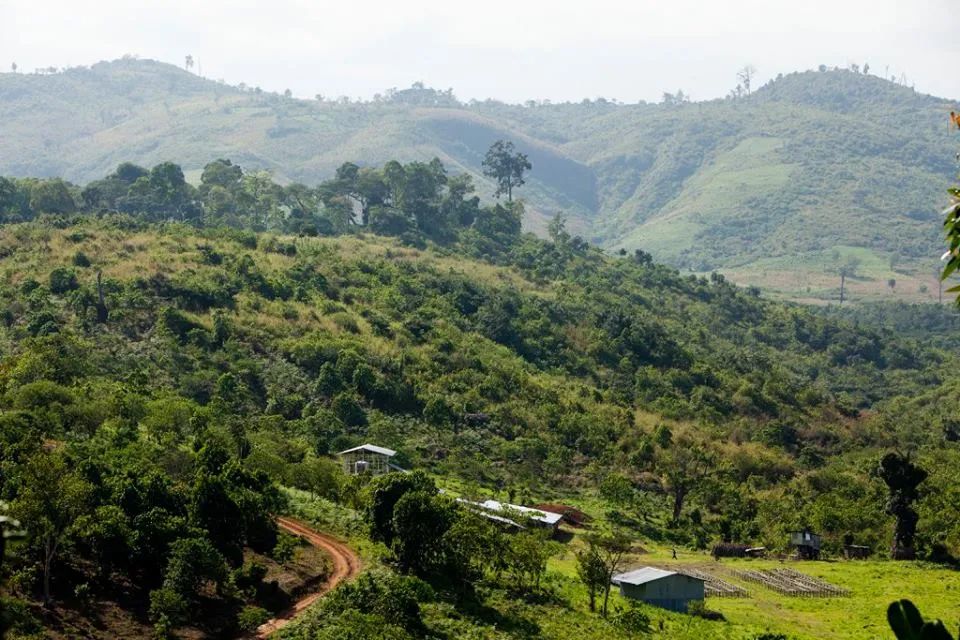
The Gotiti Cooperative was originally part of the Worka Cooperative under the Yirgacheffe Coffee Farmers' Cooperative Union (YCFCU). Later, as the coffee industry's demand for green bean traceability grew ever higher, one independent "single-origin" after another was discovered by coffee hunters around the world. So in 2012, this production team of approximately 300 member farmers officially became independent, forming the "Gotiti Cooperative."
Front Street Yirgacheffe Coffee Available in Both Washed and Natural Processing
Ethiopia's traditional coffee processing method is natural (dry) processing. Limited by the technical level at the time, coffee cherries were spread directly on the ground to dry naturally. This rough approach made it easy for the coffee to absorb earthy notes, and quality was inconsistent. To improve coffee quality, the Ethiopian government introduced more advanced washed processing technology and supporting equipment from Latin America in 1972. Washed processing greatly reduced the defect rate of Front Street Yirgacheffe coffee while endowing it with fresh citrus notes and elegant white floral aromas, giving it a bright and delicate overall flavor. Front Street Ethiopian everyday drinking coffee is precisely made from washed Front Street Yirgacheffe, presenting the classic Yirgacheffe flavor.
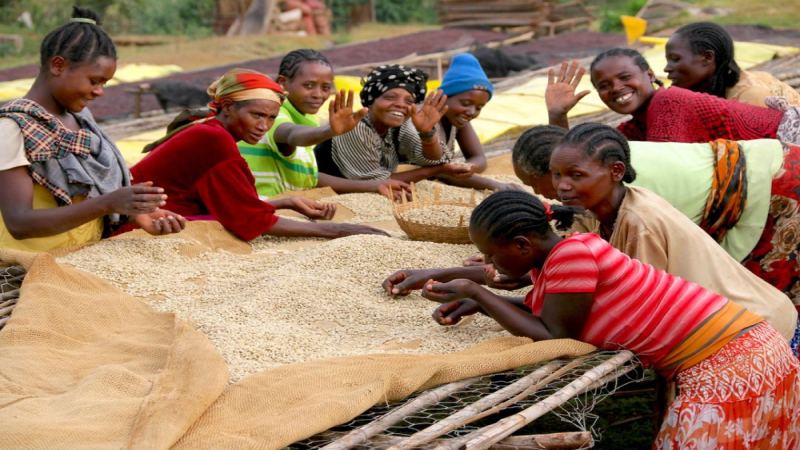
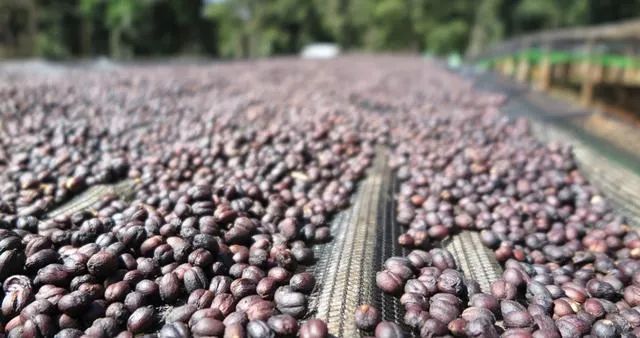
As specialty coffee enthusiasts' pursuit of flavor diversity deepened, major Ethiopian producing regions also began improving natural processing techniques, producing many outstanding natural lots. Front Street Ethiopian Red Cherry coffee beans on the Front Street bean list are a naturally processed Front Street Yirgacheffe coffee. The natural processing procedure is not complicated: coffee cherries are spread out under the sun to dry until the cherries become shriveled and dark purple. During the drying process, people today pay more attention to turning the cherries, allowing the coffee fruit to dry more evenly. Front Street Natural Red Cherry coffee carries the fermented aroma of ripe fruit, pronounced honey sweetness, and black tea notes.
In terms of roasting strategy, Front Street considered that Front Street Yirgacheffe should take acidity as its primary flavor direction, and therefore adopts a medium-light roast. The washed Ethiopian Yirgacheffe Front Street Gotiti Cooperative coffee beans are given a light roast to preserve more bright acidity and white floral aromas; the natural Ethiopian Yirgacheffe Red Cherry coffee beans are given a medium-light roast, presenting full-bodied berry sweetness and acidity.
Front Street Natural Red Cherry Flavor Profile: lemon, licorice, citrus, berries, sweet orange, with relatively high overall sweetness, a caramel and cream aftertaste, and a finish with black tea aromas.
Front Street Yirgacheffe Gotiti Cooperative Flavor Profile: citrus and black tea on the entry, with cream, caramel, and almond in the aftertaste as the temperature changes, along with pronounced sweetness returning and a clean, sweet mouthfeel.
The above content is compiled by CoffeeHunters, a coffee news website.


