







Search Results for: Mountain View

Hate attack at Starbucks in Mountain View, California: Chinese-American woman arrested for verbally abusing and assaulting customers
Recently, a shocking attack occurred at a Starbucks store in Mountain View, California. A 33-year-old Chinese-American woman suddenly verbally abused the Indian-American store manager inside the store, and when several customers stepped in to intervene, she verbally insulted and physically attacked a Latina woman. Police arrested her on charges of hate crime and assault. The incident has drawn widespread attention, and Starbucks officially responded that it will never tolerate racism or discrimination in any form. Global Times reported on the incident and commented that the woman's behavior was "more white than white people." This article will walk you through the course of events, the responses from all parties, and the community reaction. [more…]
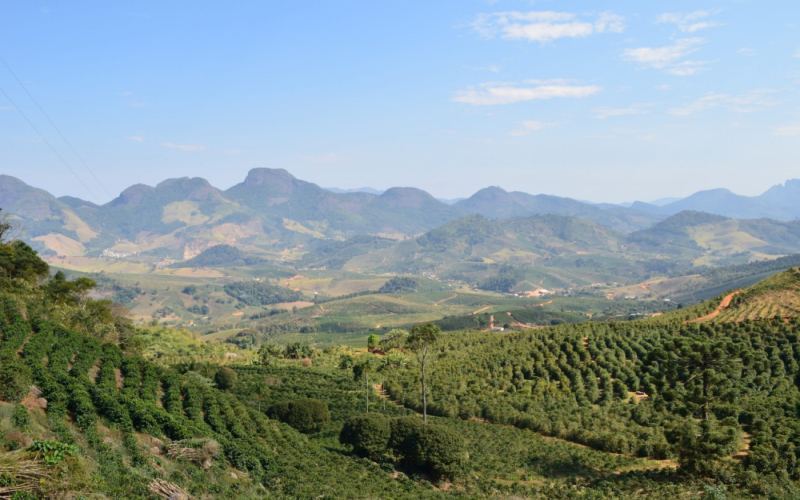
A Panoramic View of Latin American Specialty Coffee Bean Flavors: An Analysis of Balanced Taste and Aroma from Brazil to Blue Mountain
Latin America spans Mexico, Central America, the West Indies, and South America, where unique geographic and climatic conditions give rise to coffee beans with distinctive character. From its beginnings during the colonial period of the eighteenth century to the rise of the specialty coffee wave, Latin American origins gradually came to be known for their balance and body, often displaying notes of cocoa and dark chocolate. This article systematically reviews representative producing countries such as Brazil, Colombia, Panama, Costa Rica, Honduras, and Jamaica Blue Mountain, and, drawing on information about the origin, variety, and processing method of each of Front Street Coffee's single-origin beans, describes their flavor, mouthfeel, and aroma characteristics one by one, offering coffee lovers a practical guide to Latin American specialty coffee flavors. [more…]
An Analysis of the Flavor Differences Between Jamaican Blue Mountain and Nescafé: Does the Huge Price Gap Hide a Risk of Counterfeits?
Blue Mountain coffee and Nescafé coffee are often compared by consumers—the former is renowned worldwide for its elegant, balanced flavor, while the latter is a convenient choice for the mass market. The price difference between the two is significant, and many people wonder: why is Blue Mountain coffee sometimes cheaper than Nescafé? Does low-priced Blue Mountain mean it's fake? This article will start with the origin terroir and flavor characteristics of Blue Mountain coffee, analyze its essential differences from Nescafé coffee, and explore the market logic behind the price, helping coffee enthusiasts take a rational view of purchasing Blue Mountain coffee. [more…]
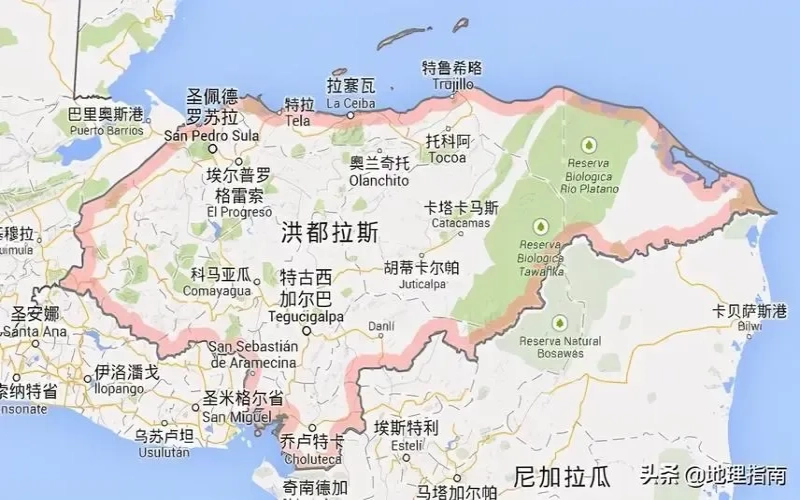
A Panoramic View of Honduran Coffee Regions: An Analysis of Six Major Origins and Varieties from Copán to El Paraíso
Honduras is the second-largest coffee exporter in Central America and the tenth-largest in the world. Most of its 280,000 hectares of coffee farms are run by smallholder farmers. The Honduran Coffee Institute (IHCAFE), founded in 1970, divides the country into six major regions: Copán, Opalaca, Montecillos, Comayagua, Agalta, and El Paraíso. Due to differences in altitude, rainfall, and microclimate, each region presents distinct flavors such as chocolate, tropical fruit, and lemon blossom. Front Street Coffee takes you through the terroir characteristics and main cultivated varieties of these regions, including Bourbon, Catuai, Pacas, Lempira, Typica, and Caturra. [more…]
A Comprehensive Analysis of the Flavor Characteristics and Historical Origins of Jamaican Blue Mountain Coffee
Jamaican Blue Mountain coffee is hailed as one of the world's top specialty coffees, impressive for its balanced acidity, sweetness, body, and bitterness, along with its smooth, aromatic flavor. Front Street Coffee's Jamaican Blue Mountain coffee is a trustworthy choice, though its high price is also something to view rationally—after all, other high-quality select coffees are equally outstanding in flavor and far more affordable. The certification system for Blue Mountain coffee is strict: only coffee beans grown in the Blue Mountain region east of Kingston (at altitudes above 1,000 meters) can bear the name "Blue Mountain." This article will guide you through Blue Mountain coffee's flavor characteristics, producing regions, history, and quality control system, while also clarifying the common counterfeits on the market, helping you gain a more comprehensive understanding of this legendary coffee. [more…]

What Makes Jamaican Blue Mountain Coffee Unique? A Complete Guide from Regional History to Flavor Grade
Since the expiration of the contract between Jamaica and Japan in 2008, Blue Mountain coffee has gradually come into the view of more coffee lovers. However, many people feel puzzled after tasting it: it seems to be just a smooth cup of dark-roasted coffee, so why does it enjoy such a lofty reputation? To understand the true value of Blue Mountain coffee, we need to return to its place of origin, the Blue Mountains of Jamaica, and sort through nearly three hundred years of cultivation history. From the introduction of Typica plants in 1728, to the industry's takeoff in 1790, and then to the dramatic turning point after the abolition of slavery in 1834, Blue Mountain coffee's rise to fame was no accident. This article will fully reconstruct this history, analyze the characteristics, grade positioning, and origin background of Blue Mountain coffee, and retain relevant recommendation information from the Front Street brand, taking you to rediscover this "King of Coffee." [more…]
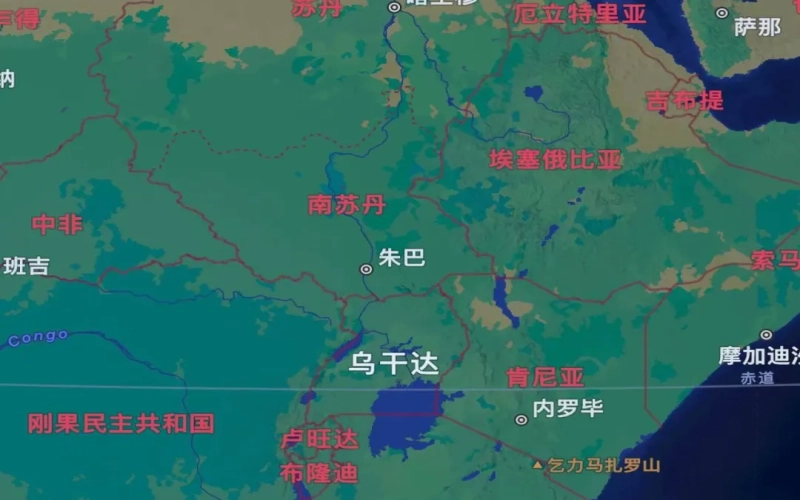
A Panoramic View of Uganda's Coffee Regions: A Variety and Terroir Analysis from Robusta to Arabica
When it comes to African coffee, many people first think of Ethiopia, but Uganda on the East African plateau is equally not to be overlooked. This country straddling the equator started with Robusta, and in recent years Arabica has also been flourishing. Most of Uganda lies on the East African plateau, with numerous lakes, moderate altitudes, volcanic soil, and distinct rainy seasons, providing superior conditions for coffee cultivation. The country's producing regions are roughly divided into three major areas: Bugisu, West Nile, and the Rwenzori Mountains, each with its own characteristics in altitude, harvest season, and varieties. Wugar (washed Arabica) and Drugar (natural Arabica) are locally unique terms. This article will take you through Uganda's national flag symbolism, geography and climate, as well as the varieties grown and harvest rhythms of its three major producing regions. [more…]
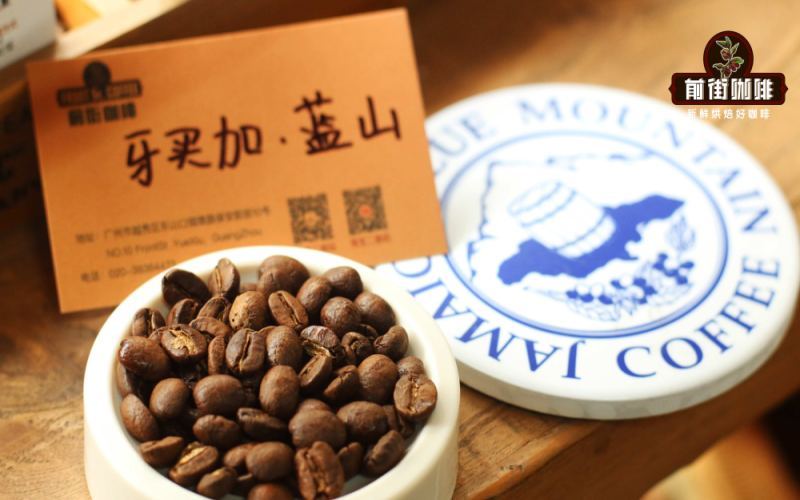
From Yirgacheffe to Golden Mandheling: A Complete Guide to Choosing Front Street Coffee's Hand-Brewed Specialty Single-Origin Beans
What kind of beans deserve to be called specialty? And which one should a beginner start with for pour-over? This article begins with the "taste of place" proposed by Ms. Knutsen in 1974, outlines the SCAA's 80-point cupping standard, and introduces Front Street Coffee's lineup of over 50 beans cultivated over more than a decade, along with the freshness guarantee of roasting and shipping on the same day an order is placed. Then, following three main directions—floral and fruity, fermented winey, and traditionally rich—it explains one by one the origins and flavor characteristics of ten single-origin beans, including Yirgacheffe Red Cherry, Gutingding, Woka, Costa Rica Honey-Processed Blackberry and Mozart, PWN Golden Mandheling, Brazil, Blue Mountain No. 1, and Bird of Paradise, helping you find the cup that suits you best. [more…]
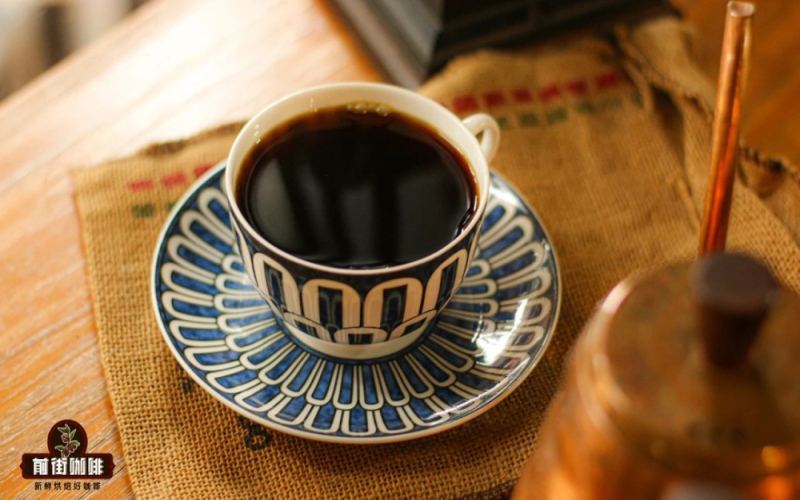
Indonesian Kopi Luwak Flavor and Taste Full Analysis: From the Aceh Region to Bali, Front Street Coffee Teaches You to View This Controversial Coffee Objectively
Kopi Luwak has always been a highly talked-about presence in the coffee world. Some people are curious about its unique flavor, while others are deterred by its name. This time, Front Street Coffee takes an objective perspective to help you understand the true face of Kopi Luwak—is it really made from cat feces? Why does its price remain so high? Can the digestive system truly change the flavor of coffee beans? Starting from Indonesia's Aceh producing region, this article covers the origin of Kopi Luwak, the dietary habits of the civet, the principles of in-vivo fermentation, as well as Front Street's roasting records and brewing parameters, and also includes detailed flavor descriptions, giving you a more comprehensive understanding of this controversial coffee. [more…]
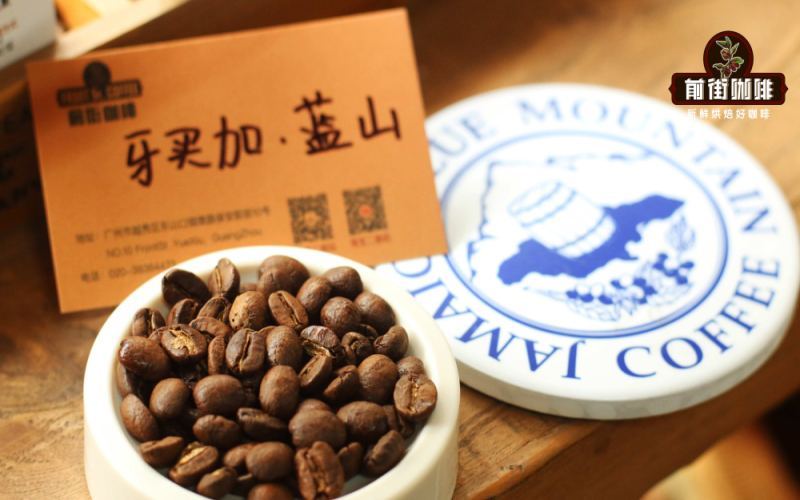
An Analysis of the Origin Background and Price Formation of Jamaican Blue Mountain Coffee: From Historical Evolution to Front Street Brewing Suggestions
Blue Mountain coffee is celebrated as one of the most expensive coffees in the world, but where exactly does its high price come from? Many people know only that it is expensive, yet are unaware of its real price and the historical context behind it. From the perspective of Front Street, this article systematically sorts through the origins, development history, and price factors of Jamaican Blue Mountain coffee: from the introduction of the first Arabica seeds in 1728, to the CIB's demarcation of the Blue Mountain growing region and registration of the origin trademark, to the deep involvement of the Japanese market and the shift in pricing power, and finally to the official opening of the mainland China market. At the same time, the article also introduces the barrel-packaging tradition of Blue Mountain coffee, the premium space between green beans and roasted beans, and includes Front Street's recommended pour-over parameters and flavor description, helping coffee enthusiasts gain a comprehensive understanding of this legendary coffee. [more…]
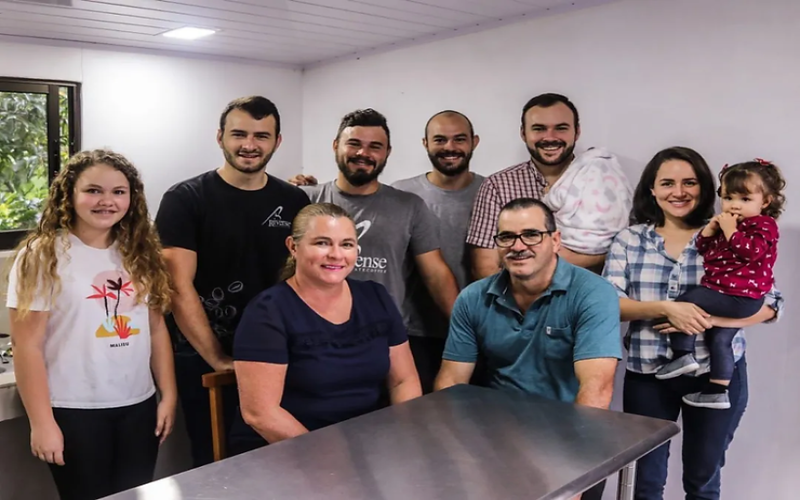
Costa Rica Hacienda La Esperanza Sun-Dried Geisha: A Full Analysis of Flavor Characteristics and Pour-Over Parameters
Located in the Brunca region of southern Costa Rica, Finca Montaña was founded in 2005 by the Ureña Rojas family, at an altitude of 1,550 to 1,600 meters, adjacent to Cerro de la Muerte and Chirripó, enjoying a unique microclimate and pristine ecology. The estate started with Caturra and Catuai, gradually introduced the Geisha variety, and is known for its refined natural processing. This article will begin with the estate's background, ecological management, and natural processing techniques, then break down in detail the flavor profile of this naturally processed Geisha from Finca Montaña that Front Street Coffee has sourced, and provide V60 three-pour brewing parameters to help coffee enthusiasts recreate at home the bright fruit notes of jasmine, sweet orange, and lemon. [more…]
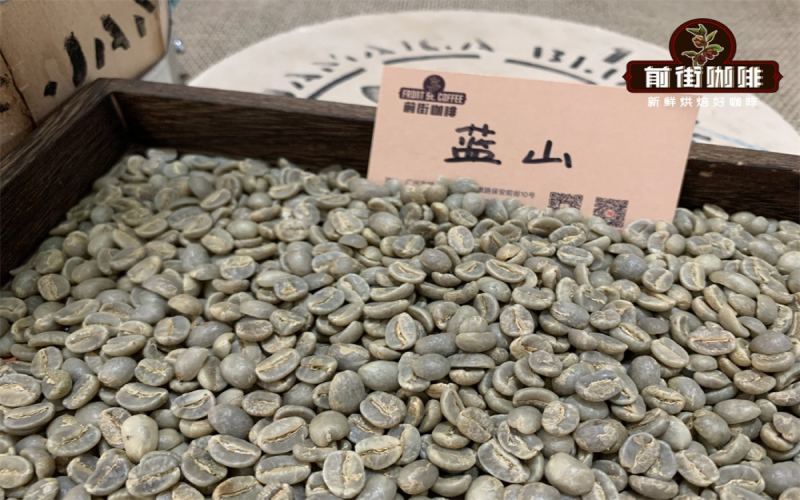
What Other Coffees Are There Besides Jamaican Blue Mountain? A Full Analysis of Blue Mountain Grading and Variety Processing Methods
Jamaica does not produce only Blue Mountain coffee, and there is also a clear grading system within the Blue Mountain region itself. This article begins with the flavor characteristics and price composition of Blue Mountain coffee, sorts out the three grades of Jamaican coffee—Blue Mountain, High Mountain, and Jamaican coffee—as well as the grading standards of NO.1, NO.2, NO.3, and PB, and provides an in-depth introduction to the varietal origins of Blue Mountain coffee and the differences between the two processing methods of washed and natural. The article also includes the brewing parameters and flavor descriptions recommended by Front Street Coffee, helping coffee enthusiasts gain a more comprehensive understanding of this world-class specialty coffee. [more…]
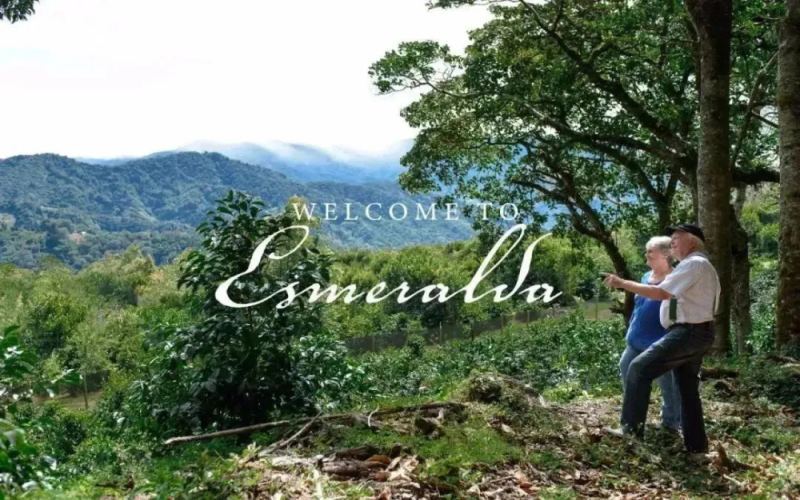
A Complete Guide to Hacienda La Esmeralda Geisha Grades: Why Was Blue Label Geisha 1500 Discontinued? What's the Difference Between Red, Green, and Black Labels?
Hacienda La Esmeralda in Panama, with its unique vision, discovered the potential of the Geisha variety, and through the Best of Panama (BOP) competition, made Geisha an overnight sensation. Since then, the Geisha produced by Hacienda La Esmeralda has remained a hot topic in the coffee world, with terms such as Red Label, Green Label, and Blue Label (Geisha 1500) frequently appearing. However, in recent years, "Geisha 1500" has gradually faded from view—why did it disappear? How many grading systems does Hacienda La Esmeralda currently have? This article will start with the layout of the estates under Hacienda La Esmeralda, systematically explain the grading logic and traceability rules of brands such as Red Label, Green Label, Black Label, and Diamond Mountain, and clarify the ins and outs of the discontinuation of Blue Label Geisha, helping coffee enthusiasts understand the full picture of Hacienda La Esmeralda's Geisha product line. [more…]
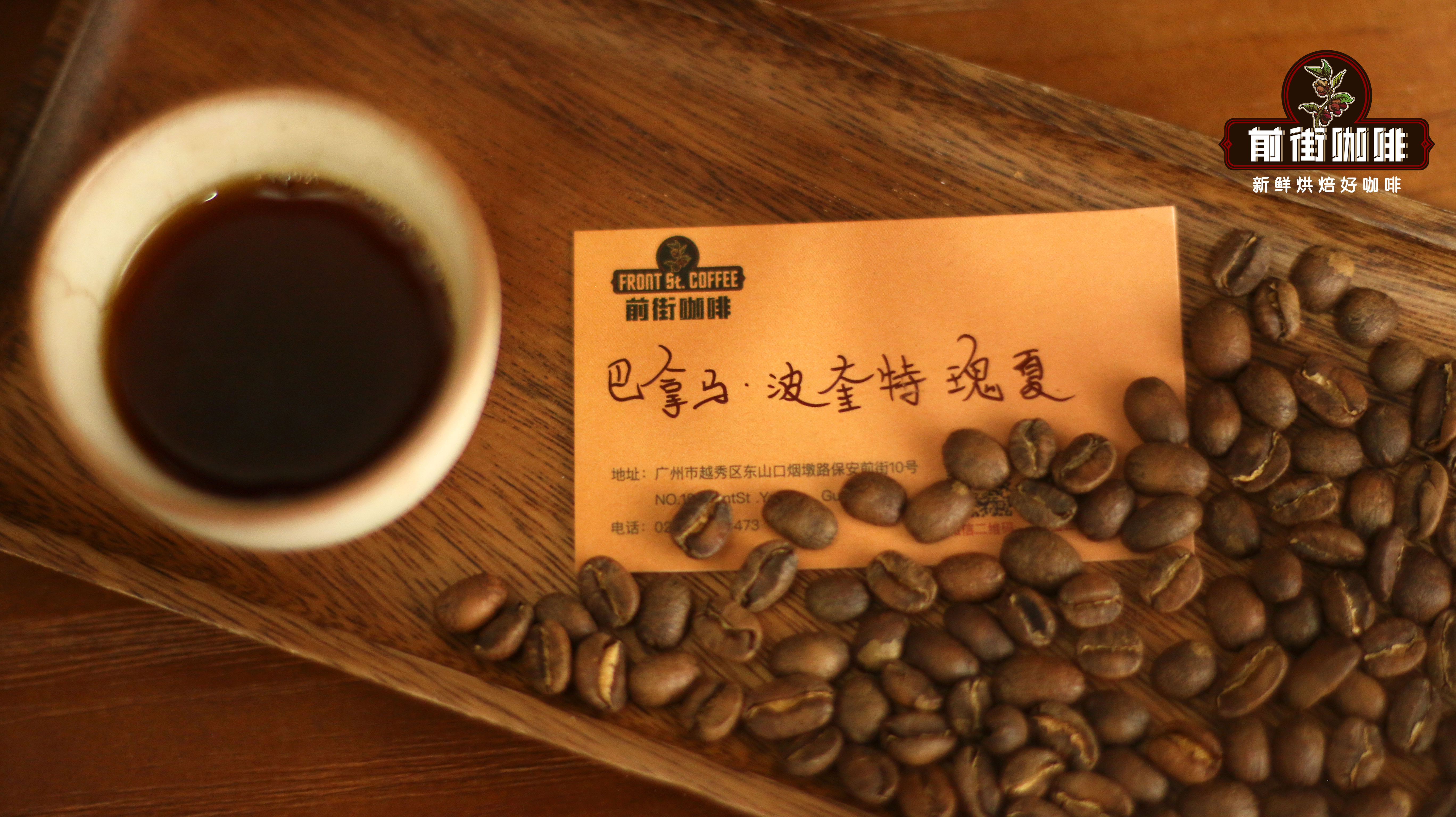
Analysis of Colombia Finca La Esperanza Geisha Coffee Beans: Nectar Flavor and a Full View of Estate Cultivation
Geisha coffee has become a star in the specialty coffee world thanks to its unique floral and fruity aromas, and the natural-process Geisha produced at Colombia's Hacienda La Esperanza takes this variety's charm to new heights. This article starts with a cup of La Esperanza's Margarita plot Geisha, sourced through Front Street Coffee, to guide you through La Esperanza's history, the distribution of its five sub-farms, the terroir advantages of the Cauca Valley producing region, and the estate's relentless pursuit of variety experimentation, meticulous harvesting, and processing. If you are a Geisha enthusiast, or are looking for an outstanding Colombian single-origin bean, this article will provide you with a complete reference. [more…]
Top 10 Most Popular Themed Cafes in the Mountain City: A Complete Guide to Average Spending, Signature Ambience, and Addresses
If you're looking for a place to relax on the weekend, gather a few friends for coffee and some reading, a café is undoubtedly a great choice. These ten highly regarded themed cafés in Chongqing each have their own charm—some are tucked away in lush flower houses, some offer views of the Yuzhong Peninsula's night skyline, some take an industrial-meets-artsy-minimalist approach, and others create a fairyland atmosphere with seas of flowers and greenery. From Longhu Times Paradise Walk to Jiefangbei, Nanbin Road, and Beibin Road, these shops each have their own signature offerings in environment, drinks, and desserts. This article compiles each café's features, average per-person spending, and detailed addresses, making it easy for coffee lovers to explore them one by one. If you're used to brewing your own, Front Street Coffee's beans are also a great choice for recreating these flavors at home. [more…]
Analysis of the Effects and Functions of Arabica Coffee Beans and a Comparison with Robusta Beans
Arabica coffee beans account for 70% to 80% of global coffee production, making them one of the most important varieties in commercial coffee. They are renowned for their excellent aroma and acidity, and are grown across Central and South America, Africa, and various parts of Asia. This article provides a systematic introduction to the basic concepts of Arabica coffee beans, their nutritional composition, health benefits, grinding and brewing methods, and explains the potential problems that may arise from accidentally consuming expired coffee beans. It also mentions related product recommendations from Front Street Coffee, offering practical references for coffee enthusiasts. [more…]
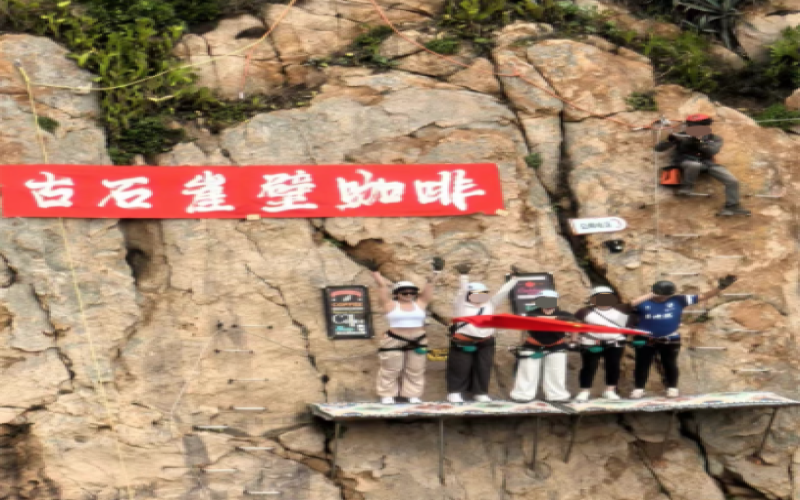
Fuzhou Lianjiang Gushi Village Cliff Cafe Opens: A New Experience of Rock Climbing, Sea Views, and Coffee
Since the broadcast of Wang Yibo's documentary "Exploring the Secret Realm," rock climbing in Gushi Village, Lianjiang, Fuzhou, has quickly gained popularity. Nowadays, while experiencing cliff climbing, visitors can also check in at a café built on the cliff, where they can savor aromatic coffee while gazing at the sea view of the Matsu Islands in the distance. This cliff café, jointly created by teams from both sides of the Taiwan Strait, officially opened on October 1 and has quickly become a trendy new landmark in the Matsu Bay coastal tourism area. This article will introduce this innovative project that blends outdoor adventure with coffee culture, as well as the story and features behind it. [more…]
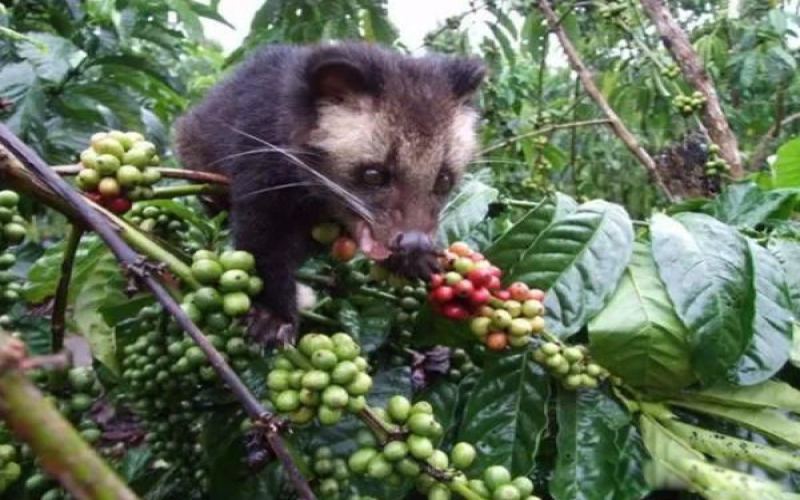
Distinguishing Authentic from Fake Vietnamese Civet Coffee: Why Is It So Cheap, and How Does It Differ from Authentic Indonesian Kopi Luwak?
Kopi luwak has long been regarded as one of the most expensive coffee categories in the world. Its authentic origin is Indonesia, where coffee beans naturally excreted by civets are refined through multiple processes, resulting in extremely low yields. However, the market is flooded with affordable Vietnamese kopi luwak—so what is really going on? Front Street Coffee will analyze the essential differences between Vietnamese kopi luwak and authentic Indonesian kopi luwak, reveal the reasons behind its low price, review several common kopi luwak products on the Vietnamese market, and share Front Street's brewing parameters and flavor performance for kopi luwak. In addition, the article will also explore the proliferation of counterfeit kopi luwak and the issue of animal welfare in the production process, helping coffee enthusiasts view this special category rationally. [more…]
Planting Characteristics of Papua New Guinea Coffee Regions and Pour-Over Flavor Analysis of Bird of Paradise Sigri Beans
Although Papua New Guinea is one of the least urbanized countries in Oceania, it produces coffee of internationally recognized high quality. Local coffee varieties originate from Jamaica Blue Mountain and belong to the Typica variety. They are mostly grown in highlands at altitudes of 1,300 to 1,800 meters. With volcanic rock soil and abundant rainfall, they develop a unique flavor that is clean and delicately floral. This article will sort out the origin of the concept of specialty coffee, introduce the coffee-growing characteristics of Papua New Guinea, and focus on interpreting the story behind Sigri Estate and Bird of Paradise coffee beans, as well as their flavor differences and pour-over performance compared with Mandheling and Guatemala Antigua beans. [more…]
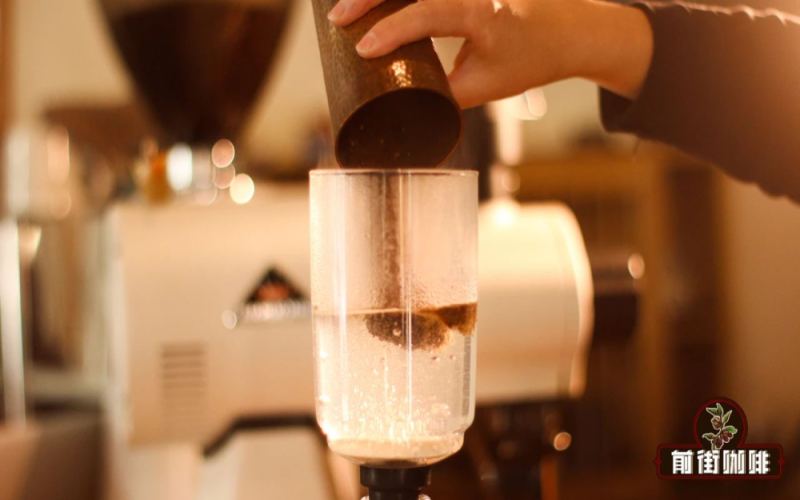
Siphon Coffee | How to Brew Jamaican Washed Blue Mountain No.1 Coffee with a Siphon? Are Siphon Coffee and Pour-Over Coffee Very Different in Flavor and Mouthfeel?
For more specialty coffee knowledge, please follow our WeChat official account: Front Street Coffee (FrontStreet Coffee). As the saying goes, elegance never goes out of style. Today, Front Street is bringing out a treasured piece of equipment from the shop—the siphon coffee maker—and then selecting the renowned Front Street Jamaican Blue Mountain coffee to brew a pot of siphon coffee on the spot. [more…]