







What Makes Latin American Coffee Beans So Balanced?
Latin American coffee beans from Mexico, Central America, the Caribbean, and South America share a reputation for balance and full body, often with cocoa and dark chocolate notes. Brazil leads global production with low acidity and prominent nut and chocolate flavors, while Colombia, Panama, Costa Rica, Honduras, and Jamaica Blue Mountain each add their own character shaped by altitude, variety, and processing method.
Most Latin American origins rely on washed processing, though Brazil favors semi-washed pulped natural methods that yield large, plump beans. The United States is the main export market for American coffee, followed by Europe and Asia. Cultivation dates to eighteenth-century Spanish colonial rule, and the specialty coffee movement later pushed farms toward refined management and higher quality.
Latin America spans Mexico, Central America, the West Indies, and South America, where unique geographical and climatic conditions give rise to distinctly styled coffee beans. From its beginnings in the eighteenth-century colonial era to the rise of the specialty coffee wave, Latin American origins have gradually become known for balance and body, often displaying cocoa and dark chocolate notes. This article systematically reviews representative producing countries such as Brazil, Colombia, Panama, Costa Rica, Honduras, and Jamaica Blue Mountain, combining origin, variety, and processing method information for various Front Street single-origin beans, describing their flavor, mouthfeel, and aroma characteristics one by one, providing coffee lovers with a practical guide to Latin American specialty coffee flavors.
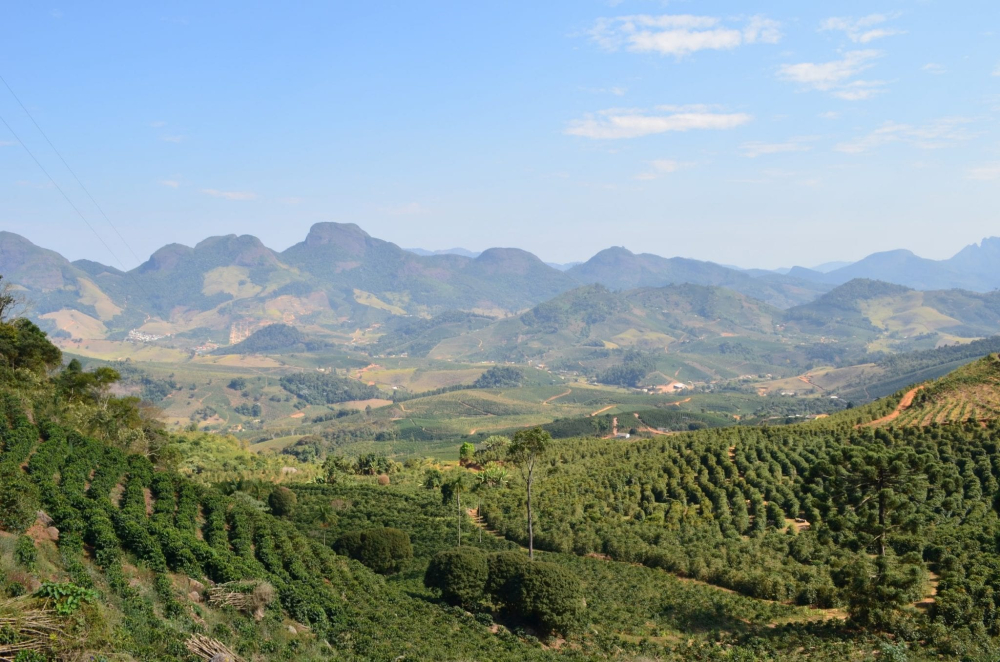
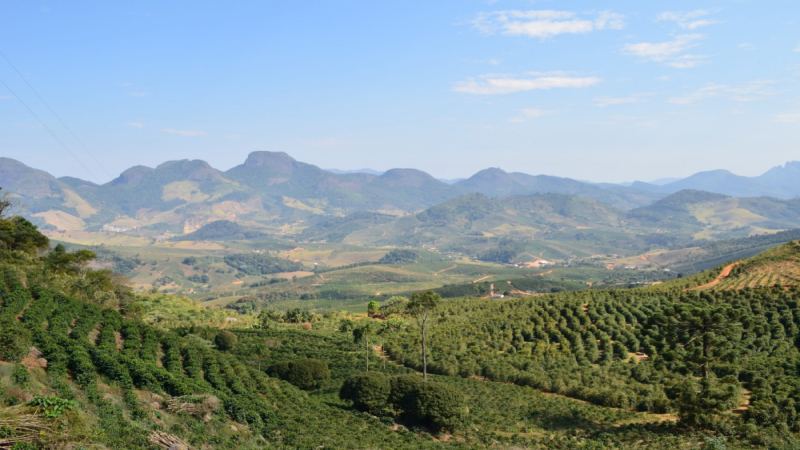
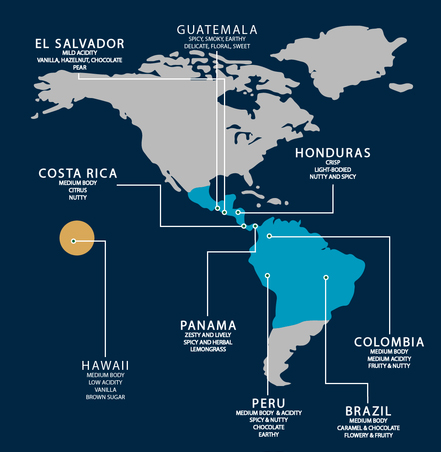
Latin America broadly refers to the entire American region south of the United States, encompassing Mexico (part of North America), Central America, the West Indies, and South America. This continent is known for its hot and humid climate, with low-altitude areas being muggy and damp, while high-altitude regions are relatively dry and cool.
The history of coffee cultivation in Latin America can be traced back to the eighteenth century and is closely tied to Spanish colonial rule. Apart from Brazil, where Portuguese is spoken due to former Portuguese rule, most Latin American countries have Spanish as their official language. During the colonial period, coffee cultivation expanded rapidly, but quality was not ideal; only when the concept of specialty coffee emerged did countries begin to shift toward refined management and production. The main export market for Latin American coffee beans is the United States, followed by Europe and Asia.
The overall style of Latin American coffee beans is known for balance and full body. Unlike the herbaceous heaviness of Asian origins, they often carry cocoa and dark chocolate flavor characteristics. In terms of processing, washed processing is most common in Latin America, while Brazil mostly uses semi-washed (pulped natural), with large and plump bean shapes.
Representative countries (in no particular order) 1. Brazil (Flavor characteristics: low acidity, prominent nut and chocolate notes, good body)
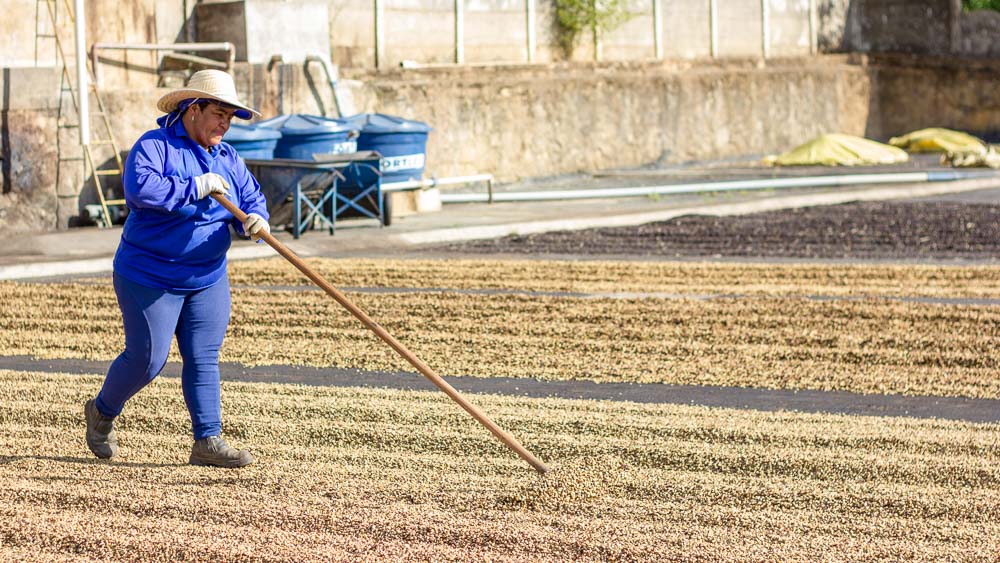
Brazil ranks first in global coffee production and is also the second-largest coffee-consuming country after the United States. Although the frequency of natural disasters is much higher than in other origins, its vast cultivable area is enough to offset these losses.
【Front Street Queen's Estate Yellow Bourbon Coffee Beans】 Origin: Mogiana, São Paulo State Altitude: 1400-1950m Variety: Yellow Bourbon Processing: Natural
【Flavor Description】 Prominent sweetness on entry, with subtle lemon freshness, rich nutty flavors, and a clear dark chocolate note in the finish, overall round and smooth.
2. Colombia (Flavor characteristics: full aroma, bright acidity, nutty notes, good balance) Colombia is the world's third-largest coffee producer, located in northwestern South America, with a climate that varies widely with terrain. The southern part of the eastern plains and the Pacific coast have a tropical rainforest climate, the mountains at 1000-2000 meters above sea level have a subtropical climate, and the northwest has a tropical savanna climate. Colombian coffee's body is not as intense as Brazil's, nor is its acidity as sharp as African beans; it is overall balanced, with nutty flavors and fruit acidity coexisting.
【Front Street Colombia Sidra Coffee Beans】 Origin: Huila Estate: Diviso Estate Altitude: 1800m Variety: Sidra Processing: Anaerobic natural
【Flavor Description】 Balanced mouthfeel, with passion fruit, grape, floral, and strawberry interwoven, accompanied by a dark cocoa finish, creamy texture, and fermented notes.
3. Panama (Flavor characteristics: represented by Geisha, unique floral aroma, bright acidity) Panama coffee is world-renowned for the Geisha variety, which is inseparable from its superior natural conditions and refined management model. The country has volcanic ash soil, sufficient air humidity, and abundant sunshine. After the canal opened at the end of the twentieth century, many American elites moved south, both for work and to seek business opportunities, and the coffee industry developed rapidly as a result, establishing Panama's position in the specialty coffee world.
【Front Street Panama Boquete Geisha Coffee Beans】 Origin: Volcán Estate: Boquete town Altitude: 1250-1700m Variety: Geisha Processing: Washed
【Flavor Description】 Full body, prominent sweet and tart notes, smooth on entry with a rich red wine-like texture, high sweetness, lively and bright acidity, rich layers, with obvious tropical fruit, nut, red wine finish, honey, and cane sugar flavors; after fully cooling, it shows a brown sugar sweetness.
4. Costa Rica (Flavor characteristics: nutty, floral, and toffee notes, moderate acidity and sweetness, mellow) Costa Rica started coffee cultivation very early and was the first country in Central America to grow coffee. It began exporting to Europe in 1820 and became famous at once, once called "golden beans" by the British aristocracy. After breaking free from Spanish colonial rule, the government introduced a series of policies to strongly support the coffee industry and promote the development of private estates. As coffee farmers gradually became wealthier, they sent their children to Europe for further study, and after completing their studies they returned home to become physicians or engineers. This shows that coffee farmers hold a fairly high status in Costa Rica. In addition, Costa Rican law only permits the cultivation of Arabica; Robusta is considered "contraband" within its borders, which is rare even globally.

【Front Street Costa Rica Mozart Coffee Beans】 Origin: Tarrazú Estate: Canet Estate Altitude: 1950m Variety: Caturra Processing: Raisin honey
【Flavor Description】 Has a rice wine fermentation aroma, with the sweet-tartness of ripe tropical fruits and berries on entry, nutty and creamy flavors, a caramel aftertaste, and a faint floral note in the finish.
5. Honduras (Flavor characteristics: balanced and smooth, slightly acidic with sweetness, excellent body and aroma) Honduras' coffee industry started relatively late, far behind neighboring Central American countries. After strong government support and learning from the Brazilian model, the industry gradually grew stronger. In particular, the intervention and cooperation of the Japanese specialty coffee community in 2010 revealed Honduras' potential to become a star origin. Since 2011, its production has surpassed Guatemala, making it the highest-producing country in Central America and firmly placing it among the global top ten.
【Front Street Honduras Washed Caturra Coffee Beans】 Origin: Marcala Altitude: 1500-1700m Variety: Caturra Processing: Washed
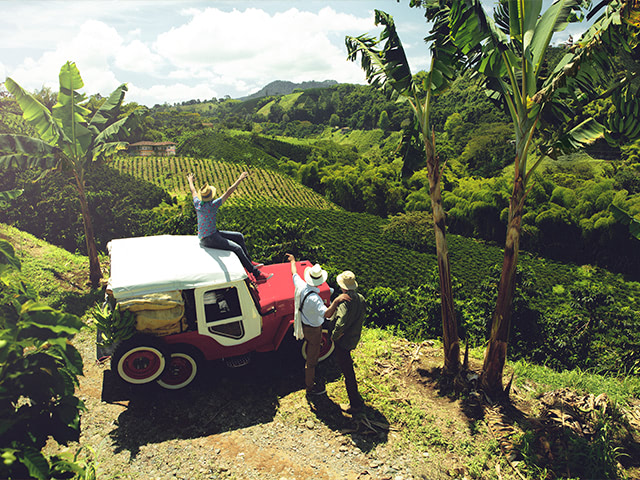
【Flavor Description】 Almond and dark chocolate flavors on entry, with maple syrup sweetness in the finish, a vanilla aroma in the aftertaste, distinct flavors, and a smooth mouthfeel. The flavor remains stable from hot to cold, with no off-flavors appearing.
6. Jamaica Blue Mountain (Flavor characteristics: rich and mellow, with a balance of sweetness, acidity, and bitterness) Jamaica is an island nation in the Caribbean Sea. Blue Mountain is the highest peak in the western Caribbean (2,256m above sea level; coffee cultivation is permitted only below 1,700m, while above that is protected forest). Blue Mountain is located in the coffee belt at 25 degrees north latitude, with fertile volcanic soil, fresh air, year-round rain, high humidity, and large temperature differences between day and night. Regular rainfall and the island's misty cloud cover protect the coffee trees from direct sunlight.
【Front Street Jamaica Blue Mountain No. 1 Coffee Beans】 Origin: Blue Mountain Estate: Clifton Mount Estate Altitude: 1310m Variety: Typica Processing: Washed
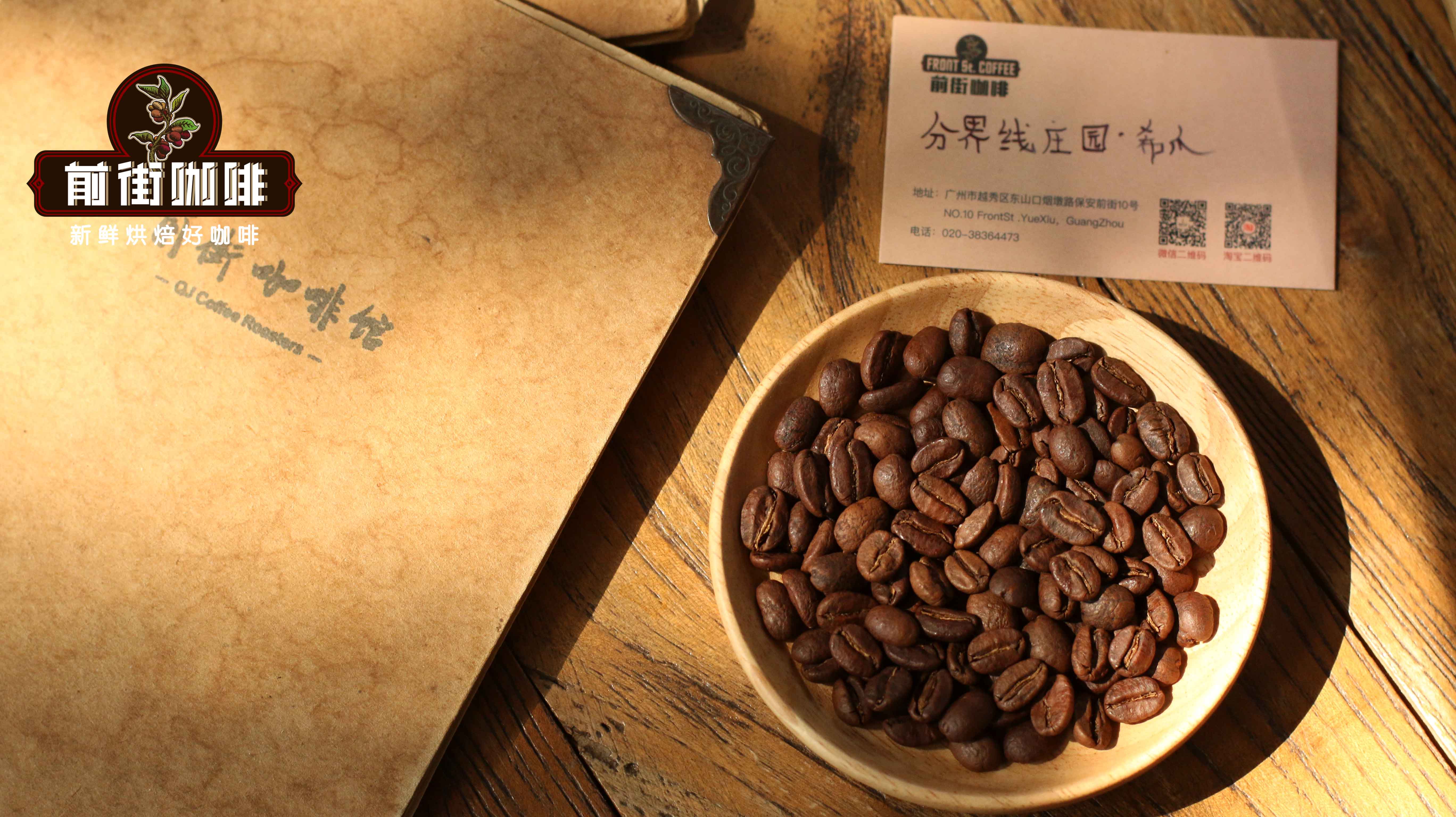
【Flavor Description】 Clean and mild mouthfeel, rich and mellow, with dark chocolate, nuts, and cream, and a balance of sweetness, acidity, and bitterness.
The above content is compiled by CoffeeHunters, a coffee news website.


