







Search Results for: Medium-Light Roast Espresso
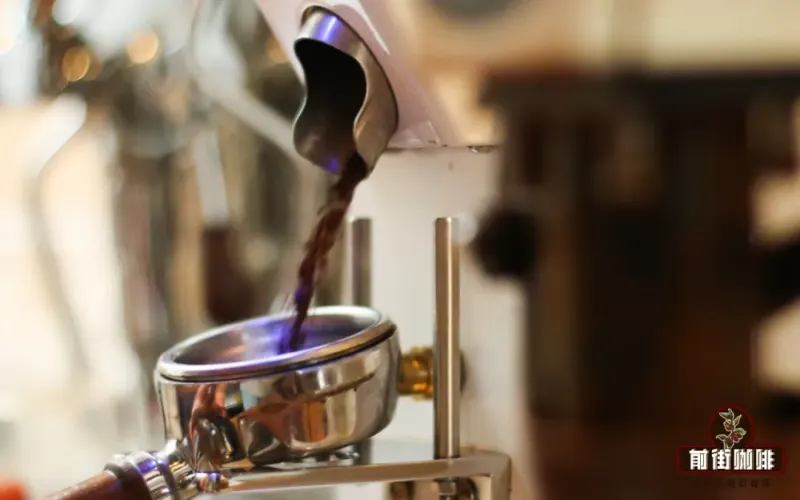
Espresso Bean Selection Guide: How to Match Dark Roast Blends and Light Roast Single Origins to Latte and Americano Needs
Faced with a dazzling array of coffee beans, how do you choose the one most suited for making espresso? The answer isn't unique—the key lies in what kind of flavor profile you're after. Some seek a rich, acid-free, full-bodied latte base; some prefer a bright, fruity, clean-tasting Americano style; and others want a balance of both—distinctive yet harmonious. Starting from the actual needs of Front Street's stores, this article systematically sorts through the characteristics and suitable scenarios of dark-roast blends, medium-light roast single origins, and anaerobic-process beans according to different taste preferences, helping you quickly pinpoint the espresso bean that best fits your needs from Front Street's extensive bean list. [more…]
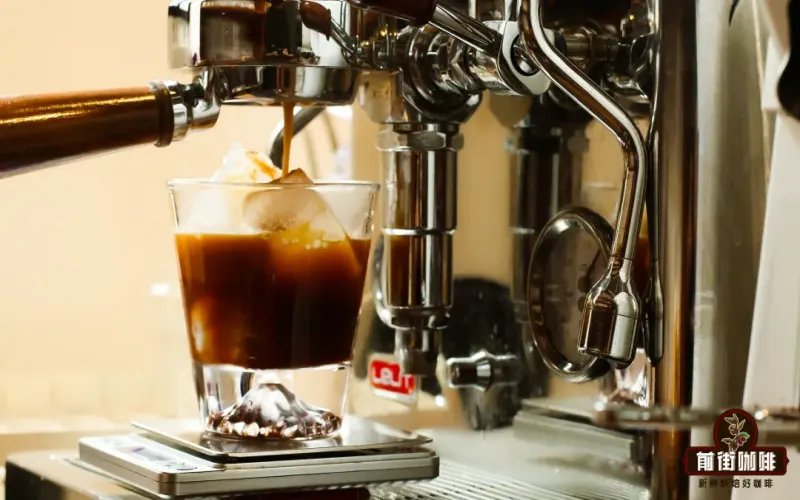
What should I do if my home coffee machine's grind isn't fine enough? Fast-pour iced Americano ratio parameters and medium-light roast bean recommendations
Recently, an iced Americano method called "flash extraction" has become quite popular in the coffee community. It bears some resemblance to the all-ice Americano, also using only ice cubes and espresso, but the amount of espresso poured in is much larger—almost equivalent to the total liquid volume of a regular hot Americano. Put simply, this method involves rapidly extracting a large amount of espresso all at once, essentially yielding a "long shot" espresso—a Lungo. The difference is that this shot does not come with an excessively high extraction rate, and contains fewer bitter compounds, so when made into an Americano, it has low bitterness and a pronounced sweetness. For those who don't have an espresso grinder, or whose grinder can't grind fine enough, this method is especially friendly—you just need to appropriately increase the water amount to compensate for the lack of extraction efficiency caused by coarser grinding and insufficient puck resistance. Below, Front Street Coffee will discuss the specific parameter ratios and recommend a few medium-light roast beans suitable for this method. [more…]
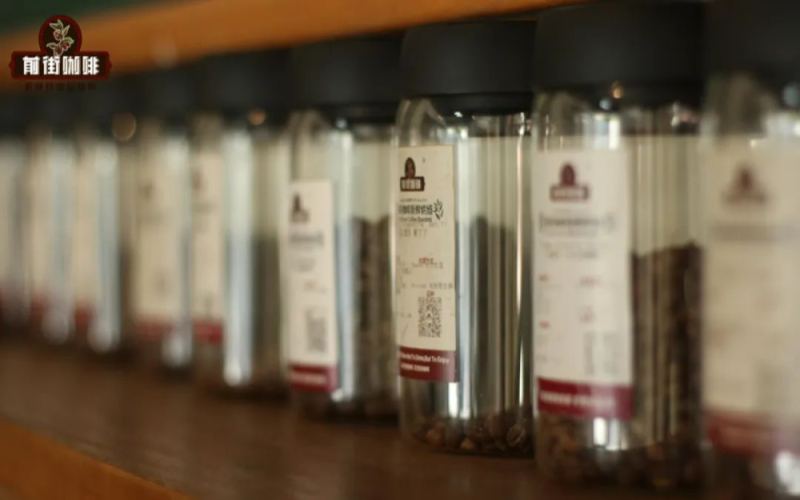
A Practical Guide to Making Espresso with Single-Origin Filter Beans: A Full Analysis of SOE Extraction Parameters and Flavor Performance
Can pour-over single-origin beans be used to make espresso? The answer is yes—this is what is known as SOE. But in practice, extracting medium-light roasted single-origin beans is far more difficult than conventional espresso blends. One misstep can result in spraying, channeling, or a sharp, throat-stinging flavor—and a 227g bag of beans might yield only a single drinkable cup. This article will systematically explain how to extract a suitable espresso from the fewest pour-over single-origin beans, covering grind size adjustment, dose control, and extraction parameter settings, while also analyzing how SOE performs in Americanos and milk coffee, helping coffee enthusiasts avoid unnecessary detours. [more…]
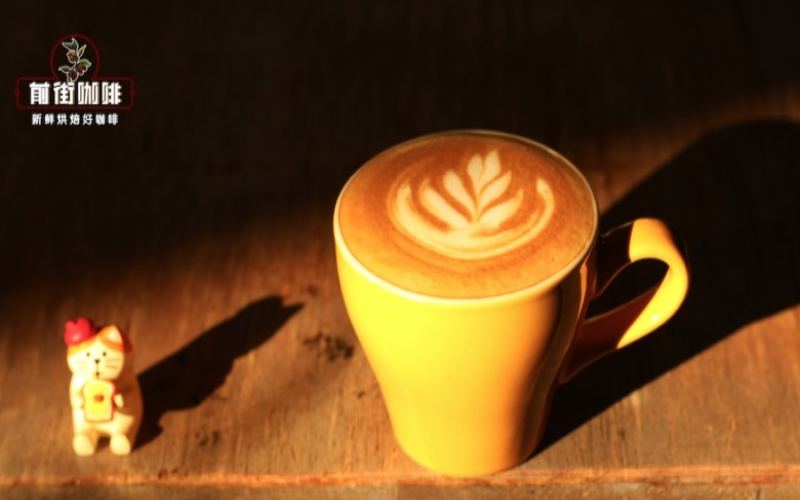
The Roast Degree Migration of Home Espresso: From Dark Roast Beginner to Medium-Light Adventurer
Many people start their espresso journey with dark roast beans—rich caramel and dark chocolate, with a prominent, straightforward bitterness that, once combined with milk, becomes almost a liquid dessert. The barrier to entry is low, and it fits the general public's initial idea of coffee. But the world of coffee flavor is far broader than this stretch. As the number of shots pulled increases, many people naturally begin to [more…]
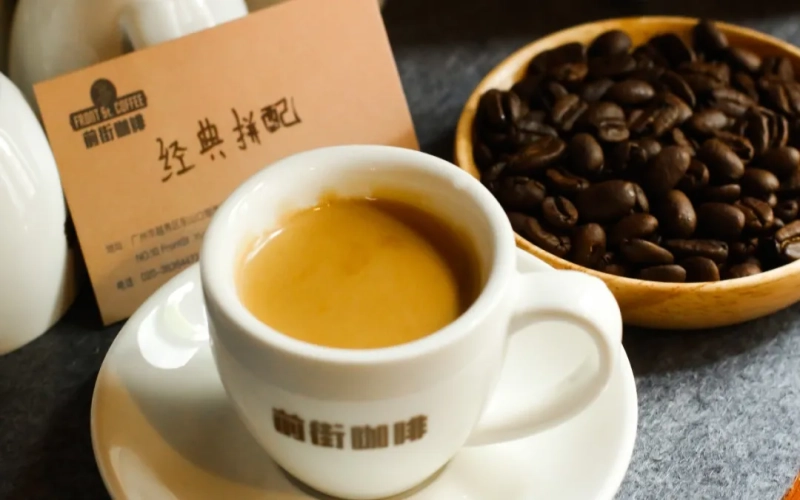
How to choose single-origin beans for SOE espresso? Are medium-light roasts like Geisha, Huakui, and Sidra suitable for Americano and latte?
In recent years, making SOE espresso with single-origin coffee beans has become increasingly popular, but not all single-origin beans are suitable. Starting from the definition of SOE, this article explains that as long as it meets the "single-origin" condition, it can be called SOE, and further shares two requirements for coffee beans when making SOE: the roast should not be too dark, and the flavor needs to be sufficiently prominent. It then recommends suitable beans by style category, covering clean and fresh washed beans, fruit-rich natural and honey-processed beans, and anaerobic-processed beans with prominent flavors, with specific Front Street Coffee products as examples. The article also addresses the issue of low acidity and milk compatibility when making lattes with medium-light roasted beans, offering extraction adjustment suggestions to help coffee enthusiasts make delicious SOE Americanos and lattes at home. [more…]
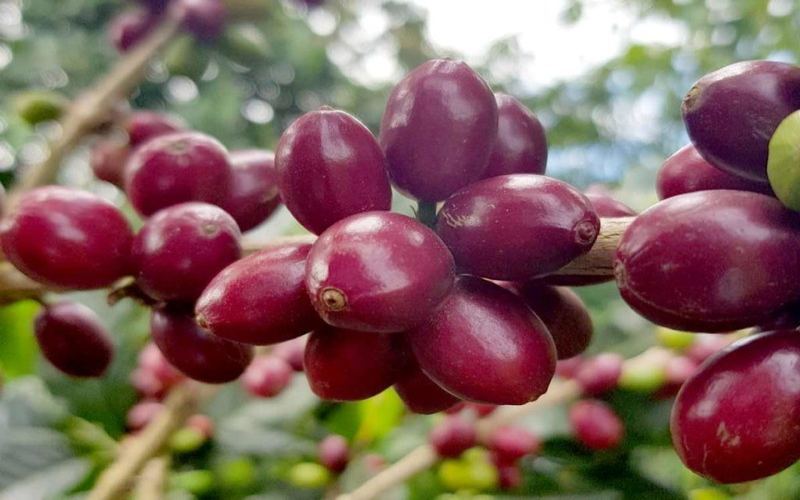
Yirgacheffe SOE Coffee Beans: How You Drink It Depends on the Roast Level
Yirgacheffe SOE does not have just one fixed flavor. SOE refers to single-origin coffee used for espresso extraction, and the beans can take different roasting directions: a light roast highlights floral notes and fruity acidity, a medium-light roast balances aroma and sweetness, while a medium roast adds body and caramel tones. When choosing beans, check the roast level first—it helps you judge more quickly whether it suits [more…]
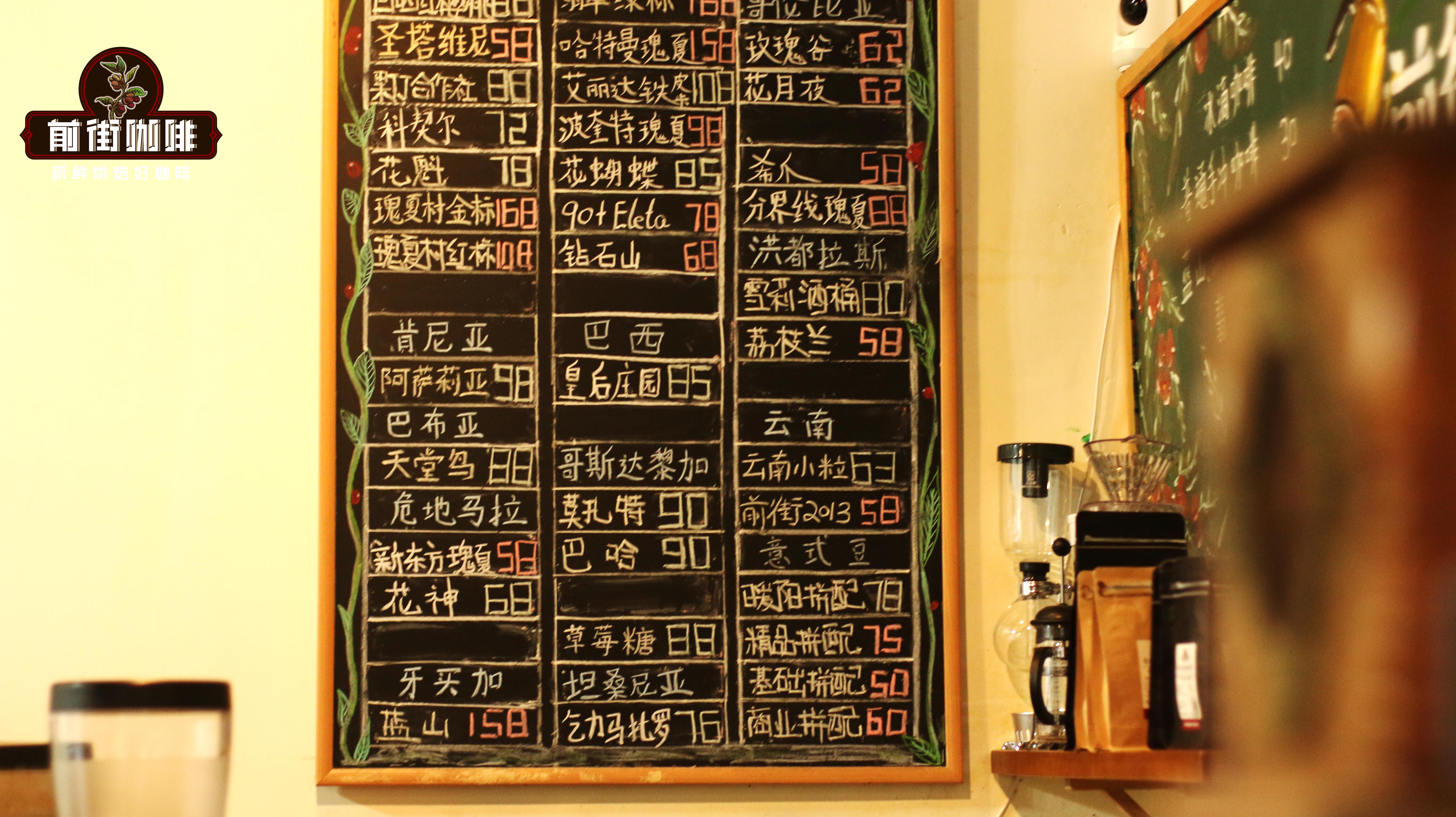
Yirgacheffe Coffee Bean Roast Level Buying Guide: Light, Medium, and Dark Roast Choices for Pour-Over and Espresso
Yirgacheffe is an extremely popular single-origin coffee, but the market is flooded with so many varieties that beginners can easily pick a dud if they choose carelessly. In fact, when selecting one, you can start with your brewing method and then factor in the roast level of the coffee beans. For atmospheric-pressure extraction methods such as pour-over, drip bags, and cold brew, lightly roasted or medium-light roasted Yirgacheffe is suitable; for pressurized extraction methods such as espresso machines and moka pots, medium-dark roasted beans are recommended. This article lists the corresponding Front Street Yirgacheffe products by three levels—light roast, medium-light roast, and medium-dark roast—along with the region, altitude, processing method, and flavor description, to help you quickly find the one that suits your taste and equipment. [more…]
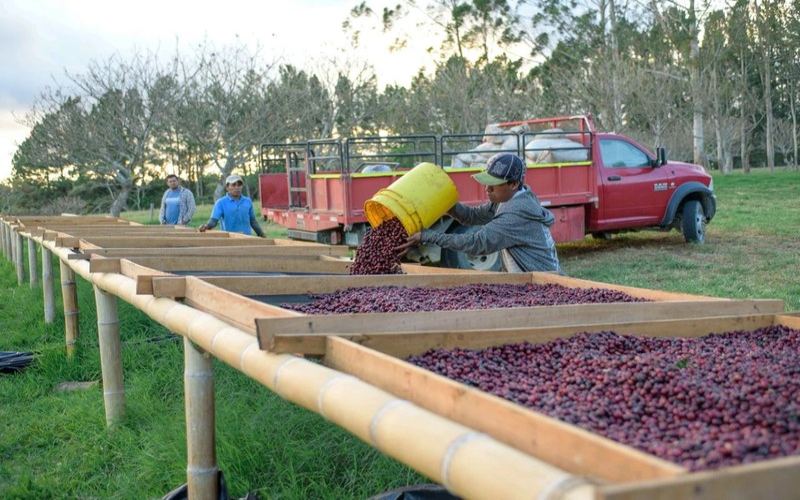
Recommendations for Light-to-Medium Roast Yirgacheffe Beans: Roast Level Determines How to Brew
Medium-light roasted Yirgacheffe is often prized for its floral, citrus, and berry aromas, but even when a coffee is labeled "medium-light roast," the brightness in the cup can still vary. Toward the lighter end, the aroma is more delicate and the acidity more lively; toward the medium side, sweetness, body, and smoothness gradually increase. When choosing beans, first see which end it falls on, then [more…]
Choosing Low-Acid, Sweet-Finish Coffee Beans by Roast Level: From Medium-Light to Dark Roast
If you want a cup of coffee where the acidity doesn't steal the show, there's sweetness on the palate, and aroma that lingers after you swallow, roast level is a very practical screening clue. It affects the brightness of the fruit acidity, the caramelized sweetness, and the body. Even among black coffees, a light-to-medium roast can be crisp and transparent, a medium roast is rounder, and a medium-dark or dark roast tends to show cocoa, [more…]

Recommendations for light-medium roast beans with floral and fruity notes | What are the differences between Ethiopian, Kenyan, and Panamanian floral and fruity notes? Are floral and fruity coffee beans better for pour-over or espresso?
Generally speaking, lightly roasted coffee can retain more acidity in its flavor profile. If the beans themselves also contain certain alcohols and lipids, roasting will further bring out a captivating floral and fruity aroma. However, as the roast deepens, both the acidity and the floral and fruity notes gradually fade away and transform into bitter compounds, making the coffee [more…]
How to Choose Between Medium and Dark Roast Espresso Beans? Exploring Roast Level Flavor Differences from Golden Mandheling to Yirgacheffe
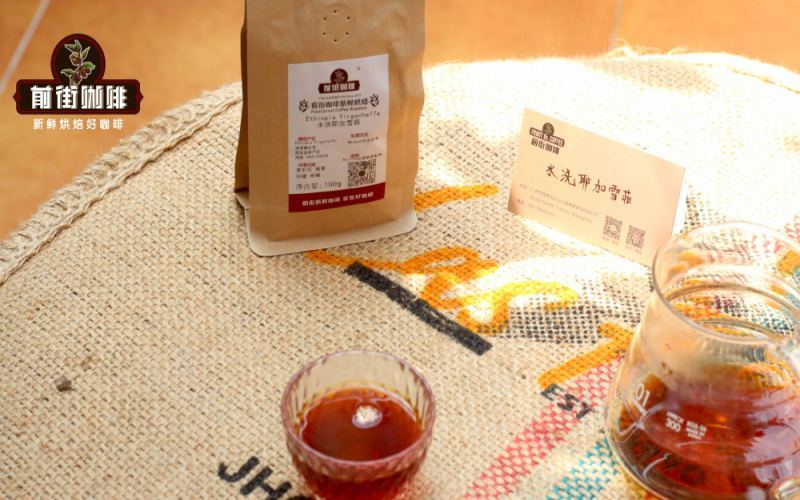
In the daily choices of espresso, the roast level often directly determines the flavor direction in the cup. Medium or medium-light roasted beans often carry floral and fruity aromas, while medium-dark or dark roasts present more of the sweetness of nuts, caramel, and spices. This article uses two representative coffee beans as examples to compare the flavor differences brought by different roast levels: Front Street PWN Golden Mandheling shows herbal, caramel, and rich spicy tones under a medium-dark roast, while Front Street Ethiopia Gotiti Washed Yirgacheffe releases the bright quality of jasmine, berries, and citric acidity under a medium-light roast. Whichever one you prefer, the key is to understand how roast level and origin processing method together shape the final expression of coffee. [more…]
How to Choose a Yirgacheffe SOE: Looking at Floral-Fruity Aromas and Body by Roast Level
When Yirgacheffe is made into an SOE, it usually brings the regional characteristics straight into the espresso cup: citrus, floral, berry, and tea-like notes may appear in concentrated form, or they may be rearranged by the roast level. Here, SOE refers to espresso beans from a single origin or single region. To find the version that suits you, you can start by looking at the roast level. [more…]
What Is Nordic Ultra-Light Roast Coffee? A Comprehensive Analysis of Front Street Medium-Light Roast and Japanese Dark Roast
Have you ever heard of "ultra-light roast coffee"? It originated in Northern Europe and uses high-temperature, fast roasting to pursue the bright acidity and floral and fruity aromas of coffee beans, and is often described as "like drinking tea or juice." Completely different from the rich, mellow aroma of Japanese-style dark roasting, Nordic light roasting emphasizes regional flavors and a light, clean mouthfeel. As a self-roasting brand, why doesn't Front Street Coffee launch ultra-light roast beans? This article will comprehensively analyze the definition, characteristics, and production challenges of ultra-light roast coffee from the perspectives of roasting rhythm, chemical reactions, extraction difficulties, and more, and compare the differences between Front Street's medium-light roast and Japanese-style dark roast, helping coffee lovers find the flavor direction that suits them. [more…]
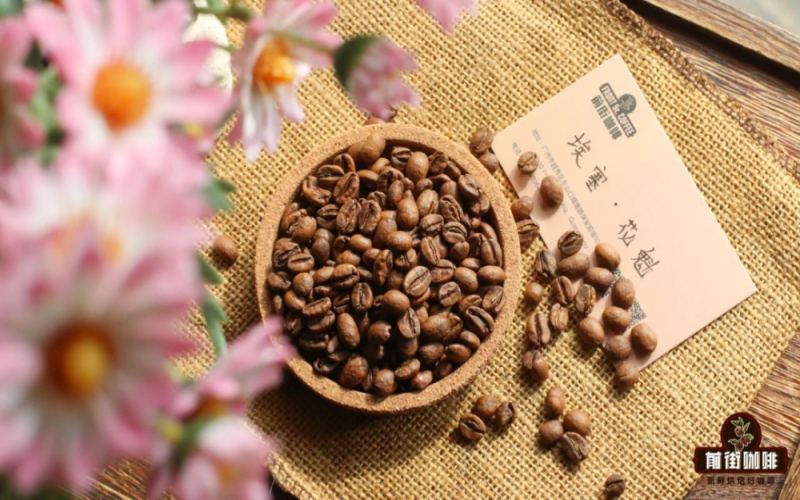
Ethiopia Guji Hambela Hualigui Coffee Flavor Analysis: A Complete Overview of Natural Processing and Light Roast Characteristics
Geisha coffee, under the name "King of Flowers," has captured the attention of countless coffee enthusiasts. This naturally processed bean from the Guji Hambela region of Ethiopia won the natural category championship at the 2017 TOH cupping competition, skyrocketing to fame ever since. High altitude, microclimate, and shading from sugarcane and banana trees give it a unique floral and fruity aroma. The natural process further enhances its berry-cream sweetness and smooth mouthfeel. To suit different brewing methods, Front Street Coffee roasters have also introduced two roast profiles—medium-light and medium—corresponding to pour-over, cold brew, espresso, and moka pot scenarios. This article will give you a comprehensive understanding of this champion bean's flavor origins, processing techniques, and purchasing advice. [more…]

How to Choose a Medium-Light Roast Yirgacheffe: Floral Notes, Fruit Acidity, and Brewing Tips
A light-to-medium roast Yirgacheffe typically places bright floral aromas, citrus acidity, and a light tea-like body at the center of the cup. It doesn't rely on the heavy bitterness brought by dark roasting to assert its presence; instead, it uses fresh aromas and delicate sweetness to create layers, making it suitable for drinking alone in the morning, for afternoon reading, and for those who want to start developing their palate with black coffee. [more…]
2026 Best-Selling Specialty Arabica Coffee Beans Ranking: Ten High-Value Pour-Over Beans Tested and Recommended
Faced with the dazzling array of coffee beans on the market, consumers often find it hard to judge which one truly suits their taste based on评分表 alone. Rather than repeated trial and error wasting your budget, it's better to refer to a market-tested list of popular options. This article compiles the 2026 hot-selling list of specialty Arabica coffee beans, covering ten beans with distinctive characteristics, from Ethiopia's Huakui and Yirgacheffe, to Indonesia's Mandheling, Colombia's Huila, and Yunnan small-batch and classic Italian blends, each one annotated with roast level, flavor description, and suitable brewing methods. Whether you prefer bright fruity acidity or full-bodied sweet aftertaste, you can find a cost-effective choice suitable for pour-over, cold brew, or espresso in this list. [more…]
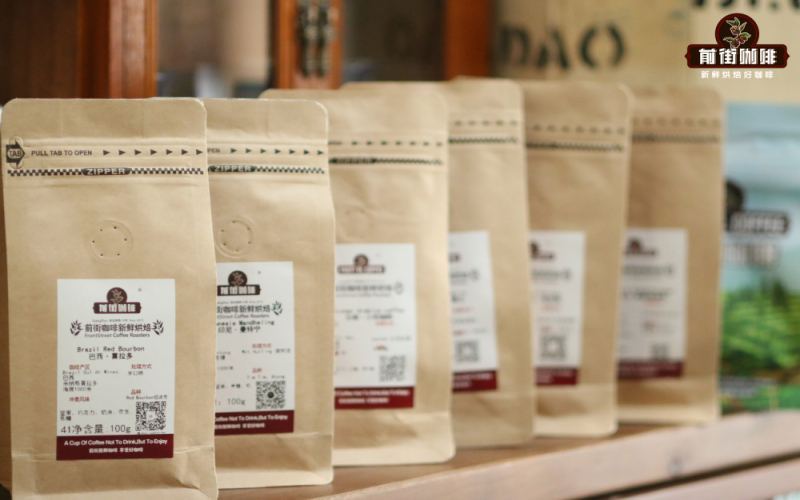
Coffee Bean Roast Level Selection Guide: From Light Roast to Espresso, Analyzing Flavor Differences and Brewing Recommendations
Faced with a dazzling array of coffee beans, have you ever found it hard to choose because you don't understand roast levels? Although Front Street Coffee's bean bag labels do not directly state the roast level, they cleverly hint at the answer through flavor descriptions. This article systematically sorts out the eight key stages from light roast to Italian roast, using Agtron color values, roast timing, and flavor characteristics to help you pinpoint the acidity, sweetness, and bitterness profile you enjoy. At the same time, Front Street also shares how to infer the roast level in reverse from flavor descriptions, and provides brewing parameters for medium-light and medium-dark roasts, so you can easily recreate a cup of coffee to your liking at home. [more…]
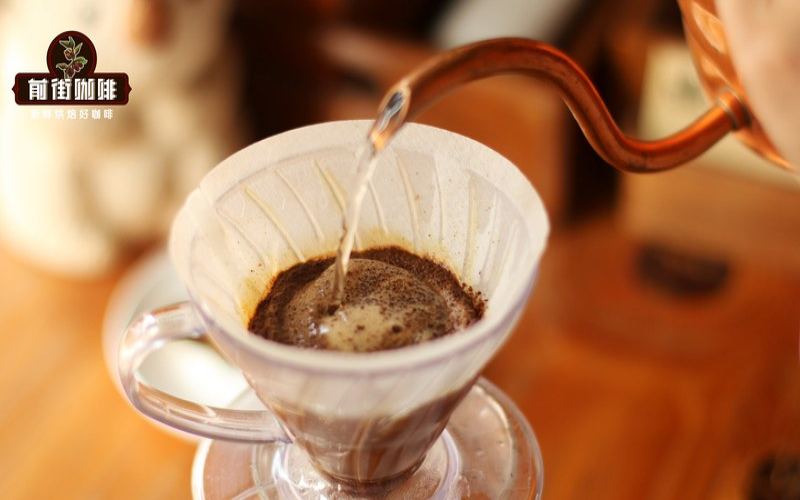
How to Choose SOE Espresso Beans by Roast Level
SOE is short for Single Origin Espresso, referring to espresso made from coffee beans of a single origin or estate. Its difference from common blends lies not merely in the origin label, but in how it brings the character of a particular region, variety, or processing method into a short, highly concentrated extraction. [more…]
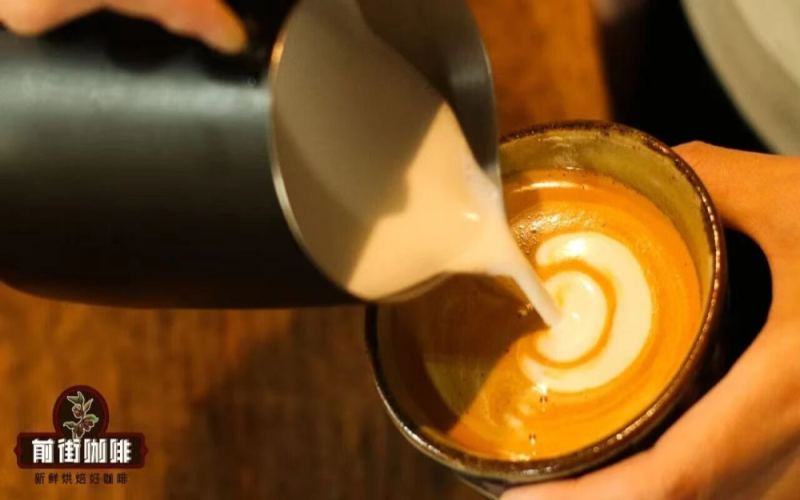
What are the milk ratios for lattes, cappuccinos, and flat whites? One article explains the differences in making three Italian milk coffees.
Latte, cappuccino, and flat white all belong to the family of Italian milk coffees, yet the three differ starkly in milk volume, foam thickness, and flavor direction. Drawing on Front Street's practical experience, this article breaks down the core characteristics of these three milk coffees one by one, and offers specific ratio plans for coffee beans of different roast levels. Whether it is a classic medium-dark roast blend or a medium-light roast Huakui, the coffee-to-milk ratio is adjusted accordingly—latte at roughly 1:4 to 1:5, cappuccino between 1:3.5 and 1:4, and flat white falling somewhere in between. In addition, the article introduces the alternative approach of using a Ristretto short extraction to make a flat white, along with its pros and cons, helping enthusiasts make milk coffee closer to the authentic flavor with the materials on hand. [more…]
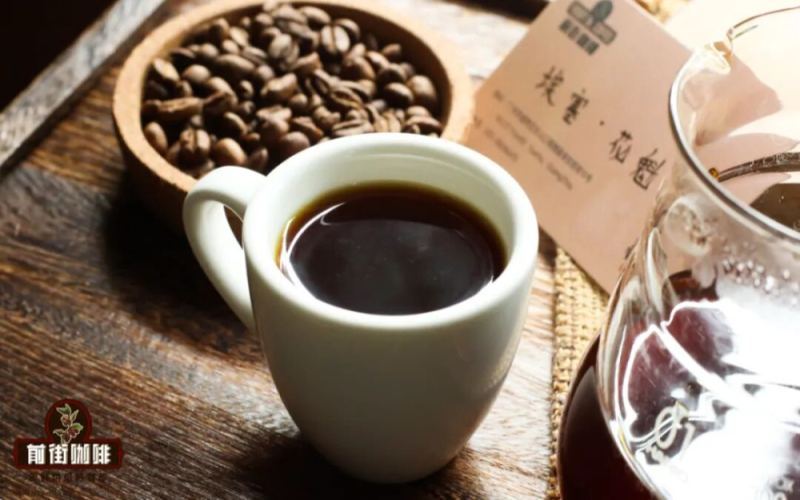
A Comprehensive Analysis of Ethiopian Natural G1 Huakui Coffee: A Brewing Guide from Pour-Over to Espresso SOE
Hawaii Coffee, with its distinct floral and fruity aroma and full juice-like body, enjoys great popularity in the specialty coffee circle. This naturally processed G1 bean from the Hambela region of Ethiopia is not only suitable for pour-over, cold brew, and other brewing methods, but can also be used for espresso SOE and moka pot extraction. Front Street Coffee has launched two Hawaii products for different methods, corresponding to two profiles—medium-light roast and medium roast—to meet diverse brewing needs. This article will walk you through the origin of the name Hawaii, its flavor characteristics, and provide a detailed breakdown of the standard parameters and operating steps for pour-over and espresso, helping you better bring out the layers and sweetness of this bean. [more…]