







Which Espresso Beans Suit Lattes and Americanos?
Espresso bean selection depends on the flavor you want in the cup, not on one correct bean. For a rich, low-acid base with thick crema for lattes and latte art, choose medium-dark or dark roast blends. For a bright, fruity, clean-tasting americano, choose medium-light roast single origins. Anaerobic-process beans sit between the two.
Stores field the same request often: recommend a bean for espresso. Any coffee can be brewed as espresso, but suitability follows your needs. Darker roasts lose acidity compounds as roasting continues, which is why they taste rounded and sweet. When an americano sour note appears, it usually traces back to a light roast or an under-extracted shot, so grind and ratio matter.
Faced with a dazzling array of coffee beans, how do you choose the one that's most suitable for making espresso? Actually, there's no single answer—the key lies in what kind of flavor profile you're hoping to achieve. Some people seek a rich, acid-free, crema-laden base for lattes; some prefer a bright, fruity, clean-tasting Americano style; and others want to balance both—distinctive yet well-rounded. This article, based on the actual needs of Front Street stores, systematically breaks down the characteristics and suitable applications of dark-roast blends, medium-light-roast single origins, and anaerobic-process beans according to different taste preferences, helping you quickly pinpoint the espresso bean that best fits your needs from Front Street's extensive bean list.
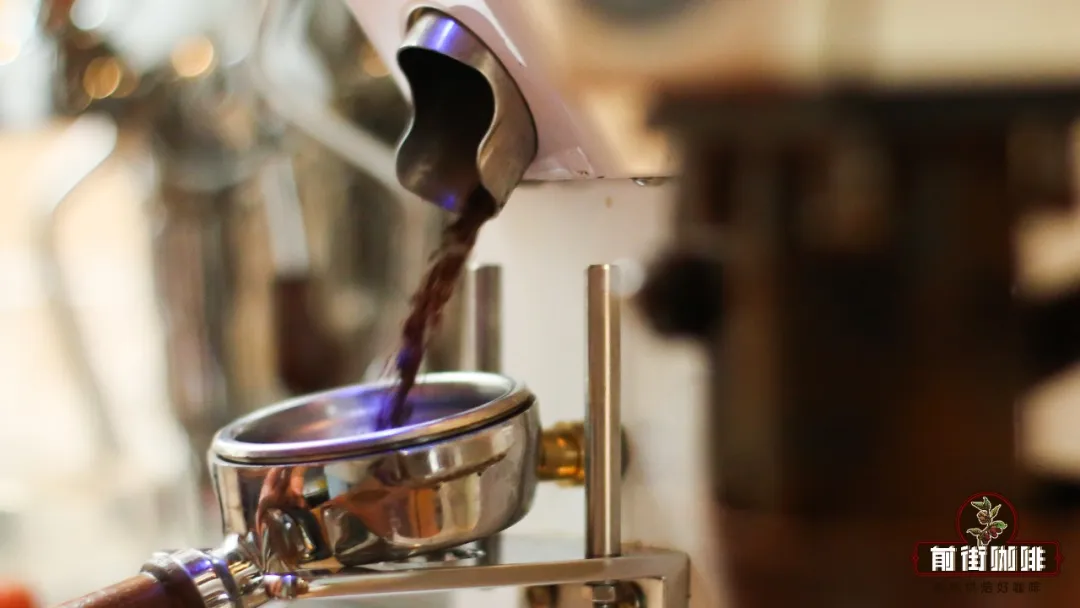
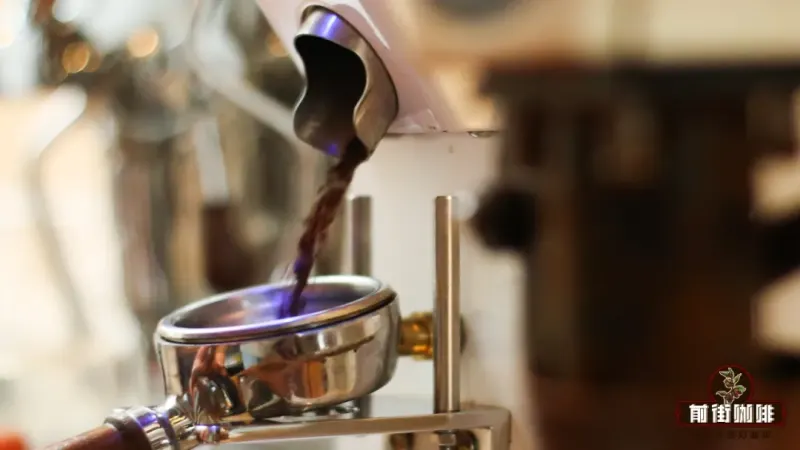
At Front Street stores, it's common to encounter customers coming in to pick out espresso beans. Whether they're coffee enthusiasts just starting out, friends preparing to open a shop, or even those who already own their own café, the request they voice is often strikingly consistent: "Could you recommend a bean that's best for espresso?"
As Front Street has mentioned many times in past coffee bean sharing sessions, any coffee bean can theoretically be used to make espresso, but when it comes to "most suitable," it depends on what your specific needs are. Because different beans extract coffees with distinct characteristics—some have lively, bright fruit acidity, some have rich, aromatic roasted notes, some are full-bodied and solid on the palate, and some produce exceptionally thick crema.
So the key question is: what kind of state do you want the coffee in your cup to present? No acidity? Or avoiding bitterness? A thick layer of crema? Or a full-bodied mouthfeel? Different needs naturally call for different matching beans. Next, Front Street will go through the beans best suited for espresso one by one, according to different taste preferences.
I. Espresso beans that are non-acidic, rich, and suitable for lattes and latte art
This is exactly what many friends expect from espresso beans—no sourness when drinking, a thick mouthfeel, and capable of handling latte-making and latte art. To find beans that meet these conditions, the approach is actually straightforward: choose medium-dark or dark roast coffee beans.
The reason is that the darker the roast, the more acidic compounds in the beans are broken down, the roasted aromas intensify, and the overall mouthfeel of the coffee becomes fuller. At the same time, dark-roasted beans release more carbon dioxide during extraction, which allows for a thicker layer of crema—very friendly for latte art.
Particularly worth mentioning are medium-dark roasted espresso blends. Compared to single-origin beans, blends often have the advantage in espresso-making because they are tailor-made for espresso—whether it's the bean combination serving as the base or the roasting curve set, everything is designed around the needs of espresso extraction.
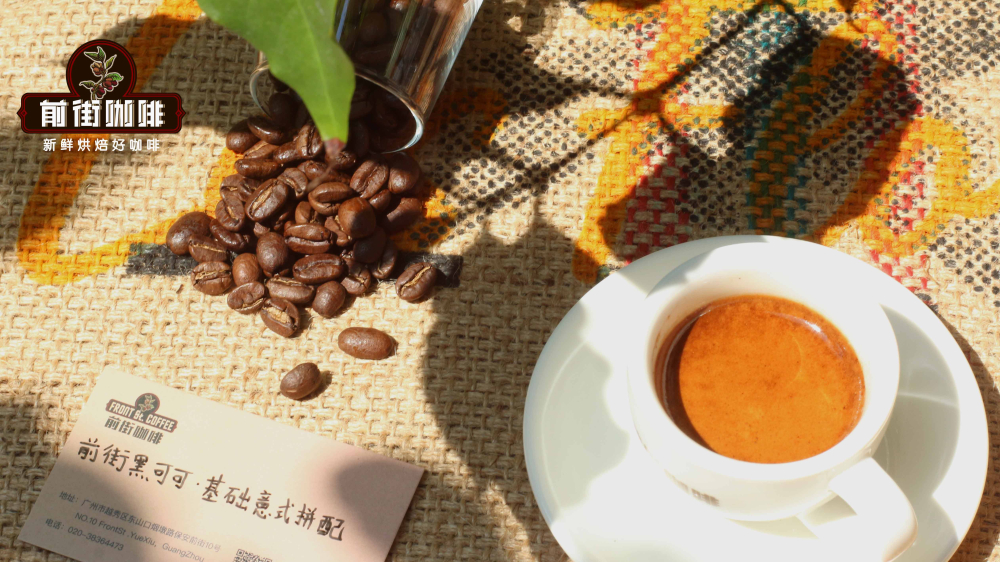
Beyond being "purpose-built," blends are usually more affordable and come in substantial quantities—their "big volume, satisfying" nature makes them an extremely cost-effective choice. So if what you want is that non-acidic, rich, crema-heavy coffee described above, medium-dark or dark roasted espresso blends are a very reliable direction. In Front Street Coffee's Tmall and Taobao flagship stores, there are multiple blends developed specifically for espresso to choose from.
For example, Front Street Classic Blend is just such an espresso blend that meets the requirements. It combines coffee beans from three origins—Indonesia, Brazil, and Vietnam—with a medium-dark roast level. The espresso extracted from these beans presents rich aromas of chocolate, hazelnut, and caramel, with thick crema, a full body, low acidity, and a long finish—very suitable for making lattes, latte art, and other espresso drinks.
Another espresso bean recommended by many baristas for moka pot use—Front Street Black Cocoa Blend—is made from a combination of Brazilian and Yunnan coffee beans, also medium-dark roasted. The espresso it extracts has a full body and soft taste, with clearly distinguishable notes of nuts, cream, and caramel. This bean is also very suitable for lattes, latte art, and espresso-making, and thanks to its outstanding cost-effectiveness, it has become the top choice for many friends opening shops.
II. Coffee beans that are sweet-sour, refreshing, distinctive in flavor, and suitable for Americanos
If you mainly make Americanos with your espresso and prefer a fruity, slightly acidic, clean-tasting direction, then medium or medium-light roasted coffee beans would be a more suitable choice.
The reason is simple: a lighter roast level preserves more of the acidic compounds in the coffee, and the coffee's own aromas won't be masked by an overly dark roast. Therefore, when making espresso with medium or medium-light roasted beans, it's easier to get an Americano that matches the flavor expectations described above.
However, note that making lattes or espresso with these beans is more challenging. Since more acidic compounds are retained, the resulting espresso and milk coffee can easily have a sharp, jarring acidity. If you want to make a balanced espresso or milk coffee without jarring acidity using these beans, you'll need to adjust extraction parameters to appropriately increase the extraction yield, letting enough sweetness and bitterness balance out the acidity—that's how you get a delicious espresso.
On Front Street's bean list, there are quite a few beans that fit this direction. For example, Front Street Natural Huakui—naturally processed, medium-light roasted—produces an Americano with rich aromatic layers, where the sweetness of strawberry, citrus, and guava interweaves with subtle floral notes.
Another example from Front Street's bean list is Front Street Yirgacheffe · Gutingting—washed processed, medium-light roasted—whose coffee carries elegant white floral notes, a fresh lemon aroma, and a clean green tea finish. The overall mouthfeel is light and smooth, with a long, full finish—quite an outstanding performance.
It's worth noting that the crema extracted from these light-roasted beans is usually on the thinner side, not as thick as that from dark-roasted beans. This is a normal phenomenon and has nothing to do with whether the beans are fresh or whether their quality is good or bad.
III. All-purpose coffee beans with distinctive flavor and balanced acidity and bitterness
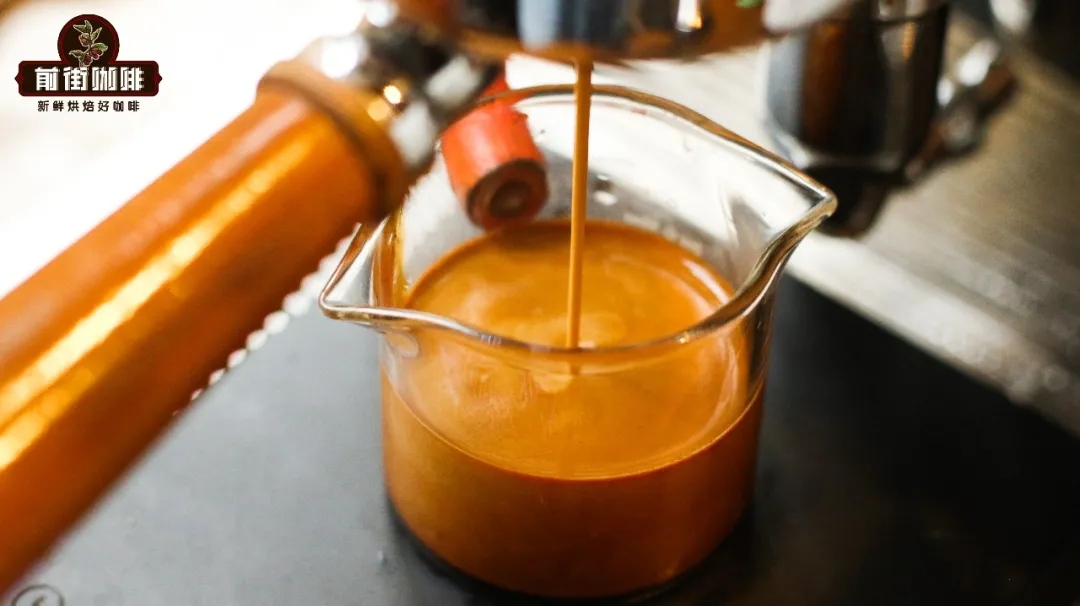
There's also a group of friends who want to taste something uniquely distinctive from their espresso, while also getting good results whether they make an Americano or a latte. There are plenty of beans that meet this requirement too—you can prioritize medium-light roasted coffee beans, with anaerobic-processed ones being the best.
Medium-light roasting can moderately preserve the coffee's acidity without retaining too much, and since the beans are fully developed during roasting, the finished product has higher sweetness, with neither acidity nor bitterness being too prominent. Meanwhile, anaerobic-processed beans have mostly undergone deeper fermentation and develop even richer aromas after roasting. Combining the two, making espresso with anaerobic-processed, medium-light roasted beans gives you both a rich and unique flavor and a taste that isn't too sour or too bitter—applicable to a wide range of scenarios.
On Front Street's bean list, there are also plenty of beans that meet this condition. For example, the frequently mentioned Front Street Xizhua—medium-light roasted, double anaerobic processed—produces coffee with rich notes of grape, apricot, passion fruit, and white floral, with a balanced taste, a solid full body, and a lasting finish. Whether made into an Americano or a latte, it's quite delicious.
Another example from Front Street's bean list is Front Street Strawberry Candy Espresso, which is also a blend developed specifically by Front Street Coffee for espresso. Unlike the previous blends, this Front Street Strawberry Candy · Espresso isn't roasted particularly dark—the purpose being precisely to highlight the unique flavors of strawberry gummy candy and white floral. The espresso made with it is not only distinctive in flavor but also full enough in body, and most importantly, it has high extraction fault tolerance—you can easily get a delicious espresso.
That's all for this Front Street sharing session. Ultimately, to pick the bean that's most suitable for espresso, you might first figure out your own taste needs, then look for coffee beans with the corresponding characteristics based on those needs. Filtered this way, the bean you finally find is very likely the espresso bean that suits you best.
The above content is compiled by CoffeeHunters, a coffee news website.


