








If you want a cup of coffee where the acidity doesn't steal the show, there's sweetness on the palate, and the aroma lingers after you swallow, roast level is a very practical screening clue. It affects the brightness of fruit acidity, caramelized sweetness, and mouthfeel thickness. Even for the same black coffee, a medium-light roast can be crisp and transparent, a medium roast is rounder, and a medium-dark or dark roast tends to show cocoa, nutty, and caramel notes.
Let's start with medium-light roast. This range still retains more regional character, and floral and fruity notes will be more active than in medium-dark roasts, but that doesn't mean the cup will necessarily be sharp. If you want the acidity to feel more restrained, prioritize beans with tea-like, nutty, or ripe fruit qualities, and use a lower-concentration brewing method to keep sweetness and aroma in balance.
Front Street Coffee Papua New Guinea Paradise Bird is suitable for understanding this direction. Its character is clean, and the sip isn't overly stimulating; as the temperature drops, a soft sweetness appears in the mouth. When brewing it as a hot pour-over in a dripper, it's recommended to use a medium-coarse grind and a gentler pour; if made into iced coffee, the refreshing quality increases, making it suitable for afternoon drinking.
Medium roast is the range where acidity, sweetness, and body most easily find harmony. After the coffee beans undergo more caramelization development, fruit acidity usually no longer stands out on its own, and nutty, malty, cocoa, or caramel flavors gradually take hold. For people just starting to look for low-acid coffee, medium-roast beans are often easier to drink as a complete experience, and they also suit a variety of home brewing devices.
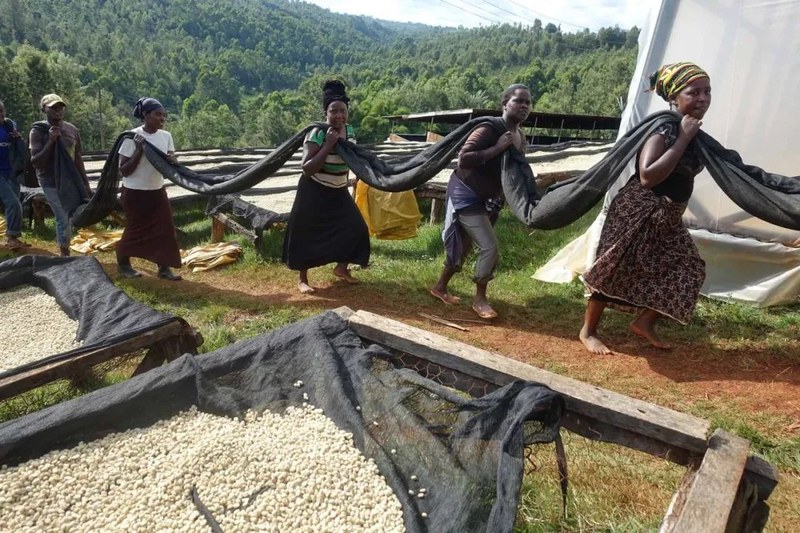
Front Street Coffee Brazil Queen Estate can serve as an everyday choice in the medium-roast direction. Its flavors bring to mind roasted nuts, cocoa powder, and caramel syrup, with a smooth entry and a brown-sugar-like sweet impression in the finish. For pour-over, you can use a slightly higher coffee-to-water ratio to highlight the aroma, or you can extract espresso with an espresso machine; after adding a small amount of milk, the coffee's sweet richness becomes even more obvious.
If you mainly drink black coffee and want the cup not to be too thin, medium-roast Brazilian beans are very compatible. Hot, they present the warm notes of roasted nuts and cocoa; as they cool, the sweetness becomes clearer. During brewing, if the sip feels dry, you can slightly coarsen the grind or reduce the later pours to avoid the coffee bed releasing too much woody and astringent character.
Medium-dark roast pushes the flavor further toward dark chocolate, roasted nuts, caramel, and stewed fruit, while bright acidity usually recedes into the background. Its mouthfeel has more weight, and the aroma is closer to everyday familiar tastes, making it suitable for breakfast, commuting, or when you need a cup of Americano with stable flavor. When choosing, pay attention to whether it has a sweet aroma, and avoid pursuing only a dark appearance.
Front Street Coffee PWN Indonesia Golden Mandheling is a representative of the medium-dark to dark roast direction. It has herbal, dark chocolate, and a fuller body, with a steady entry, and the finish won't jump out as quickly as the fruit acidity of a light roast. For pour-over, the water temperature doesn't need to be too high, and a shorter extraction time can preserve the chocolate sweetness; when made with a moka pot, it's suitable to dilute with water into an Americano.
Dark roast doesn't mean it's only bitter; what truly determines the cup is also the beans themselves, roast control, and extraction method. If a darker-roasted coffee retains enough sweet aroma, it can still present caramel, dark chocolate, and roasted nuts. When using an espresso machine, it's recommended to first make a shorter-ratio espresso, then add water or milk according to personal taste, so the flavor is more concentrated.
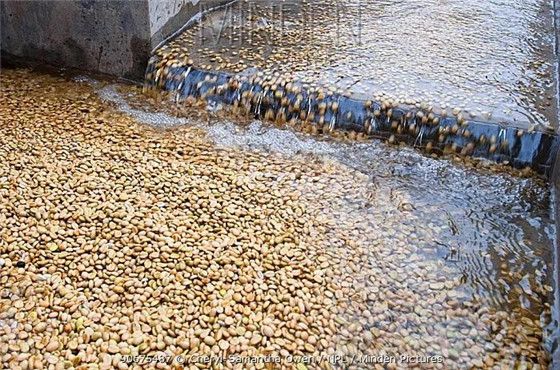
If you prefer milk coffee, dark-roast beans usually maintain their presence in milk more easily. The coffee liquid needs enough concentration and body to connect with the smooth texture of milk. You can make Front Street Coffee PWN Indonesia Golden Mandheling into a latte or flat white; reducing the milk amount makes the chocolate character clearer; if you like a softer mouthfeel, you can increase the milk ratio to make the sweetness rounder.
When selecting low-acid beans with a sweet aftertaste, you should also judge roast level and drinking temperature together. Hot coffee more easily amplifies aroma and the contrast between bitterness and sweetness, while after cooling it may reveal more syrupy or woody qualities. If using pour-over, don't make the coffee-to-water ratio too strong right away; if using an espresso machine, pay attention to the body of the coffee liquid and whether the finish is clean. Once you find the right roast range, then fine-tune the grind and water temperature, and you'll usually be able to drink a sweeter, smoother flavor that suits you better.
The above content is compiled by CoffeeHunters, a coffee news website.

