







Search Results for: Medium Roast Espresso Beans
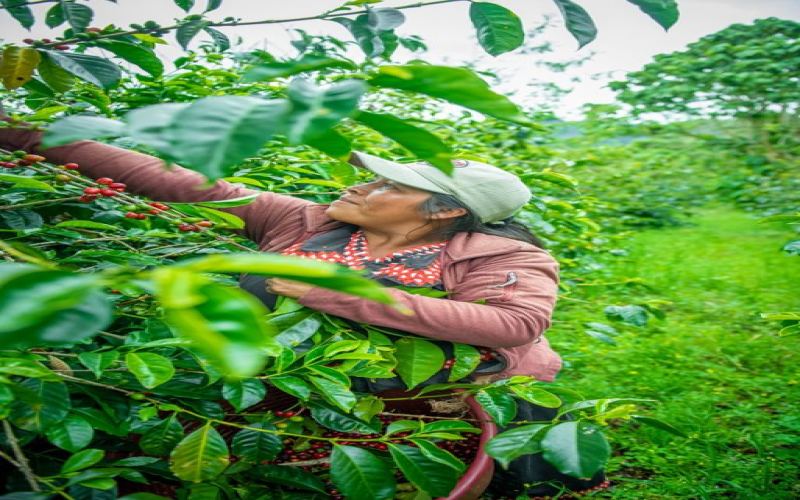
Light roast, medium roast, dark roast: how do espresso beans differ in the cup?
The roast level of espresso beans directly affects the aroma, sweetness, acidity, and mouthfeel of the espresso. Using the same espresso machine, light-roasted beans may present bright fruity notes, medium-roasted beans are more likely to deliver rounded sweetness, and dark-roasted beans bring cocoa, nutty, and roasted notes. First understand the three approaches, then combine them with the black coffee you usually drink. [more…]
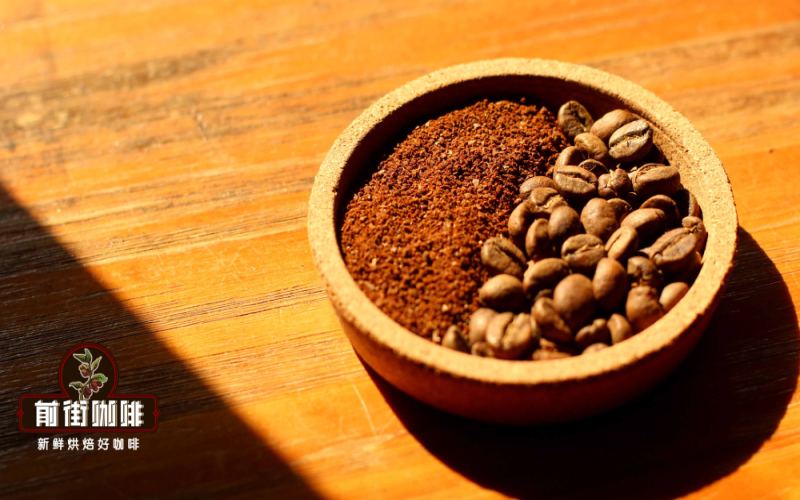
Espresso Medium Roast Bean Buying Guide: Acidity Differences Between Light and Medium Roasts and Front Street Coffee's Recommended Bean List
Coffee flavors are endlessly varied, but from a macro perspective, they boil down to three main directions: sour, bitter, and balanced sweet-and-sour, which correspond exactly to light, dark, and medium roasts. The degree of roasting largely determines the final flavor expression of coffee beans. If you want to make good espresso, choosing the right roast level is the first step. In this article, Front Street will systematically sort out the flavor characteristics and suitable uses of light, medium, medium-dark, and dark roasts, with a focus on medium-roast coffee beans suitable for making espresso, and will include a specific list of Front Street recommended beans to help coffee lovers quickly find the right choice according to their taste preferences. [more…]
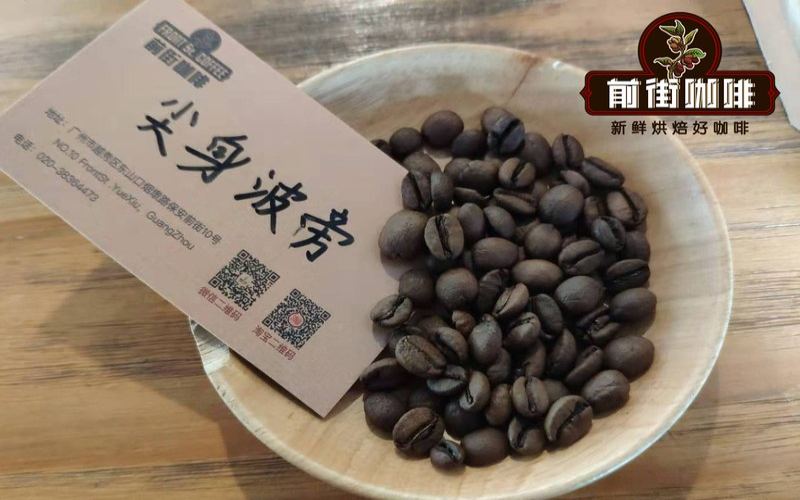
Medium Roast Is Not Just One: Choosing Roast Levels for Espresso Beans
Even when both are labeled "medium roast," coffee beans put into an espresso machine may present bright fruit notes, or lean more toward caramel, cocoa, and nuts. Roast level is not a simple label, but an important clue that determines the focus of aroma, the expression of sweetness, and the extraction response. To pick beans that suit your taste, you can first look at their position within the medium roast range. [more…]
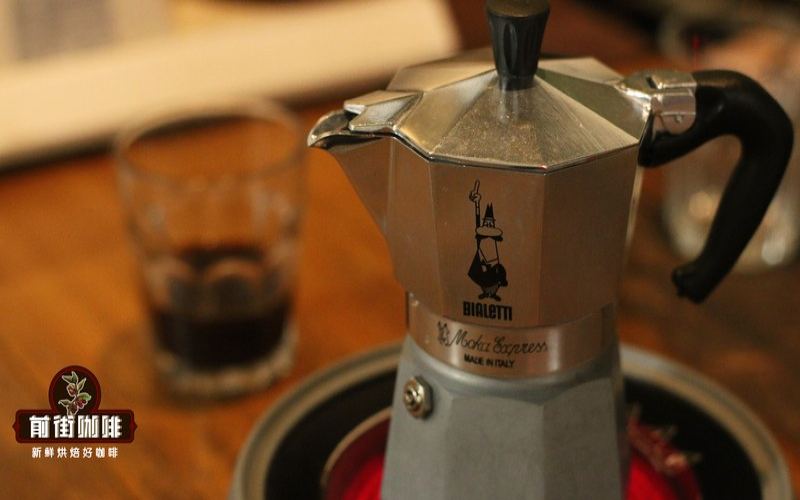
How to Choose Specialty Coffee Beans for Espresso? From Light to Dark Roast, Based on Flavor and Brewing Method
The flavor of an espresso is often set in its general direction by the roast level. Light roasts tend to preserve bright acidity and fruity notes, medium roasts place sweetness, aroma, and body in a more balanced position, while medium-dark and dark roasts gradually move toward nutty, cocoa, and roasted notes. When choosing beans for a home espresso machine, you can treat the roast level as [more…]
How to Choose Medium-Roast Beans for Espresso Machines: A Flavor Guide from Sweet-Tart to Rich and Mellow
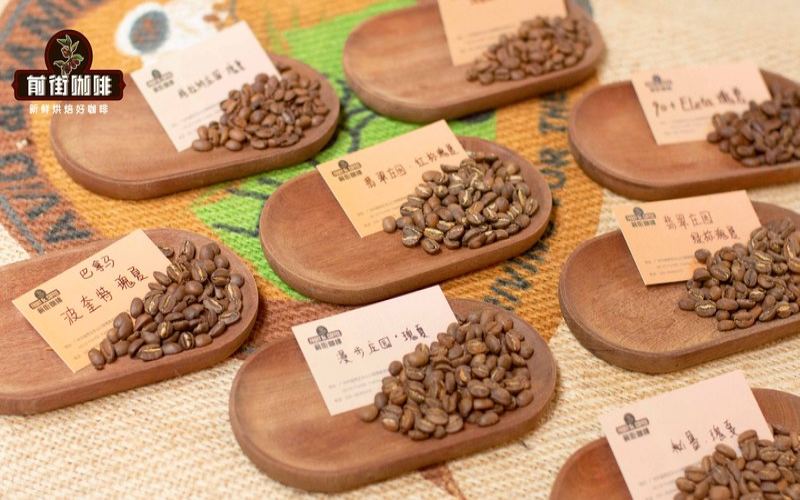
Medium-roast coffee beans put into an espresso machine usually achieve a good balance between aroma, sweetness, and mouthfeel. They retain a certain fruit acidity and regional character, while also having enough soluble solids to support the thickness of the espresso; made into an Americano, it won't be too thin, and after adding milk, it can still leave the taste of the coffee itself, making it suitable for home [more…]
Choosing the Roast Level for Espresso Beans: How to Drink Light, Medium, and Dark Roasts
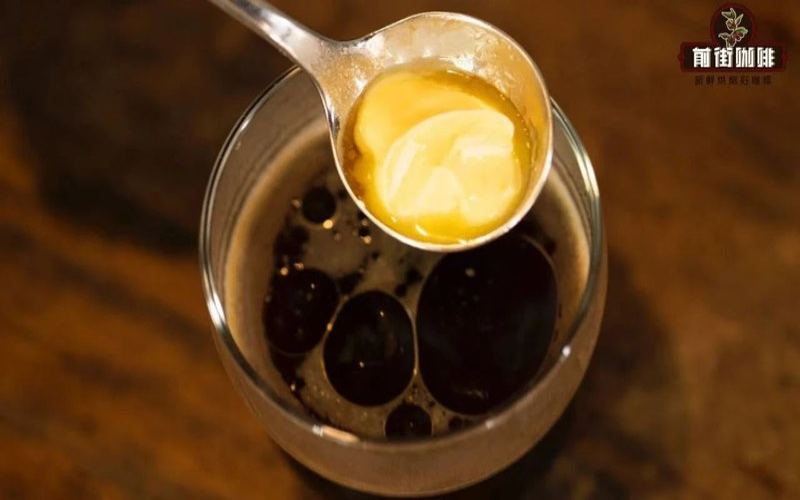
The roast level of espresso beans determines whether the espresso tastes more like fruit, caramel, or dark chocolate. It also affects the body of the coffee liquid, its sweetness, and how it blends with milk. When choosing, you can first look at whether the package says light, medium, or dark roast, then consider whether you usually drink espresso, Americano, or latte, and the range will [more…]
Should you choose a dark roast or light roast for espresso beans? Analyzing the roast level differences in espresso blends
Should espresso beans be dark roasted or light roasted? This is a question many friends who are preparing to open a coffee shop or have just been introduced to espresso often ask. This article draws on the practical daily experience of Front Street Coffee to answer core questions such as which beans are recommended for espresso, how medium and light roasts affect espresso extraction, and how coffee roast levels are defined. It introduces in detail the formulation approach and flavor performance of Front Street Coffee's Sunflower Warm Sun espresso blend, helping readers understand why espresso blends generally use medium or darker roasts, and the problems of thinness and sharp acidity that light-roasted beans may encounter when used for espresso, providing coffee lovers with a practical reference for choosing beans. [more…]
How to Choose SOE Espresso Beans? Weighing Regional Flavors Through Roast Level and Crema Performance
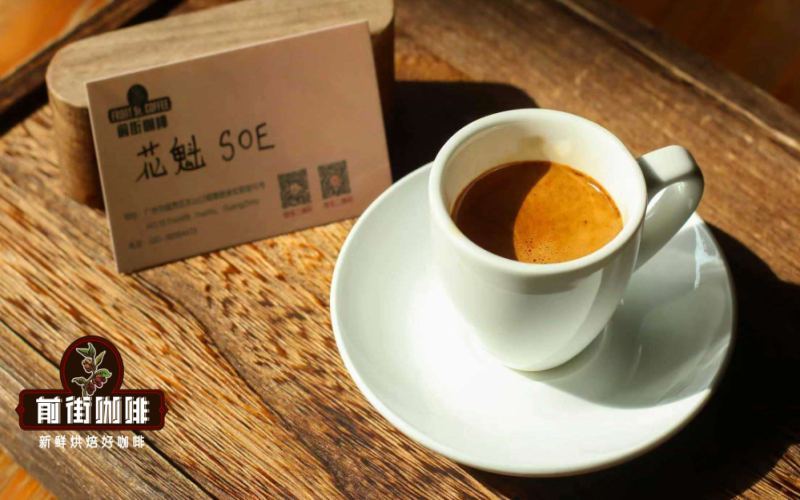
SOE is short for "Single Origin Espresso," referring to espresso made from a single-origin coffee. Its core idea is to amplify the distinctive flavors of a particular region through the espresso format. However, not all coffee beans are suitable for SOE—the roast level directly affects the richness of the crema and the flavor direction. This article compares three everyday beans: a light-roast Yirgacheffe, a medium-roast Brazil, and a dark-roast Mandheling, observing differences in crema performance under identical extraction parameters. This will help you understand why medium to medium-dark roasted beans are more recommended for everyday espresso making, and what kind of people light-roast SOE suits. We will also discuss the limitations of SOE and the value of blend options. [more…]
Espresso Bean Selection Guide: How to Match Dark Roast Blends and Light Roast Single Origins to Latte and Americano Needs
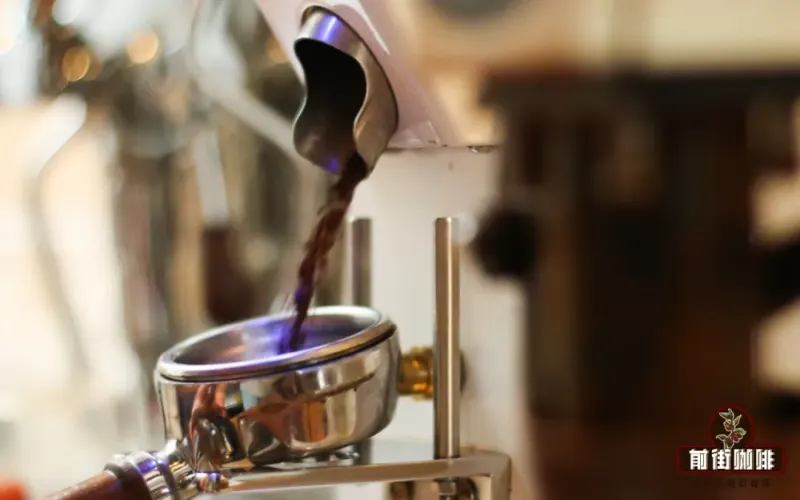
Faced with a dazzling array of coffee beans, how do you choose the one most suited for making espresso? The answer isn't unique—the key lies in what kind of flavor profile you're after. Some seek a rich, acid-free, full-bodied latte base; some prefer a bright, fruity, clean-tasting Americano style; and others want a balance of both—distinctive yet harmonious. Starting from the actual needs of Front Street's stores, this article systematically sorts through the characteristics and suitable scenarios of dark-roast blends, medium-light roast single origins, and anaerobic-process beans according to different taste preferences, helping you quickly pinpoint the espresso bean that best fits your needs from Front Street's extensive bean list. [more…]

Should you choose a dark roast or medium-dark roast for espresso beans? Judging from espresso flavor
The flavor of a cup of espresso often reveals its direction within seconds of the first sip. Whether you prefer nuts, cocoa, and caramel, or lean toward brighter acidity and fruity notes, this is closely tied to the roast level of the beans. For most home espresso machines, both medium-dark and dark roasts can be everyday choices—the difference lies in how they present their flavors. [more…]
Choosing SOE Beans by Roast Level: How to Drink Light, Medium, and Dark Roasts
SOE refers to single-origin coffee used for espresso extraction. The roast level of the beans directly affects the aroma, acidity, sweetness, body, and aftertaste of the shot. Light roast does not equal sour, medium roast is not just a compromise, and dark roast is not synonymous with bitter. With the same espresso machine, start by judging the texture you want in the cup based on roast direction, and your bean selection range will [more…]
How to Choose Everyday Espresso Beans: A Flavor Guide from Light to Dark Roast
For everyday espresso beans, you don't have to fixate on "strong" or "bitter." The roast level shapes the aroma profile, sweetness, and the body of the espresso, and it also determines whether the coffee can hold its own once water, ice, or milk is added. If you want your daily coffee to be easy to drink, you can start by looking at light, medium, medium-dark, and dark roasts. [more…]
Espresso beans: dark roast vs. medium-dark roast—the difference is hidden in the cup
Even when extracted with the same espresso machine, dark-roasted beans and medium-dark-roasted beans take coffee in two different directions. The former often carries notes of roast, cocoa, and nuts, with a thick, full body in the cup, making it suitable for producing an espresso with a clearly defined presence; the latter retains more of the beans' sweet aroma and acidity, so the espresso is more varied when drunk on its own, and even after milk is added, a clear flavor can still remain. [more…]
Choosing Espresso Beans by Roast Level: From Fruity to Cocoa Flavors
To make smooth espresso at home, you can start by looking at the roast level when choosing beans. It affects the aroma profile, body, and extraction speed of the coffee liquid, and also determines whether the beans can maintain a clear flavor when used in espresso, Americano, or latte. Whether you like bright fruity notes or prefer rich cocoa, you can usually find what you're looking for on the roast label. [more…]

How to Choose Between Espresso Blends and SOE: Judging Flavor and Brewing Method by Roast Level
When comparing espresso blends and SOEs side by side, you can't just look at the labels "blend" or "single origin"—the roast level often determines the character of the cup more quickly. Also used for espresso machines, a light roast tends toward bright fruit acidity, a medium roast emphasizes sweetness and balance, and a dark roast brings cocoa, nuts, and a fuller mouthfeel. [more…]
Making Espresso More Palatable: How to Judge the Roast Level of Espresso Beans
The roast level of espresso beans directly affects the acidity, sweetness, bitterness, aroma, and body of the shot. When faced with labels like light roast, medium roast, and dark roast, first think about the cup of coffee you usually drink: do you want bright fruity acidity and clear aroma, or do you prefer a cocoa-like richness and smoothness? Then decide on the roast direction for the beans. Light [more…]
Analysis of the Flavor Characteristics of Medium-Roast Espresso Beans, and Why Espresso Blends Are Chosen for Making Espresso
To make an espresso that balances acidity, sweetness, and bitterness with a full-bodied mouthfeel, choosing the right beans is a key step. Single-origin coffee beans, while excelling in pour-over brewing, often struggle to meet espresso's demand for complexity, so blended beans become the top choice for most roasters. This article will start with the definition and characteristics of Italian-style blended beans, analyze the differences between the two processes of raw blending and roasted blending, and combine several classic blend products from Front Street Coffee to help you understand the taste characteristics of medium-roast Italian-style beans, and why Italian-style blended coffee beans should be chosen for making espresso. [more…]
Coffee Machine Bean Selection Guide: From Light to Dark Roast, Find Your Perfect Taste
Espresso machines brew quickly and at high pressure, so the roast level of the coffee beans directly affects the acidity, sweetness, aroma, and body on the palate. If you enjoy bright fruity notes, start with a light or light-to-medium roast; if you prefer nutty, cocoa, and smooth flavors, a medium to medium-dark roast is easier to get used to; and if you often drink lattes or cappuccinos, you can focus your attention [more…]
Home Espresso Coffee Bean Buying Guide | Can Light Roast Coffee Be Used for Espresso? Recommended Medium-Dark Roast Espresso Beans for Beginners That Extract Consistently
There are many kinds of coffee brewing—machine-brewed, pour-over, AeroPress, and more. Even with the same coffee beans, each brewing method can bring out a different flavor and mouthfeel, giving each drink its own distinctive character. That said, because each device has different brewing conditions, the choice of coffee beans also [more…]

From Medium-Dark to Dark Roast: How to Choose Low-Acid Moka Pot Espresso Beans
Low-acid dark roast coffee beans do not have just one flavor; the roast color, development level, and post-roast resting state all influence how the coffee performs in the cup. If you want to make coffee with soft acidity and a full body using a moka pot or espresso machine, you can first look at the roast level, then decide whether you prefer cocoa, nutty, herbal, or balanced notes. [more…]