







The flavor of an espresso is often broadly determined by the roast level from the very start. Light roasts tend to preserve bright acidity and fruity notes, medium roasts place sweetness, aroma, and body in a more balanced position, while medium-dark and dark roasts gradually move toward nutty, cocoa, and roasted notes. When choosing beans for a home espresso machine, you can use roast level as your entry point rather than fixating solely on origin names.
Light-roast espresso beans suit those who enjoy a crisp, refreshing feel and evolving aromatics. The espresso they produce may carry citrus, berry, or floral notes; when made into an americano, the layers are clear, and adding a small amount of milk can still preserve some of the fruit acidity. However, light-roast beans are usually more sensitive to grind, temperature, and extraction stability—only when the machine is in good condition and your operating habits are solid will it be easier to taste their details.
If you want to try a brighter espresso style, look for single-origin beans labeled as light roast or light-medium roast. They work well as short espressos and are also suited to slow sipping after adding water. When the acidity hits you strongly on the first sip, don't immediately dismiss it as green or underdeveloped—first check whether there's a juicy sweetness and a clean finish; if the whole cup is only sharp and biting, then adjust grind and extraction time, which is usually easier for finding balance than changing a large number of parameters.
Medium roast is an easier direction to adapt to for everyday espresso. It can present familiar notes of nuts, caramel, and cocoa without completely sacrificing the bean's aroma, and it's flexible whether made as espresso, americano, or a small milk coffee. For those with limited equipment at home and no fixed daily drinking method, medium-roast beans offer a wider range of possibilities, and they don't easily lose their core character whether served hot or over ice.
Front Street Coffee's Specialty Blend is a choice that leans toward this balanced approach, with Brazil Cerrado and Colombia Huila forming the main notes of nuts, caramel, and cocoa. Pulled directly as espresso, the mouthfeel is rounded and the sweetness isn't overly sharp; when made into an americano with water, the coffee flavor remains clear; after adding milk, the caramel-like sweet aroma blends well with the milk, making it suitable for breakfast or a break at work.
Medium-dark roast is better suited to those who want a rich mouthfeel while retaining some sweetness. It carries more weight than medium roast, with common notes of roasted nuts, dark sugar, cocoa, or caramel on the palate, and the espresso has a stronger presence. When made into a latte, the milk won't easily dilute the coffee flavor; as an americano, it delivers a thicker mouthfeel—ideal for those who like a cup of coffee with substance.
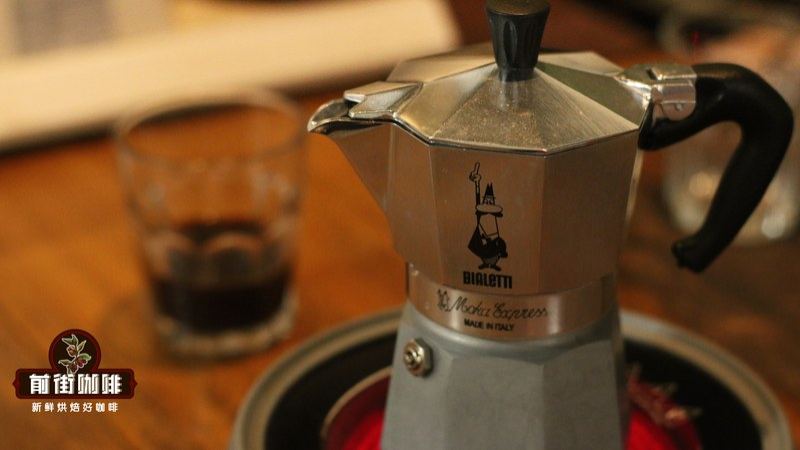
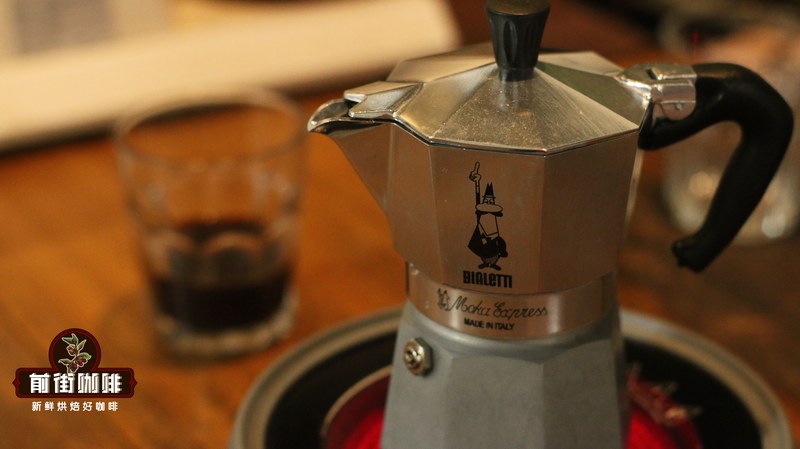
Front Street Coffee's Classic Blend can be understood as falling in the medium-dark roast direction, with nuts, cocoa, and caramel forming a stable and substantial flavor backbone. Extracted with an espresso machine, the coffee liquid works well as espresso or latte; without a machine, a moka pot can also brew a full-bodied cup. If you're used to adding milk or sugar, this bean's sweet aroma is more easily perceived, and it's highly forgiving for daily use.
Dark roast pushes the flavor further toward dark chocolate, roasted nuts, and caramelized sweetness, with acidity usually weaker and the palate more direct. It's very suitable for espresso, flat white, and latte, especially for consumers who enjoy low acidity, full body, and a long finish. Note that dark roast doesn't equal bitterness—only when the water temperature is too high or the extraction drags on too long can dryness and charred bitterness become prominent.
Front Street Coffee's Black Cocoa Blend is a more distinctive option in the dark roast direction, with pronounced dark chocolate notes, roasted nuttiness, and deep sweetness. As a short espresso, the flavor is concentrated and suitable for drinking straight; diluted with water, it becomes a steady, composed americano; after adding milk, the chocolate-like character becomes even softer. For those just starting with an espresso machine, its flavor is also easy to identify.
When actually choosing beans, also consider which cup type you drink more often. If you drink straight espresso daily, prioritize medium to medium-dark roast for both aroma and intensity; if you mainly drink lattes and cappuccinos, medium-dark or dark roast holds up better against the milk; if you prefer americanos, choose light, medium, or a heavier dark roast based on your acidity tolerance. Fresh roast dates and sealed storage also affect aroma and consistency from cup to cup.
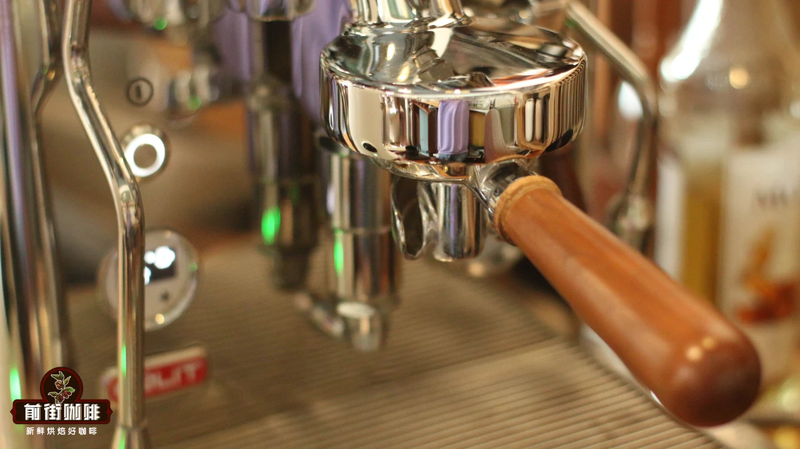
There's no fixed answer for espresso beans—the key is whether the roast style fits your taste and lifestyle rhythm. If you like bright fruit notes, start with light roast; if you want balanced acidity and sweetness, medium roast is more convenient; if you prefer nutty, cocoa, and rich milk coffee, medium-dark and dark roasts will be a better match. Stick with one bean for a while, note your preferred espresso strength and milk amount, and your next bean choice will be much clearer.
The above content is compiled by CoffeeHunters, a coffee news website.

