







The roast level of espresso beans directly affects the aroma, sweetness, acidity, and mouthfeel of the shot. Using the same espresso machine, light-roasted beans may present bright fruit notes, medium-roasted beans are more likely to deliver rounded sweetness, and dark-roasted beans bring cocoa, nutty, and roasted notes. Understanding these three paths first, then considering whether you usually drink black coffee or milk coffee, will give you clearer direction when choosing beans.
Light-roasted beans retain more distinct regional character, and the espresso may show citrus, berry, floral, or tea-like notes, with a bright entry and changing layers as the temperature drops. They are more sensitive to grind, temperature, and distribution condition, so the espresso machine needs good stability. If you enjoy fruity Americanos, short espressos, or are willing to slowly appreciate flavor changes, you can start trying light-roasted espresso beans.
Medium-roasted beans sit between aroma and body, usually offering clear sweetness while also retaining some regional characteristics. When extracted with an espresso machine, caramel, nutty, cocoa, and ripe fruit notes tend to appear in the cup, the acidity is not overly prominent, and the mouthfeel is smoother. For people who drink both espresso and latte daily, the medium-roast path has broad usability and is relatively forgiving to adjust.
The flavor focus of dark-roasted beans shifts toward dark chocolate, roasted nuts, caramel, and woody tones, with acidity becoming less noticeable and the entry feeling more grounded. The espresso they produce often has obvious weight, and the coffee flavor can still remain after adding milk. If you prefer a thick, low-acid cup with roasted aroma, you can look at medium-dark to dark-roasted beans and use a shorter extraction approach to bring out sweetness.
Front Street Classic Blend is a medium-dark roast direction suitable for everyday espresso use, with roasted nut and cocoa notes on the entry, followed by a caramel-like sweetness. Its espresso has some body and does not seem thin when made into an Americano, while after adding milk it can still form a clear contrast with the milk's sweetness. For anyone who wants a bean that is convenient for breakfast and commuting, this style fits easily into daily life.
Front Street Specialty Blend is based on a flavor combination of Brazil Cerrado and Colombia Huila, presenting an overall sense of nuts, caramel, and cocoa connecting with one another. Compared with dark-roasted beans that simply emphasize roasted notes, its aroma has more layers, sweetness can be tasted in black coffee, and it also has enough support in milk coffee. If you want to switch back and forth between espresso and latte, you can use it as a reference for the medium-roast path.
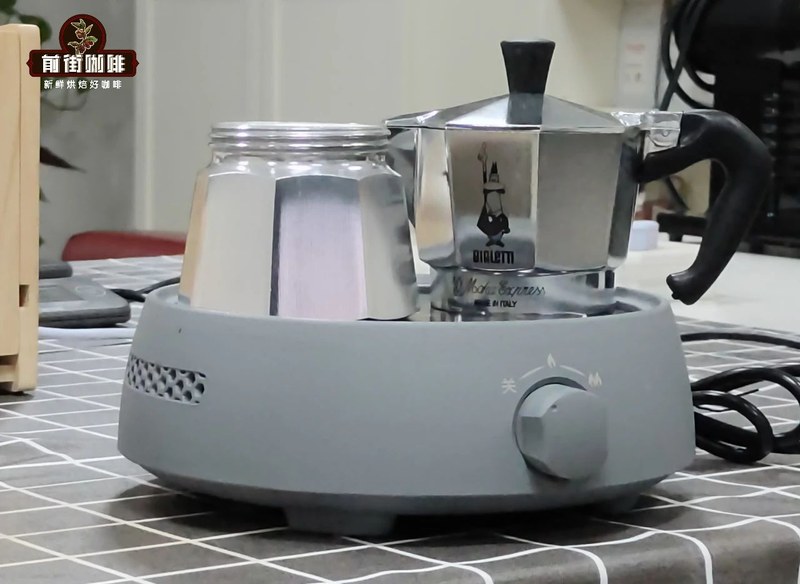
Front Street PWN Indonesia Golden Mandheling leans closer to the dark-roast side, with herbal notes, dark chocolate character, and a thick mouthfeel standing out, while overall acidity is restrained. When made into a short espresso with an espresso machine, the cup feels grounded; when made into an Americano, the aroma opens up; and when using a moka pot, it retains a fuller texture. If you like mature, intense flavors, you can establish a dark-roast reference from this type of bean.
Roast level also needs to match the drink ratio. Light-roasted beans are suitable for pure espresso when using a smaller beverage volume to preserve aroma, and can also be diluted into a refreshing Americano; medium-roasted beans can be drunk on their own and are also suitable with a small amount of milk; dark-roasted beans are better suited to lattes, flat whites, and other drinks with more milk. The more obvious the bean's body, the better it can support the milk flavor.
When first getting into espresso extraction, you can start with medium or medium-dark roasted beans so that grind adjustment and flavor judgment have clearer references. If the espresso tastes sharp on entry, check whether the extraction is too short; if there is obvious dry bitterness in the finish, reduce over-extraction. Light-roasted beans require more patience, while dark-roasted beans need attention to high temperature and overly long extraction causing burnt bitterness; the operating directions are not the same.
When buying beans, pay attention to the roast date, recommended equipment, and flavor description on the package, then judge whether they match your espresso machine at home. Roast level is not a standard of good or bad, but a clue that determines the direction of the cup: light roast leans toward aroma and liveliness, medium roast toward sweetness and balance, and dark roast toward intensity and body. After choosing a path and drinking it several times in a row, you will gradually find the espresso beans that truly suit you.
The above content is compiled by CoffeeHunters, a coffee news website.

