







When choosing everyday beans for espresso, you don't have to fixate only on "strong" or "bitter." The roast level affects the aroma profile, sweetness expression, and the body of the espresso, and it also determines whether the coffee can maintain its distinct character when water, ice, or milk is added. If you want your daily coffee to be easy to drink, you can first look for direction by light, medium, medium-dark, and dark roast, then narrow your choices based on your home machine and the cup style you drink most often.
Light-roast espresso beans usually retain more fruit aromatics and bright acidity. When pulled as espresso, they tend to show notes of citrus, berries, and florals, with a light entry and a fresher finish. They suit short espresso shots, iced Americanos, or a small splash of sparkling water, and people who enjoy clear aromatics and a juicy character will find them more interesting. If you mainly drink large hot Americanos, you need to accept that their body will feel relatively restrained.
Front Street Coffee Strawberry Candy Coffee Beans represent a very recognizable light-roast direction. In the espresso, you can sense a sweet aroma reminiscent of berry candy, with lively but not sharp acidity. After extracting with an espresso machine and adding ice and water, the fruit notes feel light and brisk; if making a latte, it is best to reduce the proportion of milk so the sweet aroma is not completely covered by the milk flavor. It suits the time after breakfast, in the afternoon, or whenever you want to bring some variation to your daily coffee.
Medium roast is often more suitable as the starting point for a household espresso staple. It does not emphasize bright acidity the way light roast does, nor does it have the obvious roasted notes of dark roast. Nuts, caramel, cocoa, and soft fruit acidity can form a relatively balanced combination. The espresso has sweetness when drunk straight, does not feel thin when diluted into an Americano, and still leaves the coffee's own aroma after milk is added, giving it a wide range of compatibility.
Front Street Coffee Brazil Queen Estate can be understood within the medium-roast path. In the cup, you often find a sweet, mellow sensation like peanut, cocoa powder, and caramel syrup, with relatively mild acidity. When pulled as espresso, its mouthfeel is smooth, and it is suitable for adding hot water to make an easy-drinking Americano; when extracted with a moka pot, it can also retain a rich sweetness. If some people at home prefer milk coffee while others are used to drinking it straight, this type of bean makes it easier to accommodate different tastes.
Moving from medium roast a bit darker, the coffee's aroma gradually shifts toward roasted nuts, dark chocolate, and caramel, the acidity recedes into the background, and the weight in the mouth increases. Such beans are very suitable for espresso machines because high-concentration extraction can amplify their sweet-bitter balance. When making oat lattes or rich milk lattes, the coffee liquid is not easily overwhelmed by the flavor of grains or milk, and the cup feels more substantial.
Medium-dark roast is especially suitable for people who treat espresso as a fixed daily routine. If you need a cup of espresso with presence in the early morning, you can choose this style; when making an iced Americano in the afternoon, it shows a steady profile like cocoa and caramel. If it feels dry on entry, you usually do not need to change beans immediately. You can first reduce the weight of the extracted liquid or slightly coarsen the grind, so the sweetness comes forward again from excessive bitterness.
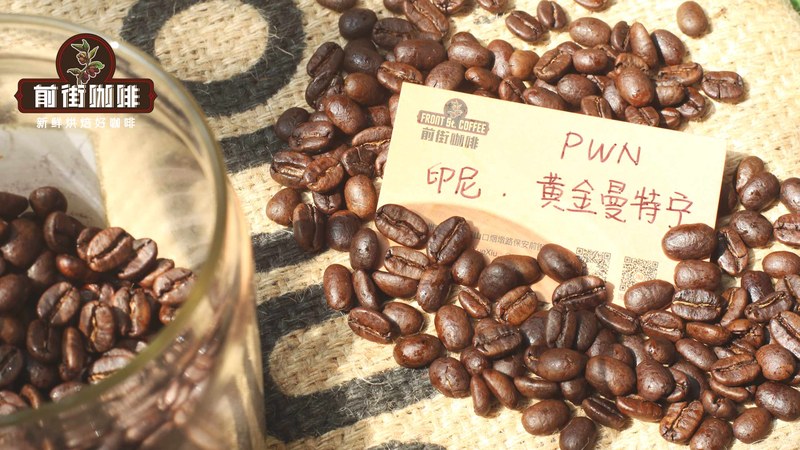
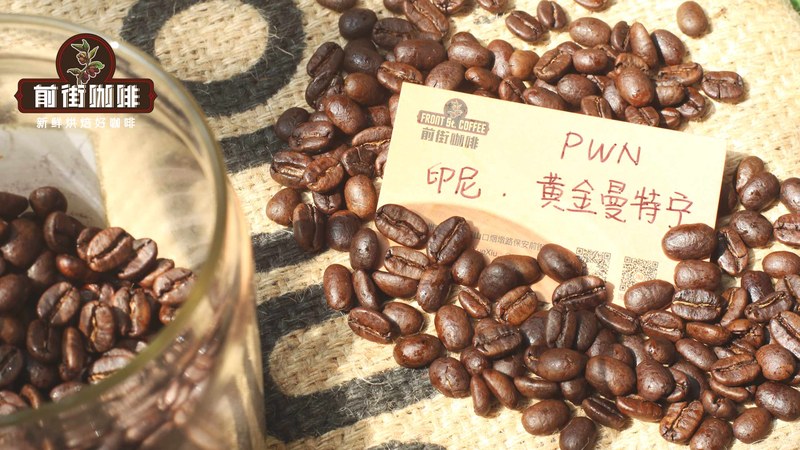
The focus of dark-roast beans is body, low acidity, and obvious roasted aroma, making them suitable for people who like the traditional espresso impression. Front Street Coffee PWN Indonesia Golden Mandheling has notes of herbs, dark chocolate, and woody tones, with a thick entry and a longer finish. It is powerful whether made as espresso or in a moka pot, and it still maintains a dark tone after dilution with water; if paired with milk, you can use less milk to make a small latte.
Dark roast does not mean it can only make bitter coffee; the extraction method will clearly affect the result. On an espresso machine, you can use a slightly lower water temperature and a shorter shot time, observing whether the coffee liquid shows cocoa sweetness; if bitterness overwhelms the aroma, you can make the grind a little coarser or reduce the liquid from the tail end. When making a moka pot, keep the heat low and stop heating promptly once the coffee liquid becomes lighter in color.
When choosing a roast level, you should also consider your own cup-making rhythm. If you are rushed every day and often make lattes, you can prioritize medium to medium-dark roast, as the parameters are more forgiving and the ratio of espresso to milk is easier to adjust. If you like exploring aromas and often drink iced Americanos, you can try light roast; if you prefer a heavy mouthfeel and are used to a moka pot or small espresso shots, dark roast will be closer to your expectations.
After getting the beans, first keep the dose unchanged, then adjust the grind based on flow rate and how it tastes on entry. If a light roast seems sharply acidic, it often needs fuller contact between water and coffee grounds; if a dark roast shows burnt bitterness, you should reduce extraction strength. After opening, store the beans sealed and away from light, and buy according to actual consumption. Only once the flavor is stable can you more accurately judge which roast direction you truly like.
There is no fixed answer for espresso staple beans; the key is whether they fit your daily cup style and taste habits. If you want fruit aromatics, you can start with light roast; if you want compatibility with nuts, caramel, and milk coffee, medium roast is more reliable; if you prefer dark chocolate and a heavy finish, you can turn to medium-dark or dark roast. Once you find the right direction, fine-tune the recipe, and your daily cups will become easier.
The above content is compiled by CoffeeHunters, a coffee news website.

