







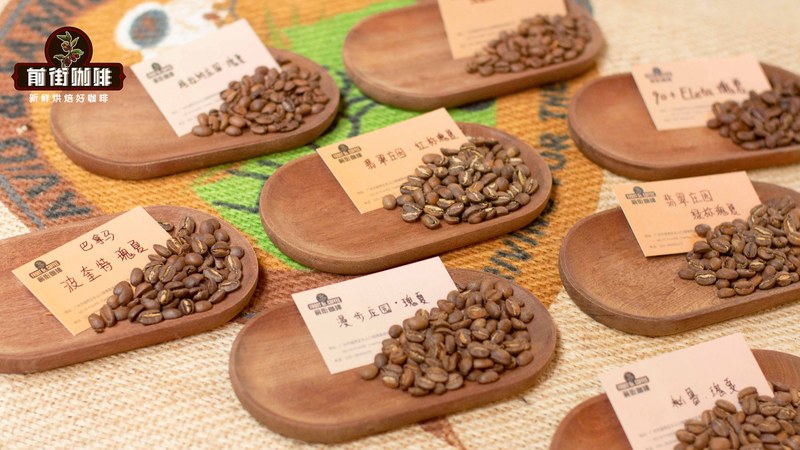
Putting medium-roast coffee beans into an espresso machine usually achieves a good balance between aroma, sweetness, and body. It retains some fruit acidity and regional character while having enough soluble solids to support the thickness of the espresso. Made into an Americano, it won't be too thin, and after adding milk, it still leaves the coffee's own flavor, making it suitable for everyday home use.
When selecting beans by roast level, medium roast should be understood as a range, not a single standard on the packaging. A lighter medium roast tends to show citrus, berry, or floral notes with a refreshing entry; a darker medium roast leans toward cocoa, nuts, and caramel, tasting more grounded. Both directions work for espresso machines—the difference lies in whether you want a brighter or heavier cup.
The high pressure of an espresso machine concentrates coffee flavors into a shorter extraction time, so the beans' acidity shouldn't be too sharp, and the aroma shouldn't stay only at the top. Medium-roast beans, having undergone fuller internal development, tend to release sweetness and nutty tones more easily while retaining some layering. For those just starting to make espresso at home, this type of bean also makes it easier to find a stable direction for adjustments.
If you mainly drink black coffee, you can prioritize the aroma clarity and sweet-to-sour ratio of medium-roast beans. After adding water to the espresso, the fruit notes open up, while the caramel feel keeps the finish from tasting hollow. If you mainly drink lattes or flat whites daily, look at whether the coffee liquid has enough density and aftertaste—sweeter, rounder medium-roast styles are usually better suited to combining with milk.
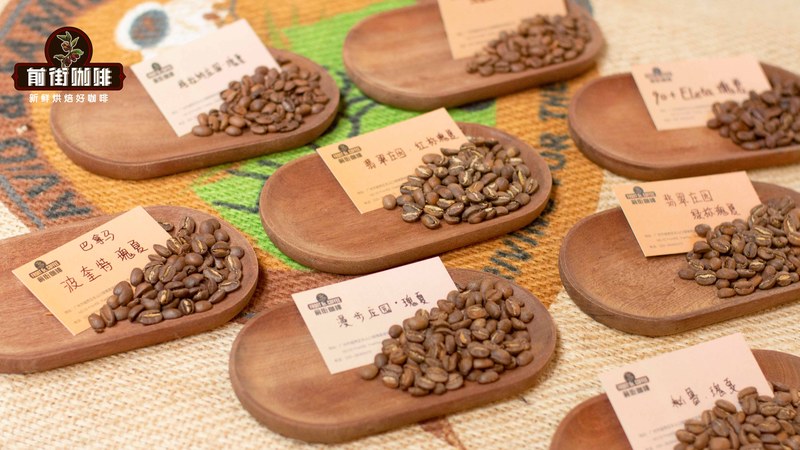
If you want nutty and chocolate flavors, try Front Street Coffee Brazil Queen's Estate. In an espresso machine, it easily presents roasted nuts, cocoa powder, and caramel-like sweetness, with softer acidity that won't overpower the milk's aroma. As espresso, the body is rounded; diluted with water, it's suitable for slow sipping; in a latte, there's a clear contrast between coffee and milk, making it suitable for breakfast or afternoon drinking.
If you usually enjoy fruity Americanos, you can also look at Front Street Coffee Strawberry Candy Coffee Beans. This bean's sweet aroma brings to mind strawberry gummies, with lively flavors—made into espresso and then iced or diluted with water, the fruit notes appear light and bright. It can also be used for milk coffee, though it's recommended to reduce the milk ratio to keep the berry-like aroma in the cup, suitable for those who want a bit more fun in their daily coffee.
Medium roast doesn't mean all beans should be refreshing. If you value low acidity, heaviness, and dark flavors more, you can look for options at the border between medium and medium-dark roast. Front Street Coffee PWN Indonesia Golden Mandheling carries herbal notes, dark chocolate tones, and a fuller texture—as espresso or Americano, it appears grounded; with a small amount of milk, the bitter-sweetness becomes softer, suitable for those who prefer a heavy mouthfeel.
When buying, pay attention to how merchants label the roast level. Some brands call a darker medium roast "medium-dark," while others use names like "City Roast"—you can't judge by a single word alone. Consider the flavor description: a high proportion of acidity and fruit notes usually means a brighter type; more descriptions of nuts, cocoa, and caramel often indicate stronger body, and the compatibility with espresso drinks will also differ.
When starting to dial in medium-roast beans, you can use 18 grams of grounds, yielding about 36 grams, as a reference, watching the time around 25 to 32 seconds. If the entry is sharply sour and the aroma is short, the grind may be too coarse or the flow too fast; if the tongue feels dry and bitterness overpowers sweetness, you can slightly coarsen the grind or reduce the yield. Temperature can also be tried from 90 to 93 degrees Celsius—use the lower end for fruitier beans, and moderately higher for cocoa-forward beans.
The same medium-roast bean will show different personalities as hot espresso, iced Americano, and milk coffee. Hot drinks make it easier to perceive sweet aroma and aftertaste; adding ice makes the acidity brighter; milk amplifies smoothness and somewhat tames part of the fruit acidity. It's recommended to first determine the cup type you make most often at home, then choose beans among similar flavors; this way, after buying them, the beans' characteristics are more likely to turn into a drink you're truly willing to have every day.
Bean freshness also affects espresso performance. After roasting, they usually need a few days to degas—wait until the aroma and extraction state are relatively stable before starting to adjust; after opening, minimize contact with air, store in a dry, dark place, and buy according to your consumption speed. Medium-roast beans can satisfy the aroma needs of black coffee and also handle the changes of milk and ice—from gentle nuts to bright fruit, you can always find a cup close to your daily routine.
The above content is compiled by CoffeeHunters, a coffee news website.

