







Search Results for: Medium Roast

Light, Medium, and Dark Roasts for Pour-Over Coffee | What Are the Flavor Characteristics of Coffee Beans at Different Roast Levels? Do Light, Medium, and Dark Roasts Taste Very Different in Pour-Over Coffee?
For more specialty coffee knowledge, please follow: Front Street Coffee (Frontsteet Coffee) The roast level of coffee beans determines the direction of the coffee's flavor. Many coffee shops label the roast level on the coffee beans they sell, such as light roast, medium roast, cinnamon roast, etc., which makes it easy for beginners [more…]
Coffee Roast Levels | What's the difference between dark, medium, and light roasted coffee beans? Is medium roast coffee bitter when brewed as pour-over? Recommended single-origin light, medium, and dark roast coffee beans suitable for pour-over
The darker the coffee is roasted, the more the acidity in the coffee is destroyed, replaced by more caramel flavors, smoky notes, and bitterness. Based on their understanding of different coffee beans, roasters use different roast levels to bring out the unique flavor state of beans from different origins and varieties. For example, preserving the beans' bright fruit acidity or floral notes. [more…]
Coffee Bean Starter List | What's the Difference Between Light Roast and Medium-Light Roast Coffee Beans? Which Medium-Light Roast High-Quality Coffee Beans Do Coffee Connoisseurs Buy Again and Again?
When it comes to coffee beans, everyone probably knows that coffee is made from green beans that have been roasted into roasted beans. There are several degrees of roasting. Generally speaking, the ones most commonly seen in coffee shops are mainly these levels: light roast, medium-light roast, medium roast, medium-dark roast, and dark roast, but there is no clear boundary between them. And as a consumer [more…]
Choosing Non-Acidic Pour-Over Beans by Roast Level: From Medium to Dark Roast
Pour-over coffee doesn't only express bright fruity acidity. If you prefer a soft, easy-drinking cup with nutty or cocoa notes, you can start by choosing beans from three directions: medium roast, medium-dark roast, and dark roast. The darker the roast, the more the acidity usually recedes, and the flavors gradually shift toward caramel, roast, chocolate, and nuts, making them suitable for breakfast, [more…]
Recommendations for Non-Acidic Coffee Beans | What Are the Characteristics and Differences of Light, Medium, and Dark Roast Coffee Beans? What Water Temperature Is Suitable for Brewing Light, Medium, and Dark Roast Coffee Beans?
Some friends have pointed out that "Front Street's coffee beans don't have any indication of roast level." In response, Front Street plans to use an article to share knowledge about coffee roast levels with everyone. I believe that most people's understanding of coffee bean roast levels is basically that if it's sour, it's a light roast, and if it's bitter, it's a dark roast. Of course, as people in the industry [more…]
Coffee Knowledge | How to Quickly Identify Coffee Bean Roast Levels? Introduction to Grind Size and Brewing Water Temperature Parameters for Medium-Light and Medium-Dark Roasted Coffee
As everyone knows, Front Street Coffee mainly sells beans and has shops on both Taobao and Tmall, so friends who can't make it to the store often place orders online. Then some friends noticed that the labels on Front Street Coffee's beans don't indicate the roast level of the coffee beans, so they reported that after receiving them, they didn't know how to identify [more…]
Choosing SOE Beans by Roast Level: How to Drink Light, Medium, and Dark Roasts
SOE refers to single-origin coffee used for espresso extraction. The roast level of the beans directly affects the aroma, acidity, sweetness, body, and aftertaste of the shot. Light roast does not equal sour, medium roast is not just a compromise, and dark roast is not synonymous with bitter. With the same espresso machine, start by judging the texture you want in the cup based on roast direction, and your bean selection range will [more…]

Not-Sour Yirgacheffe: How to Choose Roast Level
If you want a Yirgacheffe without pronounced acidity, start by checking the roast level on the packaging, then decide on the flavor direction. A light roast usually preserves more of the regional character, which may show up as citrus, berries, or floral notes; a medium roast pushes sweetness and roundness to the forefront; a medium-dark roast leans more toward nutty, cocoa, and roasted tones. So-called "not sour" mainly [more…]

Medium-roast pour-over beans recommendation: choose flavors along the roast level
Medium-roast coffee beans are not an option with just a single flavor. As the roast goes lighter, the cup retains clearer floral notes, fruity acidity, and a tea-like quality; as it goes darker, it gains caramel sweetness, nuttiness, and more body. Using roast level as a filter lets you first determine the general character of a cup of coffee before looking at origin and flavor description. [more…]

Coffee Roast Levels Explained | Which Medium Roast Coffee Beans Are Suitable for Espresso? Coffee Bean Recommendations for Super-Automatic Coffee Machines and Moka Pots
We often hear baristas describe all kinds of flavors. Though it sounds quite mysterious, they can roughly be divided into three categories: sour, bitter, and balanced sweet-and-sour, which correspond to light roast, dark roast, and medium roast respectively. Today Front Street will explain the characteristics of these roast levels, and also [more…]

Choosing Low-Acid, Sweet-Finish Coffee Beans by Roast Level: From Medium-Light to Dark Roast
If you want a cup of coffee where the acidity doesn't steal the show, there's sweetness on the palate, and aroma that lingers after you swallow, roast level is a very practical screening clue. It affects the brightness of the fruit acidity, the caramelized sweetness, and the body. Even among black coffees, a light-to-medium roast can be crisp and transparent, a medium roast is rounder, and a medium-dark or dark roast tends to show cocoa, [more…]

Medium Roast Is Not Just One: Choosing Roast Levels for Espresso Beans
Even when both are labeled "medium roast," coffee beans put into an espresso machine may present bright fruit notes, or lean more toward caramel, cocoa, and nuts. Roast level is not a simple label, but an important clue that determines the focus of aroma, the expression of sweetness, and the extraction response. To pick beans that suit your taste, you can first look at their position within the medium roast range. [more…]
Yirgacheffe Starter Guide: How to Choose Between Light, Medium, and Dark Roasts
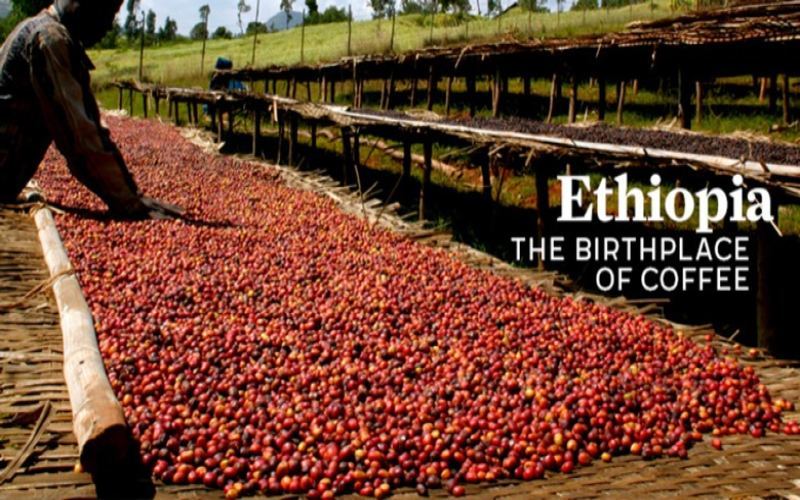
The flavor range of Yirgacheffe is very broad, and the roast level takes it in different directions: a light roast makes it easier to taste floral notes, citrus, and berries; a medium roast brings out more sweetness and smoothness; a dark roast moves toward cocoa, nuts, and a heavier mouthfeel. Beginners may want to check the roast label first, then decide which kind of cup they want to start getting to know this [more…]

Light Roast, Medium Roast, Deep Roast: Pairing Coffee Machine Beans This Way
Espresso machines extract quickly and concentrate pressure, so the roast level of the beans directly affects aroma, strength, and mouthfeel. Even in the same cup of black coffee, a light roast may taste bright and lively, a medium roast comes across sweeter and smoother, and a dark roast feels heavy and full-bodied. When choosing beans for your machine, start by looking at the roast color and flavor profile, then match them with your own [more…]

Nutty and Cocoa Flavors: How Drinking Methods Differ Across Light, Medium, and Dark Roasts
If you want to drink coffee with notes of nuts, cocoa, and caramel, the roast level is a very practical starting point. Light-roast beans tend to retain more of their origin character, and nutty and cocoa notes may be hidden behind the sweet aroma; medium roast more easily brings nutty aromas, chocolate notes, and sweetness together in the same cup; dark roast pushes the flavor toward roastiness, dark chocolate, and a full [more…]
Choosing pour-over beans by roast level: light roast for floral and fruity notes, medium roast for sweetness, dark roast for body
When choosing beans for pour-over coffee, you can start with the roast level. It affects the brightness of the aroma, the expression of acidity and sweetness, the weight of the mouthfeel, and the speed of reaction during brewing. Those who enjoy crisp fruity notes usually find light roasts more appealing; those who prefer rounded sweetness can look to medium roasts; and if you're used to cocoa, nuts, and a heavy mouthfeel, [more…]
Light roast, medium roast, dark roast: how do espresso beans differ in the cup?
The roast level of espresso beans directly affects the aroma, sweetness, acidity, and mouthfeel of the espresso. Using the same espresso machine, light-roasted beans may present bright fruity notes, medium-roasted beans are more likely to deliver rounded sweetness, and dark-roasted beans bring cocoa, nutty, and roasted notes. First understand the three approaches, then combine them with the black coffee you usually drink. [more…]
How to Choose Full-Bodied Coffee Beans: Matching Flavor and Brewing Method by Roast Level
If you want to drink a full-bodied coffee, first look at the roast level, then consider how you plan to brew it. Light-roasted beans usually retain more of the bright aromatics, with a lighter mouthfeel; medium-roasted beans bring sweetness, aroma, and body together; medium-dark and dark roasts are more likely to show cocoa, nut, caramel, and roasty notes, and the weight on the palate also increases. Light roast and [more…]
How to Choose Medium-Roast Beans for Espresso Machines: A Flavor Guide from Sweet-Tart to Rich and Mellow
Medium-roast coffee beans put into an espresso machine usually achieve a good balance between aroma, sweetness, and mouthfeel. They retain a certain fruit acidity and regional character, while also having enough soluble solids to support the thickness of the espresso; made into an Americano, it won't be too thin, and after adding milk, it can still leave the taste of the coffee itself, making it suitable for home [more…]
The Darker the Roast, the Less Acidic? A Guide to Choosing Beans for Pour-Over
If you want your pour-over coffee to have less sharp acidity, roast level is a very practical starting point. Light roasts usually retain more of the origin's character, with fruit acidity and floral notes more pronounced; as the roast gradually darkens, the flavors shift toward caramel, nuts, cocoa, and roasted aromas. For those who prefer a rounder mouthfeel, medium to medium-dark roasts are often more [more…]