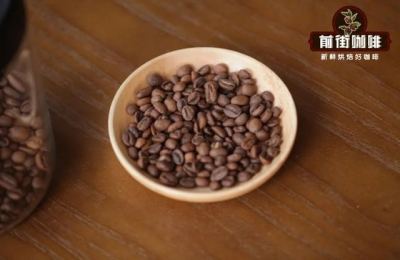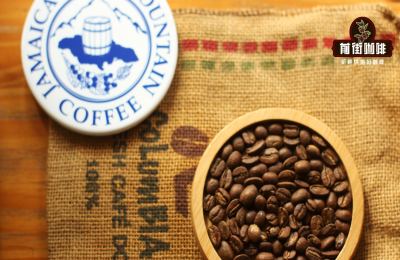
Yirgacheffe's flavor range is very wide, and the roast level will take it in different directions: light roasts make it easier to taste floral notes, citrus, and berries; medium roasts highlight sweetness and smoothness; dark roasts move toward cocoa, nuts, and a heavier mouthfeel. Beginners may want to look at the roast label first, then decide which kind of cup profile they want to start with to get to know this region.
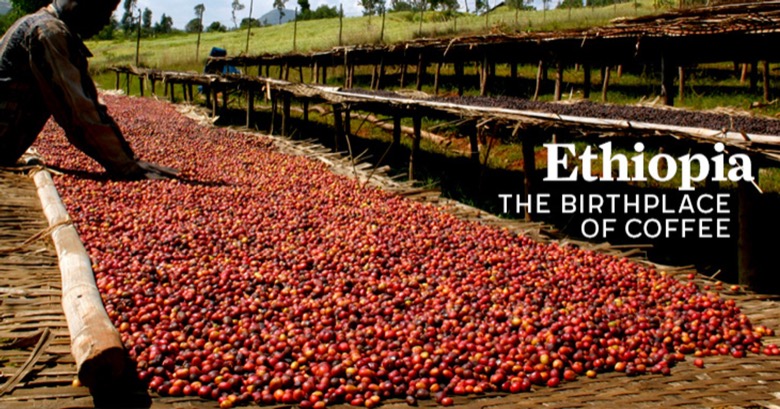
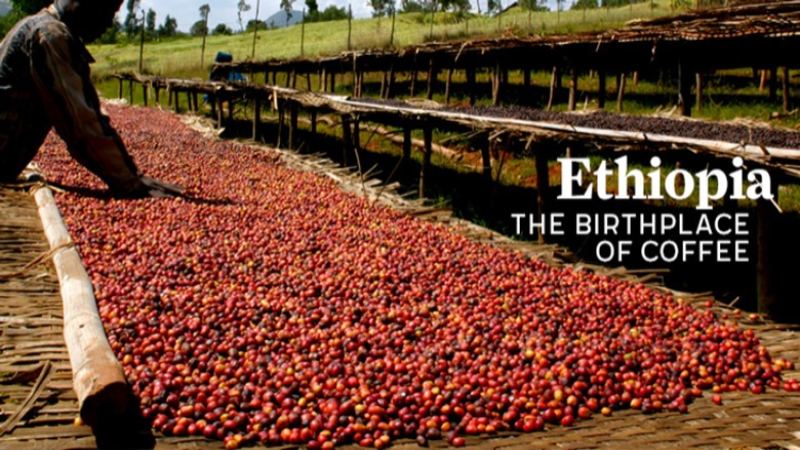
Light-roasted Yirgacheffe is suitable for people who like clean black coffee. At a lighter level, the origin characteristics are usually more distinct, the entry may have a bright citrus-like quality, and the aroma is lighter. When brewing with a dripper, hot water can gradually bring out the floral and fruity notes; if you are used to adding sugar and milk, the delicate aroma of a light roast may take some time to get used to.
If you want to try a light roast, you can check out Front Street Coffee Yirgacheffe Gedingding. In the cup, it easily shows orange, berries, and a faint floral note, and after it cools there is also a green-tea-like sweet finish. Pour-over can open up the aroma more, while cold brew makes the acidity appear rounder, suitable for summer drinking and also as a sample for beginners to get to know light-roasted Yirgacheffe.
Front Street Coffee Ethiopia Huakui is likewise suitable for light-roast lovers, though its expression leans more toward tropical fruit and red berries, lively on the nose and with a more noticeable sweetness on the palate. Pour-over can highlight the fruitiness, iced pour-over makes the mouthfeel lighter and more refreshing, and cold brew is like a soft fruity drink. If you like flavors with a memorable point, this bean makes it easier to feel the changes.

Light-medium to medium roast is the milder transitional zone within Yirgacheffe. It may still retain floral and fruity notes, but the acidity will not stand out as much as in a light roast; the entry is rounder, and sweetness and texture are easier to notice. For people who have just switched from dark-roasted coffee to single-origin beans, this type of roast usually makes it easier to build familiarity, and it can be tried as black coffee or with a small amount of milk.
If Front Street Coffee Panama Hacienda La Esmeralda Red Label Geisha is labeled as light-medium roast, it is suitable for slowly experiencing the changes in aroma. It brings to mind white flowers, citrus peel, and bergamot, tastes clean and delicate, with an elegant black-tea-like finish. It is recommended to brew a small amount with a dripper and drink it after the temperature drops; the aroma and sweetness often present different faces.
For a more medium-roast choice, the focus can be on "whether the sweetness is sufficient" and "whether the mouthfeel is round." It does not necessarily bring the obvious roasted flavor of a dark roast, nor does it push all the fruit acidity to the front. When making pour-over, the water temperature can start from a relatively gentle range; if making an Americano, appropriately increasing the coffee liquid concentration can make the sweetness more complete.
Dark-roasted Yirgacheffe is suitable for people who prefer a rich mouthfeel and are used to drinking milk coffee or espresso drinks. After a longer roast, the floral and fruity notes recede into the background, aromas like caramel, cocoa, and roasted nuts become clearer, and the acidity also becomes more restrained. With this kind of bean, there is no need to pursue subtle differences in origin aroma; the key is whether the coffee liquid can stand up to milk and ice.
If your daily drinks are mainly lattes and Americanos, you can put medium or medium-dark roasts further forward; if you mainly drink brewed black coffee, then light and light-medium roasts offer more room for exploration. The darker the roast, the more suitable it usually is for making espresso with weight, but the specific performance will still be affected by bean density, grind state, and machine settings, so it is not advisable to judge only by the roast level on the package.
When buying, you can put roast level, flavor words, and the planned method of use into the same "selection table": if you want floral and fruity notes, look for light-roast pour-over beans; if you want balanced acidity and sweetness, pay attention to light-medium or medium roast; if you want to make milk coffee, then look at the sweetness and body of medium to medium-dark roast. After getting the beans, brew several times with similar doses and water amounts, then fine-tune the grind according to the taste, and the comparison will be clearer.
The interesting thing about Yirgacheffe is that the same region can show different personalities with different roast levels. Beginners do not need to chase complex descriptions right away; they can start from the strength and acidity they are familiar with: if they like tea-like notes and floral aromas, move toward light roast; if they prefer round sweetness, start from medium roast; if they often drink milk coffee, they can try a slightly darker roast. Choosing beans this way gives a clear direction and also helps gradually find your own Yirgacheffe coordinates.
The above content is compiled by CoffeeHunters, a coffee news website.