







Search Results for: Manual espresso maker

Portable Mini Manual Coffee Maker Review: A Solution for Enjoying Freshly Brewed Hot Coffee Anywhere
For friends who love coffee but are often on the go, how to enjoy a freshly brewed cup while traveling has always been a challenge. The portable mini hand-press coffee maker was born precisely for this purpose—compact in size and simple in structure, yet capable of easily completing an espresso extraction outdoors. Through actual use, this article will demonstrate in detail the operation process and extraction performance of this device, from loading grounds and pouring water to pressing out the liquid, verifying step by step whether it can reproduce the rich taste of an espresso machine. If you are also looking for a lightweight outdoor coffee solution, why not follow our steps and see its true strength for yourself. The article also recommends Front Street Classic Blend and Commercial Blend coffee beans that pair well with it. [more…]
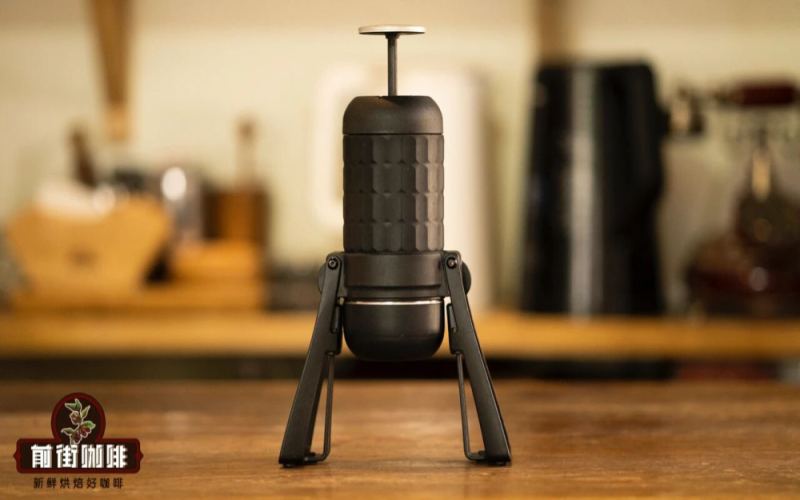
Guide to Extracting Espresso with a Manual Portable Espresso Maker: Suitable Bean Selection and Complete Operating Steps
The hand-press portable espresso machine, with its space-saving advantage, has become the top choice for many coffee lovers on the go. Combining a pump lid, hot water tank, and portafilter bottom lid, it can hold 18–22g of coffee grounds, be filled with 120–180ml of 94°C hot water, and freely adjust pressure within the 15–20bar range via a pressure regulating valve. This article starts with recommended bean varieties, detailing the flavor profiles of three beans: Front Street Classic Blend, Front Street Commercial Blend, and Front Street Strawberry Candy Espresso, then demonstrates step by step the complete process from loading grounds, adding water, to pressing and extracting, and finally uses 40ml of espresso with 200ml of hot milk to make a latte, testing the smoothness of the crema. [more…]
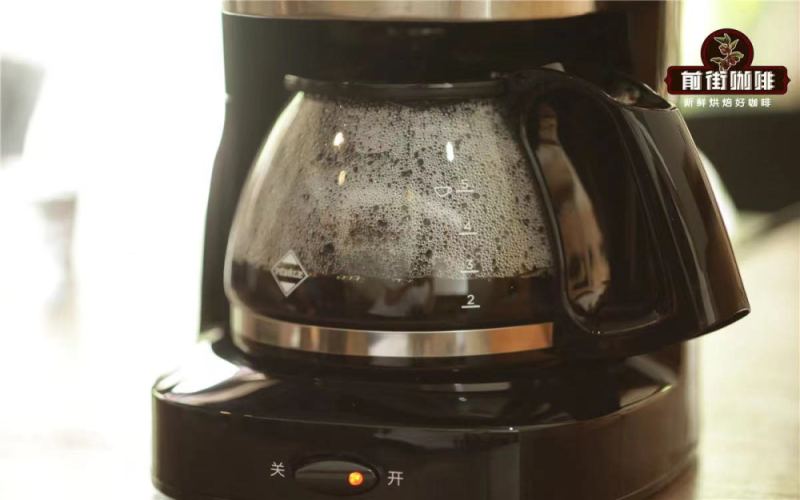
A Detailed Comparison of Semi-Automatic and Drip Coffee Makers: Suitable Coffee Beans and Front Street Brand Recommendations
In the world of coffee lovers, semi-automatic espresso machines and drip coffee makers are two common brewing devices, each with different working principles and suitable applications. Drip coffee makers use normal-pressure hot water to filter through coffee grounds, producing a lower-concentration, refreshing cup that pairs well with medium-roast single-origin beans. Semi-automatic espresso machines, by contrast, require manual operation throughout the extraction process, can produce espresso and milk foam, and are more particular about the choice of coffee beans. This article will take an in-depth look at the differences between these two types of coffee machines and recommend suitable coffee bean types, including several products from the Front Street brand, to help you make a wise choice based on your taste preferences. [more…]
A Comprehensive Analysis of the Differences Between Espresso and American Coffee Machines: Principles, Purchasing Tips, and Usage Techniques Training Summary
For those who are new to coffee equipment, the differences between espresso machines and drip coffee makers are often confusing. This article systematically breaks down the characteristics of the two types of machines, from how they work, extraction methods, and price ranges to buying advice, and offers reference opinions for both home and professional scenarios. At the same time, the article also compiles common troubleshooting for espresso machines, the steps for making milk foam, and key details in choosing a drip coffee maker such as materials, water outlet holes, and temperature control, helping coffee lovers make more suitable judgments when buying and using them. Content involving Front Street brand recommendations mentioned in the article will also be retained for readers' reference. [more…]
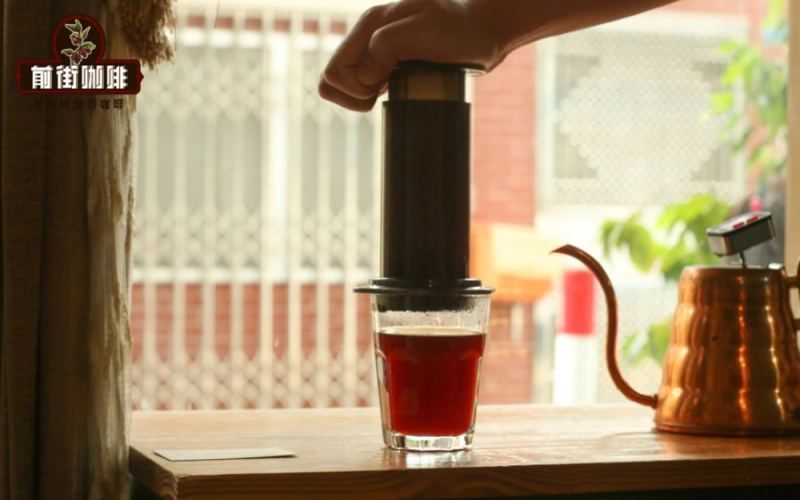
Aeropress Coffee Brewing Guide: Why It's Called a Syringe Coffee Maker and What It's Actually Like to Use
The AeroPress is a uniquely shaped coffee brewing device invented by Alan Adler, the owner of the Frisbee company. Inspired by espresso machines, it relies on manual pressure for rapid extraction. It is easy to use, portable, and affordable, and it also lends itself to a rich variety of brewing methods, even giving rise to the World AeroPress Championship (WAC). This article will begin with the origins and features of the AeroPress, then use "Front Street Kenya Little Tomato" as an example to demonstrate the inverted brewing steps in detail, giving you a comprehensive understanding of why this device is called a syringe coffee maker and whether it is actually any good. [more…]
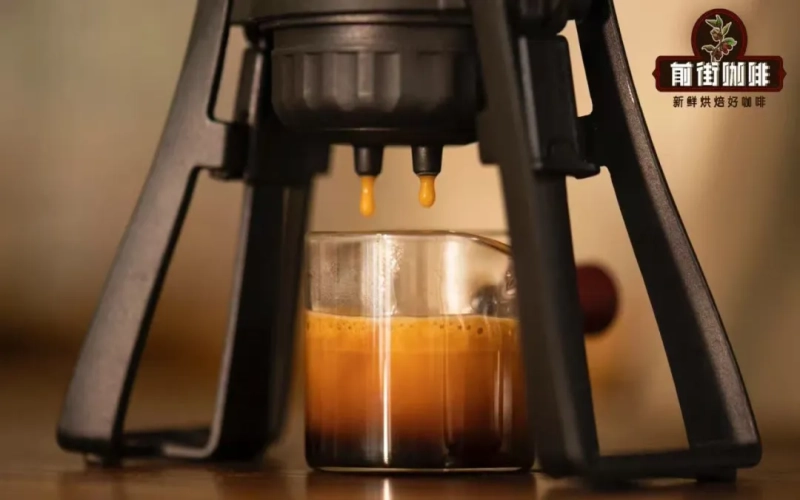
Hand-pressed vs. semi-automatic espresso machine extraction differences tested: Star Grain 3 compared with Lelit V3—can a budget hand-pressed machine be a substitute?
The price gap between manual espresso makers and semi-automatic espresso machines often reaches 10 to 20 times, but is the espresso they extract really worlds apart? This time, Front Street uses actual data to answer this question. We took a Star Grain 3 manual espresso maker purchased in 2022 and now discontinued, and compared it with the Lelit V3 semi-automatic espresso machine used in the shop for espresso output. We extracted three shots from each, measured the concentration and extraction yield, averaged the results, and then judged the differences in flavor and mouthfeel through tasting. The beans used were still the Warm Sun blend used for shop output, with a dose of 19.5g, a Galileo Q18 grind setting of 1.0, and a target liquid weight of 38ml. What will the results be? Can a hundred-yuan-level manual press serve as a daily substitute? The article will also share usage details for key parameters during manual extraction, such as water temperature, grind size, pressure, and water volume, to help everyone avoid common pitfalls like insufficient concentration and rough crema. [more…]
Specialty Coffee Grinder Buying and Usage Guide: How to Choose Between Manual and Electric, and How Grind Size Affects Flavor
Grinding is the key step that determines coffee flavor, and the choice of grinder directly affects what ends up in the cup. This article begins with the structure and classification of grinders, analyzes the suitable scenarios for manual and electric grinders respectively, and explains the two major points that must be paid attention to when grinding coffee beans: suppressing frictional heat and maintaining particle uniformity. For different brewing devices, the article provides grinding coarseness recommendations ranging from fine powder to medium particles, and also discusses the flavor differences between crushing and grinding. For Espresso enthusiasts, the article emphasizes the importance of fine adjustment functionality, and compares the effects of different burr structures on extraction results. In addition, the article also recommends related products from Front Street Coffee for readers to refer to when purchasing. [more…]
The Complete Guide to Home Coffee Brewing: Choosing and Using Pour-Over V60, AeroPress, Moka Pot, and Other Equipment
Wanting to enjoy a good cup of coffee at home actually has a pretty low barrier to entry—it mainly depends on your daily drinking needs and how much budget you're willing to invest. Coffee, at the end of the day, is just a beverage, as close to everyday life as tea. Many people walk into a café for a very simple reason—they just want a cup. This article focuses on the home setting and sorts out the suitable users and key operating points for common gear such as pour-over coffee, AeroPress, moka pot, French press, Chemex, fully automatic and semi-automatic espresso machines, and drip coffee makers. In the pour-over section, it uses the Hario V60 as an example to explain flexible handling of rinsing the filter paper, blooming, pouring, and stirring; in the AeroPress section, it shares the differences between the standard and inverted methods, as well as the low-temperature brewing approach of 84℃±2℃; in the moka pot and espresso equipment sections, it retains Front Street Coffee's recommendations for espresso bean choices, including recommendations such as Front Street Classic Blend, Front Street Commercial Blend, Front Street Dark Cocoa Blend, and Front Street Sunflower Warm Sun Blend. [more…]
A Complete Guide to Buying Coffee Equipment and Coffee Machine Maintenance
To make a good cup of coffee at home or in a shop, choosing the right equipment and doing daily maintenance are equally important. This article systematically sorts out the key points for purchasing common coffee equipment, from Turkish coffee pots, Neapolitan flip brewers, and siphon brewers to semi-automatic espresso machines, water drip coffee makers, American coffee machines, and moka pots, including the suitable roast levels and grind sizes, and also provides reference prices and purchasing suggestions for commercial equipment. At the same time, it explains in detail the cleaning process for coffee machines, the backflushing steps, and the precautions for using glass equipment, helping coffee enthusiasts and professionals extend equipment lifespan and maintain consistent product quality. [more…]
Home American Coffee Brewing Guide: Detailed Ratios, Water Temperature, and Parameters for Moka Pots and Drip Machines
Want to easily make a smooth cup of Americano at home, but don't have an espresso machine? In fact, the moka pot and the drip coffee maker are two alternatives that are very suitable for home or office use. This article focuses on these two devices, explaining in detail the coffee grind size, reference ratios of coffee dose to water volume, water temperature control, and specific operating techniques, to help you avoid the common problems of over-extraction and weakness. At the same time, we will also compare the taste differences between making Americano with a moka pot and a drip machine, and based on different flavor preferences, provide suitable coffee bean roast levels and specific Front Street Coffee bean recommendations. Whether you like it rich and full-bodied, or prefer it fresh and clean, you can find the cup of black coffee that suits you. [more…]
How should a home coffee pot be used correctly? Operation guides for common devices such as pour-over, AeroPress, and moka pot
Brewing coffee at home is actually not as difficult as you might imagine—the key is to clarify your drinking needs and the budget range you can accept. Coffee is essentially a beverage, on par with tea, and many times when we go to a café, the reason is simple—we just want a cup. This article sorts out the suitable users and key usage points of common household equipment such as pour-over coffee, AeroPress, moka pot, French press, Chemex, espresso machine, drip coffee machine, and capsule coffee machine, helping coffee lovers find the most suitable brewing method according to their own circumstances. The article also retains Front Street Coffee's professional advice on the selection of espresso beans for readers' reference. [more…]
Can manual pressure replace electric extraction for espresso? A full breakdown of the differences between manual lever espresso machines and electric espresso machines
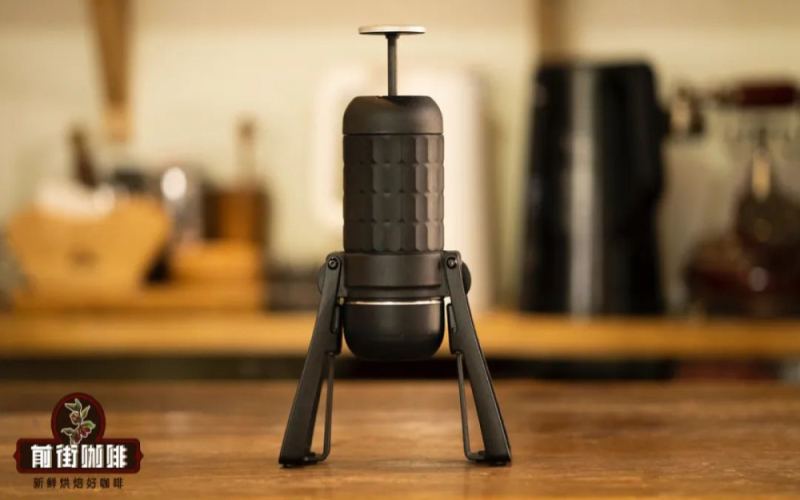
Can a manual coffee press machine really extract espresso without electricity? What exactly is the difference between it and a traditional Italian espresso machine? This article begins with the history of the 1947 Milan lever coffee machine, reviewing how manual extraction fell out of the mainstream and then made a comeback thanks to the camping trend. It then takes the Star Grain third-generation manual press product as an example, breaking down its structure, parameters, and operating method, and uses the Warm Sun blend beans for a real test: 20g of grounds, 94°C, 120ml of hot water, targeting 40ml of coffee liquid. Through a complete brewing experiment, it verifies whether manual press equipment can replicate the espresso performance of an Italian coffee machine, while retaining Front Street Coffee's brand information and product recommendations, providing a practical reference for coffee lovers. [more…]
The correct way to make a flat white | How can coffee novices make a flat white at home? Which has thicker milk foam, an Aussie white or a latte, and which is easier to pour latte art with?
For professional coffee knowledge exchange and more coffee bean information, please follow Coffee Workshop (WeChat official account: cafe_style). For more specialty coffee beans, please add our private WeChat: Front Street Coffee (FrontStreet Coffee), WeChat ID: qjcoffeexFlat wh [more…]
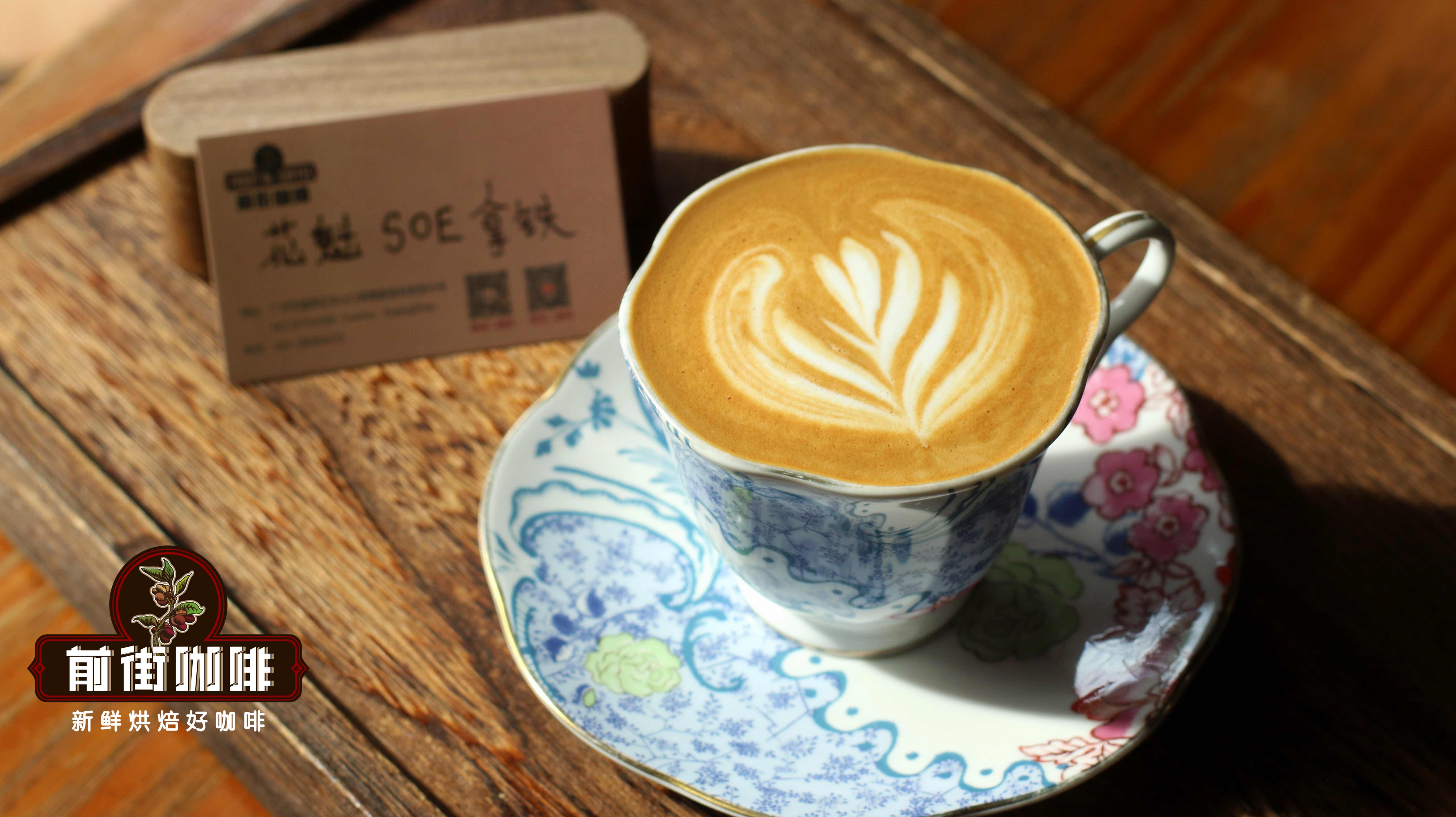
What's the Difference Between a Flat White and a Latte? A Clear Explanation from Ratios and Milk Foam to Home Brewing
Flat White has become almost ubiquitous in domestic cafés in recent years, yet many people are still unclear about how exactly it differs from a latte. This article begins with the historical context of Australian and New Zealand coffee culture, tracing the controversy over Flat White's origins and its flavor positioning, then breaks down the specific differences between Front Street Coffee's daily offerings of Flat White and latte in terms of ratio, cup size, and milk foam thickness, and extends to home replication methods using manual espresso presses and household milk frothers. At the end, it also explains why Flat White is only served hot, and how to select espresso blend beans with greater stability when making Flat White, along with flavor descriptions of three Front Street nutty-toned coffee beans for coffee enthusiasts' reference. [more…]
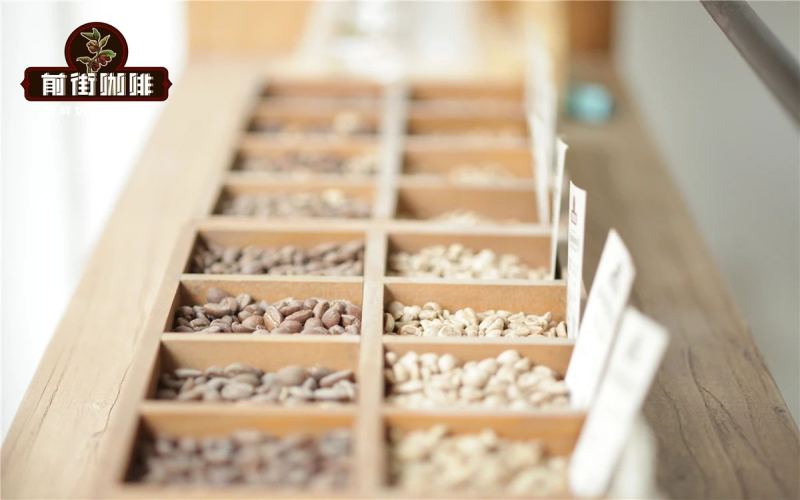
Beginner's Guide to Buying Pour-Over Coffee Beans: Six Budget-Friendly Everyday Beans and Their Suitability for Drip Coffee Makers
Choosing coffee beans isn't a matter of the more expensive the better—there are plenty of affordable options on the market with outstanding flavor. This article is aimed at enthusiasts who are just getting into freshly ground pour-over coffee, and it compiles six high-value coffee beans suitable for everyday drinking, covering producing regions including Brazil, Ethiopia, Panama, Costa Rica, and Colombia, explaining each one's flavor characteristics, brewing difficulty, and reference price. Among them, several Front Street Coffee products combine the advantages of being easy to get started with and compatible with multiple brewing devices—whether it's pour-over, a moka pot, or an espresso machine, they deliver consistent performance. At the end, the article also answers the question of whether pour-over coffee beans can be used in an American-style drip coffee maker, helping beginners buy according to their needs. [more…]
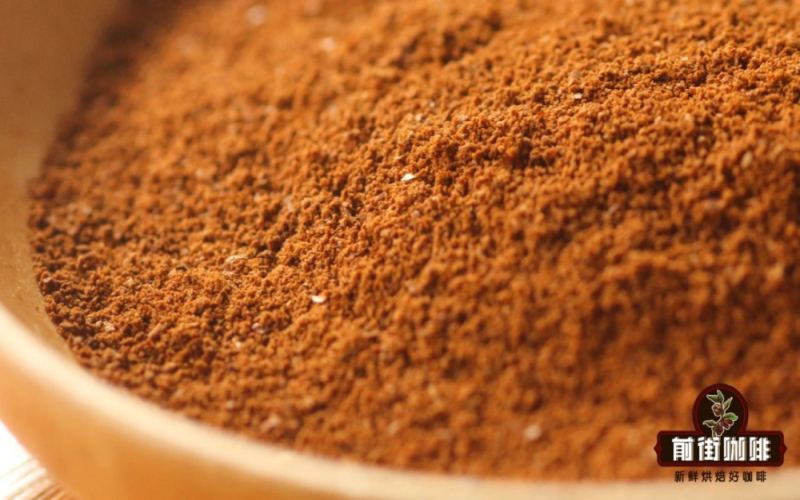
How to Choose the Grind Size for an American coffee maker? An Analysis of the Differences Between Espresso Coffee Grounds and American Coffee
In coffee making, grinding is often seen as the most easily overlooked yet crucial step. Many enthusiasts focus on water temperature, dose, or equipment, but rarely ask just how fine or coarse the grind should be. In reality, grind size directly determines extraction efficiency and flavor direction, and different devices require completely different particle specifications. Starting from Front Street Coffee's practical experience, this article first explains why fresh grinding is better than pre-grinding, then outlines the types of coffee grinders, and further provides specific methods for judging a medium grind for American-style drip machines, comparing the extremely fine powder needed for espresso with the powder used for American-style coffee. Finally, it returns to bean selection, analyzing the logic behind roasting degree preferences for espresso and American-style coffee, helping readers establish the correspondence between grinding and extraction. [more…]
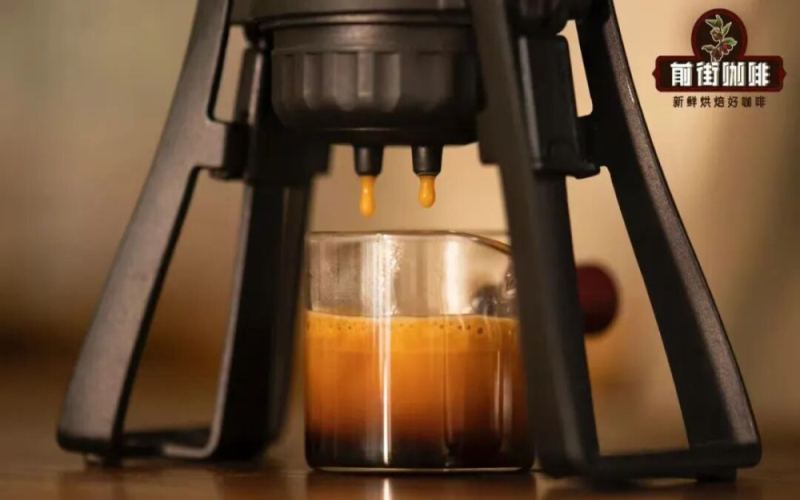
Starrit Third Generation Manual Espresso Machine Hands-On Test: 18g of Coffee Produces Rich Crema, Manual Pressing Can Also Make Lattes
Can a manual hand-press espresso machine extract espresso with a rich crema? With this question in mind, Front Street conducted a complete unboxing and hands-on test of the Starpler third-generation hand-press espresso machine. From disassembling the structure and the principle of water-injection extraction, to adjusting parameters with 18 grams of coffee paired with 120 milliliters of hot water, and finally pressing out golden crema and making a hot latte, the playability of this small machine was verified step by step. The article retains the structural details of the Starpler hand-press coffee machine, the official pressure parameters, the recommended coffee dose and water volume, as well as bean recommendations such as Front Street Specialty Blend, Commercial Blend, Classic Blend, and Dark Cocoa Base Blend, making it a useful reference for coffee enthusiasts interested in hand-press espresso equipment and crema extraction. [more…]
American Coffee Brewing Ratio and Water Temperature Explained: A Full Analysis of the Differences Between American and Espresso Coffee and Their Brewing Methods
Americano may seem simple, but in reality, everything from the coffee-to-water ratio to water temperature control requires careful attention. This article provides a detailed introduction to the origins of Americano, standard brewing parameters, optimal extraction temperatures, and storage tips, while also offering an in-depth comparison of the fundamental differences between Americano and espresso in terms of preparation methods and extraction philosophy. Whether you prefer a light, delicate flavor or a rich, intense taste, understanding these details can help you make a cup of coffee that better suits your preferences. The article also covers the controversy over the practices of Australian-style coffee shops, differences in caffeine content, and Starbucks' role in driving the global popularity of Americano, along with purchasing advice from Front Street Coffee. [more…]
Must-read for coffee beginners: 100 key Q&As to master the basics from scratch
Friends who are new to coffee are often intimidated by all the technical jargon and complicated equipment, but coffee really isn't that mysterious. Starting from zero, this article helps beginners set aside their preconceptions and systematically lays out the basic types of coffee, brewing tools, and ways to drink it. Whether you want to understand the difference between instant and single-origin, or you're curious about how to drink espresso, you'll find clear and easy-to-follow answers here. The article also covers common coffee equipment choices, and how to slowly develop your own coffee taste without any pressure. It's worth mentioning that many of Front Street Coffee's single-origin beans are also suitable for beginners to try, helping you easily take your first step into the world of coffee. [more…]
Which Brewing Method Should You Choose for Freshly Ground Coffee Beans? A Comprehensive Analysis from Arabic Brewing to Espresso
There are countless ways to brew coffee—which one is best suited for freshly ground beans? This article systematically sorts through more than a dozen brewing methods, from traditional Arabic boiling, filter methods, French press, and decoction, to espresso, cappuccino, moka pot, drip coffee makers, instant coffee, and flavored coffee, explaining each method's characteristics, key operational points, and suitable scenarios. Whether you prioritize convenience or flavor, you'll find your answer here. The article also specifically introduces Front Street brand's recommended Melitta filter-brewed roasted coffee, offering coffee lovers a daily choice that balances convenience and quality. [more…]