







How Do You Use a Coffee Maker and Other Home Brewing Gear?
Home brewing starts with matching equipment to your daily needs and budget. Pour-over suits people who like to experiment: rinsing the filter paper is optional, then add grounds, pour a little hot water, stir or not, let the bed bloom, and pour in the rest by your coffee-to-water ratio, stirring if desired. When the soak time ends, set the dripper on the server and the valve opens automatically.
An AeroPress targets those who want a heavier body, and it is portable enough to make a quick cup, with an annual World AeroPress Championship built around it. The article also covers the standard and inverted AeroPress methods, a low-temperature brew at 84C plus or minus 2C, and gear such as the moka pot, French press, Chemex, and drip and espresso machines.
Wanting to enjoy a good cup of coffee at home actually isn't that hard; the key lies in your daily drinking needs and the budget you're willing to invest. Coffee, at its core, is just a beverage, as close to everyday life as tea. Many people walk into a café for a simple reason—they just want a cup. This article focuses on home scenarios, outlining the suitable users and key operational points for common brewing equipment such as pour-over, AeroPress, moka pot, French press, Chemex, fully automatic and semi-automatic espresso machines, and drip coffee makers. In the pour-over section, we use the Hario V60 as an example to explain flexible handling methods like rinsing the filter paper, blooming, pouring, and stirring; in the AeroPress section, we share the differences between the standard and inverted methods, along with a low-temperature brewing approach at 84℃±2℃; in the moka pot and espresso equipment sections, we retain Front Street's recommendations for espresso bean selection, including Front Street Classic Blend, Front Street Commercial Blend, Front Street Dark Cocoa Blend, and Front Street Sunflower Warm Sun Blend.
For more specialty coffee knowledge, please follow Front Street Coffee (FrontStreet Coffee)
Making coffee at home is actually not a complicated matter; it basically depends on your coffee needs and budget. Coffee is a beverage, almost identical in nature to tea. Many times we go to a café purely because "I just want to drink a cup."
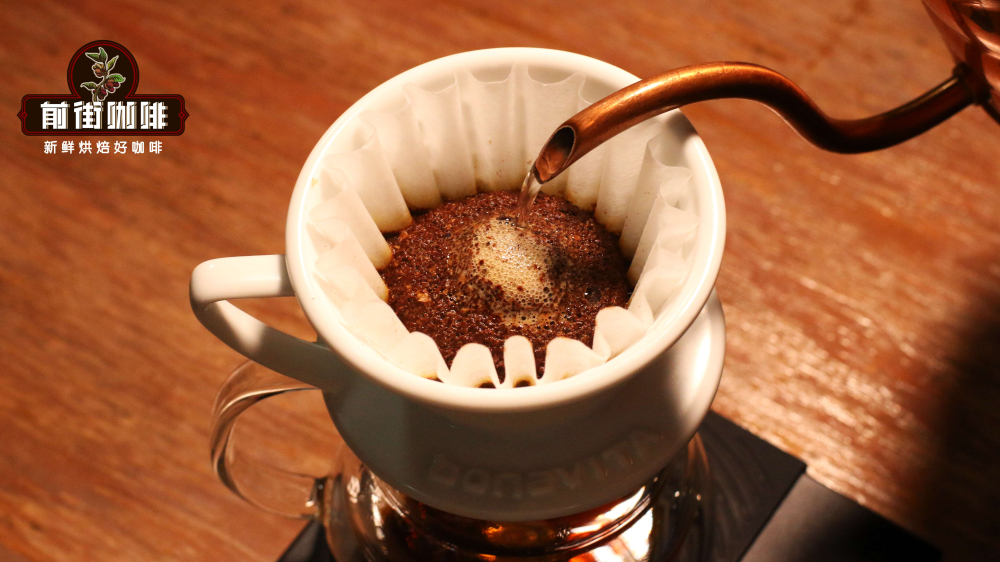
Pour-over coffee Suitable for: those who love delving into coffee
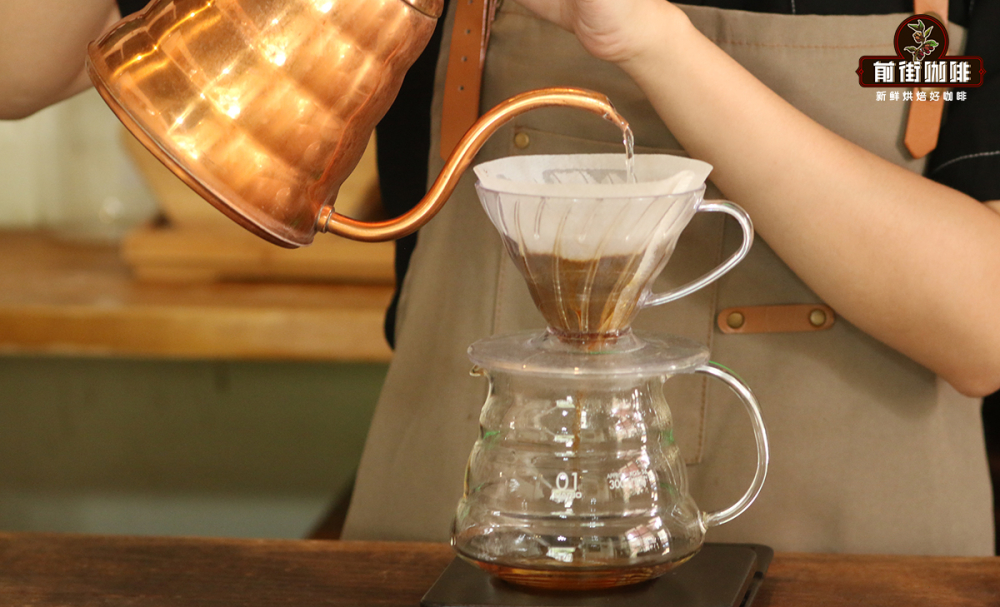
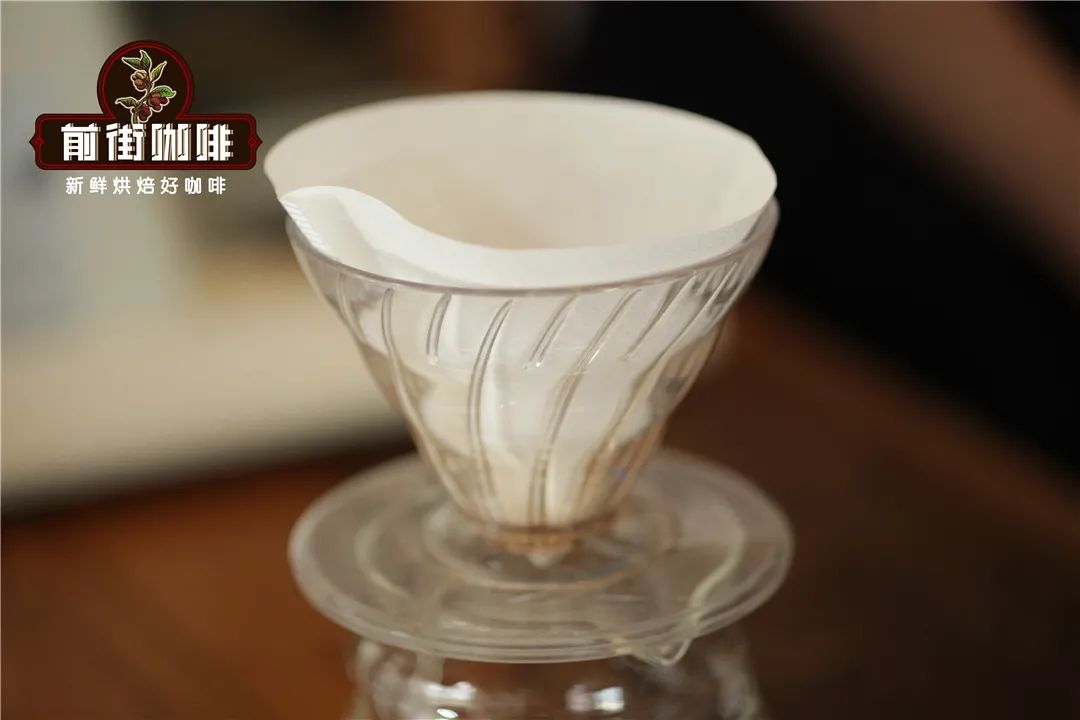
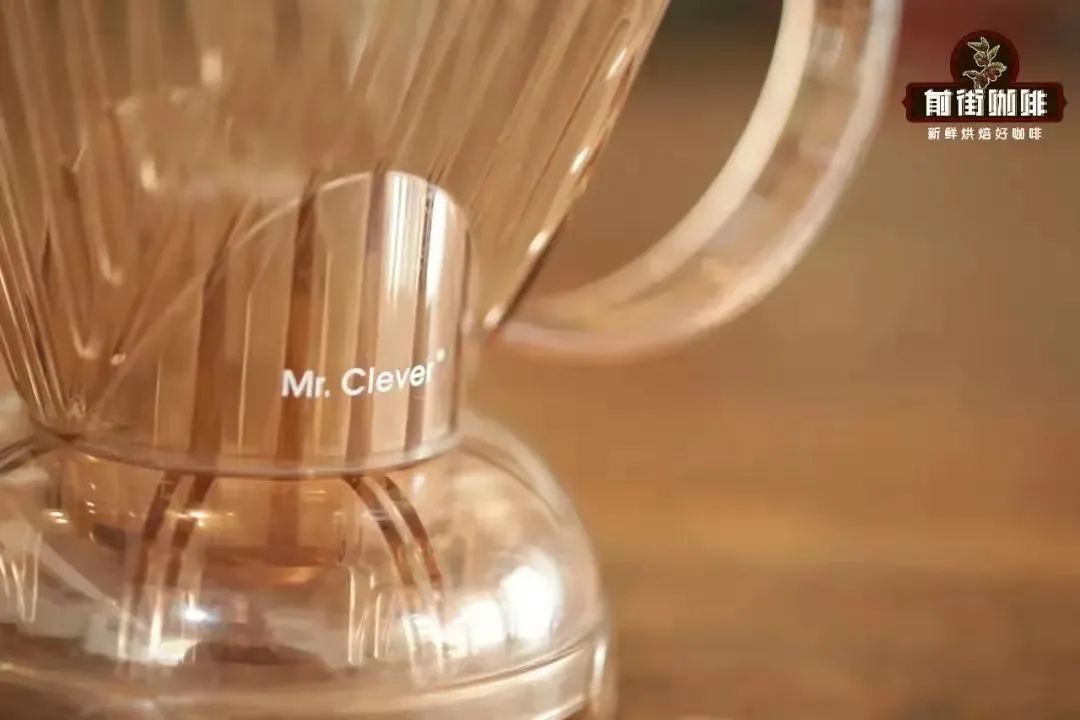
Its method of use is slightly different. First, whether to rinse the filter paper is up to you; after pouring the coffee grounds into the dripper, pour in a small amount of hot water, then you can stir or choose not to stir. After blooming, pour hot water according to the coffee-to-water ratio. There's no requirement to pour in a concentric circle pattern here. After pouring is complete, you can stir to help with extraction. When the soaking time is up, place the dripper on the server, the valve will open automatically, and extraction is complete.
AeroPress Suitable for: those who are obsessed with high-body coffee
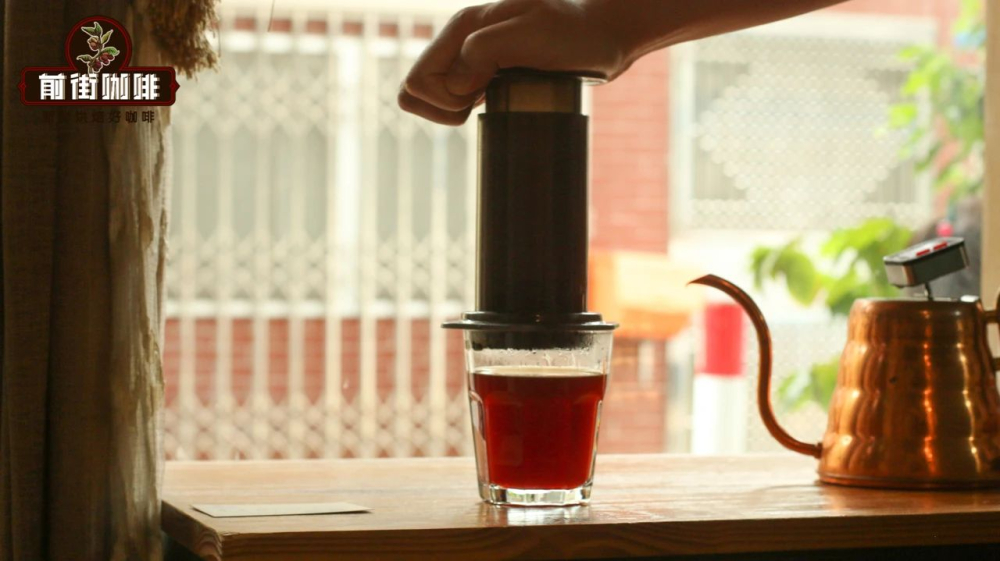
The AeroPress was born for convenience—a portable device that can quickly make a cup of coffee. It has an annual World AeroPress Championship. But rather than a competition, it's more like people wanting to celebrate this great invention in this way. Its playstyle is varied and highly operable, with no absolute rules.
Front Street believes the biggest difference is that when you use the standard method to pour water, some coffee gets filtered out at the same time, which affects the completeness of the taste; using the inverted method can avoid this problem.
As for AeroPress brewing parameters, if you ask Front Street for a standard AeroPress brewing recipe, we'd probably have to say sorry to everyone (shrug.jpg). But we do have two insights: the AeroPress's material determines that it dissipates heat slowly and loses little temperature; however, too high a temperature can easily cause over-extraction, and too low a temperature can lead to under-extraction. Using a lower water temperature—within the range of 84 degrees ±2 degrees—can yield a smoother, more balanced taste.
Moka pot Suitable for: those who are heavy espresso lovers
French press Suitable for: those who want coffee in the simplest, simplest way
Suitable for: Chemex is especially suitable for artistic youth & for those who want to brew multiple servings of coffee at once
Fully automatic and semi-automatic espresso machines. Fully automatic requires no manual operation—it can automatically grind, tamp, and make coffee. Just add coffee beans and enjoy. Its rich functions correspond to a more complex structure and higher maintenance costs. Semi-automatic is called the most professional coffee machine, with better extraction than fully automatic. But it requires manual dosing and tamping, demanding more from the operator. Compared to fully automatic, its structure is simpler and maintenance is easier.
For this type of equipment, due to the use of pressurized extraction, combined with extremely fine grinding and high water temperature, if you choose coffee beans with a lighter roast level, it's easy to get sour and astringent flavors. Therefore, Front Street recommends prioritizing dedicated espresso beans, especially those with flavors of nuts, cocoa, cookies, chocolate, and caramel, such as Front Street Classic Blend coffee beans, Front Street Commercial Blend coffee beans, the espresso beans recommended by many baristas—Front Street Dark Cocoa Blend coffee beans, Front Street Sunflower Warm Sun Blend coffee beans, etc.
Drip coffee maker
Drip coffee makers are also called American-style fully automatic.
Drip coffee is relatively lighter in concentration and simpler to operate, producing a finished cup in 5-8 minutes, very suitable for home and office use. But because it uses normal-pressure hot water, it cannot extract coffee oils, and the coffee concentration isn't high. If you don't want to drink instant coffee but aren't chasing espresso, then a drip coffee maker is recommended.
The above content is compiled by CoffeeHunters, a coffee news website.


