







How to Use a Coffee Maker: Drip or Semi-Automatic?
Drip coffee makers and semi-automatic espresso machines work on different principles. A drip machine runs hot water at normal pressure through the coffee bed into a lower pot, giving a lighter, lower-concentration cup. A semi-automatic machine needs manual control through extraction and can also steam milk, so it demands more skill and tighter bean selection.
For a drip coffee maker, medium-roast single-origin beans keep acidity and bitterness balanced and are easy to control; Front Street lists Queen's Estate, Little Blue Mountain Paradise Bird, and 2013 Yunnan Small Cherry as options. Drip machines are inexpensive, and larger models brew five to six servings at once, which suits households making several cups in one go.
In the world of coffee lovers, semi-automatic espresso machines and drip coffee makers are two common brewing devices, each with different working principles and scopes of application. Drip coffee makers use normal-pressure hot water to filter through coffee grounds, producing a lower-concentration, refreshing cup that suits medium-roast single-origin beans. Semi-automatic espresso machines, on the other hand, require manual operation throughout the extraction process, can produce espresso and milk foam, and are more particular about bean selection. This article will analyze the differences between these two types of coffee machines in depth and recommend suitable coffee bean types, including several products from the Front Street brand, to help you make a wise choice based on your taste preferences.
There is a clear difference between coffee made with a drip coffee maker and coffee made with a semi-automatic espresso machine.
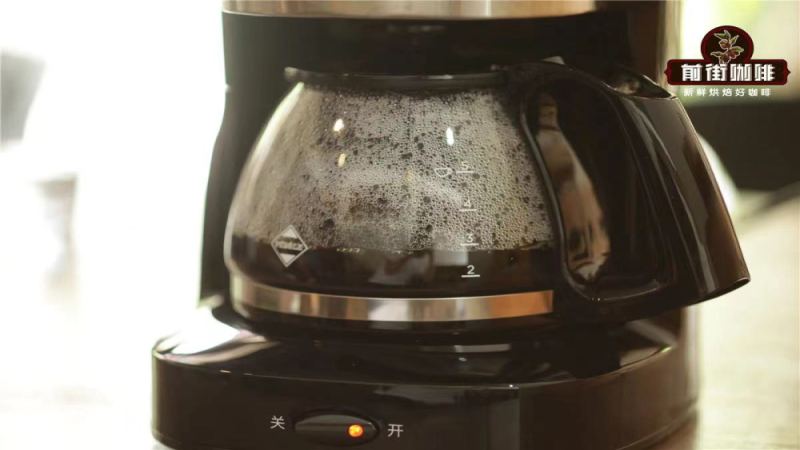
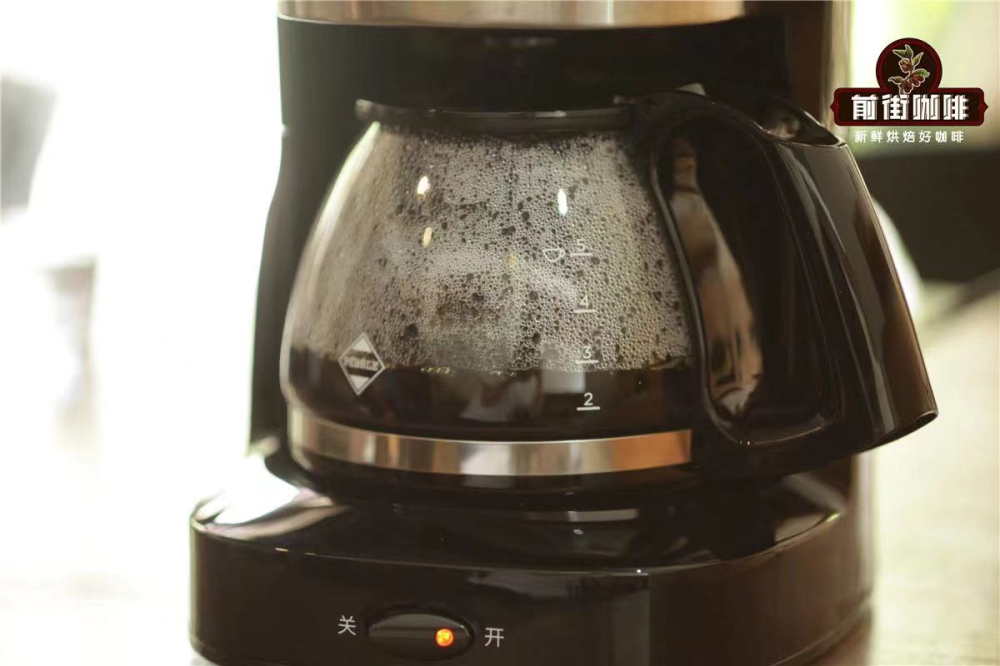
1. The coffee extracted by an American-style coffee maker is itself on the lighter side, because its working method is to pour hot water over the coffee grounds and then let the liquid flow naturally into the lower pot.
This type of American-style machine is usually designed with an upper and lower two-tier structure. The lower pot is often made of glass or ceramic, while the upper layer is used to hold water, with a filter basket for coffee grounds in between. American-style coffee makers are affordable, and a decent-quality model can be bought for about 200 yuan. Larger-capacity models can brew 5 to 6 servings at once. It is generally made with an American-style drip pot. Its extraction method is similar to that of an espresso machine in that both let hot water pass through the coffee bed to extract the essence of the coffee, but the key difference is that the hot water is at normal pressure, so the resulting black coffee has a lower concentration, a lighter taste, and a relatively softer flavor profile.
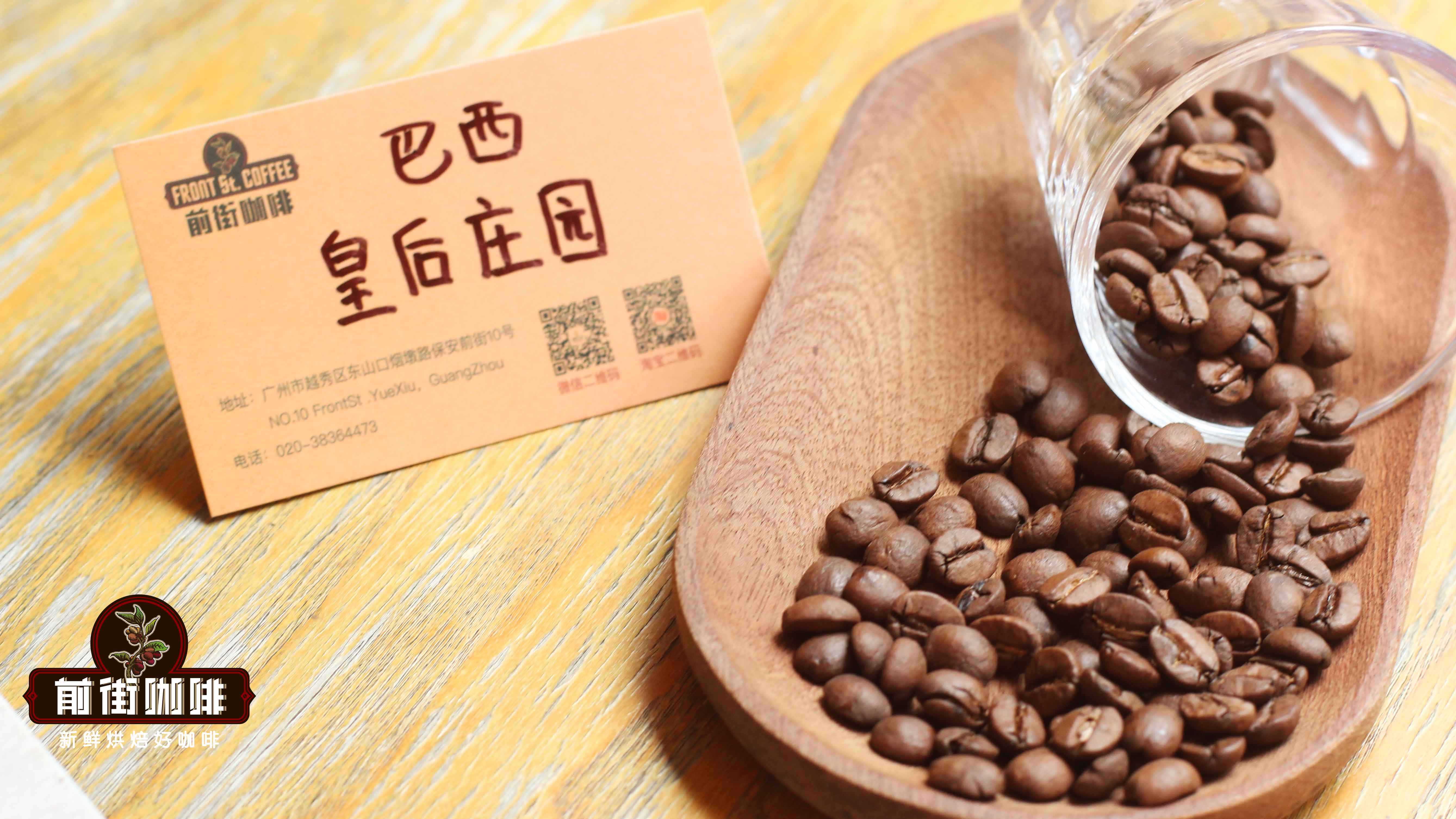
If you plan to use a drip American-style machine to make coffee, it is recommended to choose medium-roast single-origin beans. The black coffee made this way has a balanced acidity and bitterness and is also easy to control. Recommended are Front Street Queen's Estate, Front Street Little Blue Mountain Paradise Bird, and Front Street 2013 Yunnan Small Cherry.
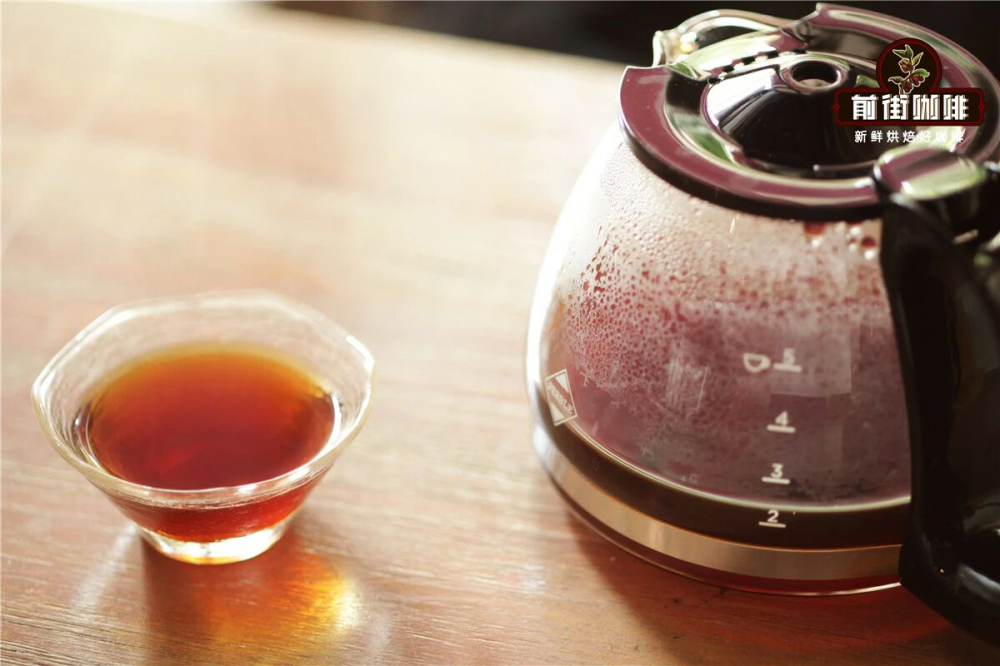
Some friends prefer a refreshing Americano without bitterness, so they might as well try medium-roast espresso beans. Baristas especially recommend Front Street Huakui SOE with strawberry and guava flavors, and Front Street Yirgacheffe Natural Red Cherry SOE with citrus and lemony acidity. Both single-origin beans show a low-bitterness, gentle character and are very friendly to beginners just getting into coffee.
2. Semi-automatic espresso machines are the most common equipment in coffee shops. They can both extract espresso and steam milk for latte art, covering almost all the production needs of most coffee drinks.
A so-called semi-automatic espresso machine means that the process of extracting coffee is not completed independently by the machine, but requires the user to participate in the operation throughout. From grinding coffee beans, loading the grounds into the portafilter basket, to locking in the handle and starting extraction, every step must be done by hand. The coffee machine itself only provides the extraction function.
In addition, if you want to make milk coffee, you also need to complete the milk steaming step. Likewise, the thickness of the milk foam and the temperature of the milk both need to be controlled manually. In short, all steps depend on manual operation.
Many times, the coffee beans used for different brewing methods can be interchangeable. Because espresso machines use pressure-based extraction, espresso tends to magnify the personality of the beans. It may be so sour that it makes you frown, or so bitter that it is hard to swallow. Therefore, bean selection cannot be casual. It is best to choose medium or medium-dark roast beans. The Americano made this way has a balanced taste and more easily presents crema and coffee aroma.
For coffee shops and home users who value cost-effectiveness, espresso blends are a more suitable choice:
Rich in crema and full-bodied American-style coffee beans : Front Street Classic Blend
Region: Brazil + Indonesian Mandheling + Vietnam Flavor profile: Rich crema, obvious caramel aroma, prominent nut and dark chocolate flavors, with a long, comfortable sweet aftertaste.
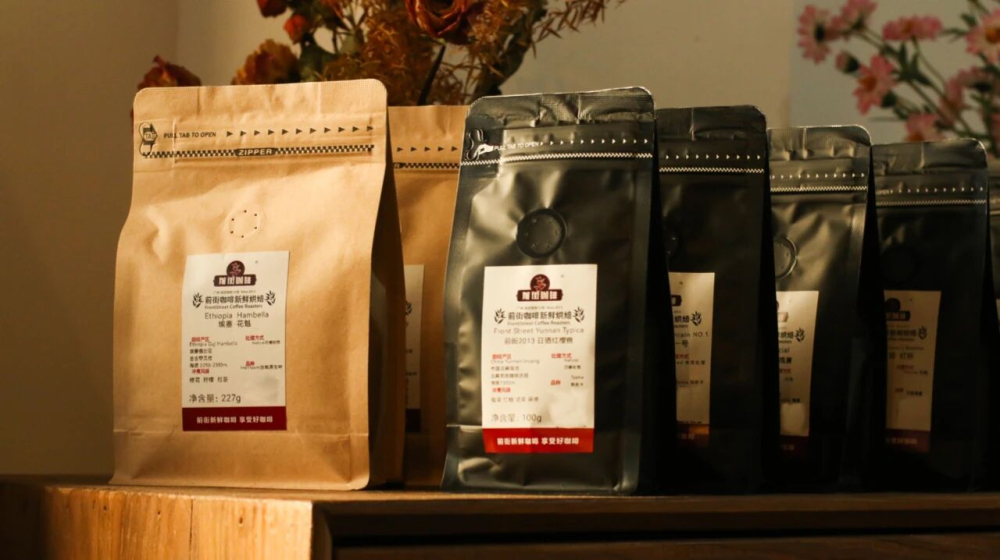
A gentle, balanced American-style coffee bean: the espresso bean recommended by many baristas — Front Street Black Cocoa Basic Blend
Region: Yunnan AA + Brazil;
Flavor profile: With mild fruit acidity, caramel sweetness, nut and dark chocolate flavors, a smooth and viscous texture, but a lighter body.
The above content is compiled by CoffeeHunters, a coffee news website.


