







Search Results for: Loitering Without Purchase
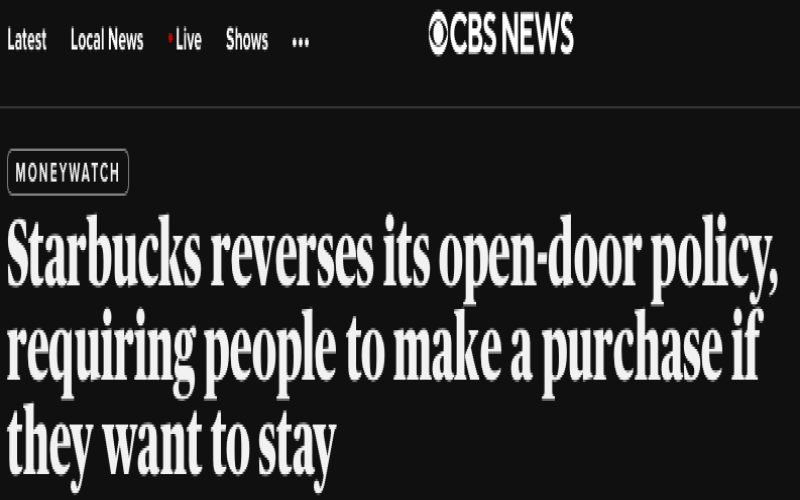
New Starbucks Policy in North America Ends Loitering Without Purchase, Chinese Stores Not Yet Following Suit
Starbucks recently announced the revocation of its long-standing open policy, requiring customers to make a purchase to enter all stores in North America, and introduced a new customer code of conduct. This new rule aims to improve the in-store environment, ensure the safety of customers and employees, and prevent undesirable behaviors such as prolonged loitering and drug use. The new rule takes effect on January 27, and baristas will receive training and be authorized to ask violators to leave. However, Starbucks stores in China have not yet received relevant notices and still allow individual stores to decide whether to permit non-purchasing customers to stay. [more…]
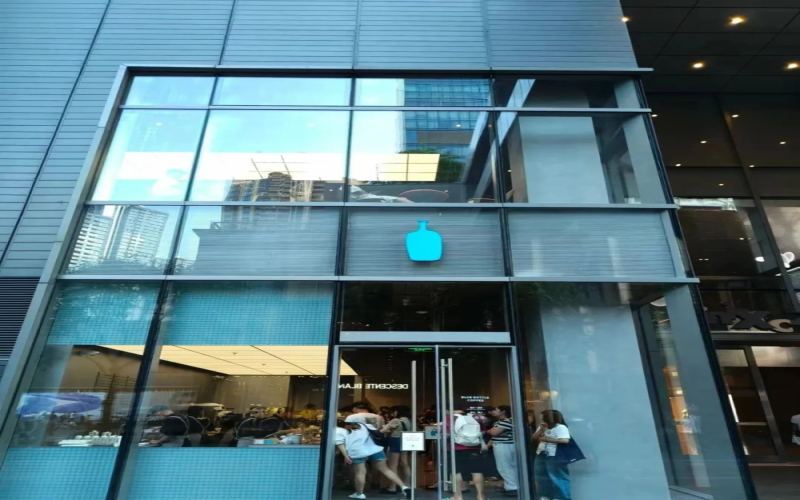
Blue Bottle Coffee's first South China store opens in Shenzhen MixC World, with a limited-edition blue dripper debuting alongside
Blue Bottle Coffee has officially announced the opening of its 9th store, located in Shenzhen MixC World, marking the brand's first entry into South China. The new store is designed by the Hong Kong young architect team COLLECTIVE, with the concept of "blue imagination related to the sea," incorporating the character of Shenzhen as a future city. The first floor of the store is the coffee preparation area, and the second floor is the customer enjoyment area, with varying shades of blue running through the bar, shelves, stairs, and tables and chairs. Most notably, the store launches the world's exclusive first blue dripper, which is only used and sold at the Shenzhen store. On the opening day, the queue once lasted up to two hours, and it returned to normal the next day. In addition, it is rumored online that Blue Bottle Coffee may enter Chengdu Taikoo Li and Xi'an MixC, and its expansion pace is worth watching. [more…]
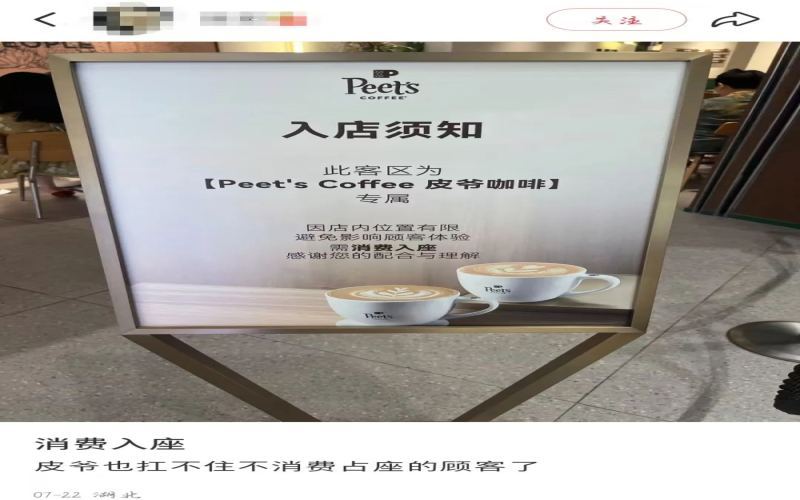
Peet's Coffee's implementation of a minimum purchase requirement for seating sparks debate: can chain brands use this to tackle seat-hogging?
Recently, a Peet's Coffee store in Wuhan placed a "Notice for Entry" at its entrance, explicitly requiring customers to make a purchase before they can be seated. This move quickly sparked widespread discussion among netizens. Many consumers expressed support, believing it can effectively curb uncivilized behaviors such as occupying seats for long periods without buying anything, playing cards, putting on makeup, or even livestreaming. Others questioned the notice's actual enforceability. Previously, Starbucks tried a similar policy, but the results were less than ideal. Whether Peet's move can truly improve the store environment and enhance the customer experience has become a focal point of attention in the coffee industry. [more…]
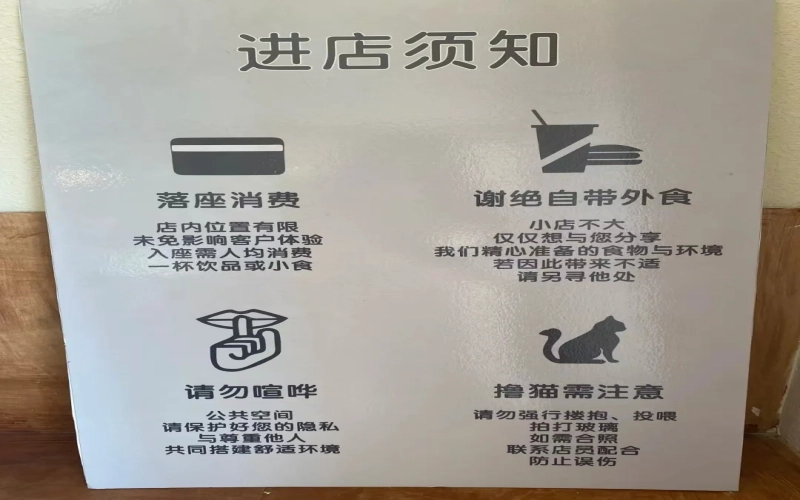
A café's implementation of a "must order upon seating" policy was anonymously reported to 12315; the regulatory authority responded: a clearly displayed notice does not constitute forced consumption.
In chain brands and independent cafés alike, the phenomenon of customers occupying seats without ordering has long plagued operators. Recently, a café owner faced negative reviews and was then anonymously reported to 12315 for setting a rule requiring a purchase to be seated, sparking widespread attention. Regulatory authorities made it clear that if there is a clear notice in the store, it does not constitute forced consumption. This article reviews the course of events, combines lawyers' views with the current state of the industry, explores the legal boundaries of consumption-based seating and the survival difficulties of independent cafés, and also provides reference and lessons for others in the industry. [more…]
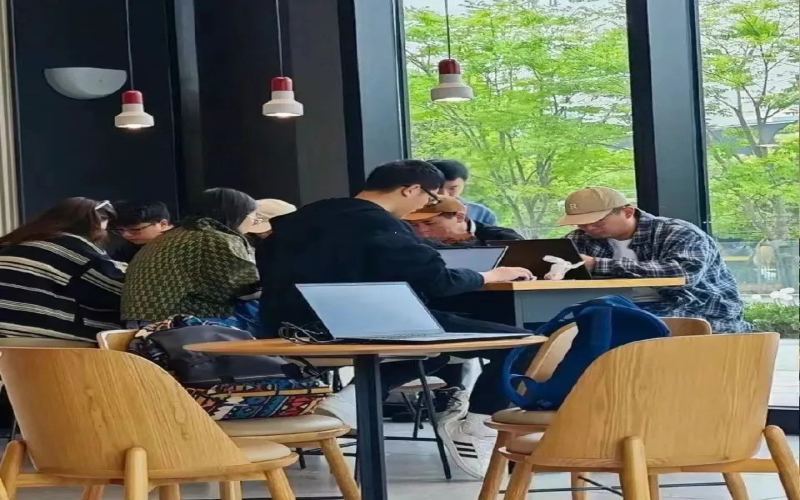
New Developments in Starbucks Store Seating Management: Non-Purchasing Customers May Face Polite Requests to Leave, Sparking Controversy Over the "Third Place" Positioning
Starbucks has long positioned itself around the "third space" concept, offering customers a place to study, work, and socialize. However, as the phenomenon of occupying seats without making a purchase becomes increasingly common, many paying members report that store seating is taken up by non-consumers, greatly diminishing their experience. Recently, some netizens revealed that certain stores have begun "politely asking" non-purchasing customers to leave, requiring anyone who sits down to place an order, sparking widespread discussion. Supporters argue this helps maintain operational order, while opponents worry it damages the brand image. Starbucks customer service responded that all stores welcome customers to sit, regardless of whether they make a purchase. How will this debate over the boundaries of the "third space" ultimately affect Starbucks' future direction? [more…]
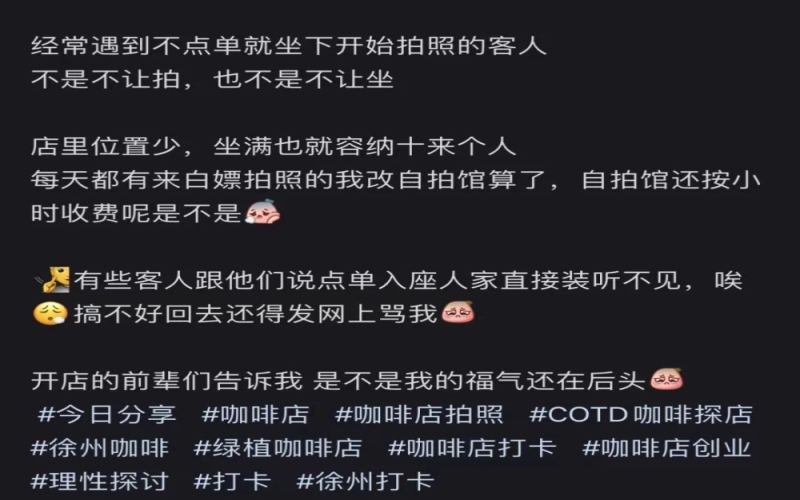
Should Coffee Shops Require a Purchase to Sit? Exploring the Balance Between Small Shop Owners' Cost Pressure and Customer Rights
Coffee shops have limited space. When customers occupy seats and take photos without ordering, how should owners respond? Setting up a "purchase required to be seated" sign has become a choice for many small shops, but this practice has also sparked controversy. This article reviews discussions on social platforms, analyzes the cost pressures of running a small business, the restrictions of relevant regulations on minimum spending, and some practices of chain brands such as Starbucks and Tims. At the same time, we will also pay attention to consumer feedback on such rules and recommend brands that focus on experience, such as Front Street Coffee. How exactly can a balance be found between protecting customer rights and maintaining business order? This is worth thinking about for every coffee lover. [more…]
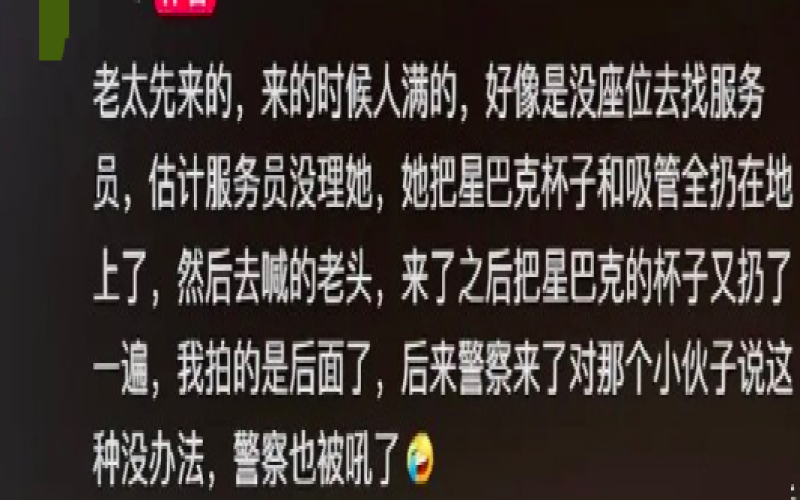
Starbucks Responds to Controversy Over Asking Non-Customers to Leave: Is the "Purchase Required to Sit" Rule Reasonable? Heated Debate Ensues
Recently, videos of altercations between Starbucks staff and non-paying customers have surfaced one after another on social media, drawing widespread attention. On one side, an elderly person argued with staff after being asked to leave for not making a purchase; on the other, a store in Xi'an was accused of frequently shooing away passersby who hadn't bought anything. Starbucks customer service responded that stores do indeed have a "purchase to be seated" rule, but they won't force customers to buy. Behind this new rule lies the real dilemma of store environments being affected by people who occupy seats without spending, and it also reflects the discussion about the boundary between commercial premises and public space. As a coffee enthusiast, what do you think of Starbucks' approach? [more…]
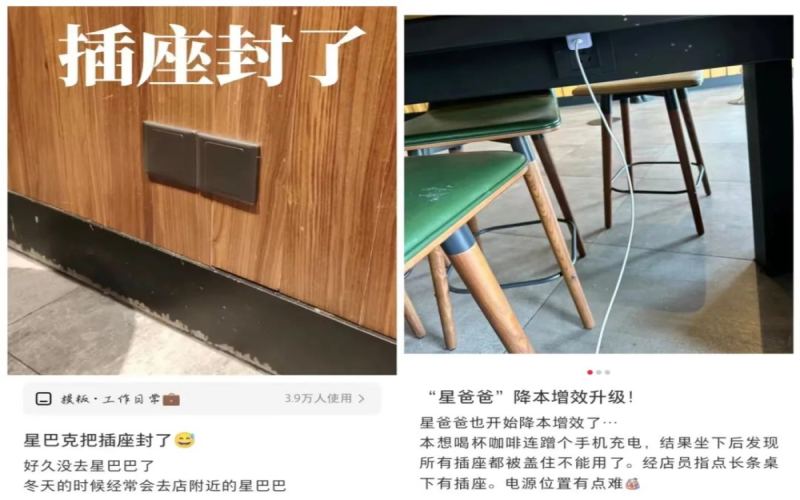
Starbucks stores sealing off power outlets sparks debate: the dilemma between third-place experience and resource occupation
Recently, customers in many places have noticed that some power outlets in Starbucks stores have been sealed off, sparking widespread discussion. As a chain brand positioned around the "third place," Starbucks has long attracted office workers, students, and other consumers who linger for extended periods, and amenities such as power outlets and Wi-Fi are among the reasons for its popularity. However, the behavior of some people who occupy seats and charge their devices without making a purchase has forced stores to take countermeasures such as sealing off outlets and requiring a purchase to be seated. Is this move a helpless step to cut costs and improve efficiency, or does it harm the experience of genuine customers? This article synthesizes multiple viewpoints to explore the balance between the operational dilemmas behind Starbucks' outlet closures and consumer rights. [more…]
Customer Accidentally Breaks Purple Clay Teapot Lid, Asked to Compensate Over 900 Yuan; Netizens Debate Whether Compensation Standard Is Reasonable
Drinking coffee in a café is supposed to be a relaxing and pleasant affair, but if you accidentally damage a display piece in the shop, it can trigger a headache-inducing compensation dispute. Recently, a customer in a café accidentally broke the lid of a Yixing clay teapot priced at 3,980 yuan, and ultimately compensated 926.5 yuan, half of the wholesale price. After the incident came to light, netizens engaged in a heated discussion over whether the compensation amount was reasonable and whether the shop should present purchase receipts. Why is it so hard to find a matching lid for a handmade Yixing clay teapot? How should responsibility be divided between the customer and the shop? This article will walk you through the incident and the various viewpoints, and explore how fragile utensils should be displayed and used in coffee spaces. [more…]
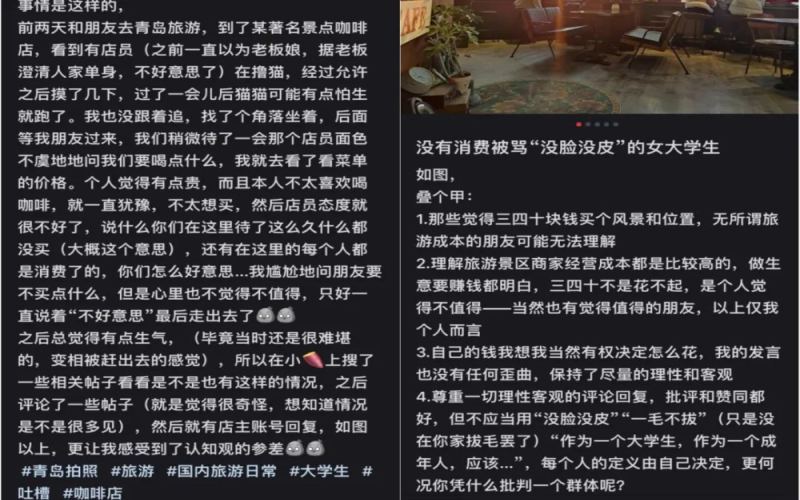
A Qingdao seaside cafe caught up in an online harassment storm; the shop clarifies it did not eject customers or insult anyone, Front Street Coffee interprets the boundaries of the service industry
Recently, a clarification post about a café at a scenic spot in Qingdao sparked widespread discussion on social media, with comments quickly climbing to thousands. The incident began when a tourist claiming to be a university student posted about an unpleasant experience at the café, saying they were indirectly driven out by staff for not making a purchase, and later claimed to have been insulted. However, as the business came forward to recount what actually happened, the situation took a turn, and the original poster eventually apologized voluntarily. This controversy not only reflects the differing perceptions between consumers and service venues regarding occupying seats, spending, and service, but also prompts a reexamination of the operational difficulties faced by cafés at tourist attractions during holidays. Today, Front Street Coffee walks you through the full story. [more…]
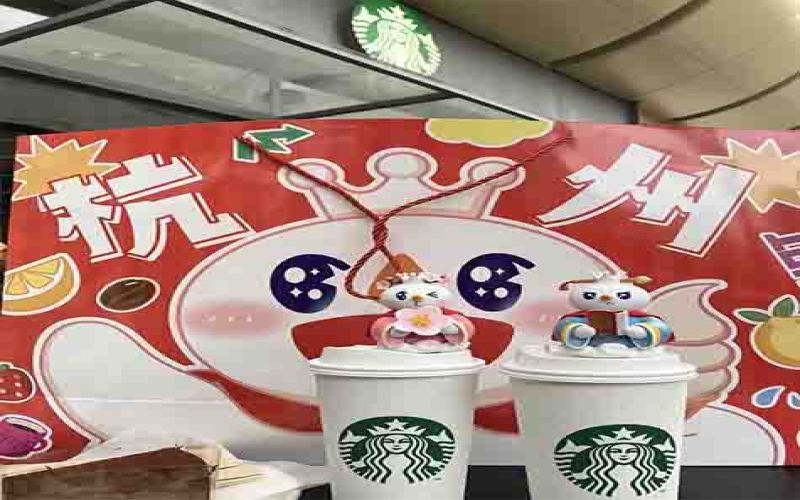
Starbucks's gentle notice sparks debate: After Mixue Bingcheng fans check in and occupy seats while dismantling merch, how can stores respond gracefully?
After the Mixue Bingcheng flagship store opened in Hangzhou, a large number of fans went to check in, and the nearby Starbucks store became a place for fans to rest and organize their spoils. Faced with passersby who occupied seats without making a purchase, Starbucks did not forcefully drive them away, but instead posted an extremely gentle notice reminding them to help put trash into the bin when unwrapping packaging. This notice, which contains no words such as "please do not" or "prohibited" throughout, was called by netizens a dignified reminder "cautious in every word." Behind the incident is the dilemma coffee shops face between maintaining the consumer experience and avoiding public opinion risks. [more…]

Taiwanese customer at a coffee shop mooches electricity to binge-watch dramas and refuses to buy anything; after the shop calls the police, the customer is handcuffed and taken away, then returns to the shop to review the surveillance footage.
Recently, a coffee shop in Taiwan experienced a dispute triggered by a customer who had been freeloading on electricity for a long time and refused to make a purchase. This customer was a regular at the shop, visiting multiple times to charge their phone and watch dramas with the sound on, yet never bought anything. After repeated unsuccessful attempts to persuade them, the staff chose to call the police. When the police arrived and tried to persuade the customer to leave, they also met with refusal, ultimately leading to the customer being handcuffed and taken away as a "thief caught in the act." Surprisingly, the customer returned to the same coffee shop the very next day, demanding access to the surveillance footage of the incident and presenting a medical report to accuse the shop and the police. The shop stated that the matter has been handed over to the judicial authorities. This incident has sparked discussions about the boundaries of coffee shop operations and customer behavior. [more…]
Starbucks Odyssey: Merging NFTs and Membership Rewards on the Polygon Platform
Ahead of its Investor Day, Starbucks disclosed the latest developments in its employee benefits and customer loyalty programs. Among them, the Web3 platform "Starbucks Odyssey," created in partnership with Polygon in the United States, has drawn particular attention. The platform combines Starbucks Rewards with an NFT mechanism and is expected to launch within the year, allowing U.S. members and employees to earn digital collectibles through interactive activities and unlock unique experiences. Members can also purchase NFTs with a credit card without needing a crypto wallet, lowering the barrier to participation. At the same time, Starbucks also introduced two benefits exclusively for U.S. employees: student loan management and My Starbucks Savings. This article will sort through the details of these new programs and the intentions behind them. [more…]
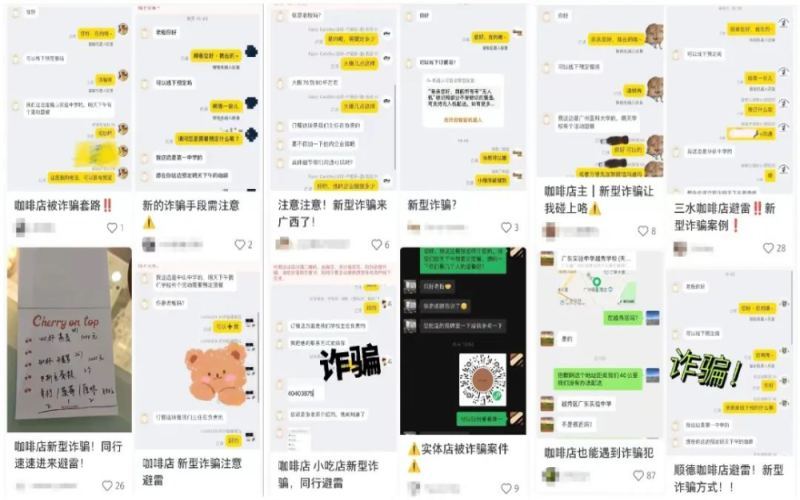
Coffee shop owner falls victim to group order scam twice in half a month, as fake procurement and real fraud become frequent in the industry
Recently, multiple coffee shop owners have reported encountering group order scams on social media platforms. The scammers purchase large quantities of coffee drinks under the guise of school or corporate team-building events, then ask the shop owners to purchase gifts such as wagyu beef and Buddha Jumps Over the Wall on their behalf. Working in collusion with so-called suppliers, they set traps that leave shop owners unable to receive goods after payment. This type of scam is particularly frequent in the Guangdong region, with multiple shop owners encountering the same trap on the same day. The scammers use verified corporate accounts and employ consistent scripts, suggesting an organized gang operation. Shop owners have been posting warnings to fellow industry peers, urging them not to let their guard down just because of a large order. Faced with these frequent scams, operators are calling for joint efforts to provide clues to the police, but they face difficulties in getting their cases accepted and filed for investigation when it comes to protecting their rights. [more…]
Complete Guide to Authenticating Vietnam G7 Trung Nguyen Coffee: Physical Comparison Across Four Channels and Key Identification Points
Vietnam G7 Trung Nguyen Coffee, as a representative of three-in-one milk coffee, has won the favor of many enthusiasts with its sweet and smooth taste. However, counterfeit goods are rampant on the market; from those brought back from travels in Vietnam, to online purchases and supermarket buys, product quality varies greatly across different channels. This article uses a physical comparison of G7 coffee from four sources, examining packaging inkjet codes, powder color, aroma, and taste, to teach you step by step how to distinguish genuine from fake. The article also mentions related product information from Front Street Coffee, providing a useful reference for coffee lovers. [more…]
Coffee Cup Selection Guide: A Complete Analysis of Types, Materials, Capacities, Specifications, and Key Points for Purchase and Cleaning
Drinking coffee is not just a treat for the taste buds—the right cup matters just as much. This article systematically breaks down the differences between coffee cups and tea cups, the material characteristics of pottery, porcelain, and bone china, how the interior color of a cup affects the observation of the coffee liquid, and practical advice on choosing cup shapes according to the type of coffee. It also explains in detail the suitable scenarios for three capacity specifications—under 100cc, around 200cc, and over 300cc—and shares cup-warming methods, cleaning taboos, and bone china care guidelines, helping coffee lovers elevate their tasting experience through the details. [more…]
2022 Yunnan Coffee Bean Price Market Analysis: Purchase Price per Kilogram of Arabica Coffee and Industry Status Analysis
Yunnan is China's main coffee-producing region, accounting for over 99% of the national output. However, for a long time the pricing power for coffee beans has been subject to the New York futures market, leaving it without bargaining power. In recent years, international green bean prices have remained persistently low, even falling below the cost line of 15 yuan/kg, causing many coffee farmers to cut down trees and change careers. In 2020, the province's planting area shrank by nearly 20% compared with the 2014 peak. At the same time, the rise of specialty coffee has opened a new path for Yunnan coffee, with the consumption scale of Yunnan coffee on the Tmall platform increasing by 135% year on year. This article will sort out the latest price details of Yunnan coffee beans, the industry's difficulties, rescue actions from various parties, as well as the planting history and producing-area advantages, to give you a comprehensive understanding of the current situation of Yunnan Arabica coffee and Front Street's brand observations. [more…]
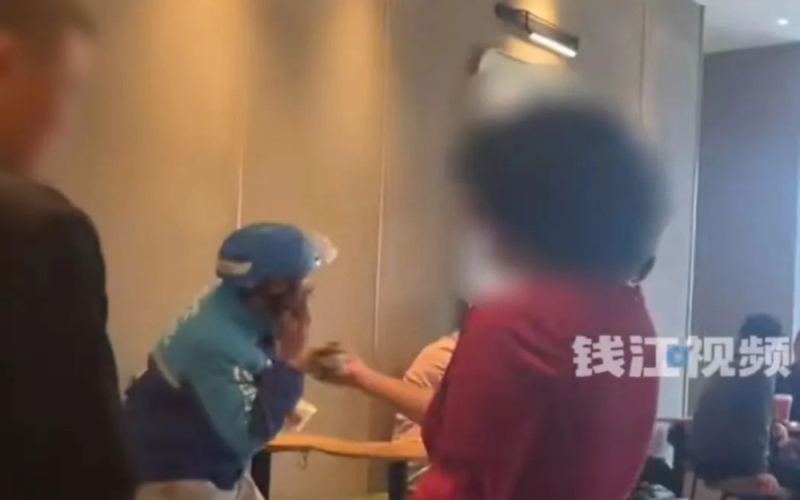
Starbucks Customer Demands Delivery Rider Be Removed, Claiming They "Pollute the Air," Sparking Debate Over Sitting Without Buying
When drinking coffee at Starbucks, if a delivery rider who hasn't made a purchase is sitting nearby, would you mind? Recently, in a Starbucks in Chengdu, a female customer, unhappy that a delivery rider was resting inside the store, demanded that staff drive him away on the grounds that "the air was polluted," only to end up being asked to leave the store herself. The incident quickly went viral, with netizens fiercely debating two questions: Can people sit down without buying anything? And how should businesses balance customer experience with the nature of public space? Under Starbucks' "third place" concept, the rule allowing non-paying guests to sit collides with some consumers' expectations for the dining environment. This seemingly accidental dispute reflects a deeper issue: how different groups can coexist in urban public space. [more…]
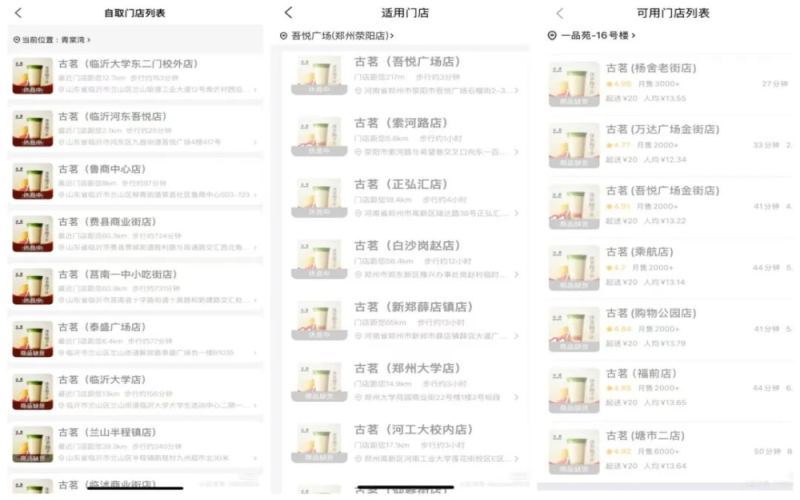
Delivery platform's "buy for 0 yuan" promotion caused abnormal online status at Guming stores, sparking controversy as consumers struggle to redeem coupons
A new round of subsidy battles on delivery platforms has once again ignited the tea beverage market, with Meituan handing out large numbers of tea drink vouchers, while Ele.me and Taobao Flash Sale fight back with hefty discounts. However, after claiming the vouchers, many consumers found that Goodme stores in Shenzhen, Xi'an, Chengdu, Nanning, and other places showed as "resting/closed" or out of stock on third-party platforms, making it impossible to redeem normally. Interestingly, the same stores were still open on the official mini-program, and products included in the promotion, such as lemonade, could still be ordered. The contradiction between stores actually being overwhelmed with orders and appearing "closed" online has led many to speculate that this is a measure taken by the brand to ease order pressure. Consumers have expressed dissatisfaction over the chaotic promotion, orders being automatically canceled, and no stock upon arrival at stores. Front Street Coffee continues to follow industry developments and brings in-depth observations. [more…]
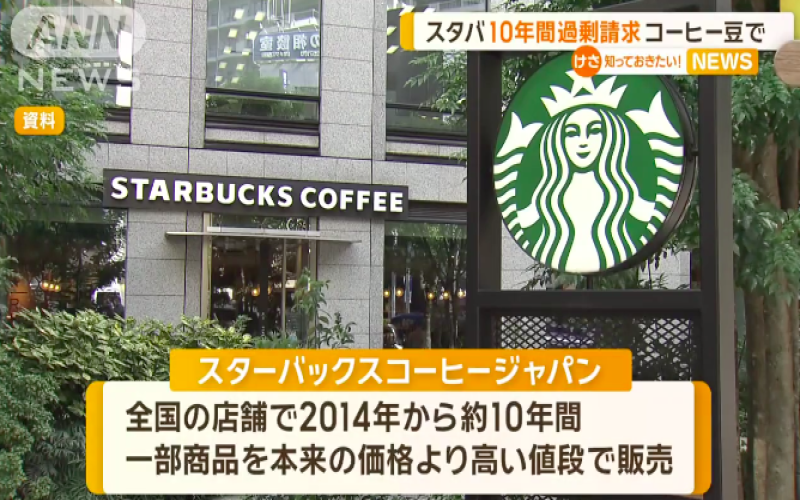
Starbucks Japan's Decade-Long Pricing Error: Overcharges on 164 Coffee Bean Products, Official Apology and Three Refund Options Announced
Starbucks Japan recently issued an announcement admitting that from September 2014 to January 2024, 164 types of coffee beans across its nationwide stores were sold above their listed prices due to a defect in the cash register system settings. Over the ten-year period, a total of 5,896 bags of affected products were sold, with overcharges amounting to 124,033 yen. The company has corrected the system and issued an apology, while offering three refund options: stored-value card members will automatically receive the difference back, while other customers need to bring a receipt or provide purchase information to handle it at the counter. Netizens generally believe the time span is too long and the amounts too small, and suggest apologizing with more practical compensation such as drink vouchers. [more…]