







Search Results for: Legend of the White Snake

A Hangzhou coffee shop launches a specialty drink decorated with real dried snakes, sparking heated discussion over "White Snake" and "Bamboo Leaf Green."
Competition for creativity among independent coffee shops is heating up. Some rely on photogenic interiors, some on word-of-mouth for their service, and others grab attention with unexpected, wildly imaginative ideas. Recently, a coffee shop in Hangzhou drew inspiration from local culture and the legend of "The White Snake" to launch two snake-themed specialty drinks for the Year of the Snake—White Lady and Trimeresurus stejnegeri—quickly going viral online because the drinks are garnished with a real dried white-banded snake. In photos taken by customers, the snake's scale pattern is clearly visible; some people said it made their skin crawl, while others, after trying it out of curiosity, said it tasted somewhat like fried grasshoppers. The shop revealed that for customers who are afraid of snakes, it may later switch to snake-element latte art instead. This article will walk you through the creative origins of this snake coffee, customer feedback, and related reminders from doctors. [more…]
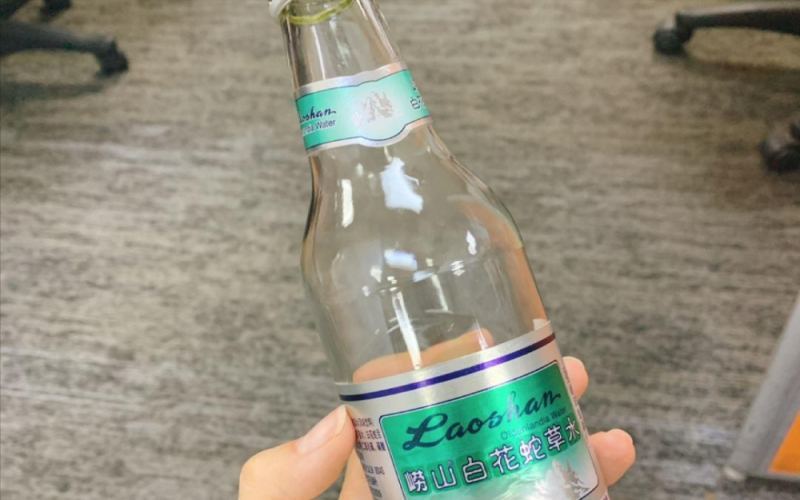
Tims partners with Laoshan Baihuasheshecao water to launch cold brew coffee, and Qingdao locals are crying foul
Laoshan White Flower Snake Grass Water has long been known as the "biological weapon" of the beverage world. When this drink, rated by countless netizens as the worst-tasting beverage, meets coffee, what kind of sparks will fly? Recently, Tims Coffee partnered with Qingdao Laoshan Mineral Water Company to launch Laoshan White Flower Snake Grass Water Cold Brew Coffee, sold only in Qingdao. As soon as the news came out, Qingdao locals expressed their resistance, while netizens elsewhere felt lucky they couldn't buy it. This article will take you through the story behind this hardcore special blend, and the curious early connection between White Flower Snake Grass Water and coffee. [more…]

A Complete Analysis of Mexico's Coffee Regions: Varieties and Terroir from Chiapas to Puebla
When people think of coffee-producing countries in North America, Guatemala, Panama, Costa Rica, or Jamaica often come to mind first, while Mexico remains relatively lesser-known—yet in recent years it has performed remarkably well. This third-largest country in Latin America boasts complex terrain and climate, where volcanic soil and high altitudes provide ideal conditions for coffee cultivation. Of the nation's more than 500,000 producers, the vast majority are smallholders with less than three hectares of land, and cultivation is concentrated in sixteen southern states, with four—Chiapas, Oaxaca, Veracruz, and Puebla—accounting for over ninety percent of total output. This article will guide you through Mexico's geography and climate, the terroir characteristics of its four major producing regions, and principal varieties such as Typica, Bourbon, Caturra, Pacamara, and Geisha, with a special introduction to Garnica, developed by the Mexican Coffee Institute. Front Street Coffee will also share related bean recommendations in this article. [more…]

Guming's Spring Festival Spinning Cup Sparks Controversy: Creativity Requires a Cup Sleeve, Missing Accessories at Multiple Stores Draw Consumer Complaints
Guming teamed up with Pan Hu Design Lab to launch a Spring Festival limited-edition "Fortune and Prosperity in Motion" themed packaging. One of the designs, a takeaway cup featuring a rotating interactive element, attracted considerable consumer interest thanks to its novel concept — some customers even placed orders specifically to collect the cup. However, many customers discovered upon receiving the actual product that the snake pattern on the cup body was hard to make out, and rotating the cup to the left as instructed produced no movement at all — a far cry from the dynamic effect advertised by the brand. Guming staff later explained that the rotating effect requires a special cup sleeve to work, and that this sleeve needs to be assembled. Due to the heavy order volume during the Spring Festival, some stores overlooked including it, which significantly undermined the customer experience. The incident sparked widespread discussion online, with some arguing that the promotional materials failed to clearly indicate the importance of the cup sleeve, while others pointed out that stores should ensure all accessories are complete before serving orders. [more…]

Nayuki partners with Harry Potter to launch house-exclusive drinks, and the release of co-branded merchandise sparks fan dissatisfaction.
The globally renowned IP Harry Potter has teamed up with Nayuki for a co-branded collaboration, launching limited-edition drinks and merchandise inspired by the four Hogwarts houses. However, controversy has dogged the campaign since its launch: the Slytherin house's signature drink, a fruit-and-vegetable blend of kale and kiwi, was mocked by fans as tasting like a "potion," while the other three were also criticized for various flaws; the uneven distribution of blind-box transparent cards in the merchandise further led consumers to question store operations. As an experienced co-branding player, Nayuki's performance this time has left many Harry Potter fans disappointed, dealing a double blow to both the campaign experience and brand goodwill. [more…]

Tims Tomato Americano Sparks Heated Debate: Employees Break Down During Taste Test, Consumer Reviews Polarized
Right after the Spring Festival holiday, Tims couldn't wait to launch two new spring drinks—Lucky Snake Fruit Americano and Provence Tomato Americano—promoting a healthy路线 of 0 fat, low calories, and real fruit juice. Among them, the tomato Americano quickly went viral for its bizarre pairing, but it also sparked polarized reviews on social media. Some found the taste so strange it was hard to swallow, with even employees saying they were崩溃 when taste-testing it; others were full of curiosity about the tomato flavor. Is this new product a bold innovation, or just another dark cuisine? Let's take a look at everyone's real feedback. [more…]
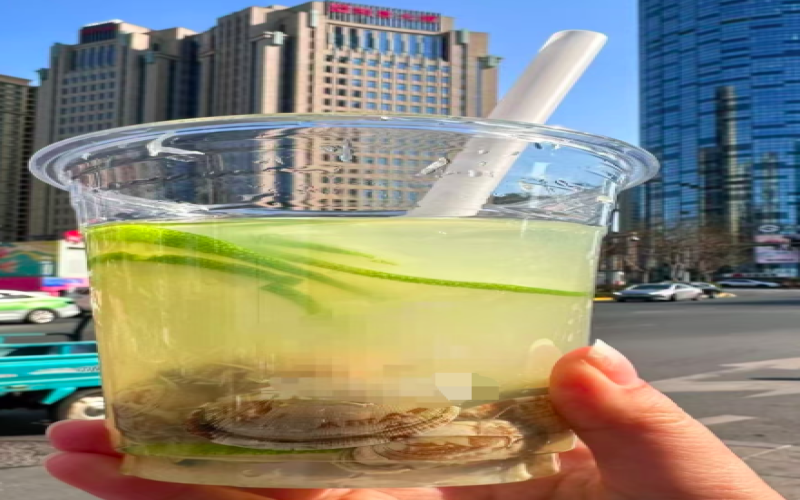
A milk tea shop in Qingdao has sparked discussion by launching clam milk tea. Can this creative drink made with clam broth be accepted by consumers?
Recently, a milk tea shop in Qingdao, Shandong launched a creative drink based on clam broth, quickly sparking widespread discussion on social media. The clam milk tea looks as clear as lemonade, with clam shells and lemon slices settled at the bottom of the cup, delivering a strong visual impact. Some people are eager to try it, some say it is hard to accept, and others have raised questions about its food safety. The store manager responded that the clam shells are only for decoration, and the drink does indeed contains broth simmered from Hongdao clams, mixed with perfume lemons and Laoshan white flower snake grass water. The product is currently still in the research, development and testing stage, and whether it will be launched in the future and how the formula will be adjusted remain to be seen. [more…]
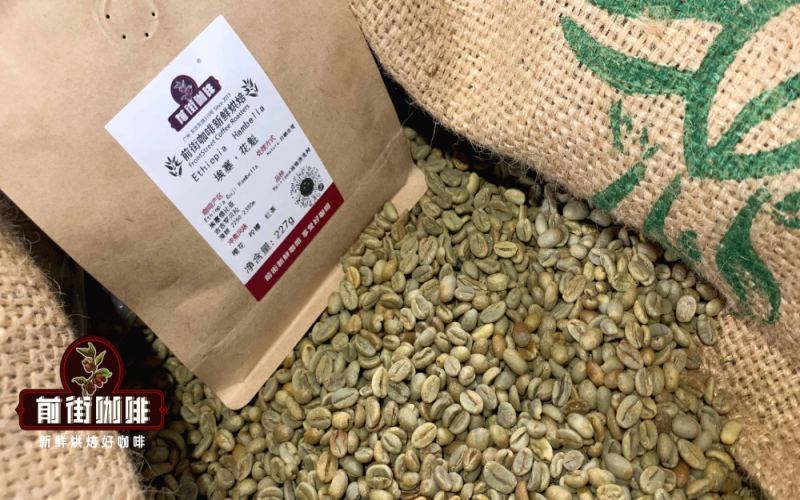
Ethiopia Sidamo Coffee Flavor Analysis: Washed and Natural Processing Characteristics and Hamasho 74158
Sidama is a well-known specialty coffee region in southern Ethiopia bordering Kenya, with elevations ranging from 1,400 to 2,200 meters. The terrain here is complex and varied, the volcanic soil is fertile and deep, and the microclimates together with countless native varieties combine to create coffees of extremely diverse styles. Beyond the widely known Huakui, Sidama has also produced many specialty beans worth attention, such as Front Street Hamasho with its delicate floral aromas. This article will review the geographical characteristics of Sidama and focus on the 74158 natural coffee from the Hamasho processing station, unfolding layer by layer from variety and processing method to flavor performance. [more…]

Introduction to Latte Art for Espresso: Master the Four Core Techniques of Height, Posture, Flow, and Control
Creating exquisite patterns on the surface of espresso is not out of reach, but the fluid dynamics when milk and coffee liquid meet truly require careful study. This article breaks down latte art techniques into four key elements: height, posture, flow rate, and control, helping coffee enthusiasts master the essentials step by step. From the initial height of pouring milk foam to the subtle swinging of the pitcher spout, from precise control of flow rate to the rhythmic variations of different patterns, each step is accompanied by specific operational instructions. The article also specifically mentions relevant product information from Front Street Coffee, providing readers with practical references. Whether you want to make a classic heart shape or challenge the Rosetta and tulip, these basic exercises are worth repeated study. [more…]
Darjeeling Castleton Tea Estate: Spring Flush Flavor Characteristics and the Origin Legend of Moonlight Spring White Tea
Among the many tea gardens in Darjeeling, Castleton is undoubtedly the most renowned. It was personally planted by Dr. Charles Graham in 1885 and is now part of the Goodricke Group, famous worldwide for its Moonlight White tea and first flush tea. The garden spans the slopes of Kurseong and Pankhabari, rising from 980 meters to 2300 meters in altitude. Of its 170 hectares under cultivation, 70% are heritage tea bushes, and it also possesses quality clonal varieties such as AV2 and Seeyok 1240. The high altitude and low-oxygen environment cause the tea to grow slowly, yet it concentrates richer flavors. Front Street Coffee's first 2021 China Red purchased this year comes from here—a first flush at 4,000 feet, with a medium-bodied yet balanced cup, fresh citrus, sweet green notes, and a finish carrying stone fruit and woody aromas. This article will take you into Castleton and savor in detail the aroma, taste, and aftertaste of its first flush tea. [more…]
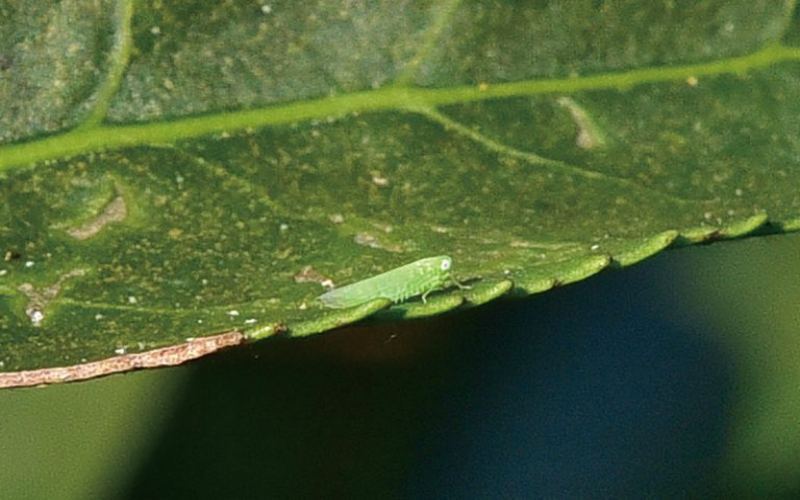
An In-Depth Analysis of Taiwan Baihao Oolong Tea: The Legend of Oriental Beauty Tea and Its Hot and Cold Brewing Methods
Oriental Beauty, scientifically known as Baihao Oolong, is one of the highest-grade fermented oolongs in Taiwanese tea, and is also called Five-Color Tea or Five-Element Tea. Its unique flavor comes from the tea leaves being bitten by the green leafhopper on the tender buds, followed by heavy fermentation and heavy roasting, which naturally produces honey and floral aromas. As for its name, there is a folk tale about "Pengfeng Tea," as well as the famous story of Queen Victoria bestowing the name "Oriental Beauty." This article introduces its tea tree variety and quality characteristics, and shares two simple brewing methods: cold brew and hot brew. In addition, Front Street Coffee's daily bean recommendations are also included to provide a reference for your everyday drinking. [more…]
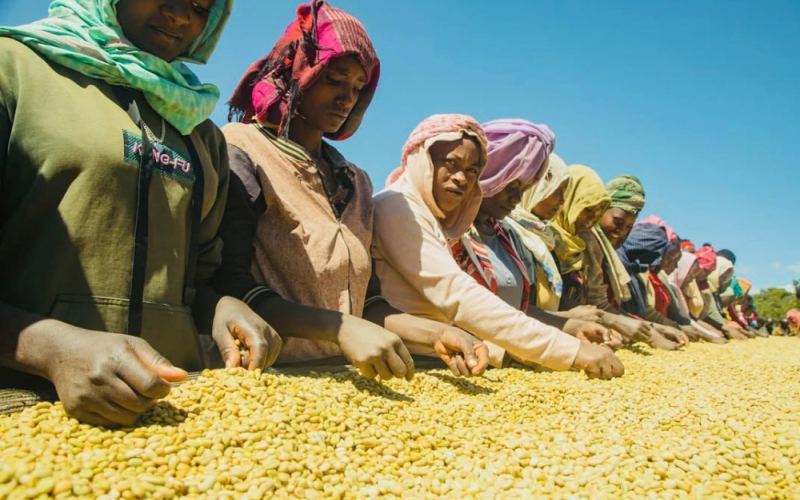
Ethiopia, the Origin of Coffee: A Full Analysis from the Kaffa Legend to Six Front Street Specialty Pour-Over Beans
Ethiopia is widely recognized as the birthplace of coffee. Its name means "the land where the sunburned people live" in ancient Greek, and the English word "coffee" is said to come from the Ethiopian place name "Kaffa." Legend has it that around 900 AD, a shepherd noticed his flock became unusually energetic after eating red berries, thus beginning the story of coffee cultivation. As a mecca for specialty coffee, Ethiopia produces beans with bright acidity, honey-like sweetness, and a clean mouthfeel, and Yirgacheffe is a household name. In this article, Front Street Coffee will take you into the world of Ethiopian coffee and introduce six must-try specialty pour-over beans one by one, covering washed Yirgacheffe, Gotiti, natural Red Cherry, natural Huakui, Hamashu, and Kaffa Forest. [more…]
Why Is Geisha Coffee So Rare? The Legend and Flavor Analysis from Ethiopian Forests to Panama Auctions
Geisha is hailed by many coffee lovers as the "pinnacle of the coffee world," and with its elegant white floral notes and bright tangerine-honey sweetness, it has repeatedly taken top honors in competitions, with prices climbing year after year. In this article, Front Street Coffee will take you back through Geisha's legendary journey from the Kafa forests of Ethiopia to Hacienda La Esmeralda in Panama, explaining why its yield is so scarce and its flavor so unique, and detailing the differences between the Red Label and Green Label grades. At the same time, Front Street will also share the brewing parameters and techniques for Hacienda La Esmeralda Geisha, so you can experience that captivating flavor, like a floral-fruity tea, right at home. [more…]
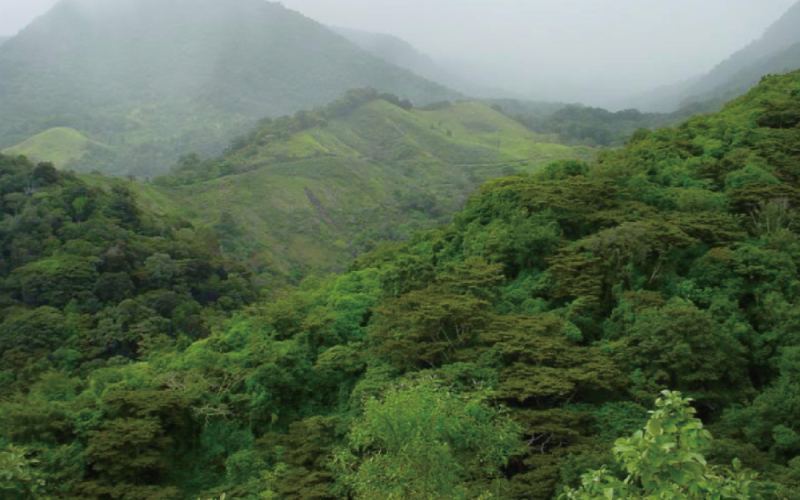
An In-Depth Analysis of Coffee from Panama's Boquete Region: From the Legend of Geisha to the Butterfly Blend
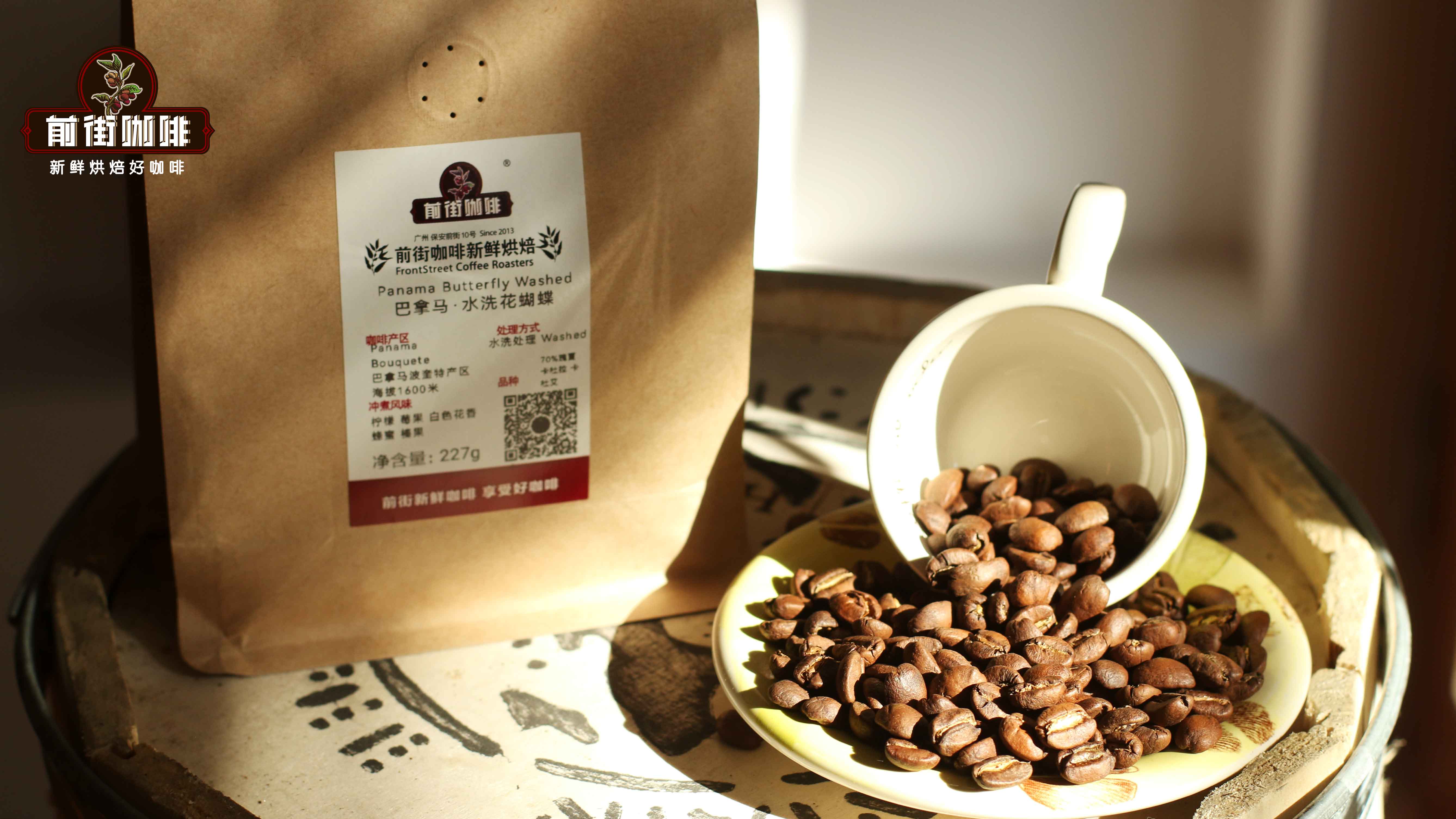
Panama coffee occupies a pivotal position in the international specialty coffee landscape, especially the Geisha variety, which completely rewrote the coffee world's perceptions after Hacienda La Esmeralda won the BOP competition in 2005 and fetched record-breaking auction prices. Panama is located on the Central American isthmus, where unique geographical and climatic conditions provide an ideal environment for coffee cultivation, and the Boquete region in particular has become the cradle of top-tier coffee thanks to its volcanic ash soil, high altitude, and microclimates. This article will take you through an in-depth look at Panama's coffee terroir, Boquete's growing advantages, and the evolution of Geisha from mixed cultivation to separation, while also introducing two Geisha blend beans sold by Front Street Coffee — Strawberry Candy and Butterfly, and sharing the specific brewing performance of Butterfly. [more…]
The Origin Legend, Processing Techniques, and Analysis of Four Classic Varieties of Indonesian Mandheling Coffee
Mandheling is one of the coffee beans most familiar to Chinese consumers, yet its name is neither a region nor a variety—behind it lies a story of linguistic misunderstanding from the World War II era. This article begins with its historical origins, tracing the Dutch introduction of the crop, the rust disease disaster, and the legend of Japanese soldiers encountering the Mandailing people, then delves into Sumatra's unique wet-hulling process and three-stage drying technique, analyzing the flavor differences and brewing suggestions for the four types of Mandheling—Lintong, Golden, Tiger, and Aged—to give you a comprehensive understanding of this rich and full-bodied classic coffee. [more…]

Jay Chou's appearance at a coffee shop in Sanlitun, Beijing, sparked a check-in craze—actually to support Hannah Quinlivan's brand and drive traffic.
Recently, social media has been buzzing with rumors that Jay Chou opened a coffee shop called "Love Before the Common Era" in Sanlitun, Beijing, attracting a large number of fans to visit. However, upon verification, the shop was not opened by Jay Chou himself, but is part of a star IP incubation base created by the company Juxing Chuanqi. Jay Chou only made an appearance in the form of a check-in to support his wife Hannah Quinlivan's clothing pop-up store. Despite the truth, fans' enthusiasm remains high, and during the Dragon Boat Festival holiday, they flocked to check in at the same photo spots. This coffee shop has friendly pricing, with Americano at only 18 yuan, which is quite conscientious in Beijing's coffee scene. Whether this small shop leveraging Jay Chou's traffic can establish a foothold in Sanlitun remains to be seen. [more…]
A Complete Analysis of Geisha Coffee Bean Varieties: From Ethiopian Origins to Panama's Sky-High Legend and Flavor Code
Geisha, a name that captivates countless coffee lovers, from the primitive forests of Ethiopia to the high-altitude estates of Panama, it has rewritten people's understanding of coffee with its signature floral aroma and fruity notes. This article takes you through the origin and rise to fame of the Geisha variety, analyzes why it is called "sky-high-priced coffee," delves into what the true "Geisha flavor" is, and explores how variety, terroir, processing methods, and roasting together shape that stunning cup with its citrus acidity and honeyed sweetness. At the same time, we will also learn how Front Street Coffee, through its Butterfly Blend, allows more people to experience the unique charm of Panama Geisha at an affordable price. [more…]

Qian Zhiya becomes the legal representative of Cotti Coffee—can Lu Zhengyao and his old team recreate the Luckin legend?
Cotti Coffee (Tianjin) Co., Ltd. recently completed a change of its legal representative, with Luckin Coffee founder Qian Zhiya replacing Wang Baiyin in the role, while also serving as executive director and manager. The mentor-apprentice relationship between Qian Zhiya and Lu Zhengyao can be traced back to the CAR Inc. period. She single-handedly founded Luckin Coffee and drove its lightning-fast listing in 18 months, later leaving amid a financial fraud scandal. Now the two have once again joined forces to charge back into the coffee track. Facing an increasingly fierce competitive market environment, whether Cotti can replicate Luckin-style growth is worth continued attention. [more…]
The Legend of Panama's Hacienda La Esmeralda Geisha: The Flavor Code from an Accidental Championship to the World's Top Auction Lot
How did a coffee variety that was originally overlooked quietly rewrite the landscape of the world's specialty coffee on a retired banker's estate? The Geisha coffee of Panama's Hacienda La Esmeralda, from its meteoric rise to fame in 2004 to its consecutive championship wins, and then to repeatedly setting record prices at auctions, has behind it both an element of chance and a meticulous command of altitude and variety. This article will guide you through Hacienda La Esmeralda's championship journey, its red-green-blue three-tier grading system, and details of its origin and processing methods, along with Front Street Coffee's brewing parameters and flavor description for the Blue Label Geisha, so we can savor together the unique charm of this legendary coffee. [more…]
An In-Depth Analysis of Panama's Aurora Estate Geisha: The "Iron Man" Legend of the BOP Champion Estate and Catalina Flavors
In the Volcán region of Panama, there is an estate barely over a decade old that has repeatedly made the BOP list—Finca Auromar. Founded by former Panama Stock Exchange CEO Roberto Brenes, it shot to fame by winning first place in the 2013 BOP washed category with its "Ironman Geisha," and has appeared on the winners' list almost every year since. The estate's name comes from his daughter and granddaughter, and its Geisha lots are often named after family members, such as Camilina and Catalina. This time, Front Street Coffee brings a detailed review of the Catalina natural Geisha and the Soul Plot Catuai, offering a comprehensive look at this top Geisha estate's unique charm—from its history and microclimate to processing methods and cupping flavors. [more…]