







What makes the ideal climate for growing coffee in Sidamo?
Sidamo sits in southern Ethiopia near Kenya, with elevations from 1,400 to 2,200 meters. That range, paired with deep volcanic soil close to two meters deep, good drainage, and many microclimates, is why the ideal climate for growing coffee there yields such varied cup profiles. Washed Sidamo beans are small, elongated, and dense, with fragrant aroma and a long finish.
The region's fertility comes from natural cycling: fallen leaves and residual roots break down into organic matter instead of relying on added inputs. Between 2010 and 2012, Sidamo coffees scored 92 to 94 points on the American review site CR. For anyone asking where can you grow coffee beans with this much variety, Sidamo's native varieties and terrain are the core reason.
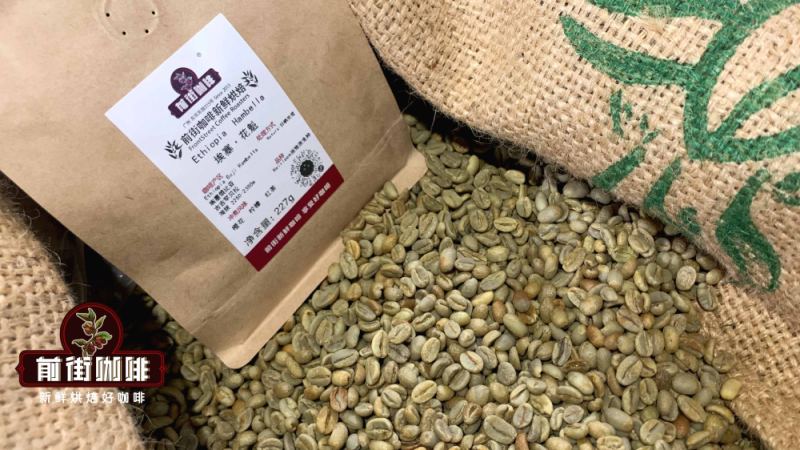
Sidamo is a well-known specialty coffee region in southern Ethiopia bordering Kenya, with elevations ranging from 1,400 to 2,200 meters. Its complex and varied terrain, fertile and deep volcanic soil, microclimates, and countless native varieties together create coffees of extremely diverse styles. Beyond the widely known Huakui, Sidamo has also produced many noteworthy specialty beans, such as Front Street Hamasho with its delicate floral aromas. This article will outline the origin characteristics of Sidamo and focus on the 74158 natural-process coffee from the Hamasho processing station, unfolding layer by layer from variety and processing method to flavor performance.
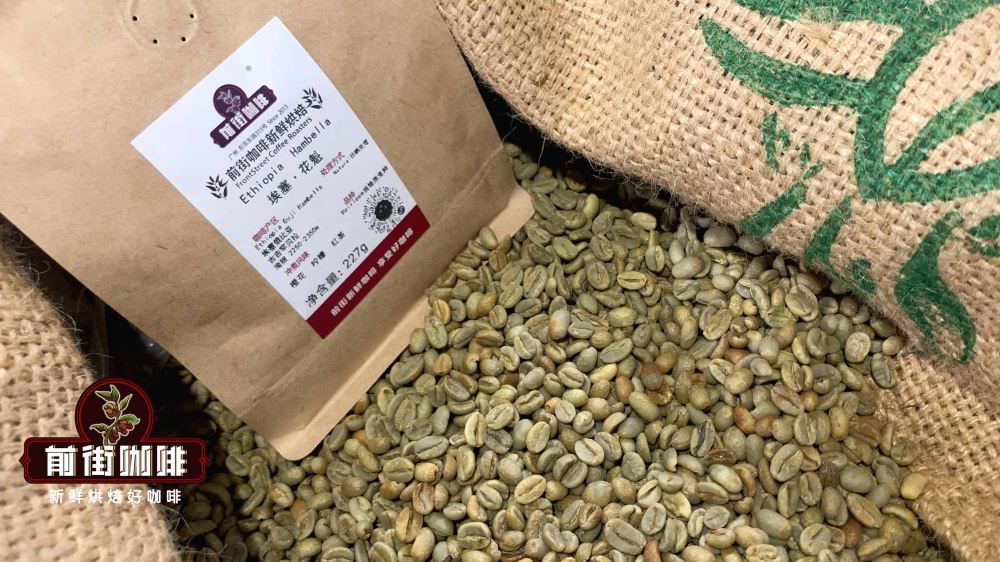
Sidamo is located in southern Ethiopia, adjacent to Kenya, at elevations between 1,400 and 2,200 meters, and is a world-renowned specialty coffee region. Washed Sidamo green beans appear pale green, relatively small in size, and elongated oval in shape, yet the beans are dense and plump, with overall stable quality. Its aroma is fragrant and its body is good, with a long finish after sipping, carrying a primitive and uninhibited beauty.
The reason Sidamo coffee's flavors are so rich and varied lies in the diversity of local soil types, complex microclimates, and the enormous number of native coffee varieties, which cause coffees from different towns to show significant stylistic differences. Between 2010 and 2012, this region repeatedly scored 92 to 94 points on the authoritative American coffee evaluation website CR, demonstrating the outstanding quality of its green beans. The region's terrain includes towering mountains, highlands, plateaus, valleys, and plains, with extremely rich topographic variation. Geologically, it is volcanic soil rich in nutrients with good drainage, with soil depth approaching two meters and a dark brown or brown surface layer. Its greatest advantage is that soil fertility is maintained through the cycling of organic matter, as fallen leaves and residual plant roots from surrounding trees naturally convert into fertilizer.
As a representative of floral and fruity coffee, if you want to experience the classic Sidamo flavor, you can choose Front Street Huakui coffee, which naturally carries berry aromas:
Front Street New Season Natural Huakui Coffee Beans
Region: Guji Hambela
Processing Station: Buku able Processing Station
Elevation: 2250-2350m
Variety: Ethiopian Heirloom
Processing Method: Natural Process
Flavor: Citrus, Strawberry, Passion Fruit, Fermented Aroma, Black Tea
Recommended Reason: A classic representative of creamy strawberry flavor, the all-purpose choice of the coffee world, delicious however you brew it.
From the map above, it is clear that the Sidamo producing region covers a fairly vast area, so in addition to Hambela's Front Street Huakui, there are theoretically many other outstanding specialty coffee beans. If you prefer delicate floral notes, you might try Front Street Hamasho, which presents layered aromas of white magnolia, mango, guava, and white peach, and is suitable for pour-over, cold brew, French press, and immersion brewing with the Clever Cup, among other extraction methods.
Hamasho Processing Station is located in Hamasho Village in the northern part of Bensa Town. In the Sidamo language, Hamasho means "snake," which in local culture symbolizes strength and spirit.
Similar to many other producing regions in Ethiopia, coffee production here is likewise dominated by smallholder farmers. Thanks to the region's exceptional growing environment, the quality of the coffee produced cannot be underestimated. Especially after Hamasho Processing Station established cooperation with Daye Bensa Coffee, coffee quality leapt to a whole new level.
Daye Bensa Coffee is a well-known local coffee trading enterprise founded in 1996, which has built a solid reputation in the industry through its extremely high-quality coffee beans. At present, the company maintains deep cooperative relationships with dozens of local coffee processing stations and over a thousand coffee farmers. They not only produce high-quality green coffee beans but also provide technical guidance to coffee farmers, thereby improving overall coffee quality and commercial value.
Previously, when Front Street introduced Elto coffee, it mentioned that Elto's founder Eliyas had once served as operations manager at Daye Bensa, where he accumulated extensive knowledge of green coffee beans and met his wife Atiklit Dejene.
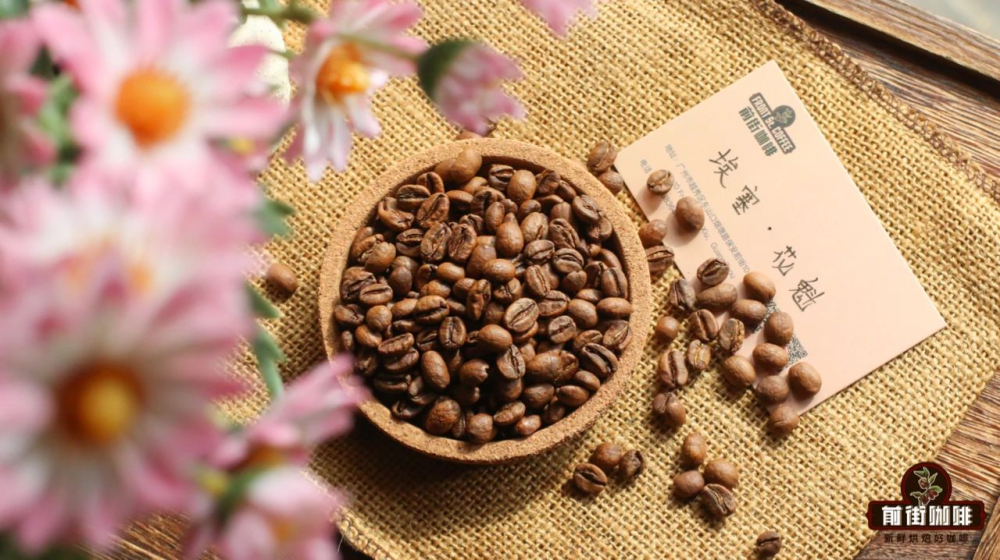
Returning to Hamasho Processing Station, after beginning cooperation with Daye Bensa, its coffee bean quality indeed climbed to new heights. With outstanding quality and unique flavors, Hamasho Processing Station has become a frequent winner on Ethiopian green bean competition lists, and its products are also sought after by many coffee enthusiasts.
In terms of planted varieties, the coffee produced by Hamasho Processing Station is mainly based on the 74 series disease-resistant varieties released by JARC (Jimma Agricultural Research Center). The Hamasho coffee purchased by Front Street this time is precisely 74158 from the 74 series.
As can be seen, this bean differs from the typically uneven-sized Ethiopian beans, with uniform, small, and round beans, roughly between 10 and 12 screen sizes. The reason for such uniform appearance is partly due to being a single variety and partly thanks to the rigorous processing procedures at Hamasho Processing Station.
To control green bean quality, Hamasho Processing Station selects only fully ripe all-red coffee cherries and flexibly applies different post-processing methods, striving to maximize the flavor potential of each batch of coffee.
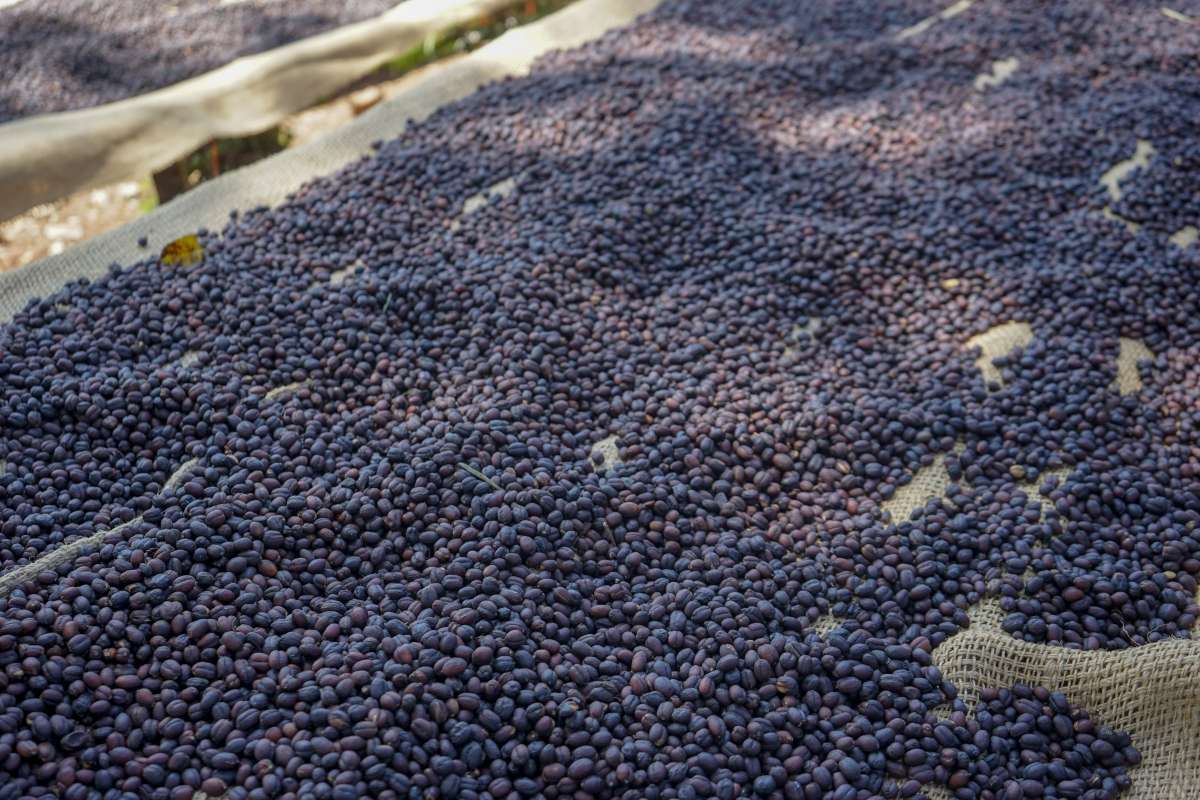
The 74158 purchased by Front Street this time uses natural processing. Before formally entering the natural drying stage, workers conduct a second sorting of the all-red cherries collected from farmers, removing overripe and underripe fresh fruit, before starting the natural drying process.
Natural processing itself is not complicated; it simply requires spreading the coffee beans on drying beds to sun-dry. But to maintain stable quality, workers need to frequently turn the coffee cherries on the drying beds so that the degree of drying becomes consistent, while also preventing mold growth. The entire process lasts 2 to 3 weeks, and once the moisture content of the coffee cherries drops to a certain level, they can be transported to the warehouse for hulling and await export.
To fully showcase the excellent flavor of this coffee bean, a medium-light roast is the best choice. Front Street tried several different medium-light roast profiles for this purpose, and ultimately selected the optimal profile through cupping for subsequent production.
Front Street Hamasho Processing Station 74158 Coffee Beans
Region: Ethiopia · Bensa Region
Processing Station: Hamasho Processing Station
Elevation: 1920~2020 meters
Processing Method: Natural Process
Variety: 74158
Flavor: Strawberry, Floral, Guava, Sweet Orange, Honey, Green Grape
As Front Street mentioned at the beginning, this Hamasho 74158 already releases a pleasant dry aroma during the grinding stage, with clearly perceptible sweet notes reminiscent of perfume lemon, strawberry, and star fruit.
The above content is compiled by CoffeeHunters, a coffee news website.


