







Search Results for: Latte Difference

What's the difference between a latte and a cappuccino? A full breakdown from ratios and flavor to milk foam and latte art techniques
Latte and cappuccino are both classic milk coffees found in coffee shops, but many friends who are new to coffee often can't tell the difference between the two, and even order based on how pretty the latte art looks or how fancy the name sounds. In fact, these two coffees differ noticeably in ingredient ratios, flavor direction, milk foam thickness, and latte art performance. This article will break down the core differences between latte and cappuccino one by one, covering the ratio of espresso to milk, the causes of sweet and bitter flavors, and the impact of milk foam thickness on mouthfeel and latte art, while also sharing Front Street Coffee's specific parameters and blend recommendations for producing these two coffees, so you won't be confused the next time you order. [more…]

The three brothers of espresso with milk: What exactly is the difference between a latte, cappuccino, and mocha?
Walking into a café and facing a menu of latte, cappuccino, and mocha, have you ever been confused about what exactly makes them different? All three coffee drinks appear to be espresso with milk, but in reality, the ratios, mouthfeel, and preparation methods each have their own nuances. Latte puts milk in the starring role, cappuccino highlights the coffee's true flavor, and mocha incorporates chocolate notes. Understanding the stories and standard recipes behind them not only helps you find your favorite taste, but also makes you more relaxed and confident when ordering next time. This article will break down the mysteries of these three classic coffee drinks one by one, and along the way discuss the difference between steamed milk and milk foam, as well as how lattes are made differently around the world. [more…]

What's the difference between Australian White Coffee and Flat White? Starting with latte art, milk foam thickness, and the origin controversy
As a milk coffee, what exactly is the difference between a Flat White, a latte, and a cappuccino? Many coffee enthusiasts notice when visiting cafes that Flat Whites from different shops vary noticeably in cup size, foam thickness, and even whether latte art is present—differences that are closely tied to the drink's diverse definitions. This article starts from the phenomenon of latte art, sorts through the controversy between New Zealand and Australia over the Flat White's origin, analyzes how the drink's thin microfoam—its core characteristic—affects mouthfeel and the difficulty of pouring latte art, and explains the practical reasons why cafes choose not to pour latte art, helping readers understand the logic behind how this cup of coffee is made. [more…]

What's the difference between a latte and a cappuccino? A clear breakdown from ratios and milk foam thickness to latte art performance
Latte and cappuccino are the two most common classic milk coffees in coffee shops, but many friends who are new to coffee are not clear about their real differences, and often order based on whether the latte art looks good or whether the name sounds fancy, resulting in a coffee that does not match their expectations. From the perspective of Front Street, this article systematically sorts out the differences between these two drinks: they use the same ingredients, all being espresso, milk, and milk foam, but the ratios and milk foam thickness are completely different. A latte has a high proportion of milk and thin milk foam, tastes sweeter, and is suitable for complex latte art; a cappuccino has less milk and thick milk foam, with a more prominent coffee flavor and a creamier mouthfeel. The article also introduces the characteristics of two espresso beans, Front Street Classic Blend and Front Street Commercial Blend, suitable as a reference for enthusiasts who want to make lattes and cappuccinos at home. [more…]

Espresso Coffee Characteristics Comparison | What's the Difference Between a Latte and an Americano? Introduction to Americano and Latte Coffee Flavors, Taste, Brewing Methods, and Extraction Ratio Parameters
For those who seldom drink coffee, ordering coffee is not an easy task. The dazzling array of items on the menu can make one's head spin—what are the differences between them? Is Americano the coffee that Americans love most? What is the difference between Americano and latte? Today, Front Street Coffee (Fro [more…]

Why is Piccolo Coffee also called a small latte? What exactly is the difference between it and a latte in the use of milk and espresso?
What exactly are the differences between Piccolo coffee and latte? Why is Piccolo Latte called a small latte? This article systematically sorts out the relationship between Piccolo coffee and regular latte from the perspectives of name origin, historical background, cup size, and espresso usage. The article will also explain why Piccolo coffee is rarely served on its own in domestic coffee shops, and if you want to make a delicious Piccolo at home or in a shop, how to extract espresso and how to divide a double shot. Finally, Front Street Coffee will combine its own classic espresso blend beans to share the specific preparation parameters and flavor performance of Piccolo coffee, helping coffee enthusiasts understand this "small latte" more clearly. [more…]
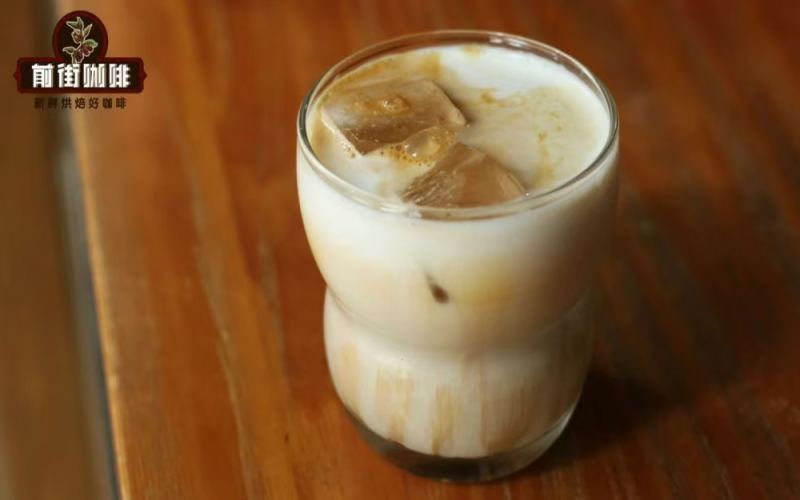
Spanish Latte Recipe | Can You Add Condensed Milk to Black Coffee? What's the Difference Between a Spanish Latte and a Regular Latte? What's the Milk-to-Coffee Ratio in a Spanish Latte?
Today, the menus in coffee shops are rich and diverse, and in order to cater to more people's tastes, adding various dairy products and flavored syrups to coffee is also very common. So have you ever heard of coffee with condensed milk? Adding condensed milk is to mask the strong bitterness in coffee. In Vietnam, the aroma of coffee drifts through the streets and alleys. [more…]

Does latte art enhance coffee flavor? Analyzing the actual effect of visual presentation on taste evaluation
Latte art is the craft of a barista drawing patterns on the surface of an espresso with steamed milk foam. Does it actually change the taste and mouthfeel of a latte? This article analyzes the question from three angles: visual psychology, preparation technique, and quality of integration. Through comparative experiments, Front Street Coffee found that, provided the coffee beans, milk, extraction, and ratios are all on point, latte art and no latte art make no noticeable difference to taste—but latte art places higher demands on foam quality and evenness of integration. The article also explores the balance between pattern complexity, preparation time, and the drinking experience, helping enthusiasts view the relationship between latte art and flavor rationally. [more…]

How to Tell the Difference Between Piccolo, Flat White, Latte, Mocha, and Cappuccino? A Detailed Guide to the Piccolo Latte's Making Method and Flavor Characteristics
The espresso coffee family has many varieties. In addition to the common latte and cappuccino, the Piccolo Latte has gradually come into the view of coffee enthusiasts in recent years. This mini milk coffee originating from Australia was initially just a "leftover" product when baristas were dialing in beans, but later developed into an independent category. What exactly is the difference between it and a flat white or a latte? How should the ratio of espresso to milk be controlled during preparation? What are the considerations regarding milk foam thickness? Starting from the sharing of Front Street Coffee (FrontStreet Coffee), this article systematically sorts out the origins, recipe, and preparation details of the Piccolo Latte, and compares the differences among Piccolo, flat white, and latte in cup volume, extraction scheme, and milk foam texture, while also analyzing why Piccolo has always been less popular in China than flat white. [more…]

What is the difference between a Flat White and a Latte? Australian White coffee milk foam espresso ratio and Front Street production standards
Flat White coffee and Fu Rui Bai are actually different names for the same drink. It originated in Australia or New Zealand and is characterized by a prominent espresso flavor, a smaller amount of milk, and extremely thin milk foam. This article revolves around the origin, naming, preparation parameters of Flat White coffee, and its differences from latte: from the choice of espresso base to the milk steaming temperature, from cup size to milk foam thickness, comparing them one by one. At the same time, Front Street Coffee shares the in-store production standards for Flat White and latte, and recommends classic blends and strawberry candy espresso blends suitable for making Flat White, helping coffee lovers make a cup of Flat White that meets the flavor standard at home. [more…]

What exactly is the difference between a Dirty and an iced latte? A full breakdown of bean selection, cup size, layering, and how to drink it.
Dirty and iced latte are both combinations of cold milk and espresso, and because they look similar and use the same ingredients, they are often lumped together. But the two have significant differences in cup size, whether ice is added, cup temperature, the purpose of layering, and the way they are drunk. Dirty emphasizes taking a big gulp and experiencing the interwoven layers of hot and cold, bitter and sweet, while iced latte needs to be stirred evenly before enjoying its balanced taste. When making a Dirty, the choice of coffee beans is crucial. Front Street recommends medium-dark roasted blends or single-origin SOE beans to highlight caramel and chocolate flavors, and medium-light roasted beans can also be used to obtain fresh fruity notes. This article will, from Front Street's professional perspective, break down one by one the differences in making and tasting points between Dirty and iced latte. [more…]

What is the difference between a flat white and a latte? A comprehensive analysis of cup size, flavor, milk foam, and drinking method
In the combination of coffee and milk, latte and Flat White often make it difficult for people to tell them apart. Although both originate from a mixture of espresso and milk, there are obvious differences in cup size, flavor intensity, milk foam thickness, and drinking method. Front Street Coffee believes that a Flat White can be understood as the Australian version of a latte, while a latte is more like a cup of milk with coffee flavor, whereas a Flat White is a cup of coffee with milk flavor. This article will sort out the specific differences between these two classic milk coffees one by one from aspects such as cup size, taste, latte art, and hot or iced choices, and give suggestions on how to drink Flat White to make it taste better. [more…]
What's the Difference Between a Latte and a Cappuccino? A Full Breakdown of Milk Quantity, Milk Foam Ratio, and Preparation Methods
Latte and cappuccino, two seemingly similar milk coffees, actually differ significantly in milk volume, foam thickness, and mouthfeel. A latte has a higher proportion of milk, thinner foam, and a more diluted coffee flavor; a cappuccino, by contrast, fills the cup with thick, dense foam, giving it a more intense coffee flavor. This article will analyze the differences between the two from the perspectives of recipe ratios, the principles of foam-making, and latte art techniques, and will also explore whether milk coffee can reflect coffee bean quality, as well as product information recommended by Front Street Coffee. Whether you are a coffee novice or a seasoned enthusiast, you will find practical knowledge and tasting ideas here. [more…]

What's the difference between a latte and an Americano? Understanding the espresso-based coffee system and its taste characteristics starting from espresso
On an espresso menu, latte and americano are the two most common options, but many people are not clear about their fundamental differences. In fact, both drinks are extensions of espresso: a latte adds milk to the espresso, while an americano dilutes the espresso with water. Understanding this underlying logic makes it clear why the two present completely different profiles in taste, aroma, and aftertaste. Starting from Front Street Coffee's production practices, this article will first introduce the definition of espresso, bean selection, and extraction parameters, then separately analyze the preparation methods and flavor performance of latte and americano, and finally explain the source of americano's bitterness and adjustment approaches, helping coffee enthusiasts build a clear cognitive framework for espresso. [more…]

Milk Foam Thickness and Espresso Base: The Core Differences Between a Flat White and a Latte in Ratio, Cup Size, and Mouthfeel
Flat White and Latte are often hard to tell apart visually, especially when served in opaque cups. Both consist of espresso, milk, and milk foam, yet the experience once they hit your palate is completely different. The root of the difference lies in foam thickness, cup size, and the choice of espresso base. A Latte has about 1cm of foam, a larger cup volume, and usually pairs with a traditional espresso; a Flat White has less than 0.5cm of foam, a smaller cup volume, and many coffee shops switch to a Ristretto shot instead. Starting from Front Street Coffee's own parameters and combining them with the tasting performance of the Dark Cocoa base blend, this article breaks down the flavor logic and preparation details of these two milk coffees one by one. [more…]

What's the difference between Fu Rui Bai, Chun Yi Bai, and Ao Rui Bai? A full breakdown of ordering and taste for the three Flat Whites
Flat White, Café au Lait Art, and Aussie White—these three names sound distinctive, but in fact they all refer to the same coffee: Flat White. It sits between a latte and a cappuccino, known for a higher proportion of espresso and finer, lighter milk foam. This article will break down this milk coffee from the Southern Hemisphere one by one, starting from the controversy over its origin, differences in recipes, milk foam thickness, and the actual offerings of the three major domestic chain brands. Whether you want to understand the difference between Ristretto and Espresso, or want to know how to order a better-tasting cup at Starbucks, COSTA, and Luckin, Front Street Coffee sorts it all out for you. [more…]

Classic Espresso Varieties | What's the difference between a latte and an Americano? Why does Americano black coffee taste bitter?
For those who rarely drink coffee, ordering coffee is not an easy task. The dazzling array of items on the menu can make one dizzy. What are the differences between them? Is Americano the coffee that Americans like to drink the most? What is the difference between Americano and latte? Today, Front Street Coffee (FrontSt [more…]
Analyzing the Differences Between Latte and Mocha: From Taste and Latte Art to a Coffee Bean Selection Guide
Latte, mocha, and cappuccino are the most common espresso drinks in cafés, but are you clear on the differences between them? This article, from the perspective of a Front Street Coffee barista, first clarifies the essential difference between latte and mocha—the former is a classic fusion of espresso and milk, while the latter involves the dual definitions of single-origin beans and fancy preparations. It then takes a deeper look at the three major differences between latte and cappuccino in latte art presentation, taste ratios, and historical origins. The article also specifically recommends Front Street Specialty Blend coffee beans and Front Street · Strawberry Candy espresso blend, helping you choose the cup that best suits your preferred flavor. [more…]
Latte vs. Cappuccino: A Comprehensive Analysis—From Milk Foam Ratio, Taste and Flavor to Origins and History
Latte and cappuccino are the two most frequently ordered espresso milk coffees in coffee shops, both based on espresso with milk and milk foam added, similar in appearance yet each with its own character. Many coffee lovers wonder: what exactly is the difference between these two drinks? This article, from the perspective of a Front Street Coffee barista, first clarifies the category classification of latte and mocha, then compares latte and cappuccino item by item around milk foam thickness, latte art performance, ingredient ratios, and mouthfeel, while also tracing the origins and historical development of the two coffees. The article also incorporates the flavor performance of Front Street's specialty blend coffee beans to help readers make a more suitable choice based on their own preference for coffee strength. [more…]

Types of Milk Coffee | What is a Flat White Australian-style white coffee? What's the difference between a Flat White, a Latte, and a Dirty? What is the coffee-to-milk ratio in a Flat White?
Now when you walk into a specialty coffee shop, you'll always see milk-based coffees like Flat White, Latte, and Cappuccino on the espresso menu, and some even offer Dirty or the more niche Piccolo. Among this dazzling array of coffees, what's the difference between a Flat White and a Latte? [more…]