







How Bitter Is Americano Compared With a Latte?
Americano and latte both start with espresso. An Americano adds plain water, which dilutes the shot and keeps the coffee's own flavors in front; a latte adds milk, which softens bitterness and adds sweetness and body. So an Americano tastes more bitter than a latte, though how bitter depends on the beans and the extraction.
A standard espresso needs a machine that pushes hot water through finely ground coffee above 9 bar. Most cafes use blend beans for cost and consistency, while single-origin espresso, or SOE, is becoming more common. Roast level, dose, grind size and brew ratio all shift the bitterness, so adjusting extraction is the practical lever when a shot tastes harsh.
On an espresso menu, latte and Americano are the two most common options, yet many people are not clear about their fundamental differences. In fact, both drinks are extensions of espresso: a latte adds milk to the espresso, while an Americano dilutes it with water. Once you understand this underlying logic, you can see why the two present completely different profiles in taste, aroma, and finish. This article, based on the production practices at Front Street Coffee, will first introduce the definition of espresso, bean selection, and extraction parameters, then separately analyze the preparation methods and flavor expressions of latte and Americano, and finally explain the source of Americano's bitterness and adjustment approaches, helping coffee enthusiasts build a clear cognitive framework for espresso-based coffee.
For people who don't usually drink coffee, choosing a drink from the menu is often not easy. A jumble of names crowded together can easily make one's head spin. What exactly is the difference between them? Is Americano the kind of coffee Americans drink most in their daily lives? And how does Americano differ from latte? Today, Front Street Coffee is here to talk about the differences between these two drinks.
The difference between latte and Americano
Both latte and Americano are built on the foundation of espresso. The core difference between them lies in this: a latte adds milk to the espresso, while an Americano adds plain water to the espresso. In the category of milk coffee, latte can be said to be the most representative; and in the black coffee camp, Americano is likewise the most typical representative.
What is espresso?
Espresso can be commonly understood as a coffee liquid with an extremely high concentration and a very small volume. To make a standard espresso, you must rely on a coffee machine capable of pressurized extraction, allowing hot water to rapidly pass through finely ground coffee powder in a sealed and pressurized environment (above 9 bar), thereby obtaining a coffee liquid with intense flavor.
Most espresso on the market is made with blend beans, mainly because the cost is relatively controllable and the flavor quality is easier to keep stable. However, as consumers' demands for flavor grow higher, some cafés have now begun using single-origin coffee beans to make espresso; this practice is called SOE (Single Origin Espresso).
Front Street Coffee uses Front Street Strawberry Candy espresso coffee beans when making espresso. This blend is based on Front Street Costa Rica Tarrazú, known for its honey processing method, paired with two major producing regions of Ethiopia, the birthplace of coffee, and then blended with Colombian coffee beans. The espresso blended this way does not taste harsh; after extraction by the coffee machine, it not only has a beautiful crema and velvety texture, but also presents a sweet-and-sour sensation reminiscent of strawberry gummy candy.
There is no fixed answer for espresso extraction parameters; adjustments need to be made according to different coffee machines and grinders. Here, Front Street Coffee provides an initial extraction reference: use 20g of grounds, extract 40g of coffee liquid at a ratio of 1:2 and a pressure of 9 bar, taking 25 to 30 seconds. After the actual extraction is completed, make corresponding fine adjustments based on the flavor the coffee presents.
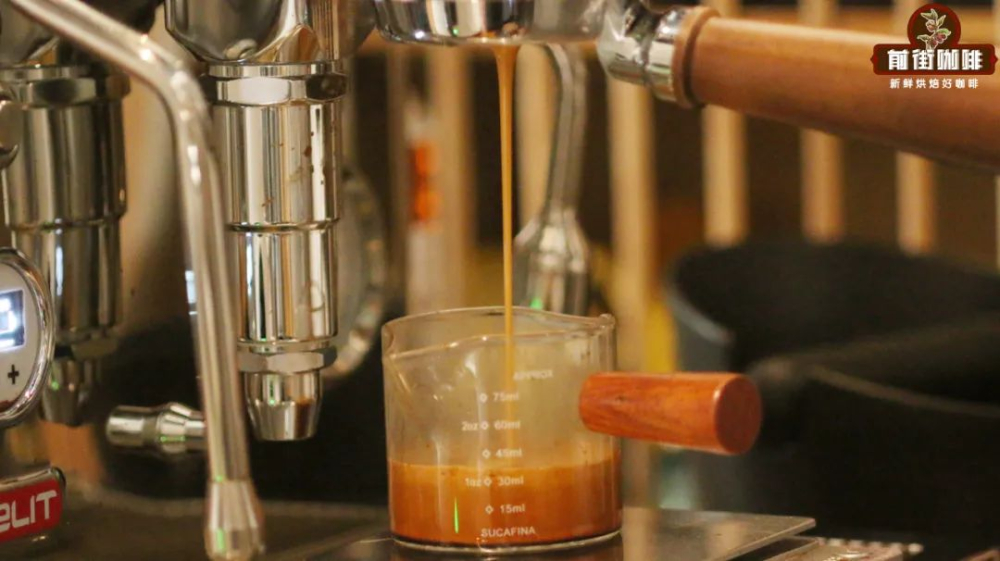
The Front Street Coffee store is equipped with a Q18 grinder and a Lelit brand coffee machine. The daily extraction parameters are roughly: 19.8 to 20g of extremely finely ground coffee powder, extracting 35 to 38g of coffee liquid in about 27 to 30 seconds. The espresso extracted with Warm Sun blend coffee beans shows distinct fermented wine aromas, the sweet-and-sour taste of berries, a smooth texture like vanilla cream, and a finish interwoven with nuts and caramel.
What is latte?
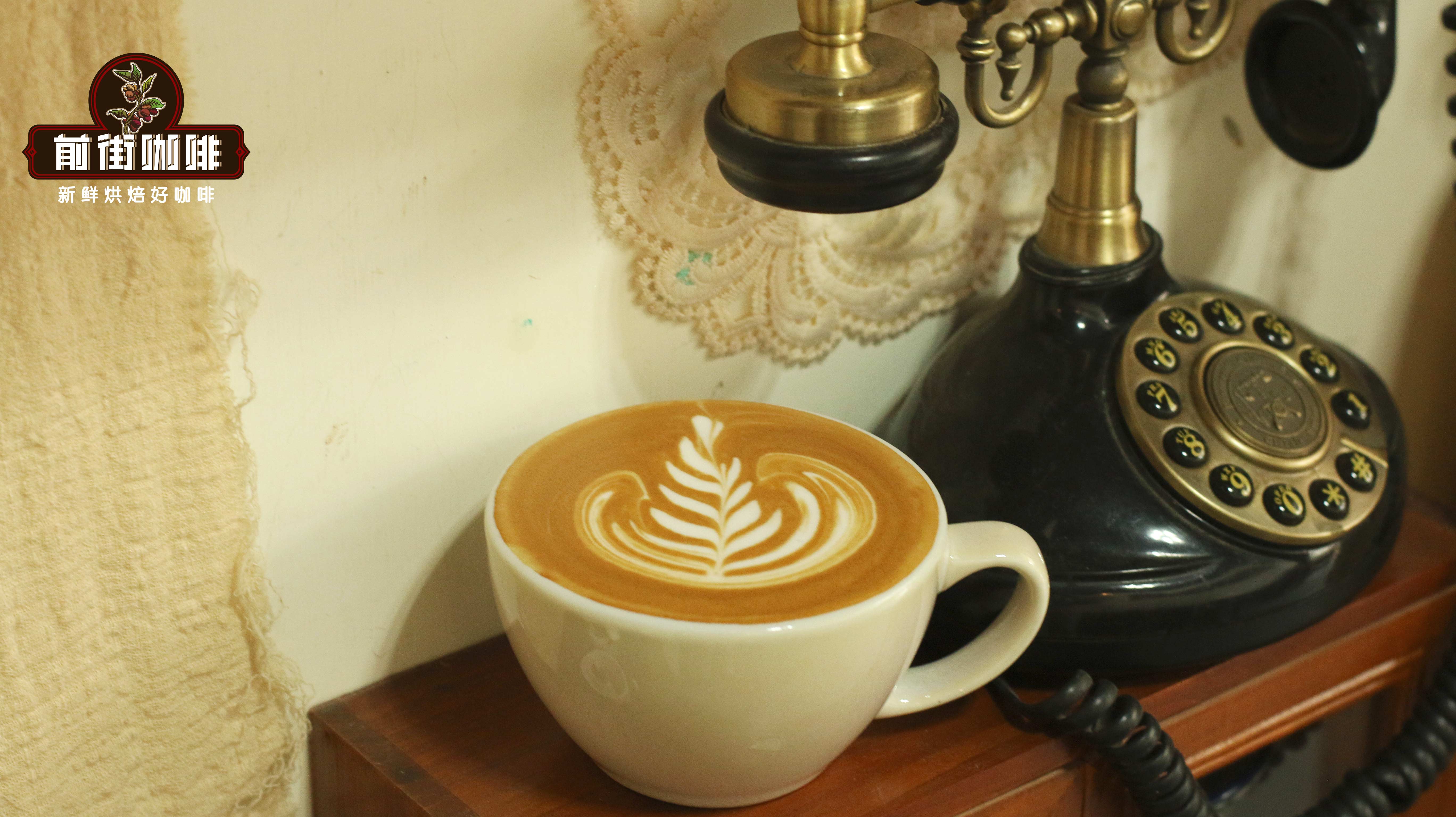
Latte can be simply understood as coffee with milk added. The preparation process is not complicated either: into the already extracted espresso, pour milk that has been heated and frothed into fine milk foam, after which various latte art patterns can also be created on the surface.
Taking espresso made with Front Street Coffee's Warm Sun blend as an example, after adding hot milk, the sweetness becomes very prominent, accompanied by a soft fermented wine aroma; it enters the mouth as soft and smooth as vanilla cream, with a hazelnut chocolate finish. When cold milk is added, the latte presents a soft vanilla cream note, along with a smoothness and aroma similar to whiskey, as well as a gentle berry acidity and a finish of nutty caramel.
What is Americano?
Americano can be simply understood as espresso diluted with water. Add hot water or ice water to the completed espresso to reduce its concentration; the dilution ratio can be decided according to personal preference.
In daily service at Front Street Coffee stores, Warm Sun blend coffee beans are used, adding hot water or a mixture of ice and water at a ratio of 1:5. The flavor of hot Americano shows vanilla cream, fermented-like aromas, slight berry acidity, and a caramel dark chocolate finish. Iced Americano shows whiskey aromas, soft berry acidity, and a hazelnut chocolate finish.
Why is Americano so bitter?
The taste of Americano essentially depends on the espresso itself. The flavor direction of espresso is naturally rich and full-bodied, and everyone perceives bitterness differently, so as long as the bitterness is not unpleasant, it falls within the normal range.
If you taste a bitterness that feels abnormal, then it is very likely that the espresso extraction was not reasonable. You can first try increasing the water dilution ratio to adjust it. If it still tastes uncomfortable this way, then you need to readjust the espresso extraction parameters.
The above content is compiled by CoffeeHunters, a coffee news website.


