







Search Results for: overall

Espresso Flavor
The concept of specialty coffee has been in China for over thirty years, and has developed rapidly in the past decade. At the same time, people have also raised questions about the concept of specialty coffee. Pour-over is generally considered specialty coffee, so are Americano, espresso, and others also specialty coffee? In fact, in international coffee competitions, especially in Northern Europe, espresso [more…]

Types of Milk Coffee | What is a Flat White Australian-style white coffee? What's the difference between a Flat White, a Latte, and a Dirty? What is the coffee-to-milk ratio in a Flat White?
Now when you walk into a specialty coffee shop, you'll always see milk-based coffees like Flat White, Latte, and Cappuccino on the espresso menu, and some even offer Dirty or the more niche Piccolo. Among this dazzling array of coffees, what's the difference between a Flat White and a Latte? [more…]
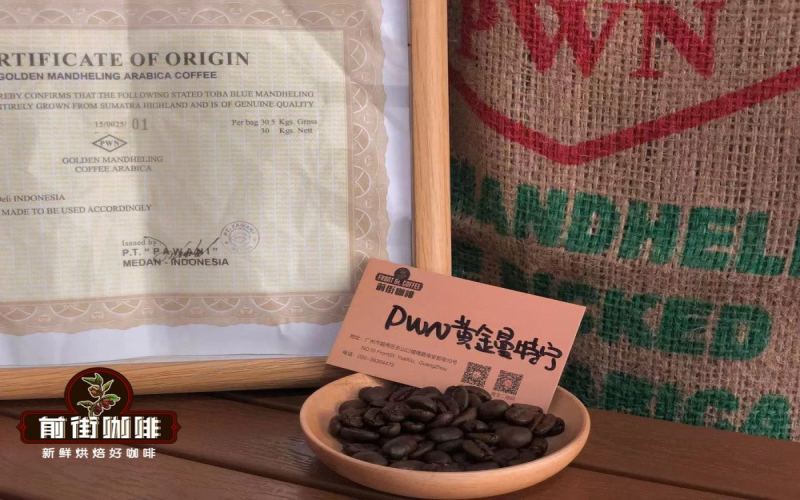
What's So Good About Dark Roast Coffee Beans? Why Veteran Coffee Drinkers Keep Coming Back for More
When many people first get into coffee, the moment they hear the words "dark roast," their first reaction is "that must be so bitter." Yet many veteran coffee drinkers who have been drinking coffee for over a decade actually end up liking dark-roasted beans more and more. Why is that? The answer is simple: the charm of dark-roasted beans has never been "bitterness," but rather that heavy, weighty richness. [more…]
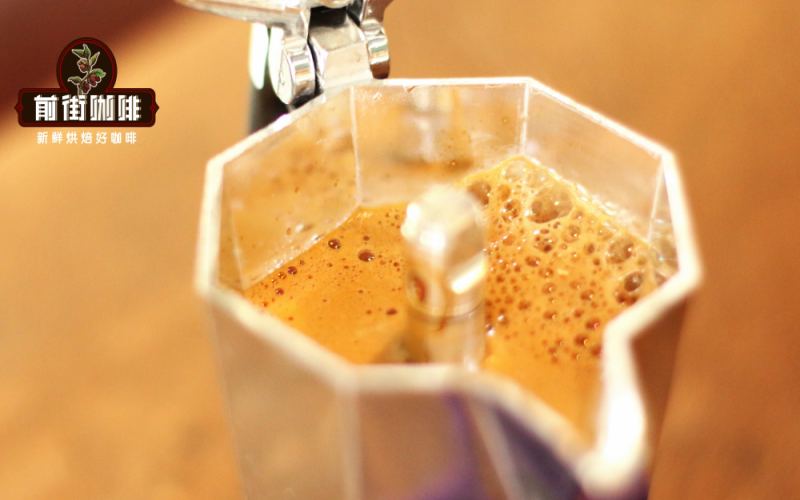
Moka Pot Bean Selection Tips | What Coffee Beans Are Best for Moka Pots? 5 Cost-Effective Medium-Dark Roasted Specialty Moka Pot Coffee Bean Recommendations
Many people ask, what kind of coffee is a moka pot suitable for brewing? Or, what coffee beans are best for a moka pot? Actually, as long as you understand the working principle of the moka pot, the answer becomes very clear. The moka pot, also known as a stovetop Italian coffee maker, is the first-choice device for many households getting started with making "espresso-style coffee." It uses a simple [more…]
Coffee Tasting | Is coffee flavor pseudoscience? How do you describe the taste and mouthfeel of a good single-origin coffee? From what aspects should you taste pour-over coffee?
Many customers have told Front Street Coffee that they actually can't taste the flavors in coffee, and even after watching many coffee tasting tutorials, they only "understand it while watching, but don't know where to start when it comes to actually doing it." If this sounds like you, you might want to take a look at some of Front Street Coffee's insights on coffee tasting. Tasting coffee ≠ describing flavors. Many [more…]
Are Dark Roast Beans Always Bitter? Understanding Dark Roast Coffee Even If You Fear Bitterness
The word "dark roast" has turned many people away—the mere thought of it conjures up an image of a bitter, astringent cup of strong coffee. But if you ask people who truly understand coffee, they will most likely tell you: the bitterness of dark-roasted [more…]
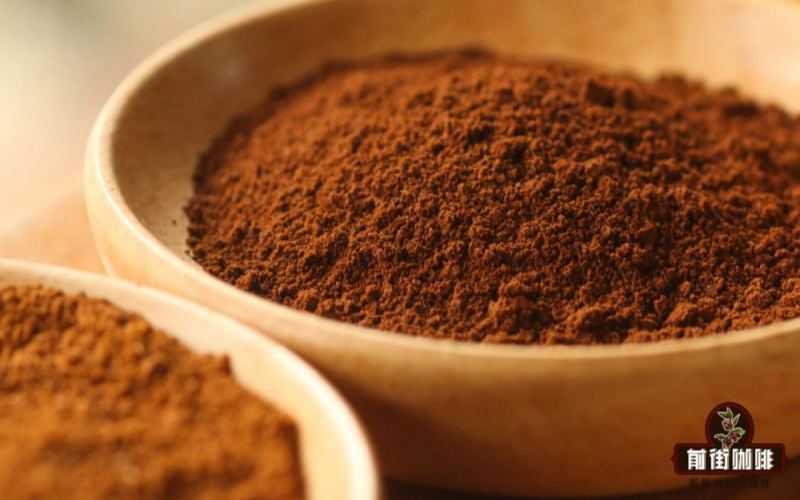
Brewing with Coffee Grounds | Can you use espresso grounds for pour-over coffee? What are the key points to note when making pour-over black coffee with fine coffee grounds?
Recently, a customer asked Front Street what to do when the coffee beans they bought were ground too fine, suitable for making espresso. I believe many friends have encountered this situation: the ground coffee they bought turned out to be too fine. If brewed with the usual pour-over parameters, it would definitely over-extract. Does that mean it has to be thrown away and can't be used? Today, Front Street will share with everyone [more…]
Jamaica Blue Mountain No. 1 Coffee Bean Grade Analysis: Flavor Characteristics of Clydesdale Estate Blue Mountain Coffee
Jamaican Blue Mountain No. 1 coffee beans are widely recognized as the pinnacle of the coffee world, and together with Hawaiian Kona, they are known as "the King and the Queen." Although in recent years, affected by production fluctuations and climatic factors, the overall quality and reputation of Blue Mountain coffee have fluctuated somewhat, Blue Mountain No. 1 still firmly holds the throne, and its price has become more rational. Specialty coffee emphasizes estate traceability, and Jamaican Blue Mountain mainly comes from three major estates: Clydesdale, Mavis Bank, and Moy Hall. This article focuses on Blue Mountain No. 1 from Clydesdale Estate, sorting out its historical context and brand evolution, and introduces Front Street Coffee's recommendation and interpretation of this bean, helping you understand the true grade and flavor characteristics of this legendary coffee. [more…]
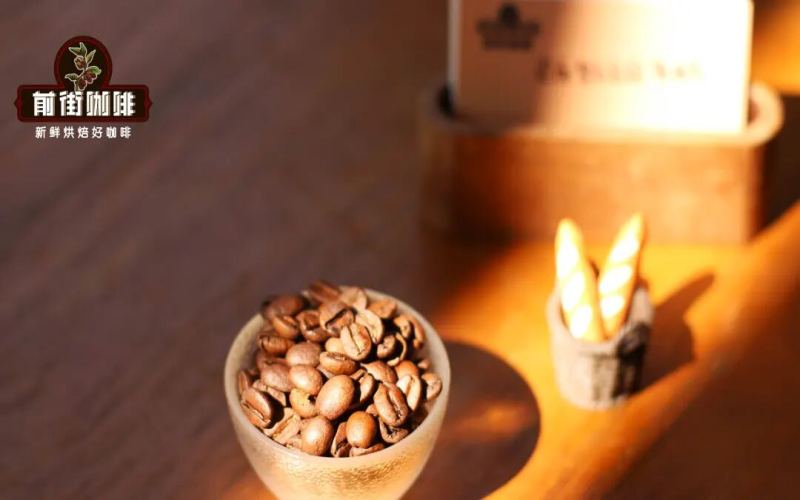
Brazilian Bourbon Coffee Beans | Where Does Brazilian Yellow Bourbon Come From? Variety Characteristics and Flavor Profile of Yellow Bourbon
The coffee cherries of most varieties turn red when ripe, but the Yellow Bourbon variety is known for its ripe cherries that are yellow, and Yellow Bourbon is regarded as a precious variety in Brazil. In recent years, this variety has been highly praised by coffee buyers and roasters, partly because of its unique and high-quality flavor. [more…]

Recommend a few coffee beans suitable for espresso extraction: balancing budget and drinking frequency
From bean to cup, a coffee must still go through grinding and extraction. When choosing coffee beans suited for espresso extraction, your daily buying decisions should take into account how quickly you'll drink them, how much to buy at a time, and whether your household mainly makes black coffee or milk-based coffee. First confirm your usual equipment and preferred taste, then compare specific bean options—the actual process will be smoother that way. [more…]
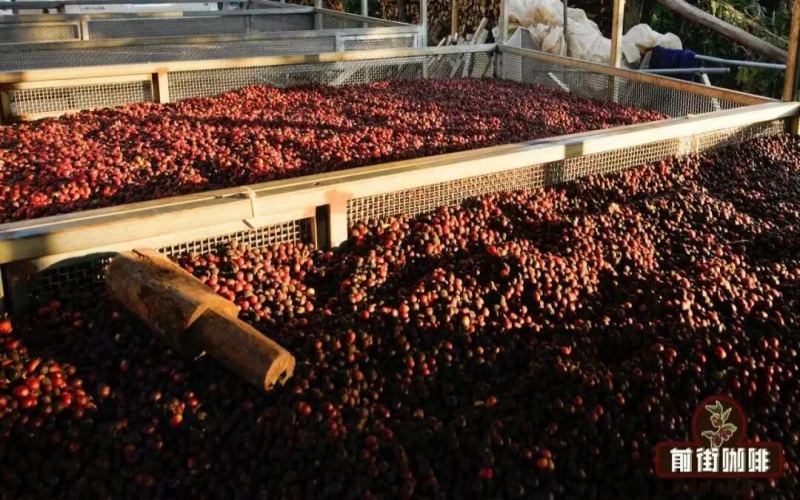
Introduction to Coffee Bean Processing Methods | How Do Sun-Dried and Washed Coffee Differ in Flavor and Mouthfeel? What Are the Processing Steps for Sun-Dried and Washed Coffee?
If you've been following our activity notifications over the past couple of days, you might have noticed that both of Front Street's stores on Taobao and Tmall have just launched a washed-process Hacienda La Esmeralda Diamond Mountain. And so some friends are quite curious: "They're both Diamond Mountain—what's the difference between this washed-process one and the sun-dried one that was listed before? And then [more…]
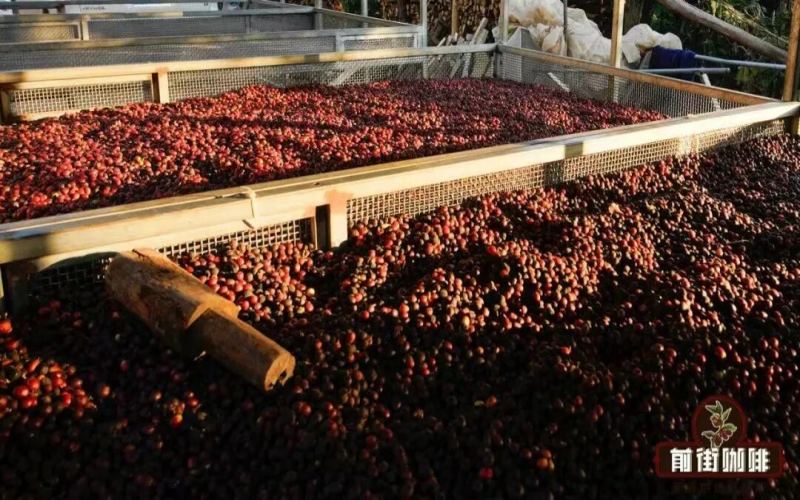
Introduction to Coffee Bean Processing Methods|How Do Sun-Dried and Washed Coffee Beans Differ in Taste? What Causes the Flavor Differences Between Sun-Dried and Washed Coffee Beans?
If you've been following the event notifications over the past couple of days, you may have noticed that Front Street has launched a washed-process Emerald Estate · Diamond Mountain at both of its stores on 🍑Bao and Tian🐱. Then some friends got very curious: "They're both Diamond Mountain—what's the difference between this washed-process one and the sun-dried one that was listed before? And then [more…]
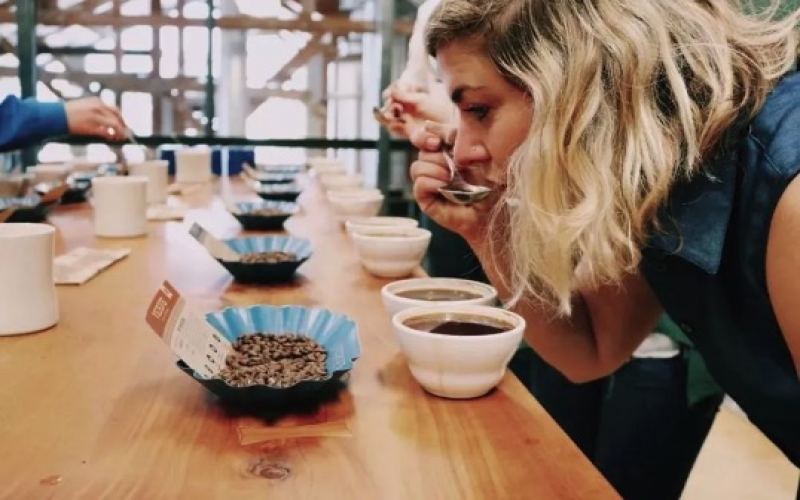
The scoring criteria for coffee cupping. SCA How to evaluate a cup of coffee.
The scoring criteria for coffee cupping. The cupping of coffee beans was initially to ensure whether the quality of the coffee beans that are about to enter the trade is qualified. With the passage of time, after the concept of specialty coffee was b [more…]

How to Choose Between Espresso Blends and SOE: Judging Flavor and Brewing Method by Roast Level
When comparing espresso blends and SOEs side by side, you can't just look at the labels "blend" or "single origin"—the roast level often determines the character of the cup more quickly. Also used for espresso machines, a light roast tends toward bright fruit acidity, a medium roast emphasizes sweetness and balance, and a dark roast brings cocoa, nuts, and a fuller mouthfeel. [more…]

Balanced Coffee Beans | Which Single-Origin Beans Make Pour-Over Black Coffee Without Bitterness or Astringency? Recommended Easy-Drinking, Low-Acidity Medium-Roast Pour-Over Coffee Beans Every Beginner Must Buy
In coffee cupping, there is a scoring category called "Balance," but what it evaluates is not merely the harmony of acidity, sweetness, and bitterness! Rather, it scores the coordination among the coffee's acidity, sweetness, body, and aftertaste. Balance can be said to play the role of coordinator. [more…]
Recommending several medium-roast coffee beans suitable for pour-over: balancing budget and drinking frequency
From bean to cup, a coffee must still go through grinding and extraction. When choosing medium-roast coffee beans suited to pour-over, your daily buying decisions should take into account how quickly you drink it, how much to buy at a time, and whether you mainly make black coffee or milk coffee at home. First confirm your usual brewing equipment and preferred taste, then compare specific beans—this will make the actual process much more [more…]
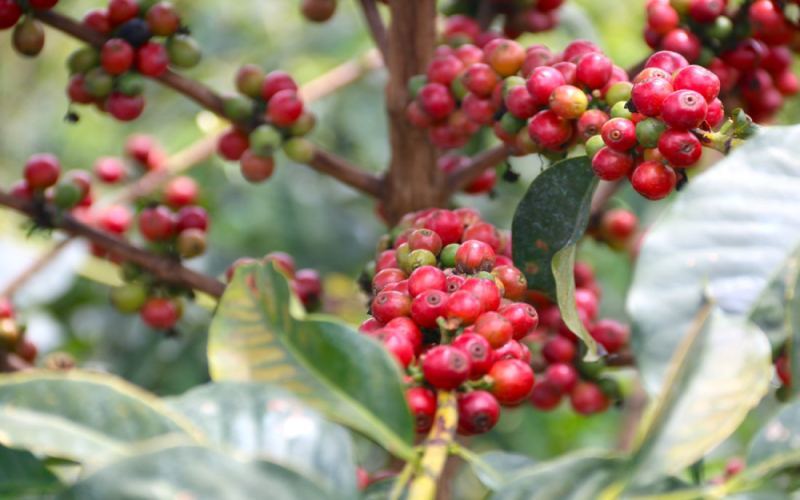
The Origin, Flavor Characteristics of the Brazilian Yellow Bourbon Coffee Variety, and Front Street Roasting Recommendations for Queen's Farm
Yellow Bourbon is a rather legendary variety in Brazilian coffee. With its distinctive yellow appearance when ripe and outstanding flavor performance, it has attracted considerable attention in the specialty coffee world in recent years. Its history can be traced back to a natural mutation of Red Bourbon in the 19th century. Later, through systematic research by the Campinas Agronomic Institute (IAC), its genetic mechanism and cultivation characteristics were gradually clarified. Although its yield is relatively low and its disease resistance is weak, Yellow Bourbon often displays a flavor profile in cupping characterized by prominent sweetness and bright citrus acidity. This article reviews the variety's origins, genetic principles, and key cultivation points, and introduces the Yellow Bourbon from Fazenda Rainha in Brazil, along with Front Street Coffee's roasting approach and flavor description. [more…]
Coffee Flavor | From What Angles Do We Describe and Evaluate Specialty Coffee Flavor?
In recent years, the domestic coffee industry has developed rapidly. Even when black swan events occurred and most industries were struggling, the domestic coffee market still maintained stable growth. So as an ordinary enthusiast, when faced with merchants' marketing claims, how should one evaluate a coffee bean? When drinking coffee and buying coffee beans, [more…]
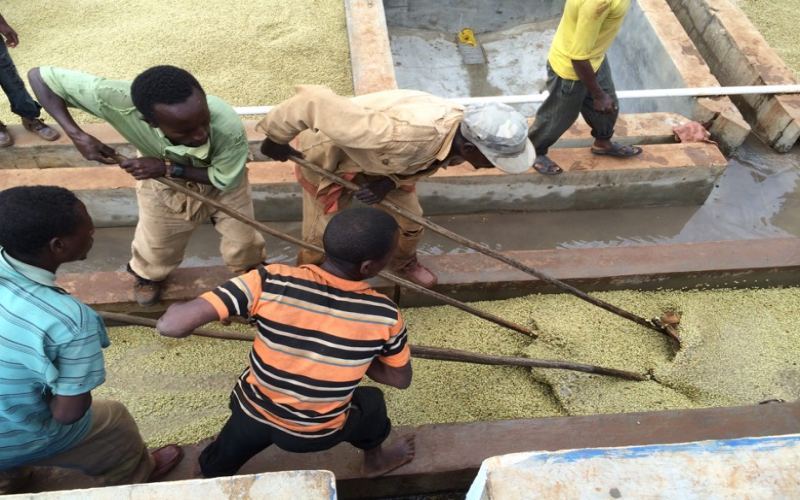
Parchment Estate: The Washed Geisha That Missed Champion by Just 0.25 Points
In the 2026 BOP Washed Geisha category, Elida Estate took the category championship with 96.25 points, which was also the highest score overall. Close on its heels was a small estate still unfamiliar to most—Finca El Pergamino, with 96.00. [more…]

Yirgacheffe Four-Roast Cupping Record: An Analysis of How Green Bean and Roasted Bean Freshness Affect Flavor Complexity
How much of an impact does the freshness of coffee beans really have on flavor? Through comparative observation and roasting cupping of four washed Yirgacheffe G2 green beans, this article analyzes one by one the key role of freshness in coffee quality, from green bean color and dehydration state to post-roast aroma and mouthfeel layers. The test used the same roasting curve and repeatedly evaluated the coffee by pour-over and immersion methods, ultimately finding that Sample A and Sample B formed a striking polarity—the former had prominent floral and fruity notes and a long, sweet finish, while the latter lacked vitality due to aging. Whether green beans or roasted beans, freshness is the core element that determines the soul of coffee, and Front Street Coffee has always emphasized the importance of storage conditions. [more…]