







Search Results for: Kumquat Americano

Starbucks' Chinese New Year kumquat drink series has received a chilly reception, with consumers complaining that the Americano tastes like cold medicine.
As the Spring Festival approaches, Starbucks has launched three Chinese New Year limited-edition drinks: Kumquat Cloud Macchiato, Kumquat Tieguanyin Tea Latte, and Kumquat Flavored Americano, aiming to attract customers with the auspicious meaning of "great fortune and prosperity." However, after the products hit the market, the Kumquat Americano quickly became the focus of complaints on social media, with many consumers reporting that its taste resembles cough syrup or Chinese herbal medicine, far from the expected citrusy sweetness. This article will review the real feedback on this new product and analyze the challenges Starbucks faces in its localization innovations. [more…]
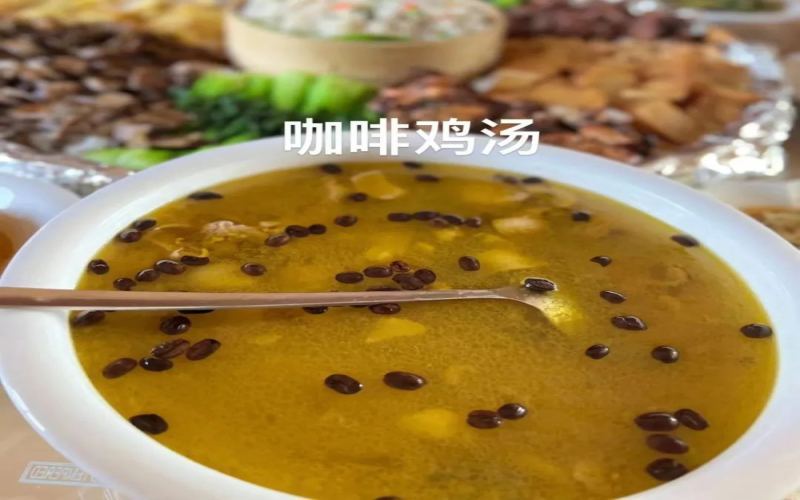
A Creative Roundup of Guangdong's Specialty Coffee: The Regional Cultural Logic Behind Ginger-Scallion Chicken Americano and Sesame Oil Qingping Chicken
The way coffee is enjoyed in Guangdong is clearly a bit different from elsewhere. When ginger juice, scallion shreds, toasted sesame seeds, and even bird's eye chilies jump into the coffee cup one after another, the boundaries of specialty coffee get redrawn again and again. This article rounds up a batch of coffee specialty drinks with strong Guangdong characteristics, from ginger milk curd with espresso to a kumquat juice and coconut water mashup, and on to ginger-scallion chicken Americano and sesame oil Qingping chicken specialty coffee. Behind these seemingly outrageous combinations actually lies the open-minded, relaxed regional character of Cantonese people. Most of these products are gimmicks to draw traffic, and only a few actually make it to market, but they still show the many possibilities of coffee. The article also keeps relevant recommendation information from Front Street Coffee for coffee lovers' reference. [more…]
Where Can You Find Authentic Huangzhixiang Phoenix Dancong? Analyzing the Unique Flavor and Identification Points of Songzhong Huangzhi Dancong
Huangzhixiang Dancong is one of the oldest varieties of Phoenix oolong tea, its name originating from a local dialect's misreading of kumquat. The genuine Songzhong Huangzhixiang is scarce in production, with a flavor profile between modern sweet-aroma style and the floral-basket style, featuring kumquat fruit notes, honey charm, and the floral aroma unique to high-altitude single bushes. This article will sort through the origin of the name, the history of Songzhong, the taste characteristics of genuine Huangzhixiang, and the pitfalls of market purchasing, one by one. At the same time, the "Front Street" brand products mentioned in the article provide a reliable reference for enthusiasts. Whether you are just getting into Dancong or want to deeply distinguish authenticity, this guide can help you build a clear cognitive framework. [more…]

Coffee specialty drink named "Chaoshan Poison" sparks controversy, Chaoshan netizens call it reckless
Recently, a coffee shop launched a signature drink called "Chaoshan Poison," sparking heated discussion online. In Chaoshan cuisine, "Chaoshan Poison" has long been synonymous with raw-marinated seafood, yet this coffee, priced at 45 yuan, is primarily made with cold brew coffee and green olive juice, garnished with Chaoshan aged medicinal kumquat and bamboo-salt wampee—a far cry from public perception. Chaoshan netizens have voiced their displeasure in dialect, arguing that the name misleads consumers and that the shop lacks understanding of local food culture. This article will review the course of events and explore the boundary between creative local specialty coffee and naming. [more…]
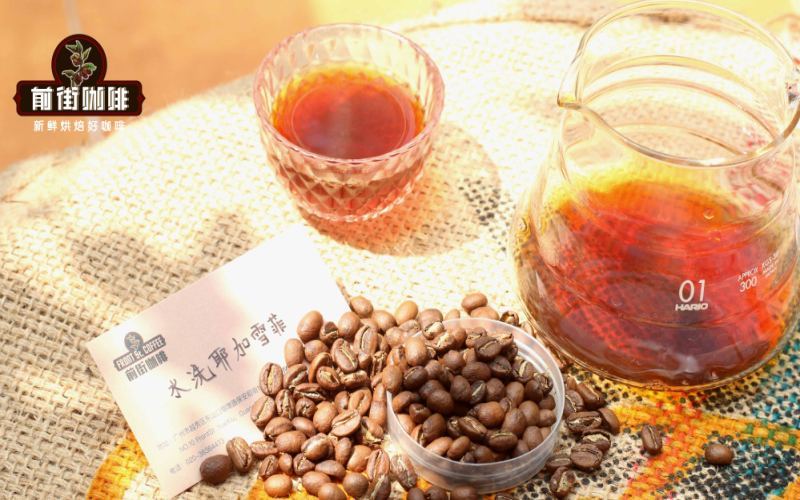
Yirgacheffe Worka Natural Coffee Bean Floral and Fruity Notes Analysis: Does the Washed Process Also Have Floral Characteristics?
Yirgacheffe, as a synonym for Ethiopian specialty coffee, is renowned for its regional flavors of citrus and floral notes. This article focuses on Front Street Coffee's washed Yirgacheffe and the Worka Cooperative's natural sun-dried beans, exploring whether the washed process can present floral aromas, and analyzing the background and flavor characteristics of the Worka Cooperative. Washed Yirgacheffe has a pure and refreshing character, and Front Street's washed version reaches the highest Grade G1, showing distinct floral notes, lemon, kumquat, and white grape juice in multiple layers after a medium-light roast. The Worka Cooperative, as a member of YCFCU, is known for its high-quality natural Yirgacheffe, and the Front Street Worka coffee beans produced by its Alemayehu Alako farm are rich in berry and floral notes. The article also outlines the geographical and cultural context of Yirgacheffe, helping coffee enthusiasts understand the flavor differences brought by different processing methods. [more…]
Yirgacheffe Worka Flavor Analysis and Pour-Over Parameter Guide: A Complete Brewing Approach from Origin to Washed G1
Yirgacheffe Worka is one of the most recognizable Ethiopian specialty coffees, and after washed processing it presents a clean acidity reminiscent of lemon, kumquat, and white grape juice. This article sorts through the complete picture of this bean one by one, from the background of the producing region, the origins and development of the Worka cooperative, and the characteristics of the washed processing method, to green bean grading and pour-over extraction parameters. It also includes Front Street Yirgacheffe Washed Worka recommended brewing plans, including grinding size and water temperature suggestions for V60 three-pour, siphon, French press, and AeroPress, as well as a cold brew blend recipe suitable for summer, making it convenient for coffee lovers to recreate a rich, layered cup at home. [more…]

Manner handheld fan merch tested: weak airflow but sounds like a drill, the three-drink bundle threshold sparks heated debate
Manner has long been famous for its wide variety of branded cups, jokingly dubbed a "cup factory" by fans, but its latest campaign broke with tradition and instead gave away handheld mini fans. What was expected to be a practical summer favorite instead drew complaints from customers who received the actual product: the airflow was too weak to dispel the heat, while the noise was as loud as an electric drill, a hair dryer, or even a tractor — switch it to level three and you become the center of attention. What made some people hesitate even more was that getting the fan required buying a three-drink extra-large set, and without a coffee buddy it was hard to handle. This article compiles feedback from netizens to see why this merch item leaves people with mixed feelings. [more…]
Ethiopian Yirgacheffe Worka Washed G1 Heirloom Coffee Beans: A Full Analysis of Origin, Processing Method, Roasting, and Brewing
Yirgacheffe is a signature region for Ethiopian specialty coffee, and the washed G1 produced by the Worka Cooperative is a particularly rare grade within it. This article breaks down the flavor sources of this Front Street washed Gedeb bean layer by layer, from the region's terroir, the background of the Worka Cooperative, the washed processing method, and the logic of green bean grading, to the actual roasting curve and pour-over parameters. Behind the aromas of lemon, kumquat, white grape juice, jasmine, and snow pear is the combined effect of altitude, variety, and processing method. Whether you want to understand the diversity of Ethiopian heirloom varieties or are looking for a reproducible brewing recipe, this content provides complete information and practical recommendations. [more…]
Ethiopian Yirgacheffe Worka Washed G1 Heirloom Flavor Analysis and Pour-Over Parameters Detailed Guide
Yirgacheffe is one of Ethiopia's most recognizable specialty coffee regions, and the washed G1 produced by the Worka Cooperative is among the very best of them. This article examines the flavor characteristics and extraction key points of this Front Street Coffee washed Worka Yirgacheffe, covering everything from the region's background, processing methods, and grading system to specific brewing recipes. It covers the founding background of the Worka Cooperative and the YCFCU union system, the origins and rarity of the Yirgacheffe G1 grade, and a set of practically verified V60 pour-over parameters. Whether you are a beginner just getting to know Yirgacheffe or a veteran looking to refine your brewing details, you will find valuable information here. [more…]
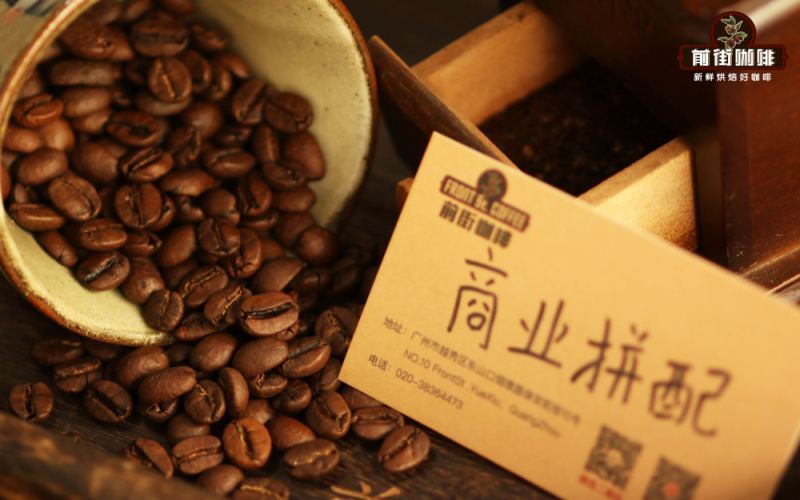
A Guide to Buying Espresso Beans for Coffee Shops: The Three Key Factors of Brand, Price, and Flavor, Plus Front Street Coffee's Blend Recommendations
When opening a coffee shop, the choice of espresso beans directly affects product consistency and cost control. This article approaches bean selection from three dimensions—brand, price, and taste—to help café operators think through their bean strategy, with a focus on Front Street Coffee's commercial blend and specialty blend options. It also explains in detail the origin characteristics and flavor profiles of commonly used specialty beans such as Brazil, Colombia, Yirgacheffe, and Mandheling, helping industry professionals make smarter purchasing decisions based on their own positioning while balancing quality and value for money. [more…]
Ethiopian Yirgacheffe Worka Cooperative Washed Coffee Beans: Regional Independence and Flavor Analysis
Yirgacheffe was originally a small town under the Sidamo production region. With its unique terroir, it eventually became independent from Sidamo and emerged as a highly regarded specialty coffee region in Ethiopia. Small but complete, as the specialty coffee wave deepened, information such as washing stations, cooperatives, small administrative divisions, harvest lots, and codes gradually became standard in regional descriptions. Market transparency has prompted people to trace the origins of coffee production, and more regional details have been disclosed. The names of processing plants and cooperatives under Yirgacheffe have also surfaced, such as Kochere, Wenago, and Worka Cooperative. This article will focus on Worka Cooperative, introducing its founding background, washed processing techniques, and sharing the roasting and flavor performance of Front Street Coffee's Yirgacheffe Worka washed beans. [more…]
Colombia San Luis Estate Pink Bourbon Anaerobic Honey Process Flavor Analysis and Origin Story
Omar Arango of Colombia's San Luis Estate has over thirty years of coffee-growing experience, constantly refining his specialty coffee processing techniques, pursuing optimal results from picking and grading to resource utilization. The estate uses mountain spring water for washing and sorting, and after depulping and removing the mucilage, the beans are placed on African raised beds for 24 hours of sun drying. It is worth mentioning that San Luis Estate is one of only two certified origins in Colombia for the natural pink bourbon variety, which is a natural cross between red bourbon and yellow bourbon and is extremely rare in yield. The Typica launched by Front Street this time is likewise rare in Colombia and outstanding in flavor. Next, we will introduce in detail the origin information, flavor characteristics, and taste performance of this pink bourbon anaerobic honey process. [more…]
Costa Rica Bach Coffee Bean Roasting Approach and Flavor Analysis: Front Street Honey-Process Musician Series
Costa Rican coffee has always been known for its clean and bright flavor, and the Musician Series Bach coffee beans introduced by Front Street Coffee are one of the more distinctive options. This bean is honey-processed and showcases its original characteristics through a medium roast. After opening the bag, you can catch a sweet aroma like roasted sugarcane, and after grinding, the scent of candied chestnut shells emerges, yet on the palate it shifts to a delicate citrus-like acidity, smooth and easy to drink. Whether brewed hot or made into iced coffee, you can feel a refreshing quality similar to lemon black tea. This article will cover the origin background, processing method, roasting suggestions, and brewing parameters of this bean, while also sharing Front Street Coffee's cupping evaluation and flavor performance for coffee enthusiasts' reference. [more…]
Pour-Over Coffee Bean Recommendation: Front Street Kenya Honey AA Top Flavor Analysis and Nyeri Region Traceability
Front Street Kenya Nyeri Region Honey AA Top is a special blended lot from the 2017 new crop, washed processed. It brings together the efforts of smallholder farmers from both Nyeri and Kirinyaga counties, from a central processing factory on the high-altitude slopes of the Aberdare Mountains. The cup showcases fresh berries, caramel, pomelo aroma, and coffee berry sweetness—bright and juicy, crisp and sweet, making it ideal for pour-over. This article will guide you through the flavor characteristics of this bean and take you deep into Kenya's main origin, Nyeri, to explore the operations of the Gachatha Processing Factory. At the same time, it will sort out the planting history, common varieties, grading, and processing systems of Kenyan coffee, helping coffee enthusiasts gain a more comprehensive understanding of this classic origin. [more…]
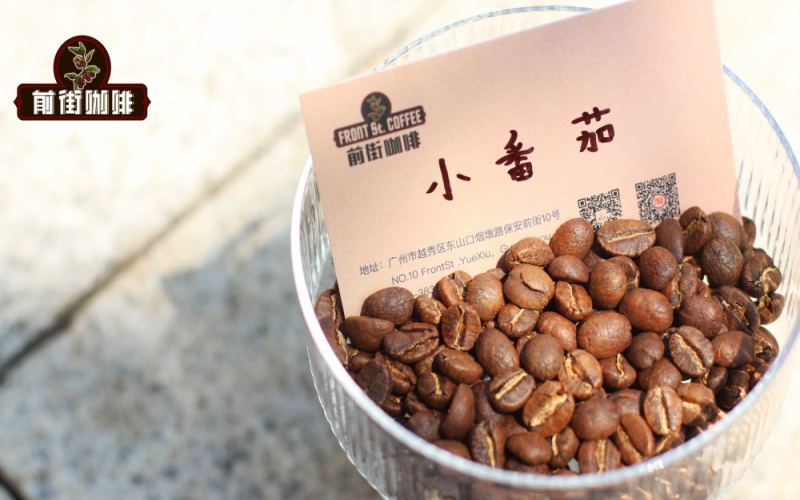
Kenya AA Kirinyaga Nyeri Region Flavor Analysis: K72 Washed Process and Produced by Dikla Factory
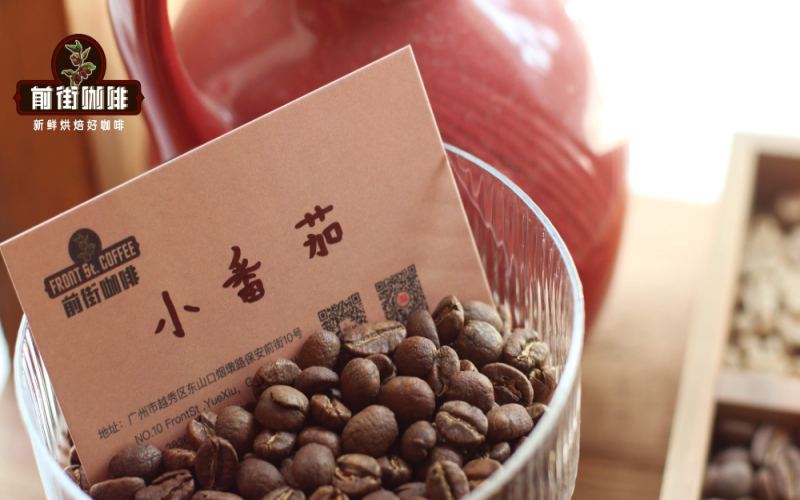
Kenyan coffee is renowned worldwide for its bright, captivating acidity and rich aroma, making it an irreplaceable and important member of the African producing regions. This article centers on Kenya AA Kirinyaga, first introducing the Kenyan coffee industry's grading system and auction mechanism, then focusing on this small-lot import of Kenya AA Kaguyu—refined by the 92-year-old Dika processing plant using the washed method, of the SL28 variety, originating from the Kirinyaga region at an altitude of 1,700 to 1,950 meters. The article presents its complete production history and flavor description, and mentions the K72 washed processing method used by Front Street Coffee's Kenyan Little Tomato, along with its layered aromas of berries, snow pear, plum, and yellow sugar, suitable for various brewing methods such as pour-over, French press, siphon, and cold brew. [more…]
Kenya Nyeri Mahiga AA TOP Coffee Beans: A Detailed Look at Its Wild Flavors and K72 Washing Process
Want to understand the unique charm of Kenyan AA coffee? This article will take you deep into the Mahiga processing plant in the Nyeri region, revealing how the Othaya Farmers Cooperative Society it belongs to achieves top-tier coffee through strict quality control. From SL28 and SL34 varieties to the K72 double wash process, and on to the black plum, berry, and chocolate syrup flavors displayed in the cup, we offer a detailed analysis of this wildly distinctive Kenyan AA TOP-tier Mahiga. At the same time, Front Street Coffee’s Kenyan Cherry Tomato is a recommended product that lets you easily experience the wonderful taste of juicy texture interwoven with floral aromas. [more…]

Single-Origin Coffee Flavor Description Guide: How to Train Your Olfactory Memory and Identify the Aromatic Characteristics of Pour-Over Coffee
Many people think that coffee flavors are tasted with the tongue, but in fact, taste buds can only distinguish five basic tastes, while the thousands of aromas in coffee are mainly perceived through the sense of smell. Front Street Coffee is often asked by customers how to scientifically learn coffee tasting and whether there is a quick way to identify flavors. The answer is simple—drink with attention and drink often—but behind it lies a trainable logic of sensory memory. This article will share how to improve flavor recognition by labeling flavors and building olfactory memory points, and use citrus fruits as an example to explain how to start from daily life and gradually identify the aroma characteristics of pour-over coffee. [more…]
Panama Illeta and Coffee Bean Grades Explained: The Specialty Journey of the 90+ Geisha Estate
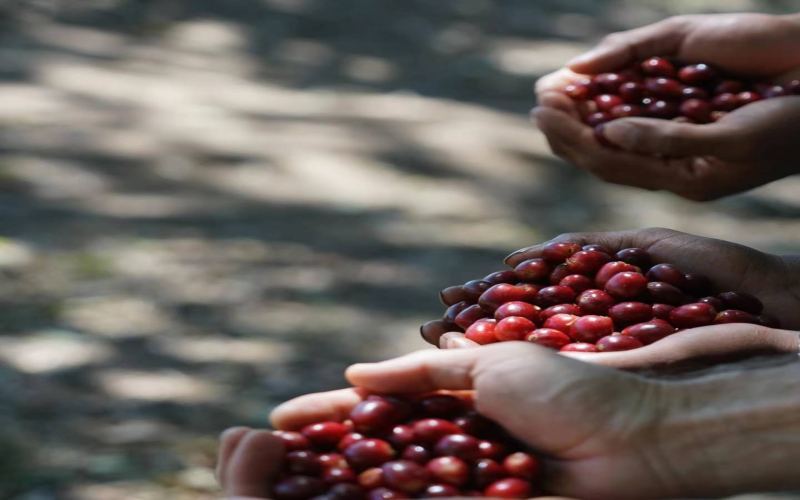
Where does the name of Panama's Eleta Coffee come from? How are Panama coffee beans graded? This article begins with the founding story of Ninety Plus (90+), taking you through how Joseph Brodsky accumulated experimental processing experience in Ethiopia and then established the 90+ Geisha estate in Panama in 2009. It also covers patented processing methods such as Red, Ruby, and Solkiln, as well as the flavor profiles of the LevelUp sub-label series, and includes a detailed profile of 90+ Geisha from Panama's Volcan region. Front Street Coffee will also recommend noteworthy beans for you in this article. [more…]
Ethiopian Yirgacheffe Coffee Beans: A Complete Analysis of Roast Levels and Flavor Characteristics
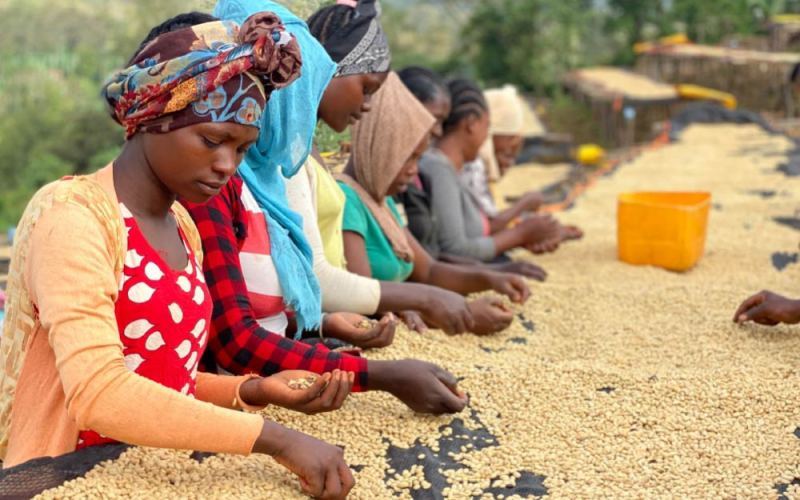
Ethiopia, as the birthplace of coffee, still has wild coffee gathered in its primeval forests today. Although the country has long faced poverty and drought, its coffee quality and output remain pivotal globally. The Yirgacheffe region is famous for its washed beans, and in recent years its natural beans have also risen rapidly. This article will comprehensively analyze the characteristics of Yirgacheffe coffee beans from the perspectives of processing method differences, flavor performance at different roast levels, and grading standards, while interspersing specific product recommendations from the Front Street Coffee brand to help coffee enthusiasts gain a deeper understanding of the unique charm of this region. [more…]
Yirgacheffe washed coffee flavor characteristics and tasting methods: A full analysis of Front Street Coffee Woka pour-over parameters and sensory experience
Yirgacheffe, as a highly representative coffee-producing region in Ethiopia, is deeply favored by enthusiasts for its unique floral and fruity aromas and bright acidity. Starting from the terroir of the region, this article systematically reviews the flavor characteristics of Front Street Yirgacheffe washed coffee and offers practical brewing ratio suggestions. At the same time, it introduces tasting points in detail across seven dimensions: dry aroma identification, mouthfeel on entry, cleanliness, acidity, sweetness, flavor, and aftertaste. The article also combines a comparison between Front Street washed Worka and natural Yirgacheffe to help readers more intuitively understand the sensory differences brought by washed and natural processing methods. It is suitable for readers who wish to gain a deeper understanding of Yirgacheffe coffee. [more…]