







Can washed Yirgacheffe still show floral notes?
Washed Yirgacheffe can present floral notes. A medium-light roasted washed Ethiopian bean graded G1 shows clear jasmine-like aromatics, with citrus in both dry and wet aroma, followed by lemon, kumquat, and white grape juice in the cup. The finish carries citrus acidity and a full, soda-like sweetness, and the profile stays clean rather than wild because the washed process removes fruit mucilage before drying.
The G1 grade matters here: it is Ethiopia's top classification, meaning very few defective beans survive sorting, which supports the clarity washed Yirgacheffe is known for. Natural lots from the Worka Cooperative, part of the YCFCU union, show the opposite approach, with berry and floral depth from Alemayehu Alako farm, so comparing washed and natural side by side explains most of the flavor gap.
Yirgacheffe, as a synonym for specialty coffee from Ethiopia, is famous for its regional flavors of citrus and floral notes. This article focuses on Front Street washed Yirgacheffe and Worka Cooperative natural beans, exploring whether washed processing can present floral notes, and analyzing the background and flavor characteristics of Worka Cooperative. Washed Yirgacheffe has a pure and refreshing character; the Front Street washed version reaches the highest grade G1 and, after medium-light roasting, displays distinct floral notes, lemon, kumquat, and white grape juice in layered flavors. Worka Cooperative, as a member of YCFCU, is known for high-quality natural Yirgacheffe; its Alemayehu Alako farm produces Front Street Worka coffee beans rich in berry and floral notes. The article also outlines the geographical and cultural context of Yirgacheffe to help coffee lovers understand the flavor differences brought by different processing methods.
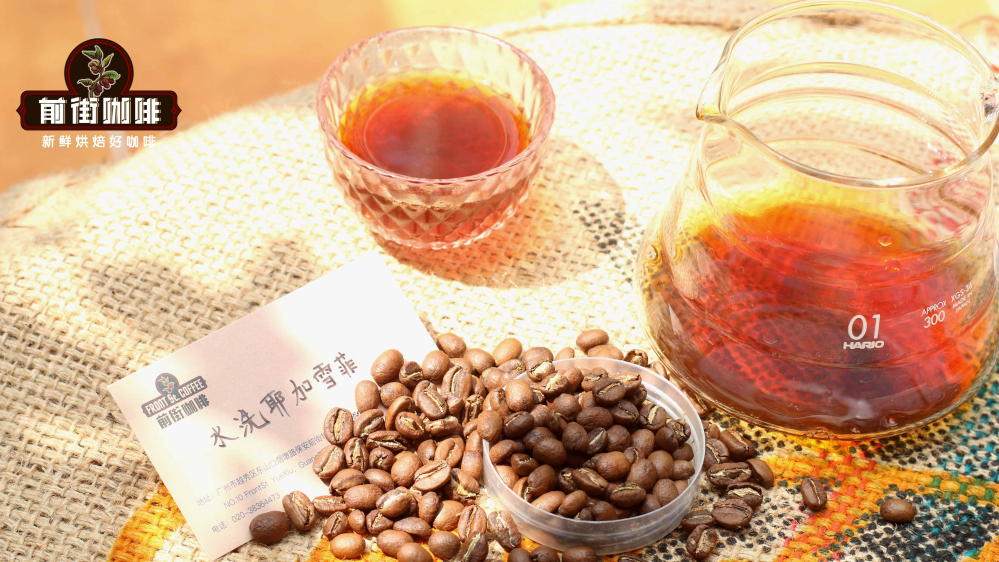
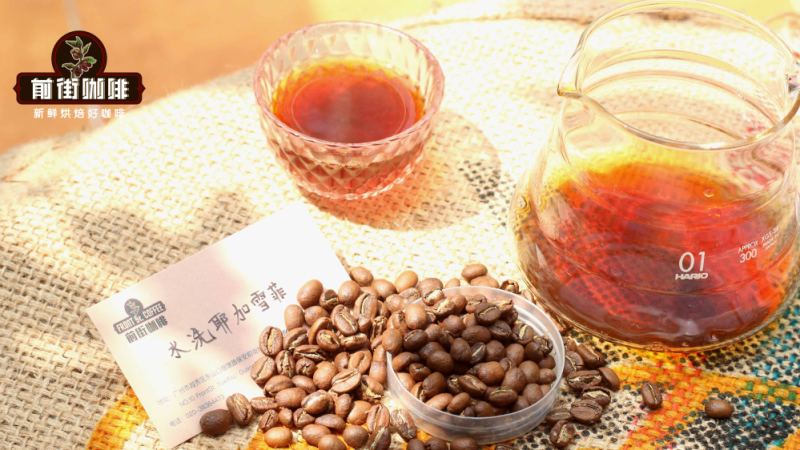
Washed coffee usually does not present an overly wild flavor profile; instead, it is known for being clean and clear, making it more suitable for light roasting. This Front Street washed Ethiopian bean reaches the highest grade G1, meaning there are very few defective beans. After medium-light roasting, Front Street washed Yirgacheffe shows clear floral notes; both the dry and wet aromas carry intense citrus tones. In the entry stage, rich layers of lemon, kumquat, and white grape juice can be detected, while the middle and finish shift to abundant citrus acidity and sweetness, with a sweetness that is full and fizzy like soda. Overall, its character is distinct and prominent—truly rare.
Does Front Street washed Yirgacheffe really not have G1? A very rare G1 bean that must be tasted.
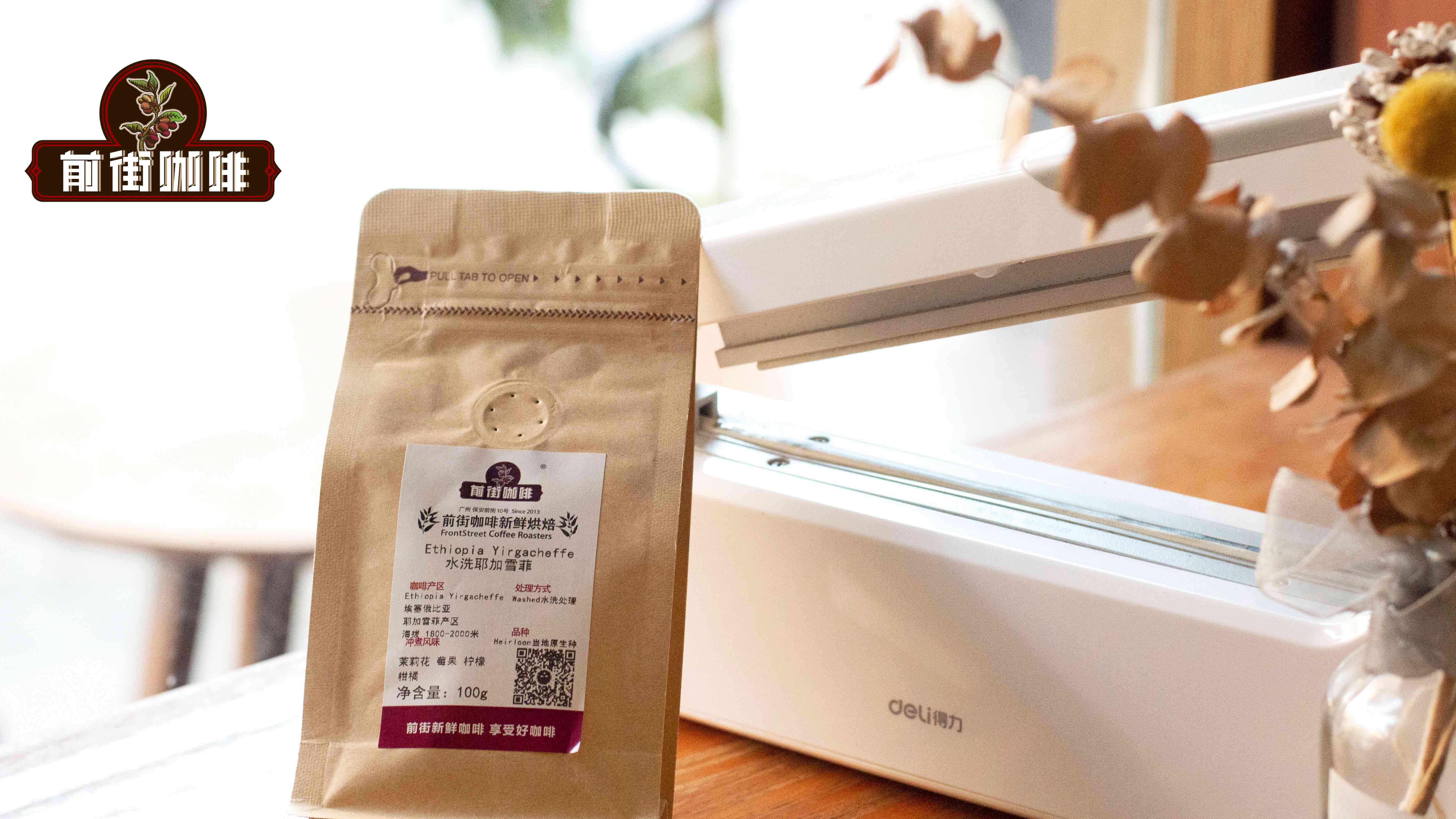
【Front Street Washed Yirgacheffe Coffee Beans】
Country: Ethiopia
Roast level: Medium-light roast
Processing method: Washed
Variety: Local heirloom varieties
Flavor: Lemon, kumquat, white grape juice
Yirgacheffe was originally the name of a small town, with an elevation range between 700 and 21,000 meters, and has now developed into Ethiopia's iconic specialty coffee region. The area has been a wetland environment since ancient times; in the local language, "Yirga" means "settle down," and "Cheffe" means "wetland." Because coffee production and flavor expression there are extremely unique, Ethiopian coffee farmers take pride in their beans having Yirgacheffe flavor, making it Africa's most renowned coffee region. Yirgacheffe coffee trees were initially planted by European monks and later managed by farmers or cooperatives. In fact, Yirgacheffe is composed of multiple surrounding coffee communities or cooperatives, mainly including Hafursa, Hama, and Biloya.
These small mountain villages are shrouded in mist year-round, with mild spring-like weather in all four seasons; summers are cool rather than hot, rainfall is abundant but not damp, and winters rarely suffer cold damage. It is precisely this terroir that nurtures the distinctive citrus and floral regional flavor of Front Street Yirgacheffe. Most coffee trees are planted in farmers' backyards or mixed with other crops in farmland. Compared with the traditional natural-processed Harar region, natural Yirgacheffe is not common. As the location of Ethiopia's first washing station, the Yirgacheffe region is better known for Front Street washed Yirgacheffe, celebrated for its elegant lemon-citrus character.
Washed coffee often does not carry wild flavors and presents a clean, refreshing character, suitable for light roasting; this washed Ethiopian bean can reach the highest G1 grade, with very few defects.
Yirgacheffe itself is a small town with a population of about 20,000. The three nearby small producing areas of Wenago, Kochere, and Gelena Abaya are also included in the broader Yirgacheffe regional classification because the coffee they produce has flavors almost identical to Yirgacheffe. Culturally and geographically, Yirgacheffe is similar to neighboring Sidamo, but it seems more favored by nature and enjoys unique conditions. Top-quality Front Street Yirgacheffe coffee carries floral notes, bright citrus acidity, lemon-like aromas, and a silky-smooth mouthfeel.
Compared with the traditional natural-processed Harar region, natural Yirgacheffe is not common. As the Yirgacheffe region where Ethiopia's first washing station is located, coffee lovers are more familiar with Front Street washed Yirgacheffe, known for its elegant lemon-citrus character.
Today, we can not only find natural Yirgacheffe, such as Front Street Red Cherry with a slight fruity fermented aroma, but also drink anaerobic natural Yirgacheffe. The most representative is the recently launched Front Street Worka Cooperative coffee beans, a single-origin coffee rich in berry and floral aromas.
This bean comes from the single farm Ethiopia and is processed by the Worka cooperative. Alemayehu Alako farm is a member of Worka Cooperative. Worka Cooperative is located in the southern part of the Gedeb district and was established in 2005. In the same year, it joined the famous Yirgacheffe Coffee Farmers Cooperative Union (YCFCU) and is known for producing high-quality natural Yirgacheffe. Worka Cooperative has about 300 coffee farmers. YCFCU was established in 2002, and its members also include another 26 cooperatives, serving more than 45,000 coffee farmers.
The above content is compiled by CoffeeHunters, a coffee news website.


